Author Archives: DoggyMom.com

Study of ancient dog DNA traces canine diversity to the Ice Age

A global study of ancient dog DNA, led by scientists at the Francis Crick Institute, University of Oxford, University of Vienna and archaeologists from more than 10 countries, presents evidence that there were different types of dogs more than 11,000 years ago in the period immediately following the Ice Age.

In their study, published in Science, the research team sequenced ancient DNA from 27 dogs, some of which lived up to nearly 11,000 years ago, across Europe, the Near East and Siberia.* They found that by this point in history, just after the Ice Age and before any other animal had been domesticated, there were already at least five different types of dog with distinct genetic ancestries. 

This finding reveals that the diversity observed between dogs in different parts of the world today originated when all humans were still hunters and gatherers.

Photo by E.E. Antipina

Pontus Skoglund, author and group leader of the Crick’s Ancient Genomics laboratory, says: “Some of the variation you see between dogs walking down the street today originated in the Ice Age. By the end of this period, dogs were already widespread across the northern hemisphere.”

This study of ancient genomics involves extracting and analysing DNA from skeletal material. It provides a window into the past, allowing researchers to uncover evolutionary changes that occurred many thousands of years ago.

The team showed that over the last 10,000 years, these early dog lineages mixed and moved to give rise to the dogs we know today. For example, early European dogs were initially diverse, appearing to originate from two highly distinct populations, one related to Near Eastern dogs and another to Siberian dogs. However, at some point this diversity was lost, as it is not present in European dogs today.

Anders Bergström, lead author and post-doctoral researcher in the Ancient Genomics laboratory at the Crick, says: “If we look back more than four or five thousand years ago, we can see that Europe was a very diverse place when it came to dogs. Although the European dogs we see today come in such an extraordinary array of shapes and forms, genetically they derive from only a very narrow subset of the diversity that used to exist.” 

The researchers also compared the evolution in dog history to changes in human evolution, lifestyles and migrations. In many cases comparable changes took place, likely reflecting how humans would bring their dogs with them as they migrated across the world.

But there are also cases when human and dog histories do not mirror each other. For example, the loss of diversity that existed in dogs in early Europe was caused by the spread of a single dog ancestry that replaced other populations. This dramatic event is not mirrored in human populations, and it remains to be determined what caused this turnover in European dog ancestry. 

Greger Larson, author and Director of the Palaeogenomics and Bio-Archaeology Research Network at the University of Oxford, says: “Dogs are our oldest and closest animal partner. Using DNA from ancient dogs is showing us just how far back our shared history goes and will ultimately help us understand when and where this deep relationship began.”

Ron Pinhasi, author and group leader at the University of Vienna, says: “Just as ancient DNA has revolutionised the study of our own ancestors, it’s now starting to do the same for dogs and other domesticated animals. Studying our animal companions adds another layer to our understanding of human history.”  

While this study provides major new insights into the early history of dog populations and their relationships with humans and each other, many questions still remain. In particular, research teams are still trying to uncover where and in which human cultural context, dogs were first domesticated. 

*The researchers sequenced ancient DNA from 27 dogs. Their analysis also included previously sequenced genomic data from a further 5 dogs.

Source: The Francis Crick Institute
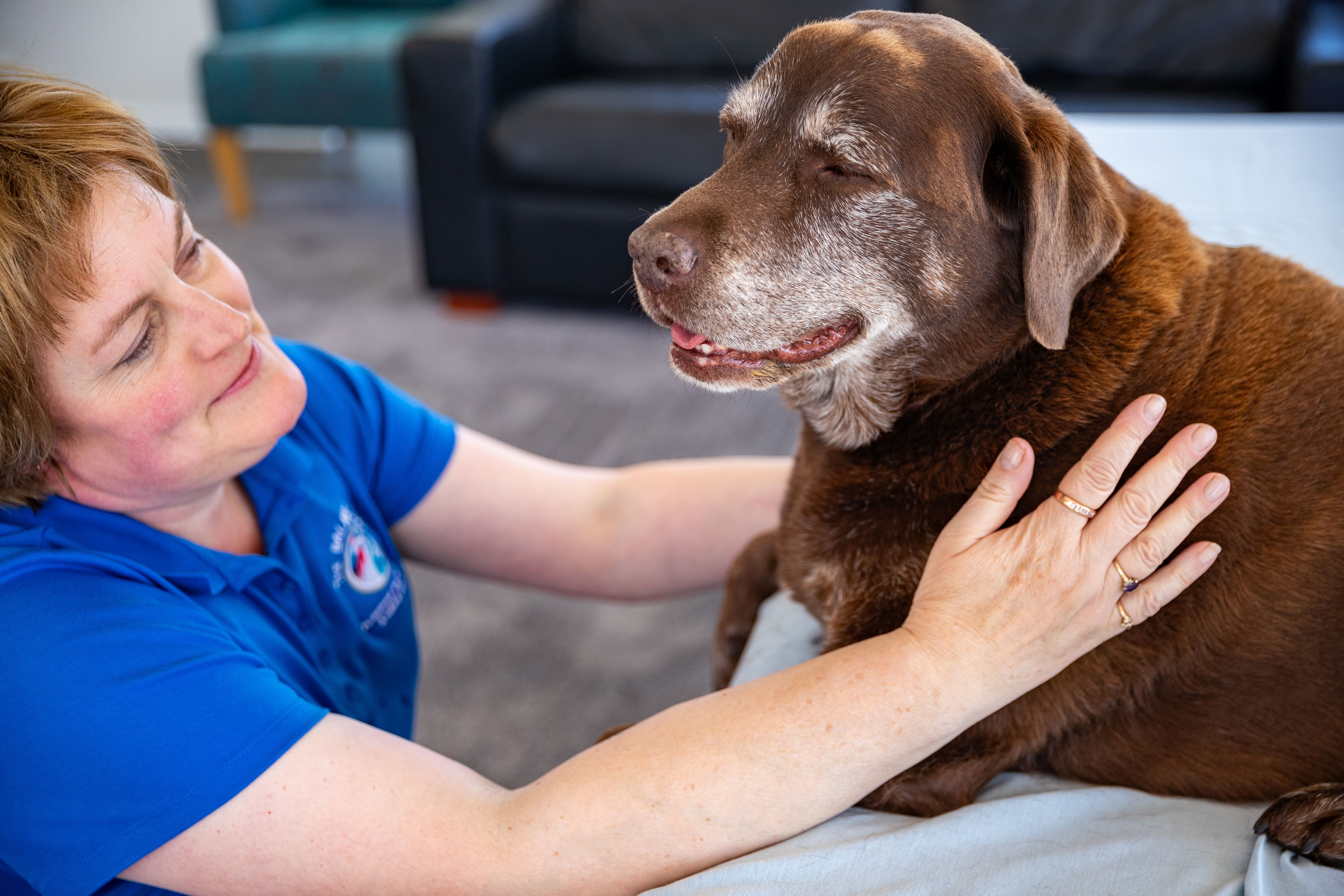
Doggy quote of the month for November

“Scratch a dog and you’ll find a permanent job.”

– Franklin P Jones, journalist

Old Dog

I first saw Old Dog at last year’s Top Dog Film Festival, but I re-acquainted myself with this 2018 documentary on the Doc Play platform.

Old Dog tells the story of retired sheep farmer Paul Sorenson, something of a legend in New Zealand because of the number of sheep dog trials he has won and for his kinder, gentler handling techniques. In the film, he admits that he prefers dogs to people and that he was mostly an absentee father to his children, a fault that makes him seem more human than the ‘hero’ movies we see on the big screen.

Filmmaker Sally Rowe wanted to make a film about rural New Zealand and, in the process, the film depicts some of our wonderful New Zealand landscape. If you’re locked down due to Covid-19 restrictions in your country, then I think you’ll enjoy the scenery.

This film is well worth the watch of just over one hour and, as Paul says, “If you’ve got a problem dog, nine times out of 10 either you’ve created it or someone else has.”

Kathleen Crisley, Fear-Free certified professional and specialist in dog massage, rehabilitation and nutrition/food therapy, The Balanced Dog, Christchurch, New Zealand

Well Groomed

I watched this 2019 documentary about the world of competitive, creative dog grooming on the Doc Play platform.

I’ve always owned dogs that I could groom myself without too much trouble. (Izzy, for example, has the short coat of a greyhound and only needs brushed and regular nail trims and possibly a bath once a year). But I have clients whose dogs need professional grooming and, hey, this was a movie involving dogs so I had to watch.

The documentary follows the stories of several women who use poodles as their creative canvas in grooming competitions across America.

It’s a different world, to say the least.

Ethically, I’m against the use of brightly coloured dyes being used on dogs. They may be marketed as harmless, but if a dog was meant to have a coat in the colours of the rainbow, genetics would have sorted that out by now. I also can’t endorse the use of nail polish on dogs, either. Both product ranges must have a chemical base and exposing dogs knowingly to these types of chemicals just seems wrong.

The poodles, I have to say, are very well behaved on the grooming table. I suppose they’ve become accustomed to the hours they spend standing on the grooming table for these competitions. To me, though, that seems sad when they could be out playing or just enjoying life as a pet.

Professional dog grooming is just that – a profession. And I am in awe of the great work done for my client’s dogs who are – well – real, loved family members – in need of a solid groom.

I simply can’t get my head around this art form because the dogs don’t really have a choice to opt out.

Kathleen Crisley, Fear-Free certified professional and specialist in dog massage, rehabilitation and nutrition/food therapy, The Balanced Dog, Christchurch, New Zealand

The first re-homing of laboratory beagles in Finland

The paper’s abstract begins “The fate of experimental animals represents an ethical dilemma and a public concern.” I would say that this is an understatement. But, researchers in Finland decided to re-home their laboratory Beagles once their work was completed and documented the process of helping the dogs to adjust to pet life.


The re-homing of laboratory dogs was the first of its kind in Finland. The re-homing process was started with months of practising basic pet dog skills with the dogs and by familiarising them with the world outside the laboratory.  

The practice period lasted from four to six months, depending on the dog.

“However, we found out that the socialisation time was not quite sufficient for all dogs; owners reported that some dogs continued to be timid and suffer from separation anxiety. The laboratory dog re-homing process would be smoother if in the future laboratory dog facilities separated out the defecation and rest areas, gave dogs access to an outside area and walked them outside on a leash,” says Docent Marianna Norring from the Faculty of Veterinary Medicine at the University of Helsinki.

The dogs had been living in packs of eight dogs for two to eight years in the University’s laboratory animal facilities, from where they had daily access to an enclosed outside space. They spent the nights in smaller groups of dogs.

At the University, the dogs had participated in both animal cognition and veterinary medical studies. The cognition research provided basic information on canine minds, and a new tranquilising agent suitable for dogs was developed in the veterinary medical study. The University of Helsinki does not currently have laboratory dogs.

The re-homing of laboratory dogs was implemented as a collaboration between SEY Animal Welfare Finland and the University of Helsinki. A large group of individuals participated in socialising the dogs and acquainting them with life outside the facility: animal caretakers, researchers, animal-rights campaigners and dog trainers. The aim was to take into account the individual characteristics of each dog when searching for a new home for them. Whenever possible, dogs were re-homed in pairs. Generally speaking, the new owners have been extremely happy about their new pets.

For the study, the dog re-homing process was monitored at the University for four years by interviewing the participants and collecting information from the new owners.  

Article:

Laura Hänninen and Marianna Norring, 2020, The First Rehoming of Laboratory Beagles in Finland: The Complete Process from Socialisation Training to Follow-up, Alternatives to Laboratory Animals (ATLA), Vol 48, Issue 3, 2020.

Source: University of Helsinki

I took my dog to the vet…

Izzy went to the vet this week. It’s funny because some people I meet think that I should be anti-vet because I work in the field of complementary therapies for dogs.

Nothing could be further from the truth. Traditional veterinary care is essential – it’s like going to the family doctor – or GP as they are called here in New Zealand. Your dog will need things like check-ups and vaccinations during the course of its life; many dogs end up with injuries that require surgery of some sort and your vet does these, too. The work I do with dogs integrates well with traditional veterinary care.

(I’m not anti-vet – but I do meet vets that are anti-complementary therapies. That’s a whole other subject for another day and not the purpose of this post.)

In Izzy’s case, this week we were visiting so she could have another injection of SYNOVAN™ and to get a repeat of her gabapentin, which we use for pain relief for her arthritis.

I always bring a mat for her because the floor is slippery and not nice to lay down on when you are an arthritic senior dog. Her mat is also useful because it is her safe place – a Fear Free technique – because often vets do things that are ouchy and frightening. We bring the mat with us to the exam room, too, so she has a surface that is comforting and familiar.

What do you do when your take your dog to the vet?

Kathleen Crisley, Fear-Free certified professional and specialist in dog massage, rehabilitation and nutrition/food therapy, The Balanced Dog, Christchurch, New Zealand

The Biggest Little Farm

It all started with a dog named Todd…

I’m sharing this film, originally released in 2018, because of the uplifting true story which all started because a dog named Todd wasn’t suitable for city living. Todd’s needs meant that Molly and John Chester sought out a way of making their sustainable farming dream a reality.

This documentary spans 8 years of their journey to bring a ‘dead’ Northern California farm back to life using holistic and sustainable techniques.

If you’re a customer of the The Balanced Dog, this month you received a special code in your October newsletter which allows you to join DocPlay free for an extended trial period of 45 days – that’s plenty of time to watch this film and lots of other great documentaries.

It’s spring here in New Zealand. I hope this film inspires you to garden with the environment in mind. I’ve already bought bags and bags of compost for my garden, realising from the film that my soil needs more organic content. And thanks to a client who works in the flower growing industry, I have a great guide to companion planting to help me plan the vege garden.

Thanks to Covid-19, more people than ever are taking to gardening and there are ways to garden which are more sustainable and healthier for us, our animals and the planet. Watch the film for inspiration and then get planting!

Kathleen Crisley, Fear-Free certified professional and specialist in dog massage, rehabilitation and nutrition/food therapy, The Balanced Dog, Christchurch, New Zealand

Petco removes shock collars from sale

This week, those of us in the Force Free/Fear Free movement were given cause to celebrate when Petco, a major pet retailer in the USA, announced that it was removing shock collars from its stores and online platform.

Shock collars are aversives – they use pain to suppress an unwanted behavior. These totally unnecessary devices are inhumane when behavioral science has moved along to prove that positive reinforcement training works better and is an ethical approach to dog training.

I’m interested in this subject because, sadly, shock collars are widely available in New Zealand. I see many Facebook groups of dog owners who recommend these devices as soon as there is a barking dog complaint, for example. And the body language of a dog wearing a shock collar tells the story of a dog being punished.

To continue to raise awareness to this subject, I include the statement of the Pet Professional Guild released this week in response to Petco’s announcement.

Official PPG Statement

Official Pet Professional Guild Response to Petco’s Removal of Electric Shock Collars from Stores

The Pet Professional Guild (PPG) and The Shock-Free Coalition are greatly encouraged by Petco’s announcement on October 6, 2020 that it will no longer sell electric shock collars “operated by a person with a remote in hand.” PPG has always believed unequivocally that the pet-owning general public needs – and deserves – to have access to better educational tools so they can, 1) make the right decisions regarding their pets’ training, care and welfare, and 2) ensure they live in safe, nurturing and stable environments, free from fear and pain.

Scientific Data
Increasingly, peer reviewed, scientific studies are showing that, whether discussing dogs, humans, dolphins or elephants, shock as a form of training to teach or correct a behavior is ineffective at best and physically and psychologically damaging at worst (Schilder & van der Borg, 2004; Schalke, Stichnoth, Ott, & Jones-Baade, 2007; Polsky, 2000; Cooper, Cracknell, Hardiman, Wright & Mills, 2014). Overall (2013) states that shock collars, aka e-collars, “violate the principles of three of five freedoms that define adequate welfare for animals: Freedom from pain, injury, and disease, freedom to express normal behavior and freedom from fear and distress.”

The current scientific data, in addition to the moral and ethical concerns about mental and physical damage to animals subjected to methods using force, fear and/or pain, have moved a number of representing professional organizations* to advocate for the use of humane training techniques founded on evidence-based learning theories and avoid training methods or devices which employ coercion and force. PPG is delighted that Petco has now joined their ranks.

Effects of Electric Shock
The use and application of electric shock provides no effective strategy for an animal to learn a new or alternative behavior. Some common problems resulting from the use of electronic stimulation devices include, but are not limited to:

Infliction of Stress and Pain
Generalization
Escalation
Global Suppression or “Shut-Down”
Fear, Anxiety and Aggression
Redirected Aggression
Unintended Consequences

Shock-Free Coalition
In September 2017, the Pet Professional Guild (PPG) rolled out its Shock-Free Coalition, the key purpose of which is to build a strong and broad movement committed to eliminating electric shock devices from the worldwide supply and demand chain. This would be achieved by:

 Engaging and educating pet owners and shelter/rescue workers to help them make informed decisions about the management, care and training of the pets in their charge.

Building a worldwide coalition that provides pet owners access to competent, professional pet industry service providers.

Creating widespread pet industry transparency and compliance regarding how professionals implement their services and communicate their philosophy to pet owners.

Supporters are encouraged to sign the Shock-Free Pledge, much in the same way as Petco has invited supporters to sign its #StoptheShock petition.

Consumer Transparency
One of PPG’s key goals is to shape the pet industry to ensure that dog trainers, behavior consultants and professional pet care providers, 1) pursue an ethical responsibility to do no harm to the animals in their care, and 2) present their qualifications and experience truthfully with full transparency and disclosure – including the training tools and methods they use.

PPG recognizes that industry changes will happen in stages and, just like the progressive behavior change programs we create for the animals in our care, gradual changes must be reinforced. By encouraging “anyone using or looking for shock collars to consider training with treats instead of electricity and partnership instead of pain,” Petco has made an important first step towards improving the lives of pets everywhere, as well as educating dog owners about alternative, kinder training methods and tools. We look forward to seeing electric fence systems, which work in exactly the same way as shock collars, i.e. by causing fear and pain, follow suit.

*Including, but not limited to, the American Animal Hospital Association, the Canadian Veterinary Medical Association, the British Veterinary Association, the New Zealand Veterinary Association, the European Society of Veterinary Clinical Ethology and Pet Dog Trainers of Europe.

Resources
Pet Professional Guild. (2015). Open Letter Regarding Shock Collar Training. Available at: https://petprofessionalguild.com/An-Open-Letter-Regarding-Shock-Collar-Training
Tudge, N.J, Nilson, S.J., Millikan, D.A., & Stapleton-Frappell, L.A. (2019). Pet Training and Behavior Consulting: A Model for Raising the Bar to Protect Professionals, Pets and Their People. (n.p.): DogNostics Career Center Publishing

Kathleen Crisley, Fear-Free certified professional and specialist in dog massage, rehabilitation and nutrition/food therapy, The Balanced Dog, Christchurch, New Zealand

Doggy quote of the month for October

All his life he tried to be a good person. Many times, however, he failed. For after all, he was only human. He wasn’t a dog.

– Charles M. Schulz

The Dogs of Democracy

“Humans would do well to study the character of dogs” – Diogenes

This quotation is the opening slide of the documentary Dogs of Democracy, by Mary Zournazi, which was released in 2016. I’ve just watched the film on Doc Play, the app where it is available in New Zealand.

The film portrays the many stray dogs who live in Athens and the people who take care of them. It’s set at a time when citizens of Greece had been protesting against years of austerity measures that depressed the economy and its people.

One dog, Loukanikos, participated in many of the anti-austerity marches and his story is told posthumously by the people who knew him best. I particularly liked when Loukanikos is described a symbol of revolt and purity.

If you like dogs, you’ll like this 57-minute film. And if you follow news about economies and world economics as well as being a dog lover, you’ll have an even better appreciation for the timing and subject matter of the film.

For me, well – I’d like to go to Athens when this pandemic is over and give every one of those strays a good massage while visiting the birthplace of democracy.

Kathleen Crisley, Fear-Free certified professional and specialist in dog massage, rehabilitation and nutrition/food therapy, The Balanced Dog, Christchurch, New Zealand