“If I have any beliefs about immortality, it is that certain dogs I have known will go to heaven, and very, very few persons.”
– James Thurber, cartoonist (1894 – 1961)


“If I have any beliefs about immortality, it is that certain dogs I have known will go to heaven, and very, very few persons.”
– James Thurber, cartoonist (1894 – 1961)
Since Izzy is a Greyhound, a breed that likes to ‘nip’ at each other when racing, I put a muzzle on her when she goes to the dog park – just in case she gets too excited or playful with other dogs.
Since Izzy loves to chase the tennis ball, she’s developed a new game – nose soccer. You can only play this when wearing a muzzle, since you bounce the ball off your muzzle…
Kathleen Crisley, specialist in dog massage, rehabilitation and nutrition/food therapy, Canine Catering Ltd, Christchurch, New Zealand
Posted in Dogs
Tagged Dog, dog park, football, Greyhound, Izzy, muzzle, nose soccer, soccer, tennis ball
I, like many women, love chocolate and the Swiss are known for it. However, some Swiss nationals, particularly farmers, regularly eat dog and cat as a meat source.
The advocacy group SOS Chats Noiragigue is leading a campaign to ban the consumption of cats and dogs with a petition to parliament. As of late November 2014, 18,000 signatures had been gathered including that of famous actress and animal rights activist Brigitte Bardot.

Actress Brigitte Bardot is just one signatory on a petition to outlaw the consumption of dog and cat meat in Switzerland
Dog meat is primarily used in sausages.
In Switzerland, a proposal needs 100,000 signatures out of a total population of around 8 million for a national referendum to be held on the issue.
With the power of the internet, animal lovers from around the globe can sign a petition to help add weight to this cause. The Force Change petition is here.
Kathleen Crisley, specialist in dog massage, rehabilitation and nutrition/food therapy, Canine Catering Ltd, Christchurch, New Zealand
Posted in animal welfare, Dogs
Tagged Brigitte Bardot, chocolate, dog and cat, dog meat, farmers, petition, SOS Chats Noiragigue, Swiss, Switzerland
This year in my garden beds I am growing:

Lettuces

More lettuces, peppers and…
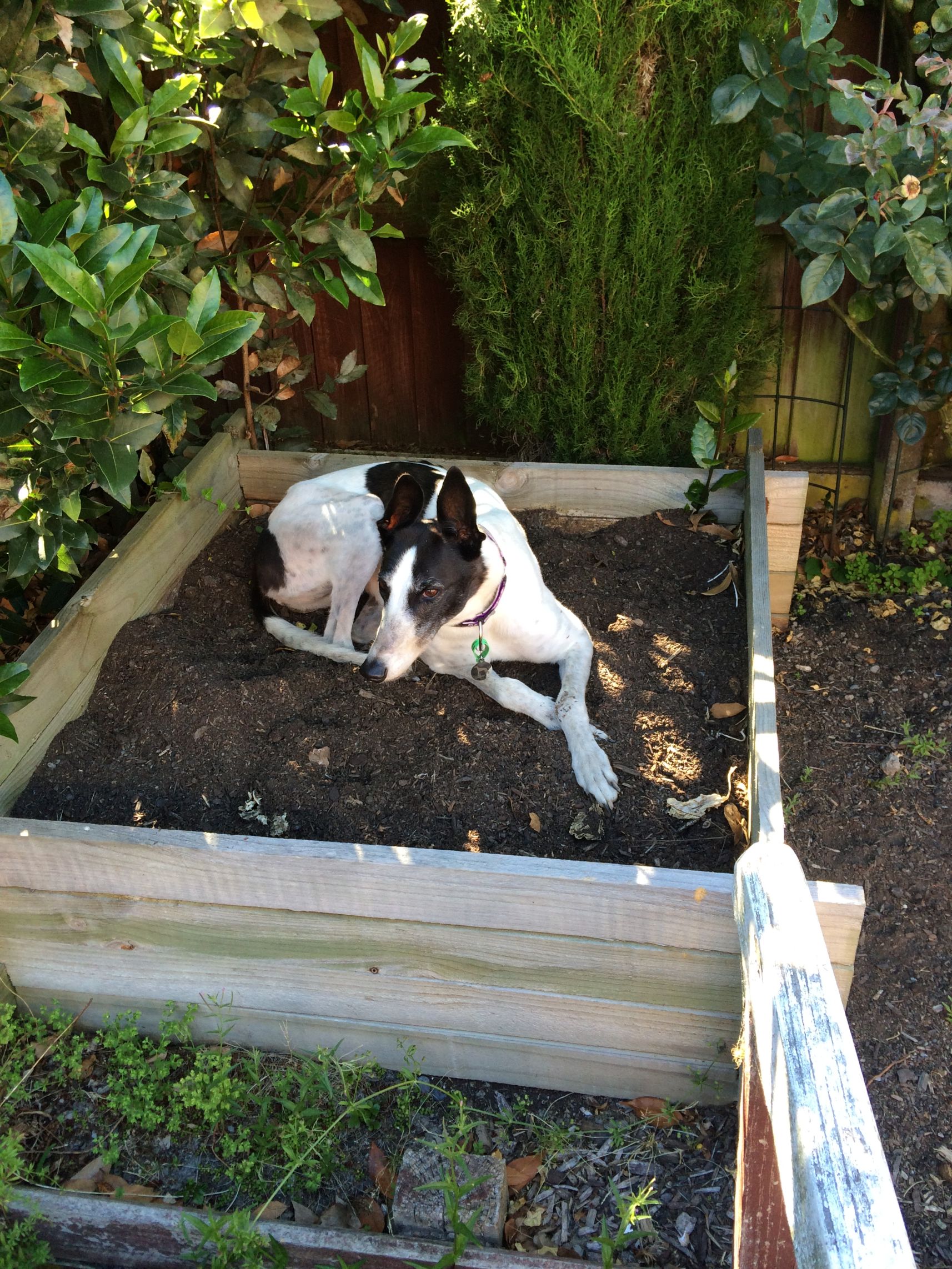
…one Greyhound! (Izzy heard the word ‘bed’ and decided she wanted an outdoor bed for summer)
Kathleen Crisley, specialist in dog massage, rehabilitation and nutrition/food therapy, Canine Catering Ltd, Christchurch, New Zealand
With a new year on its way, many people will be setting goals for the upcoming year. Is it time for you to buy a new car, for example?
Auto Trader has published information on features to look for that are useful and they’ve also made recommendations for the best cars for dog owners.
The features to look for are:
And the top dog cars are:
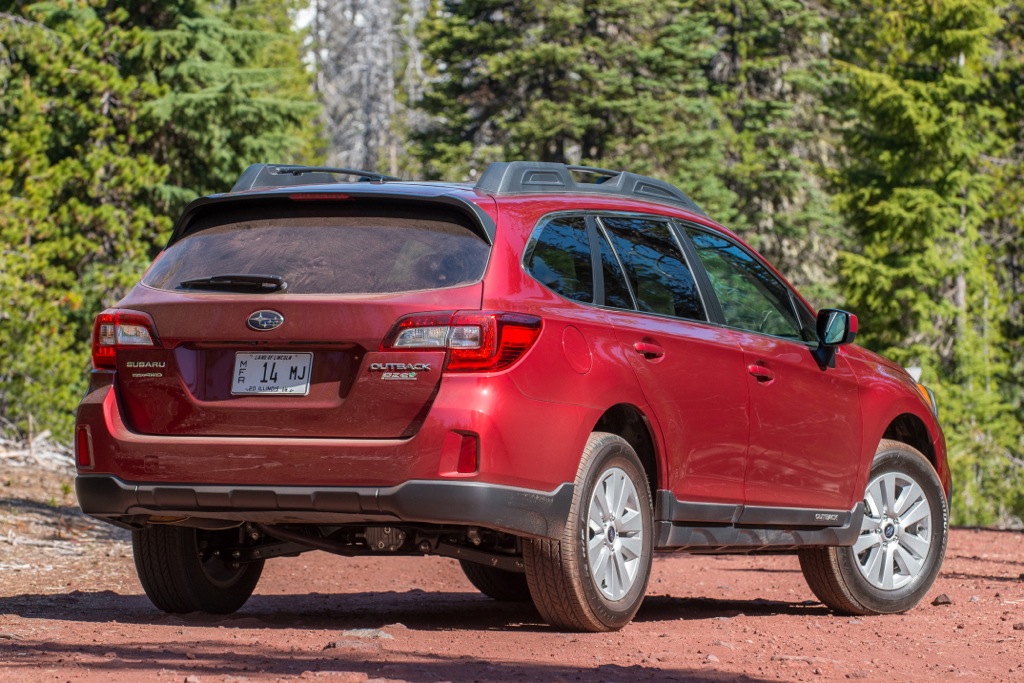
The Subaru Outback – “If you live in a cold climate and have an outdoorsy dog that likes being in wintry conditions, the Outback’s superior traction and surefootedness will keep you and Fido safe and secure as you tread over snowy terrain. Additionally, the Outback’s wagon configuration makes for plenty of room in the cargo area. A wide, low load floor and an optional pet barrier round out the amenities. Subaru also has many pet-friendly accessories.”
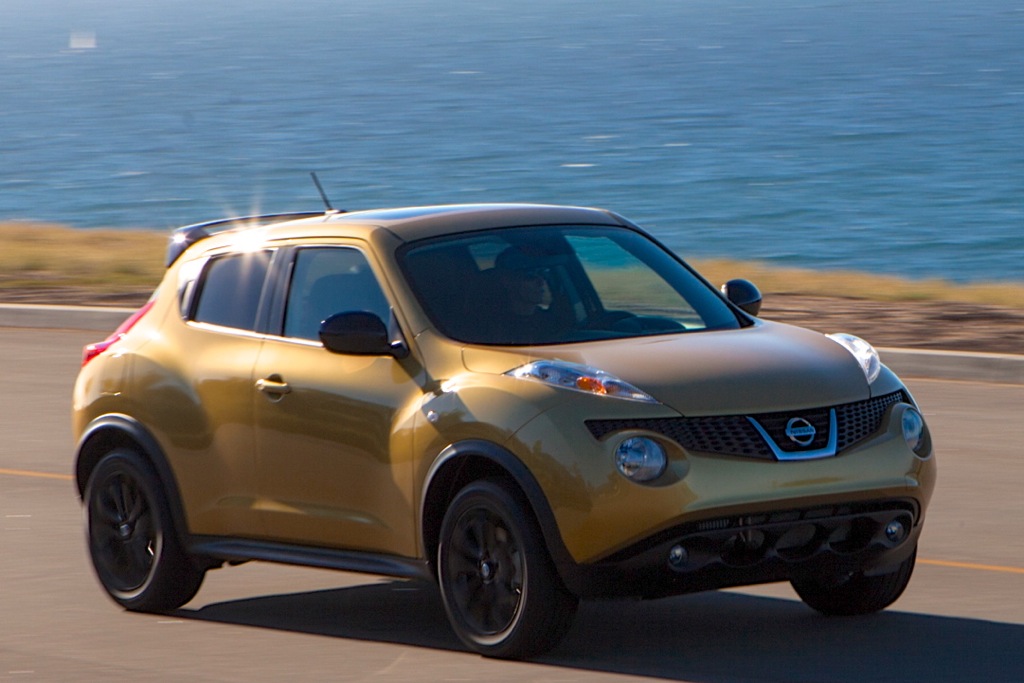
The Nissan Juke – “This little urban runabout offers a low, car-like ride height for easy in and out, especially via the large rear hatch. A combination of coupe, crossover and hatchback, the Juke offers just the right amount of size and utility for small-to-medium dogs that ride in carriers. Tether down the crate, and get out of the city for the weekend!”
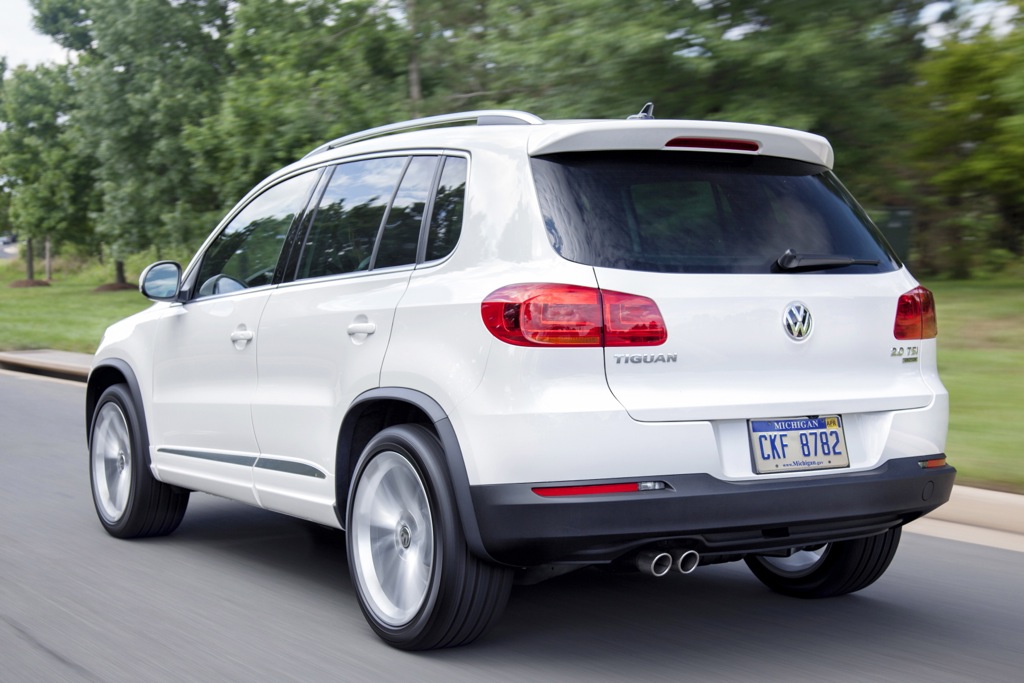
The Volkswagen Tiguan – “got its name by combining the words tiger and iguana, so the car’s sure to be pet-friendly. The Tiguan is a lot like the Nissan Juke: compact on the outside but deceivingly spacious within. The rear seats fold flat, making room for pets of almost any size, and an optional dog barrier keeps your pet safely contained where it can’t distract you.’
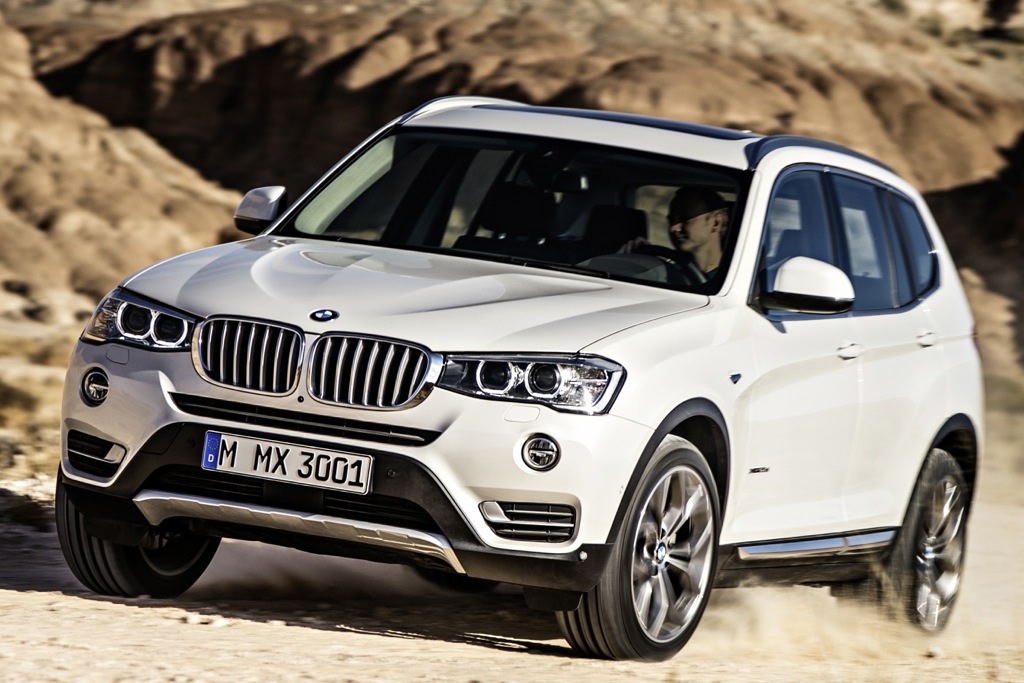
The BMW X3 – “Well proportioned, upscale and athletic, the BMW X3 maximizes canine comfort with soft, heated leather seats, a sunroof and rear climate control. The cargo area is the right size for small- to medium-sized dogs, and for dogs that like to play in the snow, the X3’s AWD system makes winter driving virtually worry-free.”
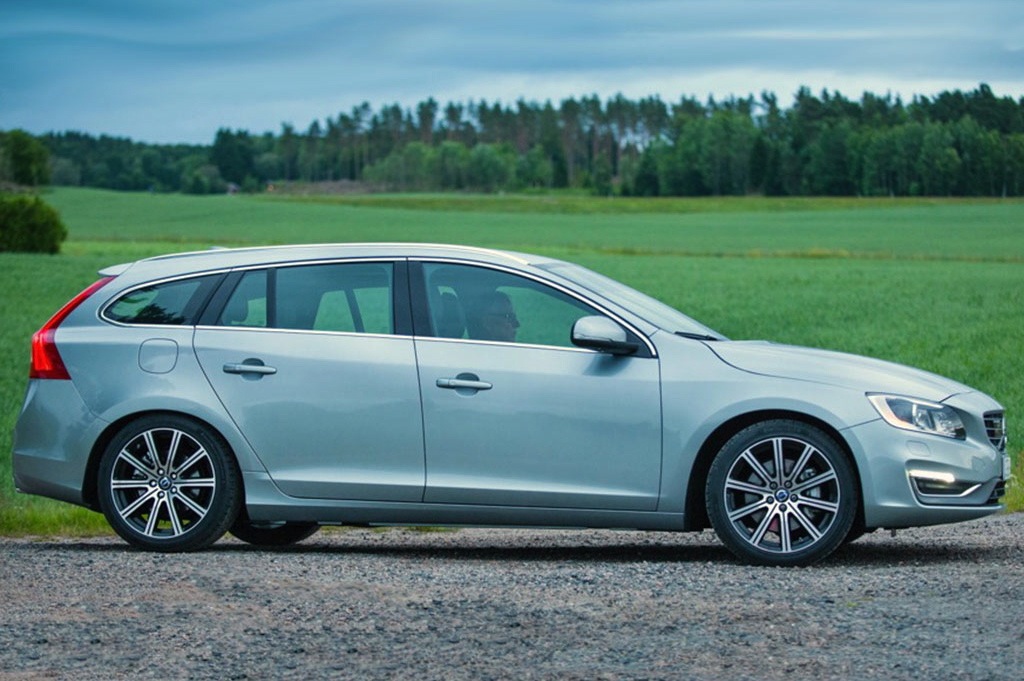
The Volvo V60 – “offers a spacious cargo area, lots of utility, rear climate control and one of the safest passenger compartments available. If crash safety is your top concern, the V60 is your best choice here. Rear tie-downs make harnessing your pet carrier easy. If you don’t use a carrier, then go with the optional dog barrier.”

The Kia Soul – “This stylish urban cruiser offers rear-seat heat and an extra-large panoramic roof for lots of sunlight. Its boxy and efficient shape also allows for plenty of headroom, so even though the Soul is compact, it comfortably accommodates big and tall dogs. The large rear hatch is also a plus for quick entry and exit.”
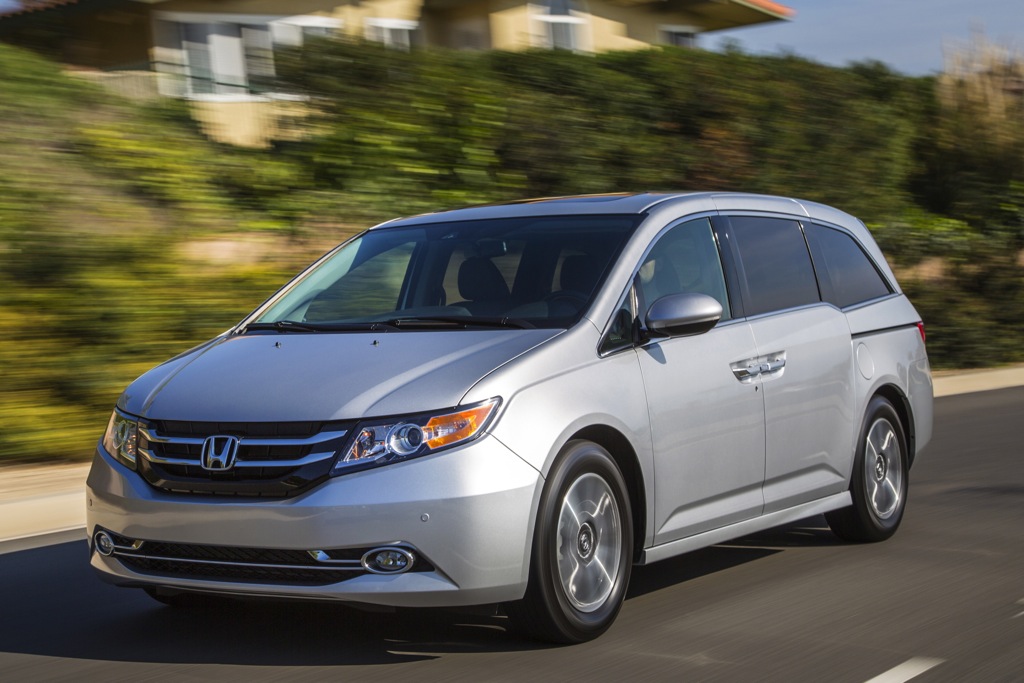
The Honda Odyssey – “has it all when it comes to driving with your dog. There’s a wealth of room, comfortable seats, rear ventilation, underfloor compartments and even a built-in vacuum. For dogs that shed excessively, this innovative vac system lets you clean up quickly and effectively. The Honda Odyssey also has side window shades that can help keep your dog from getting too hot while traveling.”
Posted in dog care, products for dog lovers
Tagged amenities, Auto Trader, BMW X3, car, climate control, Honda Odyssey, Kia Soul, Nissan Juke, pet carriers, Subaru Outback, Volkswagen Tiguan, Volvo V60
 Adventures at Run A Muck Ranch
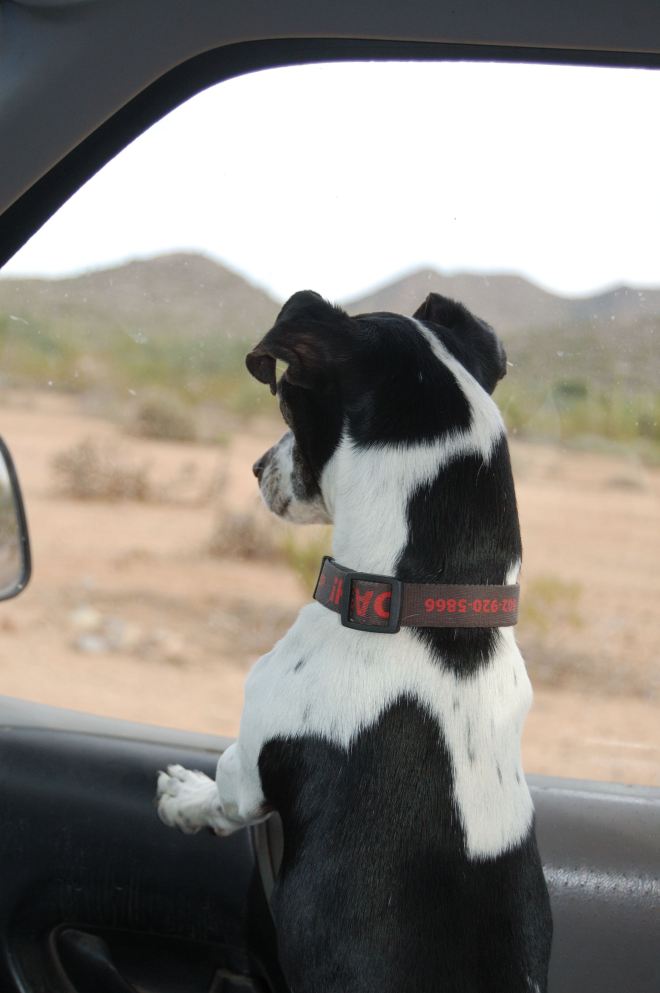 DASH! in route to his special DASH! and Mom only walk. Sometimes I think it’s the ride and not the walk that he gets most excited about.
Never forget that often times it’s not the destination, but the journey. Whether it’s to the gas station or visiting with friends, no dog would pass up the opportunity to go for a ride. Don’t waste opportunities.
Posted in Uncategorized
One of the good things about the Christmas holidays is that there are more family-friendly movies on television. Last night, I was able to watch Hachi: A Dog’s Tale for the first time.
This movie, starring Richard Gere, was released in 2009 but didn’t make it to movie theaters in many countries including the USA, as I understand it.

Gere plays a professor who finds Hachi, the Akita pup, on the train platform one night. The puppy had been in transit to an unknown location and the tag was torn off his cage.
There is an instant attraction, and Gere’s wife comes around to the fact that the dog and her husband are good for one another. Hachi begins to follow the professor to the train station each day, returning in the late afternoon to meet him for the return trip home. When the professor dies suddenly at work one day from a heart attack, Hachi continues his daily trips to the train station.
The loyal dog does this every day for over 10 years, and in the process becomes something of a local celebrity.
At the end of the film, we learn that the real Hachikō was born in Ōdate (Japan) in 1923. After the death of his professor/owner in 1925, Hachikō returned to the Shibuya train station the next day and every day after that for the next nine years before passing away in March 1934. His loyalty has been commemorated with a statue at the station.
I thoroughly enjoyed this film and recommend it for hiring on DVD.
And wherever you are these holidays, I hope that you are enjoying the company and loyalty of your dogs.
Kathleen Crisley, specialist in dog massage, rehabilitation and nutrition/food therapy, Canine Catering Ltd, Christchurch, New Zealand
Posted in Dogs, dogs and mourning
Tagged A Dog's Tale, Akita, Hachi, Hachiko, Richard Gere, train station

Dr. Alistair Humphrey and his talented singing dog Chester, an 8 year old Cairn Terrier. Photo by David Walker/Fairfax
Chester, a local Cairn Terrier owned by Dr Alistair Humphrey who is Canterbury Medical Officer of Health, sings along to Silent Night.
Chester, the talented terrier sings carols | Stuff.co.nz
Merry Christmas!
Kathleen Crisley, specialist in dog massage, rehabilitation and nutrition/food therapy, Canine Catering Ltd, Christchurch, New Zealand
The dogs and residents of Prescott, Arizona got an early Christmas present this month: the opening of the Willow Creek Dog Park after $500,000 in expert renovations.

The Willow Creek Dog Park has a firefighting theme to honor 19 Granite Mountain Hot Shot firefighters that died last year fighting a wild fire
Linda Nichols, a Prescott resident, entered the park idea in Beneful’s Dream Dog Park contest and won.

This canine play equipment has a fire engine theme (Photo by 12 News)

What a wonderful Christmas present for all of the dogs in Prescott. Enjoy!
Kathleen Crisley, specialist in dog massage, rehabilitation and nutrition/food therapy, Canine Catering Ltd, Christchurch, New Zealand
Perhaps not the most festive of postings for this time of year…but researchers from the University of Tübingen and the Senckenberg Center for Human Evolution and Paleoenvironment has revealed that dogs that lived 30,000 years ago ate reindeer as a staple in their diet.

Předmostí I is an exceptional prehistoric site located near Brno in the Czech Republic. Around 30,000 years ago it was inhabited by people of the pan-European Gravettian culture, who used the bones of more than 1,000 mammoths to build their settlement and to create ivory sculptures. Did prehistoric people collect this precious raw material from carcasses – easy to spot on the big cold steppe – or were they the direct result of hunting for food? This year-round settlement also yielded a large number of canids remains, some of them with characteristics of Palaeolithic dogs. Were these animals used to help hunt mammoths?
To answer these two questions, Tübingen researcher Hervé Bocherens and his international team carried out an analysis of carbon and nitrogen stable isotopes in human and animal fossil bones from the site. Working with researchers from Brno and Brussels, the researchers were able to test whether the Gravettian people of Předmostí ate mammoth meat and how the “palaeolithic dogs” fit into this subsistence picture.
They found that humans did consume mammoth – and in large quantities. Other carnivores, such as brown bears, wolves and wolverines, also had access to mammoth meat, indicating the high availability of fresh mammoth carcasses, most likely left behind by human hunters.
Surprisingly, the dogs did not show a high level of mammoth consumption, but rather consumed essentially reindeer meat that was not the staple food of their owners. A similar situation is observed in traditional populations from northern regions, who often feed their dogs with the food that they do not like. These results also suggest that these early dogs were restrained, and were probably used as transportation helpers.
Source: AlphaGalileo press release







 DoggyMom.com