“And finally, thanks to my dear Moochie, muse and companion, the best dog any writer ever had…Moochie, I hope that wherever you are, you can catch every cat you chase, that you can get to every chicken wing you find, and that nobody complains when you wake them up in the middle of the night and pretend you have to go out just so you can nudge them out of the warm spot in the bed. I was so lucky to be your person.”
– Author Jennifer Weiner in the Acknowledgements of her book, The Summer Place
A photograph of Moochie, from Jennifer Weiner’s Instagram account
I’ve just read this piece by Dr Mia Cobb of the University of Melbourne and had to share it. Thankfully, it was published under a Creative Commons license to enable re-publication with citation.
But something has changed globally over the last year, and it has big implications for dogs worldwide.
This rapid cascade of bans signals something much bigger. Picture: Getty Images
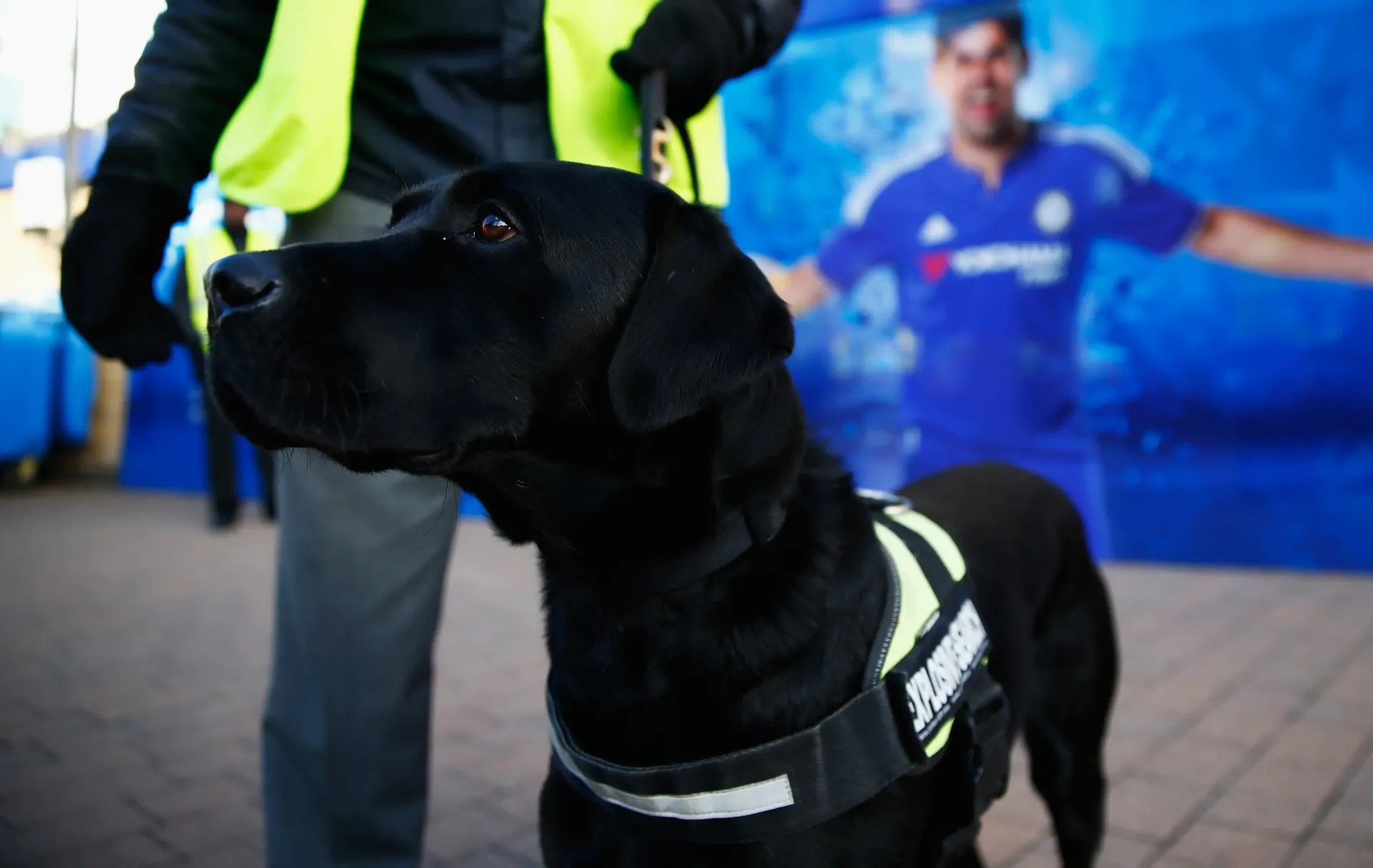
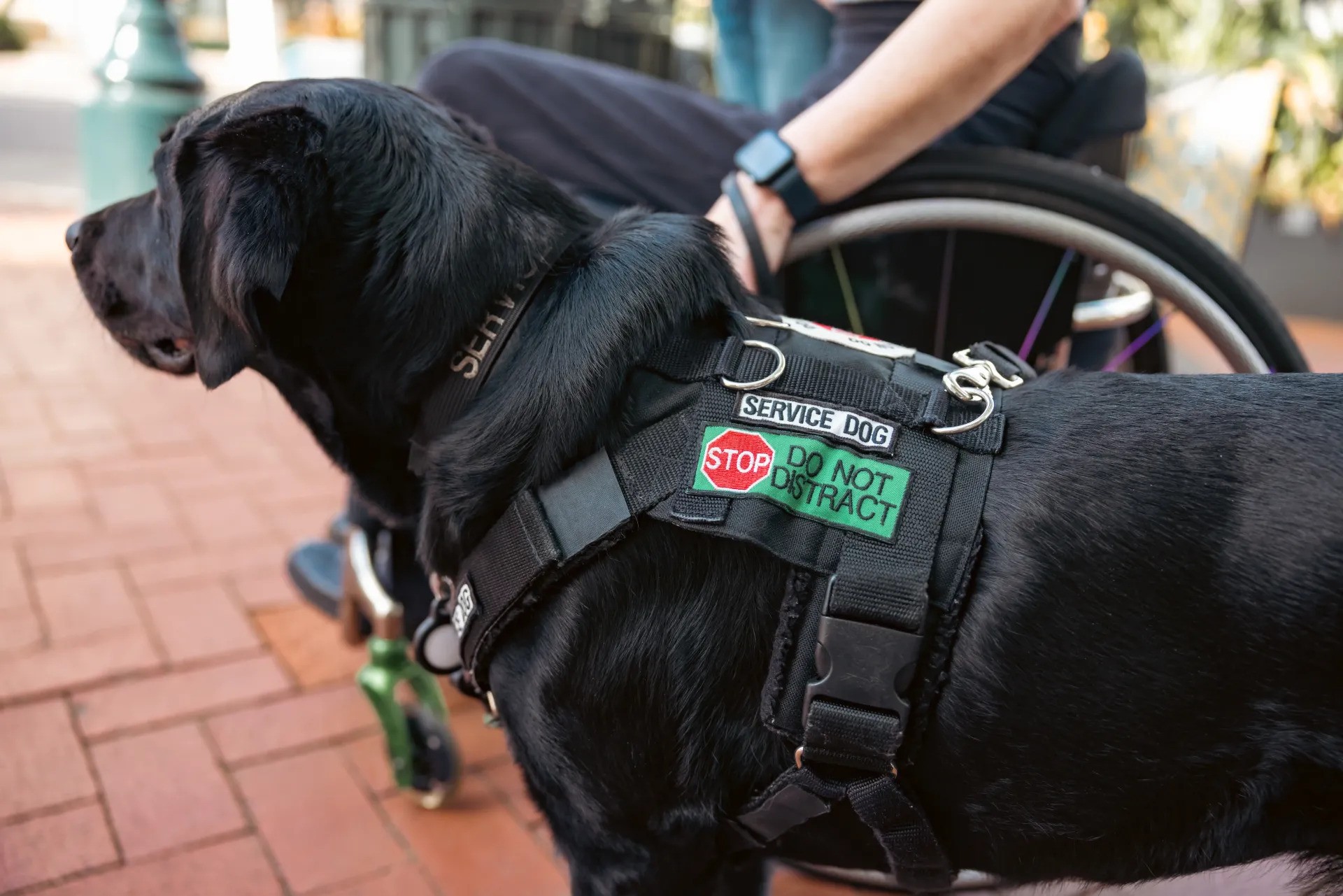
But what does this mean for the other dogs in our lives? The detection dogs in our airports, the dogs assisting people with disabilities, those supporting students in our schools or even the dog asleep on your couch?
We may donate to assistance dog charities, watch border detection programs on TV and admire search-and-rescue teams helping in disaster zones without considering what daily life looks like for these canine workers.
As people become increasingly conscious about animal treatment, from farm animals to those in entertainment, this awareness is expanding to include all the ways we ‘use’ dogs.
Our expanding awareness of animal treatment now includes all the ways we ‘use’ dogs. Picture: Getty Images
The recent greyhound racing collapse demonstrates how quickly public support can evaporate when welfare concerns aren’t adequately addressed.
Consider the contrast between those who embrace scrutiny versus those that resist it.
Some organisations or operators working with dogs proactively demonstrate their welfare standards, welcome independent oversight and engage openly with concerns. Others operate behind closed doors or respond defensively when questions arise about how their animals are bred, reared, housed, trained and rehomed.
Those thriving under increased public attention share common approaches: they treat welfare as a core priority rather than a compliance exercise, even when it means making major changes to the way in which they operate (for example, their training methods or the equipment used).
They also understand that genuine transparency builds public trust in ways that defensive responses never can.
But there’s an important distinction between real change and ‘welfare washing’ surface-level improvements designed more for public relations than to genuinely assure animal wellbeing.
The public is becoming increasingly sophisticated at spotting the difference.
The speed of recent racing bans – three jurisdictions in around 18 months – shows how rapidly momentum can build once public opinion shifts.
What earning trust looks like
The organisations embracing increased welfare scrutiny share common characteristics.
They proactively demonstrate care standards rather than waiting for pressure. They welcome independent monitoring and engage genuinely with concerns rather than dismissing them.
There’s a reframing from dogs as tools we use to co-workers we partner with. Picture: Getty Images
Most importantly, they recognise that working with dogs comes with profound responsibilities.
This reframing, from dogs as tools we use to co-workers we partner with, means ensuring dogs have agency in their daily lives – the ability to make choices about when to rest, opportunities to be dogs rather than just workers and environments that offer them positive social and physical experiences.
It means transparency about career length, retirement plans, injury rates and living conditions. It means treating welfare as a core business priority, not a public relations exercise.
The dogs supporting our lives
International Dog Day provides an annual opportunity to shine a spotlight on all the dogs we rely on in our lives, not just our pets at home.
t’s a chance to ask: are we caring for these animals as well as we can?
The greyhound racing industry’s decline shows what happens when the answer is unclear or unconvincing.
Public trust, once lost, is extraordinarily difficult to rebuild, especially when alternatives exist that don’t rely on the use of real animals.
Everyone relying on dogs should be asking themselves: if public attention suddenly focused on our operation tomorrow, would we welcome that scrutiny? Can we demonstrate genuine care for our animals’ wellbeing, not just their productivity?
The dogs supporting our lives – whether working at airports, guiding people safely across roads or living as companions in our homes – deserve nothing less than our full consideration of their wellbeing.
Are we caring for these animals as well as we can? Picture: Getty Images
And as the racing industry is discovering, the public increasingly expects to see proof of that care, not just promises.
They’ll be part of building a sustainable future where our partnerships with dogs are genuinely rewarding for both species. Those who can’t may find themselves wondering how something that seemed so permanent could disappear so quickly.
The choice is theirs to make – but the window for making it may be narrower than they think.
Some insect-based pet foods may not meet nutritional guidelines and may contain species not listed on the label. Researchers at Ghent University in Belgium evaluated the nutritional adequacy of insect-based dog and cat foods and found potential gaps in quality control and labeling accuracy.
The researchers analyzed 29 insect-based pet food products available in European pet food retail outlets. All the products were marketed as complete and balanced and included 24 for dogs and five for cats. These included foods designated for different life stages: four for growth, 17 for adult maintenance, and three for all life stages for dogs; two for adult cats and three for all life stages. Researchers assessed composition, essential amino acid profiles and minerals, such as calcium, phosphorus, potassium, magnesium, copper, iron, zinc, selenium, mercury and molybdenum.
Results showed that 76 percent of the products tested did not comply with their declared nutritional values, with some falling outside acceptable tolerances. When evaluated against nutritional recommendations, only three products (10 percent) met the standards set by the European Pet Food Industry Federation (FEDIAF), while 17 (59 percent) met guidelines from the National Research Council. Just one product fulfilled both its label declarations and FEDIAF recommendations. Nine products (31 percent) had discrepancies in two or more nutrient categories. Common issues included misreported crude fiber levels and metabolizable energy content. Deficiencies were found in selenium, calcium, phosphorus, and taurine, as well as improper calcium-to-phosphorus ratios, all of which could compromise pet health.
Undeclared species in insect-based pet foods
Pets with allergies to mammal or bird meats may be able to tolerate insect proteins, creating a market for insect-based pet foods as hypoallergenic. To evaluate this, the researchers used genetic sequencing on 20 insect-based products labeled as hypoallergenic to detect the presence of mammal or avian DNA. While 75 percent complied with their stated ingredient claims, five contained DNA from undeclared animals, which could present risks for pets with food sensitivities or allergies.
“Despite the potential benefits of insect-based pet foods, this study underscores the need for further research and stricter quality control to ensure safety and efficacy, ultimately improving pet nutrition and consumers’ trust,” the researchers wrote in the Journal of Insects and Food and Feed.
A new study has found that having a pet dog or cat can slow down cognitive decline.
Stock image of a puppy looking at its owner. Credit : Getty
NEED TO KNOW
A new study has found that having a cat or a dog may have a “protective factor” over cognitive abilities as you age, helping to “slow down” mental decline
The study looked at 18 years of data in adults over 50 and found a “slower decline in multiple cognitive domains” for dog and cat owners
Having a fish or a bird didn’t have an impact on cognitive abilities, the study found
The type of pet you have can impact how your brain ages — and dogs and cats have a “protective factor” that can “slow down cognitive decline.”
Dog and cat owners saw improved brain health — more than those who had birds or fish, or no pets — according to a new study, published in Scientific Reports, that used 18 years of data on cognitive decline in adults over 50.
“Both cat and dog owners experienced slower decline in multiple cognitive domains — dog owners in immediate and delayed recall, cat owners in verbal fluency and delayed recall,” the study found. “Fish and bird ownership had no significant association with cognitive decline.”
“Several explanations may help explain the absence of this association in fish and bird owners, despite the reports of their ownership’ positive influence on wellbeing in ways that are usually associated with cognitive benefits,” study author Adriana Rostekova, from the University of Geneva’s lifespan developmental psychology research group said, per The Guardian.
The study theorized that the shorter lifespan of a bird or fish impacts “the level of emotional connection,” due to “frequently having to deal with the pet’s death.” The study also pointed out that birds can be incredibly loud: “Bird ownership may negatively affect the owner’s sleep quality due to the increased noise levels, which has been shown to be associated with cognitive decline.”
But the very nature of owning a cat or a dog may help the brain stay healthy, Rostekova explained: “There is also a possibility of increased social stimulation facilitated by cats and dogs, which may be linked to the slower cognitive decline experienced by their owners: an increased frequency of social interactions when accompanied by a dog – or for cats, a substitute for a social network.”
The study says that, since “dog and cat ownership might act as a protective factor aiding to slow down cognitive decline, thus contributing to healthy cognitive [aging],” these findings could help inform policies on healthy aging, specifically to make veterinary care or pet insurance “more accessible to older adults” — as well as advocate for “animal-friendly senior housing options, such as assisted living facilities or nursing homes.”











 DoggyMom.com