Author Archives: DoggyMom.com

Legislators ponder bill that would let many Maine renters keep pets

Lawmakers are weighing whether to enact a law that would require public housing agencies in Maine to allow tenants to have one or more common household pets.

“We feel this bill will help to ease a significant burden many pet owners are currently facing,” said Katie Lisnik, executive director the Greater Androscoggin Humane Society in Lewiston.

“By increasing the number of rental units that are truly pet-welcoming, we can keep pets in the families where they are loved and cherished, as well as increasing the pool of families able to consider adopting a homeless animal in need,” Lisnik said.

A public hearing on the proposal this week delivered a wide range of opinions for the Legislature’s Labor and Housing Committee to consider. The proposal would impact many rental units that receive public funds.

Bruce Merrill of Auburn told the panel the bill “takes away even more rights from property owners” who are “responsible for keeping up with their properties and making sure the tenants live in harmony.”

“There are many reasons certain buildings should not have certain pets,” Merrill said. “Also many reasons certain tenants should not have pets.”

Merrill warned the measure “is a disaster in the making” and would contribute to the collapse of low-income housing availability.

But Robert Fisk Jr., founder and president of Maine Friends of Animals, said the law “should do all we can” to keep people and their pets together.

“Housing, moving and landlord issues are amongst the most commonly cited reasons for pet surrenders,” he said. “This bill helps mitigate it in low-income public housing where tenants love their pets like everyone else does.”

Lisnik said housing restrictions were directly behind about one in five of the animals surrendered to her shelter in the past year and are likely an underlying issue in other cases.

“For example, an animal may be surrendered because of ‘too many pets’ when an owner had to move and couldn’t find housing that would allow their large dog, or three cats,” she said.

“Mainers are a pet-loving people and firmly believe that pets are part of the family,” she said, pointing out that about half of Maine households have at least one cat. Nationally, she said, 75% of renters own pets.

“We feel this bill will help to ease a significant burden many pet owners are currently facing,” she said. “By increasing the number of rental units that are truly pet-welcoming, we can keep pets in the families where they are loved.”

Among those who see problems with the proposed law is Amanda Gilliam, director of property management with Avesta Housing, the largest nonprofit affordable housing provider in northern New England.

Gilliam said the measure would “create additional safety hazards for residents” and “increase operating costs for landlords at a time when there is an extreme shortage of safe, quality, affordable housing across the state of Maine.”

“Increasing costs makes viability a challenge for new and existing affordable housing projects,” she said. “There is a critical need for more affordable housing, and increasing operating costs is not the way to obtain it.”

Jon Ogletree of Belfast, who said he’s managed affordable housing complexes for more than a decade, told legislators that if the bill becomes law “I will go into another line of work.”

He said growing regulation is making it so difficult to manage affordable housing complexes that the entire system will implode if it keeps up.

Cullen Ryan, executive director of Community Housing of Maine, said he appreciates the bill allows landlords to impose pet deposit fees and reasonable rules for pets, but warned lawmakers that approving it will cause a broad array of problems and “have dire, unintended consequences.”

Robin Wells, a real estate attorney in Portland, told the panel it ought to approve the bill.

Wells said it “will further strengthen Maine’s commitment to affordable housing and companion animals, ensuring that all Mainers, including those who have made pets a part of their families, will be able to find appropriate housing for their entire family.”

Source: Sun Journal

Image

Doggy quote of the month for April

The Dogs of Graceland

On holiday in Tennessee, I visited Graceland yesterday. Another tick off my bucket list.

Whenever I travel, I (of course) look for things about dogs. According to Graceland’s official website:

Elvis had a number of dogs over the years. He had a Basset Hound named Sherlock, Great Danes named Brutus and Snoopy, and Edmund, a Pomeranian he gave to his aunt Delta, because the two bonded so quickly. Get Lo, a Chow, was another of Elvis’ dogs. He was once flown to Boston on Elvis’ small Jetstar plane to get treatment for a kidney ailment. He stayed in Boston for three months as he was treated, and then was flown home, where treatment continued. Sadly, Get Lo didn’t make it.

Elvis also had dogs he named Whoosh, Oswald and Michael Edwards, named after Elvis’ character in “It Happened at the World’s Fair.” Elvis shared his love for animals with his loved ones. He gave Gladys a tiny dog named Sweet Pea in 1956, and at Christmas 1962, when she was visiting from Germany, he gave Priscilla a puppy poodle named Honey.

What I liked about touring Graceland was the ‘hunt’ for dog-related items. This is what I found:

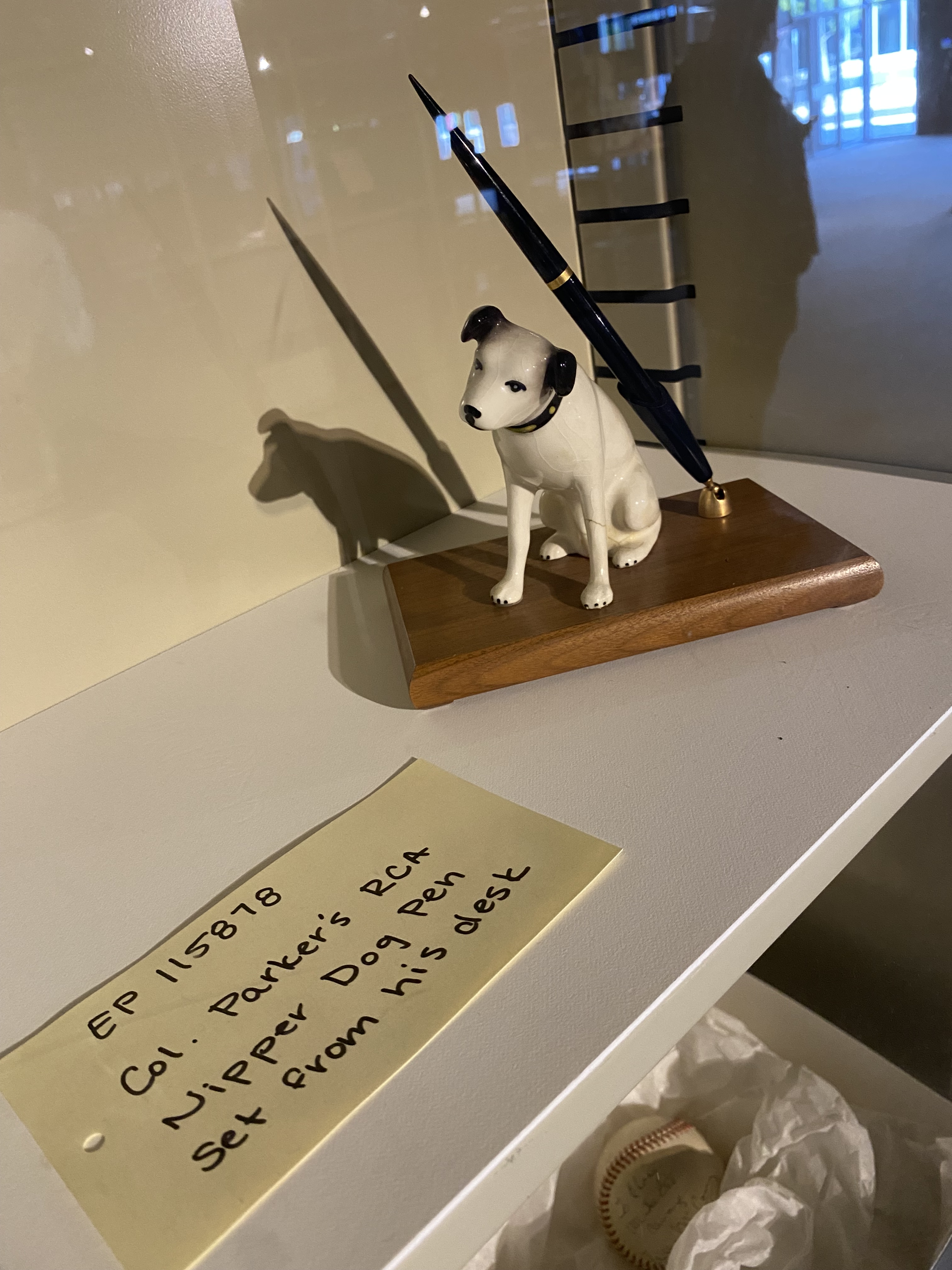
Colonel Tom Parker’s pen set, featuring Little Nipper the mascot of RCA Records. RCA purchased Elvis’ contract from Sun Records in 1955
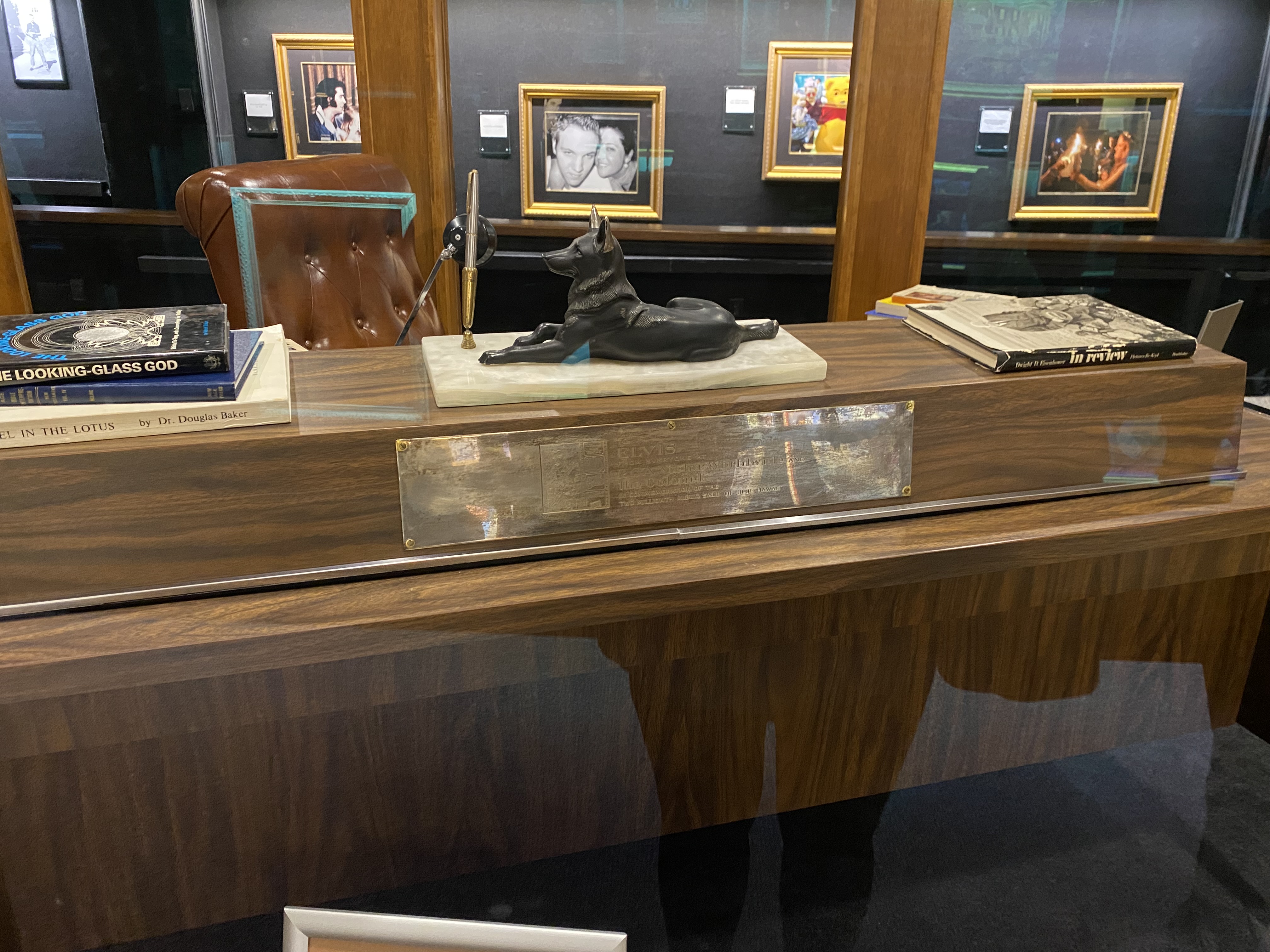
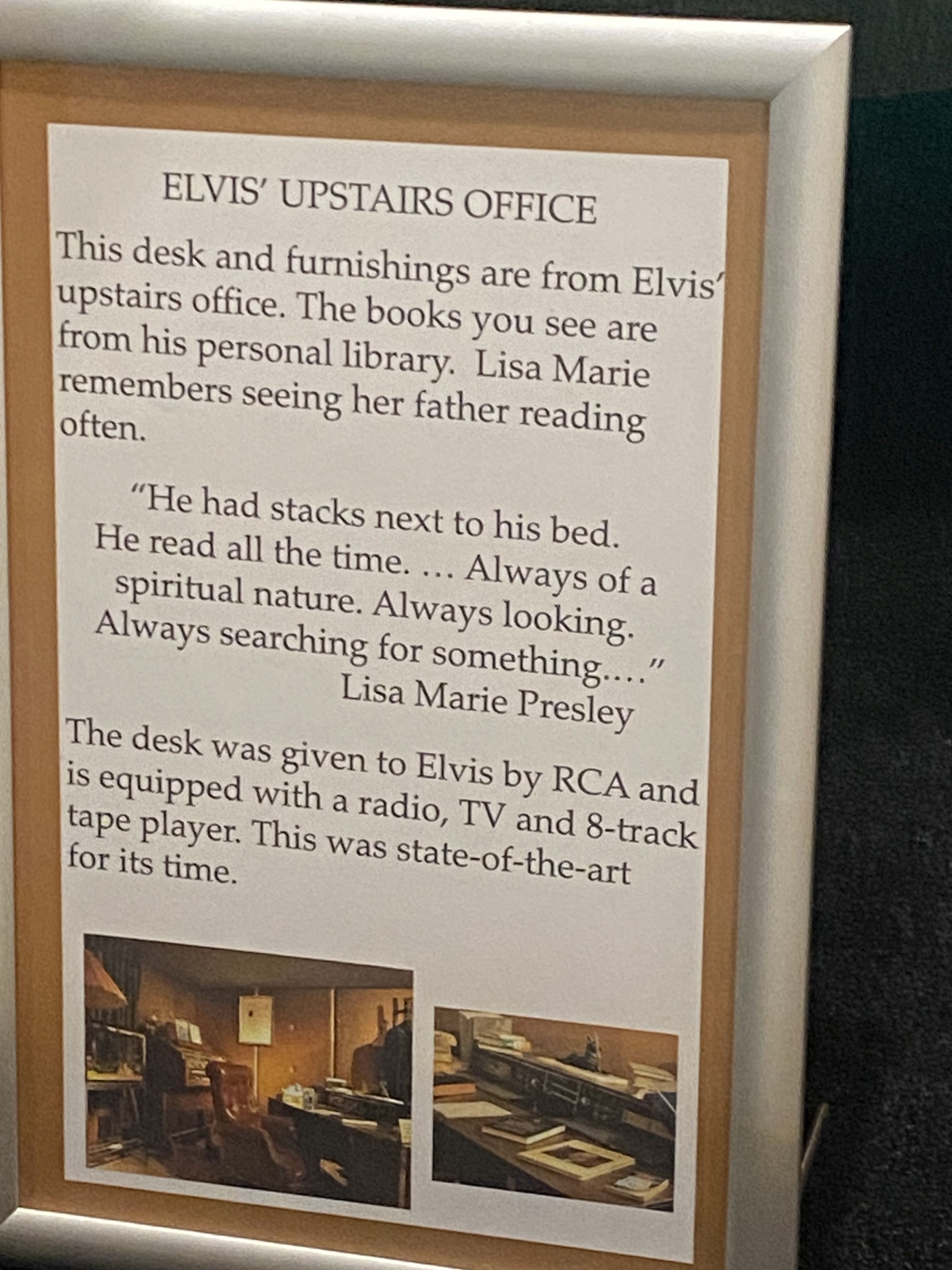
Another desk set with a dog – this one was from Elvis’ upstairs office at Graceland
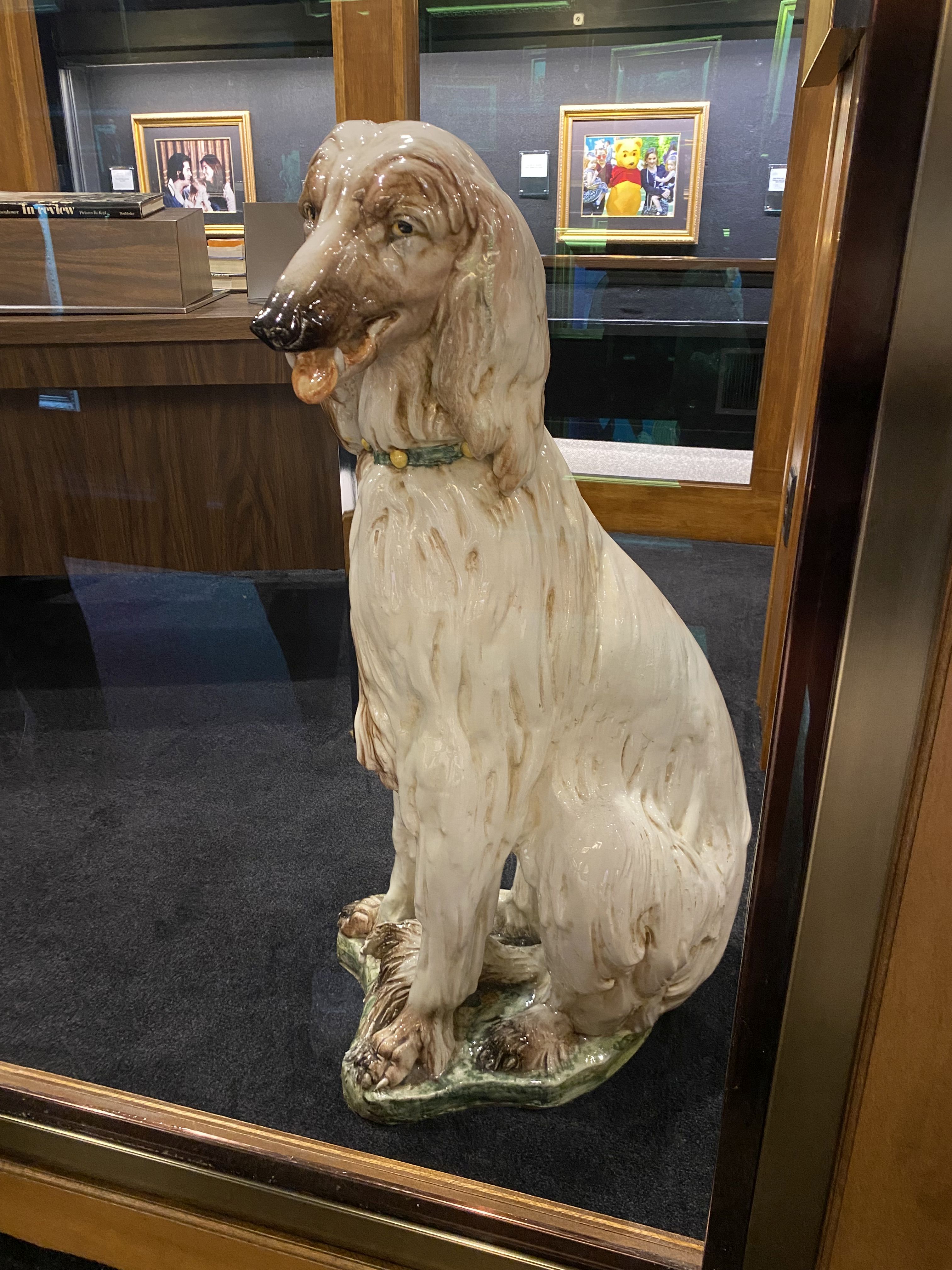
This dog statue was also in Elvis’ office

Kathleen Crisley, Fear-Free certified professional and specialist in dog massage, rehabilitation and nutrition/food therapy, The Balanced Dog, Christchurch, New Zealand

The Paws Off Act of 2023

On 30 January 2023, the Paws Off Act of 2023 was introduced in the House of Representatives. The bill would amend the Federal Food, Drug, and Cosmetic Act to require foods containing the chemical xylitol to be considered mislabeled unless the product has a warning label specifying its toxic effects on pets if ingested. Xylitol is increasingly found in foods like mints, baked goods, desserts, vitamins, and gum. A lack of proper labeling can often make it difficult for pet owners to determine which products, including those ingested by mistake, could be deadly to their pets.

“As a lifelong dog owner, I know that our pets play a cherished role in our lives, which is why it’s important we keep them safe,” said Rep. Schweikert. “It’s proven that millions of Americans are unaware of just how dangerous xylitol can be to their dogs. Today, I’m proud to reintroduce the bipartisan Paws Off Act to increase awareness of xylitol in household food products and keep our four-legged friends safe.”

“Thousands of American families own at least one animal, and it is important to ensure that households are properly informed of ingredients that threaten the lives of their pets,” 
said Rep. Fitzpatrick. “Data from the FDA shows that the vast majority of pet owners are not aware of the presence of xylitol, a chemical that is lethal to dogs, in basic household items. I’m proud to co-sponsor the Paws Off Act, which would improve labeling and protect our pets.”

“For too long our pets have been exposed to household products that contain chemicals such as xylitol that can be harmful in everyday instances,” said Rep. Waltz. “Introducing this legislation is a step towards protecting our pets at home and educating pet owners of risks in household products.”

“Pet owners in Arizona and across the country deserve to have access to critical safety information to prevent our loyal companions from being exposed to dangerous chemicals,” 
said Rep. Grijalva. “The Paws Off Act is a commonsense bipartisan safety measure that shines a light on xylitol, a dangerous chemical found in many common household items with potentially deadly consequences. With 58% of Arizonans owning a pet, they deserve full transparency to keep their furry family friends safe.”

“Ingesting xylitol poses potentially lethal risks to our pets, and raising awareness of those dangers is essential for preventing tragic outcomes,” said Rep. Krishnamoorthi. “As a dog owner, I’m proud to cosponsor this bipartisan legislation to help protect pets through ensuring proper labeling of household products that contain xylitol.”

“As a pet owner, I know they often eat things they’re not supposed to,” said Rep. Stanton. “Some common household products that are safe for their owners—like candy and toothpaste, which both may contain xylitol––can be lethal for dogs. I’m proud to introduce the Paws Off Act to help families keep their pets safe.” 

“This commonsense, bipartisan legislation highlights an issue we can all agree on – protecting the welfare of our furry friends and family members,” 
said Rep. Titus. “I’m glad to work with my Animal Protection Caucus colleagues to make sure dog owners are empowered to protect their pets from dangerous toxins and prevent avoidable tragedies.”

The American Society for the Prevention of Cruelty to Animals (ASPCA) animal poison control center has seen xylitol poisoning calls increase dramatically over the last 15 years. In 2018, the ASPCA registered 6,760 xylitol-related calls, more than 30 times the number of calls related to xylitol in 2005.

Source: Congressman David Schweikart media release

A response from the Minister for Racing

Following up on my previous post, the Minister for Racing, Kieran McAnulty, has responded about his report to Cabinet and release of the Racing Integrity Board report:

The ongoing improvement of greyhound welfare remains a priority for this Government. That is why the previous Minister for Racing, Hon Grant Robertson, initiated the Robertson Review into Greyhound Racing. It is also why, following the conclusion of the Review in July 2021, the industry was put on notice to make improvements.

I received the final report from the Racing Industry Board (RIB) on the greyhound industry’s progress in December 2022. This report will form the basis of my recommendation to Cabinet on the future of the industry, alongside consultation with the industry and animal welfare groups. The report will not be released publicly until it has been duly considered by Cabinet.

I had intended to present my findings to Cabinet in February 2023. However, this year’s significant weather events have made it necessary for the Government to deal with more pressing issues, and as such the greyhound paper has been delayed but will be presented at the first opportunity. I’d like to get it started and I acknowledge this uncertainty may be causing anxiety and intend to release a statement and contact key stakeholders within the next week to provide an update on next steps.

I am looking forward to hearing about what the Minister’s next steps will be.

Kathleen Crisley, Fear-Free certified professional and specialist in dog massage, rehabilitation and nutrition/food therapy, The Balanced Dog, Christchurch, New Zealand

The petition to ban greyhound racing in NZ

Towards the end of each calendar year, it seems that the NZ Government releases a lot of reports before staff take holidays for Christmas and the summer season. Unfortunately, this also means that the contents of these reports do not always get as much attention by the public and media that they should.

In late November 2022, the Petitions Committee issued its report on the petition of Aaron Cross from the Greyhound Protection League of New Zealand to ban commercial greyhound racing.

The findings of this report are sobering and worth highlighting:

One of our principal concerns about this petition is that the industry’s responses to problems have been slow and do not show that the welfare of dogs is the industry’s main consideration. For example, despite the Hansen recommendation in 2017 regarding straight racetracks, there are still no straight tracks.


We have heard that the industry has focused more on reducing greyhound deaths than on reducing injuries and improving the quality of care. This can result in ill or traumatised dogs that are not suitable for rehoming as pets. We are also concerned for other dogs that do not get into the rehoming programme.

We note that the industry does not have a long-term plan for dealing with the large number of dogs that need rehoming each year. Further, we are concerned at the lack of a plan to track and manage the overall population of racing greyhounds in New Zealand and at the possibility that the industry may be breeding and importing too many dogs. Population management was raised as an issue in the WHK report, the Hansen report, and the Robertson report. We think a carefully considered population plan is long overdue.


We were interested to hear about the RIB’s attention to kennel audits and we hope that they lead to improvements in dogs’ care. We urge the RIB and GRNZ to also look at changes that will reduce injuries.

We are disappointed by the lack of consistent information and we note that this issue has been identified as a focus area in the Greyhound Review. We are keen to hear whether the quality and consistency of data has improved between the time that we received submissions (autumn and winter 2022) and the RIB’s report due next month (December 2022).


The industry’s lack of good systems and data, and the absence of transparency, have been flagged many times in the past but we have seen minimal improvement. This reduces confidence in the industry’s social licence. We believe that investment in systems to provide high quality data is urgent, as one of the requirements for the industry to retain its social licence to operate.


We also urge the industry to ensure that all its people are aware of, and comply with, animal health and welfare requirements.


In our view, the removal of the SPCA from the health and welfare committee shows poor judgement of what is needed for the industry to keep its licence to operate. Shutting out an organisation that, while it opposes GRNZ’s work, is prepared to help it improve its practices, has worked against the industry.

Similarly, we consider the GRNZ comment that methamphetamine may have accidentally contaminated dogs to be disingenuous at best. It indicated a disregard for a real health and welfare problem. A more appropriate response would have been to immediately acknowledge and investigate the problem.


We note that the RIB said it was developing a new animal welfare team to support and monitor each racing code’s animal welfare policies and initiatives and to promote and ensure compliance with animal welfare standards. We would like to know what (if anything) delayed this initiative, and whether (and how) it improves the lives of greyhounds.


We have doubts about whether the greyhound racing industry still has a social licence to operate in its current form. We have serious concerns about the way the industry is operating at present. We urge the Government to be mindful of our comments when it considers the future of the greyhound racing industry following the RIB’s report in December 2022.

You can download a full copy of the Committee’s report here.


The current Government promised that the industry was ‘on notice’ for a period of one year. Racing Minister Kieran McAnulty has had another report about the industry from the Racing Integrity Board since December 2022. The issue of greyhound racing was to have been decided at the first meeting of Cabinet in February 2023.

With the change in Prime Minister thanks to Jacinda Ardern’s resignation and the Civil Defense emergency caused by Cyclone Gabrielle, the first Cabinet meeting of February was taken up with other business. But, it’s now mid-March 2023 and it’s time for Minister McAnulty to make a decision – and at a minimum publicly release the Racing Integrity Board’s report which has been kept confidential to this point.

I spoke to the Minister’s press secretary, Joanna Ramsay, this morning and asked for an update on when the Minister will be making a recommendation to Cabinet, and if/when he will release a copy of the Racing Integrity Board’s report.

Kathleen Crisley, Fear-Free certified professional and specialist in dog massage, rehabilitation and nutrition/food therapy, The Balanced Dog, Christchurch, New Zealand

Domestic dogs maintain positive clinical, nutritional, and hematological health outcomes when fed a commercial plant-based diet for a year

The first comprehensive study on the long-term effects of a plant-based diet for dogs has been completed by clinician-scientists at Western University of Health Sciences’ College of Veterinary Medicine. The key finding of the 12-month study is that a nutritionally complete plant-based diet, exemplified by the vegan dog food brand v-dog, can provide complete and balanced nutrition for dogs during adult maintenance life stage.

The study completed on v-dog was conducted by independent clinical researchers and was not commissioned by v-dog but instead represents an important contribution to the ongoing conversation about the health and environmental benefits of plant-based diets for companion animals. The study was presented on Monday, February 20th 2023, at the Western Vet Conference in Las Vegas.

“We’re thrilled to share the results of this groundbreaking study, which demonstrates that a nutritionally complete plant-based diet can maximize the health and quality of life for dogs and reduce carbon paw-prints,” said Darren Middlesworth, president and CEO of v-dog and v-planet, v-dog’s international brand. “The research underscores that a healthier, cruelty-free option for pet owners also has the potential to positively impact the environment and other animals. As ethical vegans first and a company second, we couldn’t be more proud to offer v-dog and v-planet as an innovative solution to these pressing issues.”

The study aims to raise awareness about the efficacy of plant-based nutrition for dogs and the impact of dogs’ dietary choices on the ecosystem. Key facts evidenced through the study include:

  • Pet food is responsible for nearly 1/3 of the environmental impacts from industrial animal production in terms of land use, water consumption, fossil fuel use, biocide production, and waste production.
  • Evolutionary adaptations enable dogs to optimize carbohydrate metabolism.
  • Commercially available canine plant-based nutrition (K9PBN) products in the US provide all the necessary nutrients for a well-balanced diet for adult companion dogs today.
  • Even canine endurance athletes were proven to maintain optimal performance on a meat-free diet.

This alternative diet demonstrates the health benefits for dogs with a significant, positive impact on the environment.

“As animal lovers ourselves, we’re thrilled to offer a complete and balanced plant-based diet for dogs that is backed by independent clinical research,” said Lindsay Rubin Carvalho, VP of v-planet. “This study reinforces what we’ve known all along – that a nutritionally complete plant-based diet can extensively provide health benefits and protection for dogs. Our mission is to offer the best nutrition for our furry family members while also promoting a more sustainable and compassionate world for all animals.”

V-dog and v-planet are in the business to save animals and preserve the planet. The brands are committed to ensuring their products meet the dietary standards and guidelines set forth by the Association of American Feed Control Officials for healthy dogs.

Source: Pet Age

Image

Doggy quote of the month for March

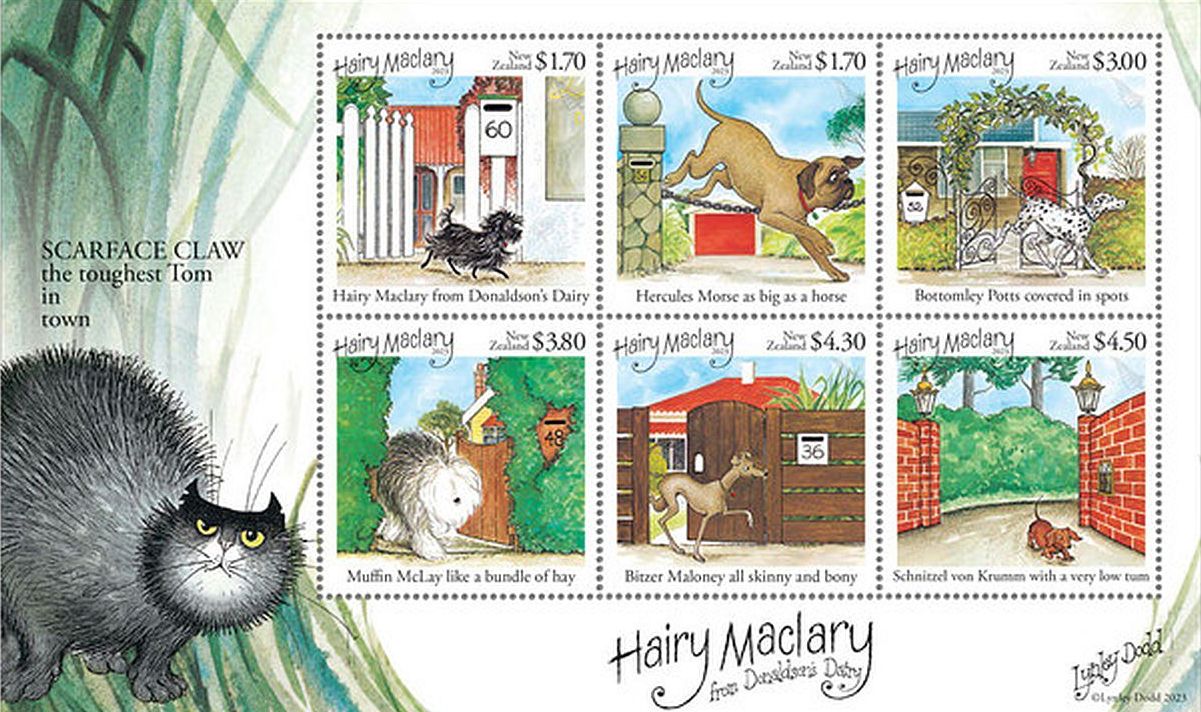
Marking Harry Maclary’s 40th anniversary

For Dame Lynley Dodd, a sketch of a dog on note paper started it all – 40 years ago.

Harry Maclary From Donaldson’s Dairy was first published in 1983. The book features Harry, a mixed breed dog who looks a lot like a Skye or Scottish Terrier (Dodd has said that he is a terrier mix) alongside his canine friends:

  • Hercules Morse, As Big as a Horse, a Mastiff
  • Bottomley Potts, All Covered in Spots, a Dalmatian
  • Muffin McLay, Like a Bundle of Hay, an Old English Sheepdog
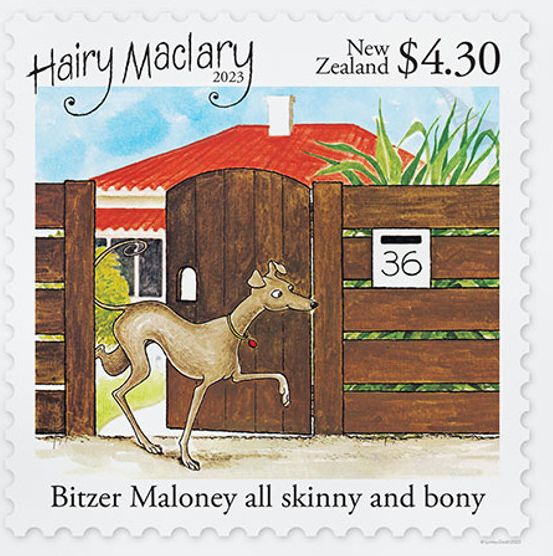
  • Bitzer Maloney, All Skinny and Boney, a mixed breed dog that is clearly part Greyhound     

and

  • Schnitzel Von Krumm, With a Very Low Tum, a Dachshund

Every Kiwi child knows this story! (with a further 19 books that followed the first).

NZ Post will release a series of commemorative stamps on 1st March to celebrate the 40th anniversary of this now classic children’s book. Can you guess which character is Sox’s favourite?

Kathleen Crisley, Fear-Free certified professional and specialist in dog massage, rehabilitation and nutrition/food therapy, The Balanced Dog, Christchurch, New Zealand

Why I decided to buy pet insurance

I see a lot of social media posts about pet insurance. Most ask for recommendations on insurers, whether pet insurance is worthwhile, and which policy is ‘best.’

Since every dog is different, and everyone’s financial position/lifestyle is different, the selection of a policy is very much an individual exercise. It’s fine to do your homework, but ultimately you have to make a decision. Here’s how I made mine:

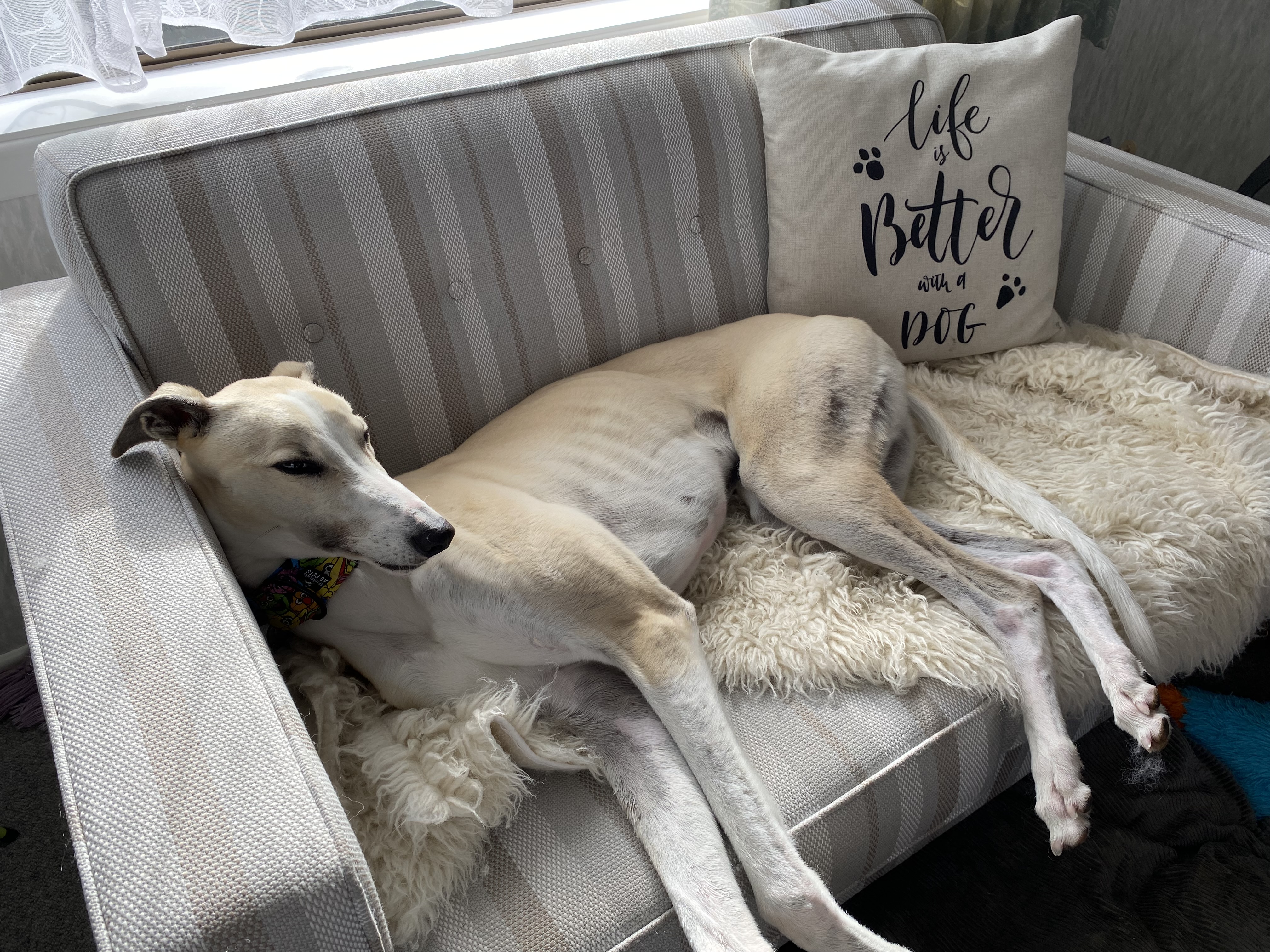
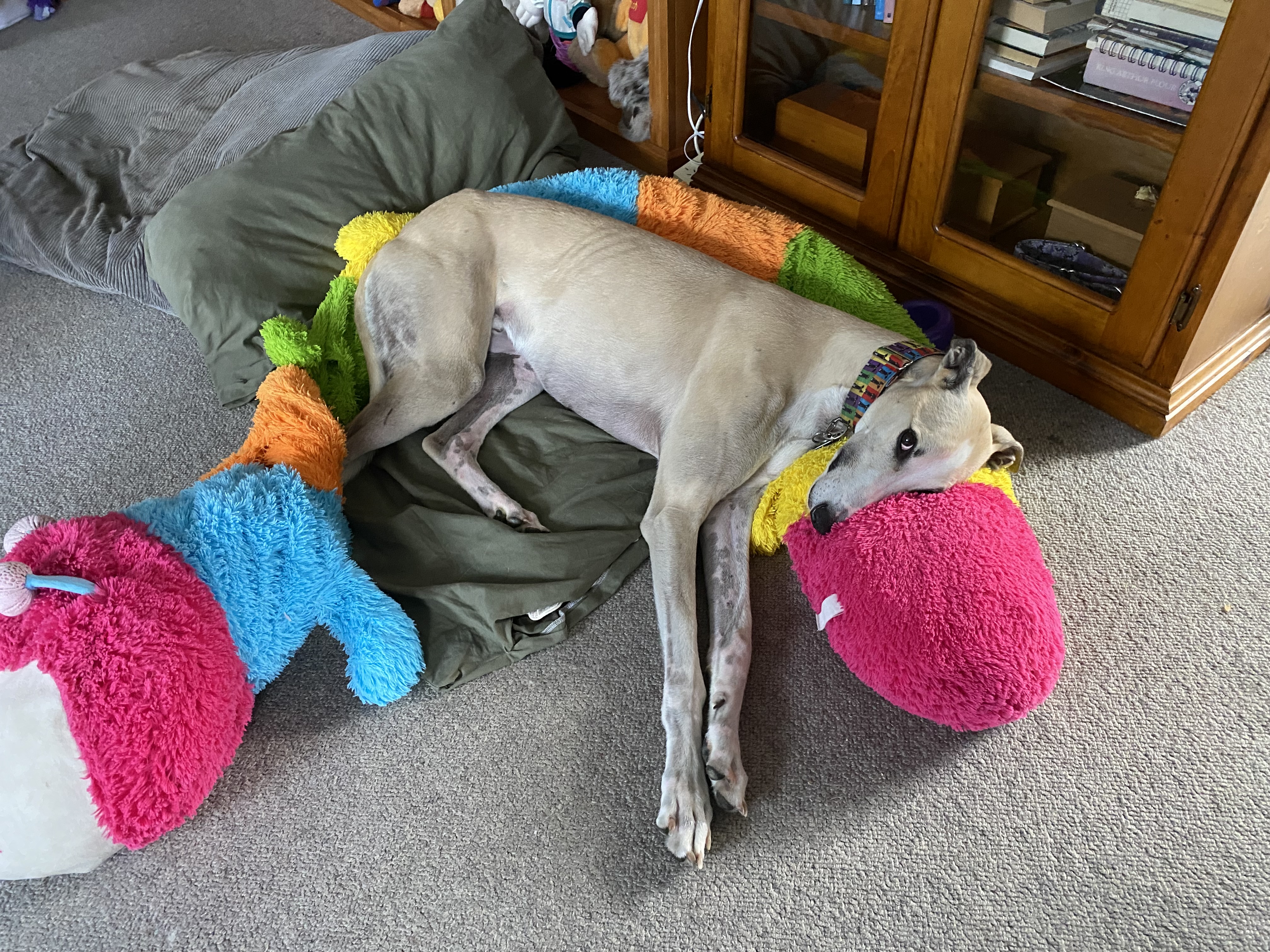
Sox came to me in March 2022. An ex-racing greyhound, like any adoption, he was an unknown quantity. Would he be healthy? Would he be accident prone? The risk of taking on a new dog is not knowing what the future holds.

To manage this risk, I decided on pet insurance with the idea that I would invest in a policy for at least a couple of years. By then, I would have more confidence in Sox’s health status and, most importantly, I wouldn’t face having certain conditions excluded as ‘pre-existing conditions.’

I used websites for all of the known pet insurers to run a policy quotation. I chose the most reasonable price with cover that was clearly understandable. Policy exclusions for dentals, for example, were understandable. There were substantive differences with the most expensive policy costing over NZ$1,500 per year. The one I chose was slightly more than $600 and with a $150 excess (deductible), bearing in mind that the larger the excess you are prepared to bear, the less the policy will cost you.

Good thing that I did.

Many greyhounds have upset tummies when they are re-homed. I kept Sox on what he was being fed at the kennels but he had regular bouts of a gurgly tummy and diarrhea every few days. It wasn’t fun for either of us. So I changed his food, then I tried a raw, chicken based diet, then tried another food, and so it went. After keeping a food diary, it was time to seek veterinary help.

He was wormed for 5 consecutive days to ensure that he didn’t have a deeply seeded whipworm infection.

He received Vitamin B shots for four weeks.

He had blood work.

He had an ultrasound.

He was diagnosed with Inflammatory Bowel Disease (IBD). And all of the costs, less the deductible (excess), have been covered

IBD is a lifelong condition, we can expect to have flare-ups. Sox is booked next week for a follow-up and blood test – which will be covered by his policy.

Kathleen Crisley, Fear-Free certified professional and specialist in dog massage, rehabilitation and nutrition/food therapy, The Balanced Dog, Christchurch, New Zealand