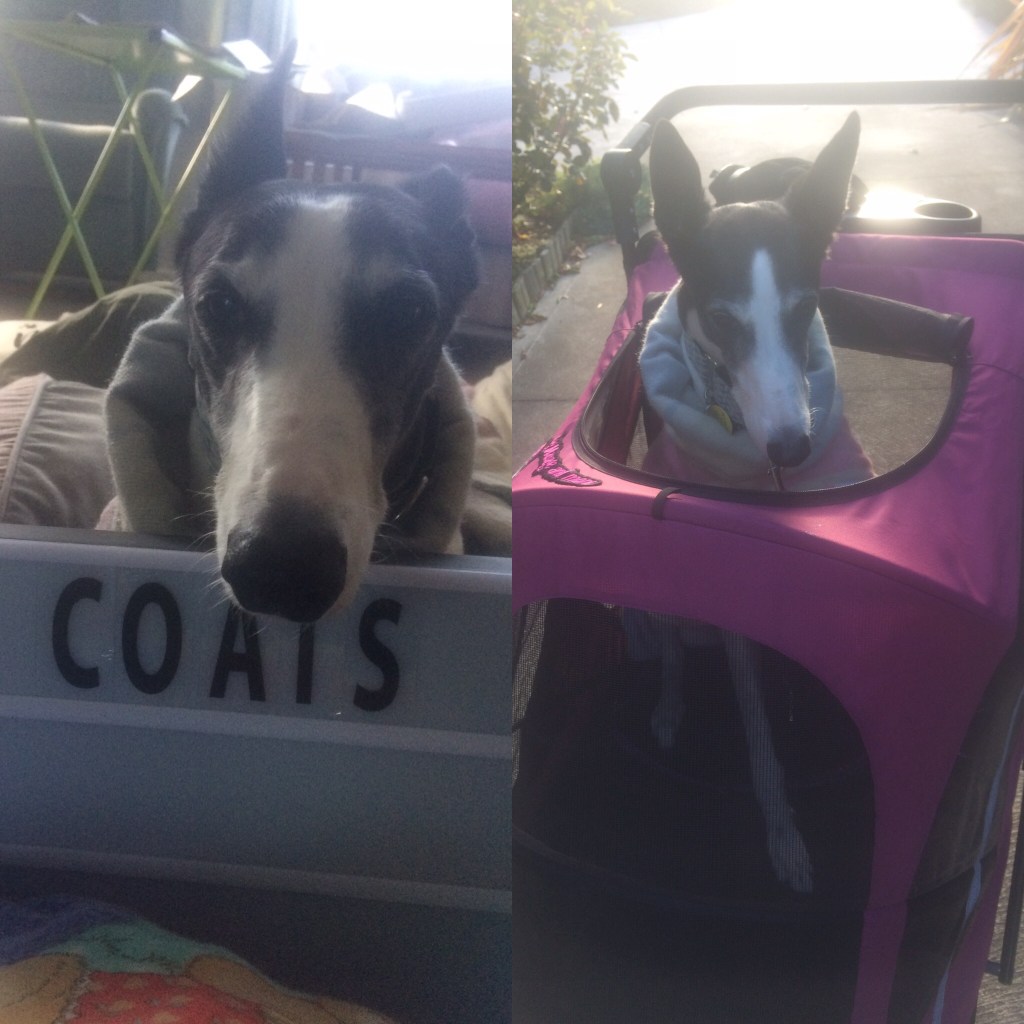
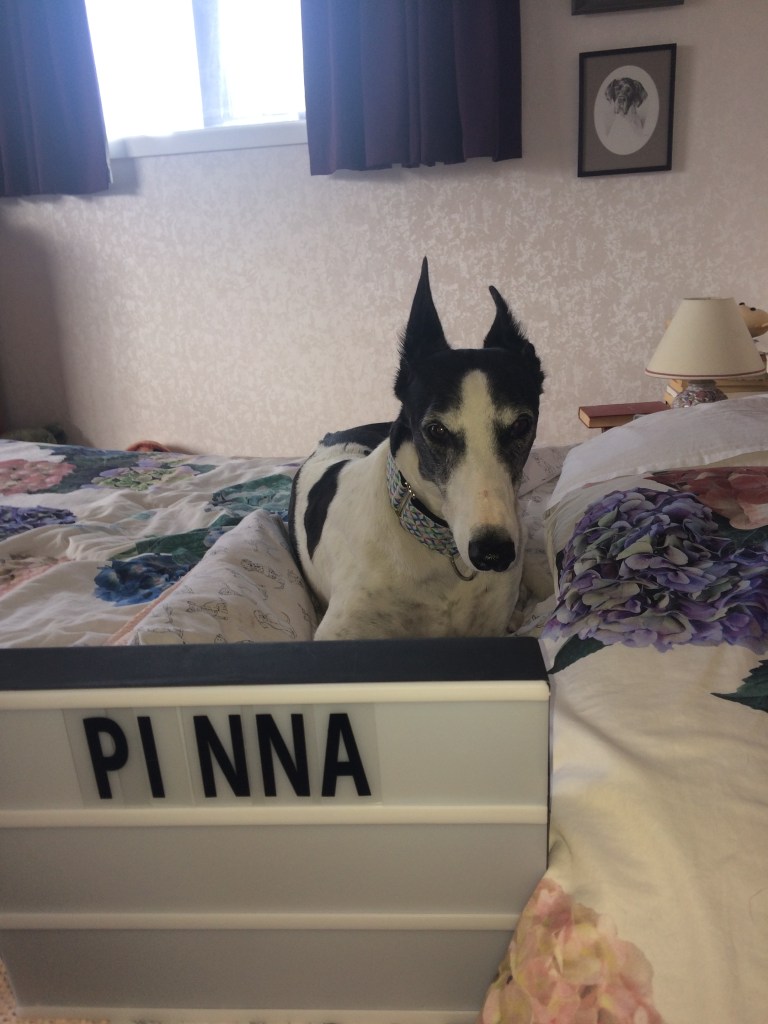
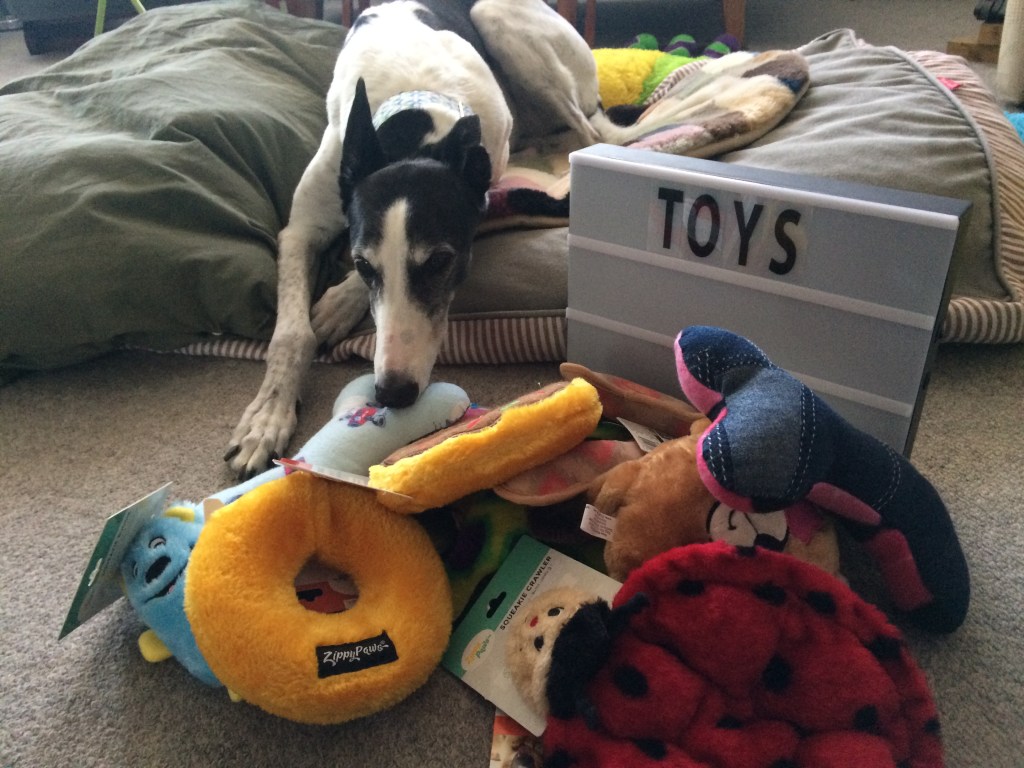
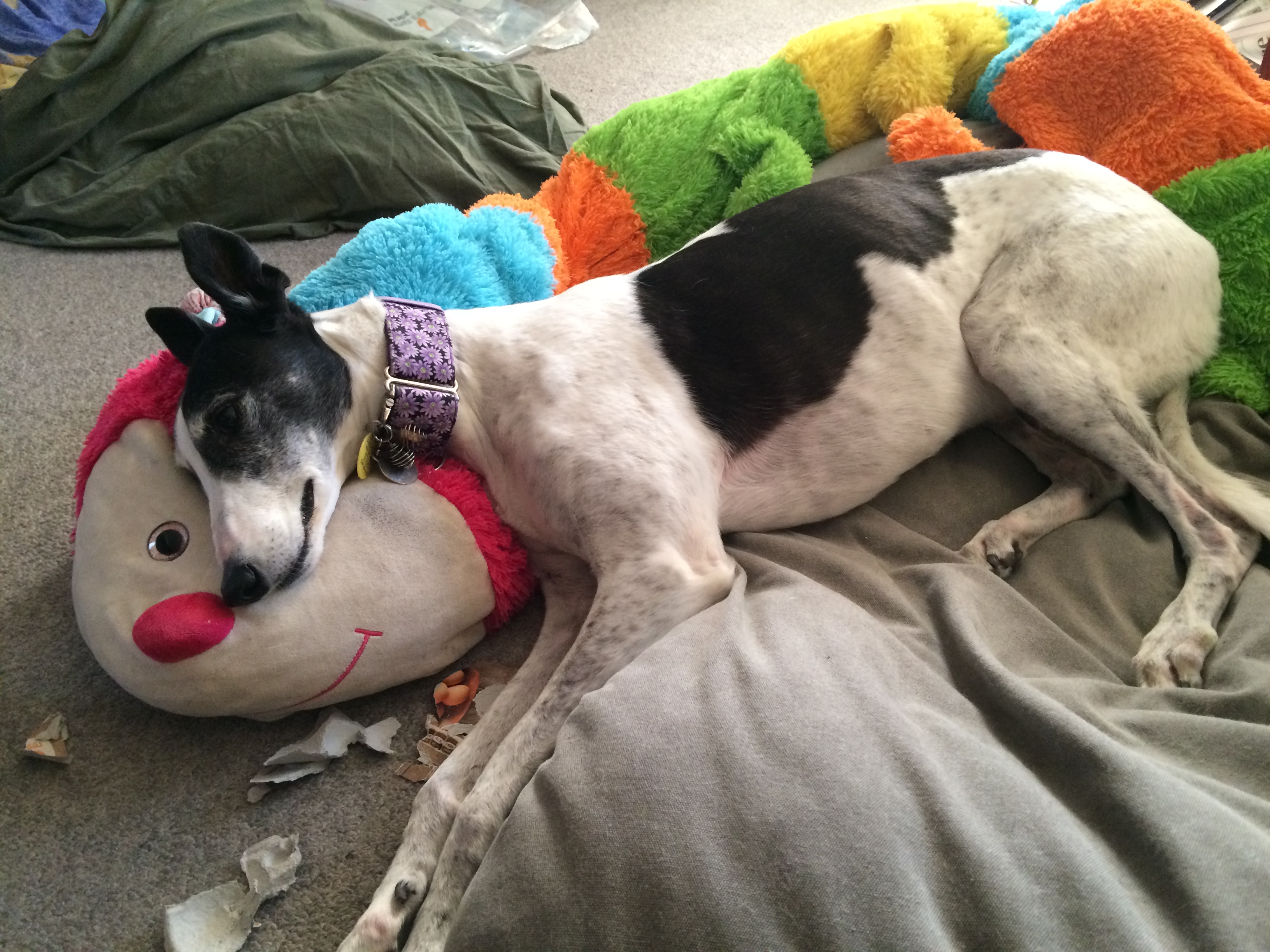
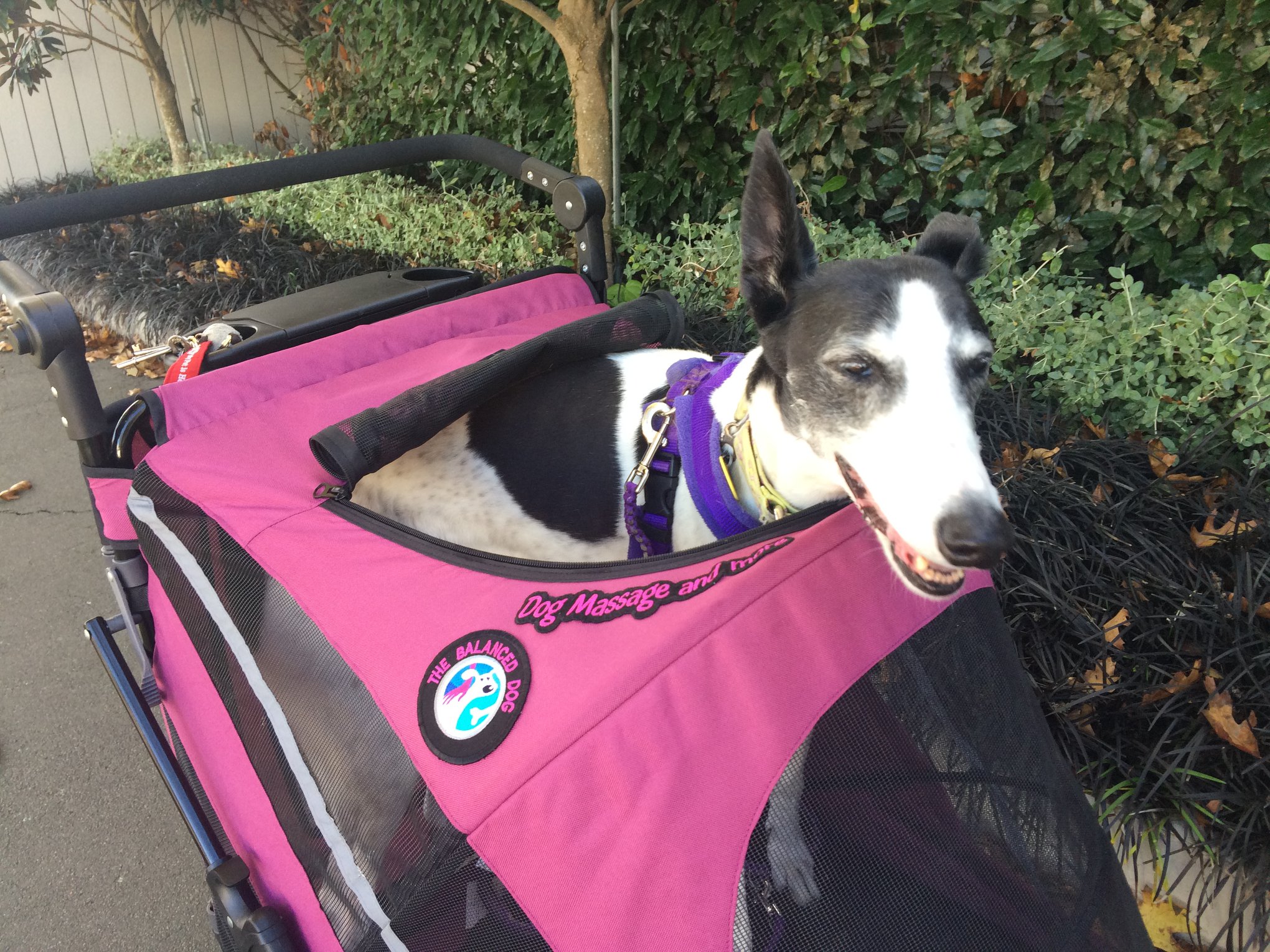
Izzy is my greyhound and Poster Dog for The Balanced Dog, my practice in Christchurch, NZ.
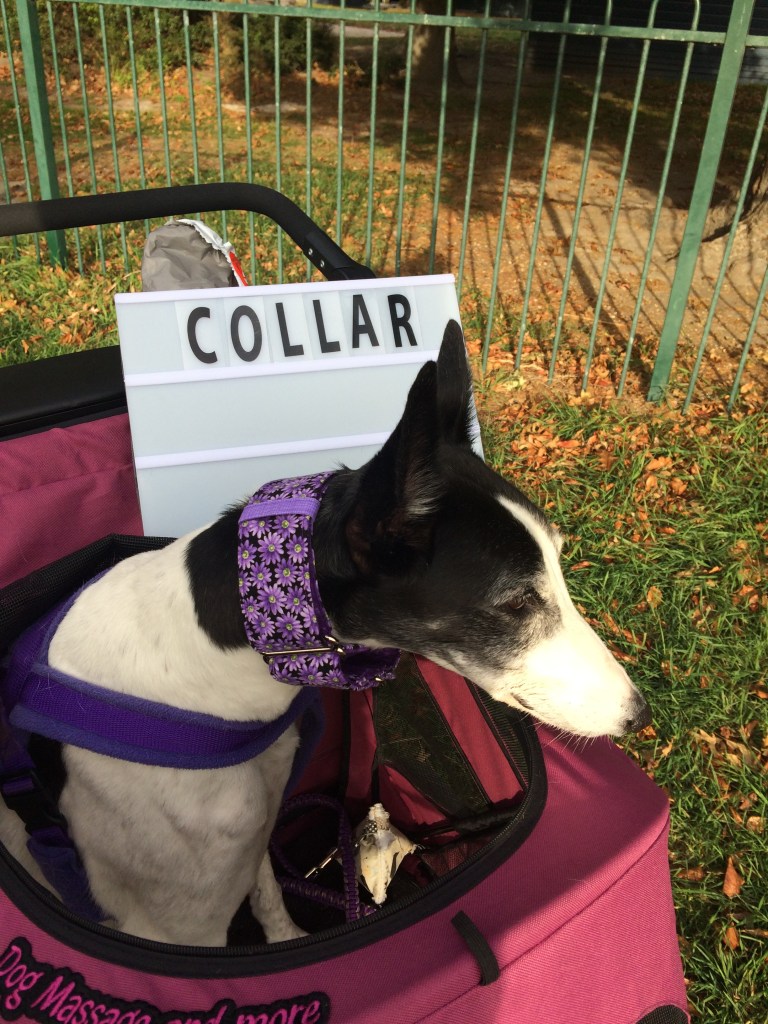
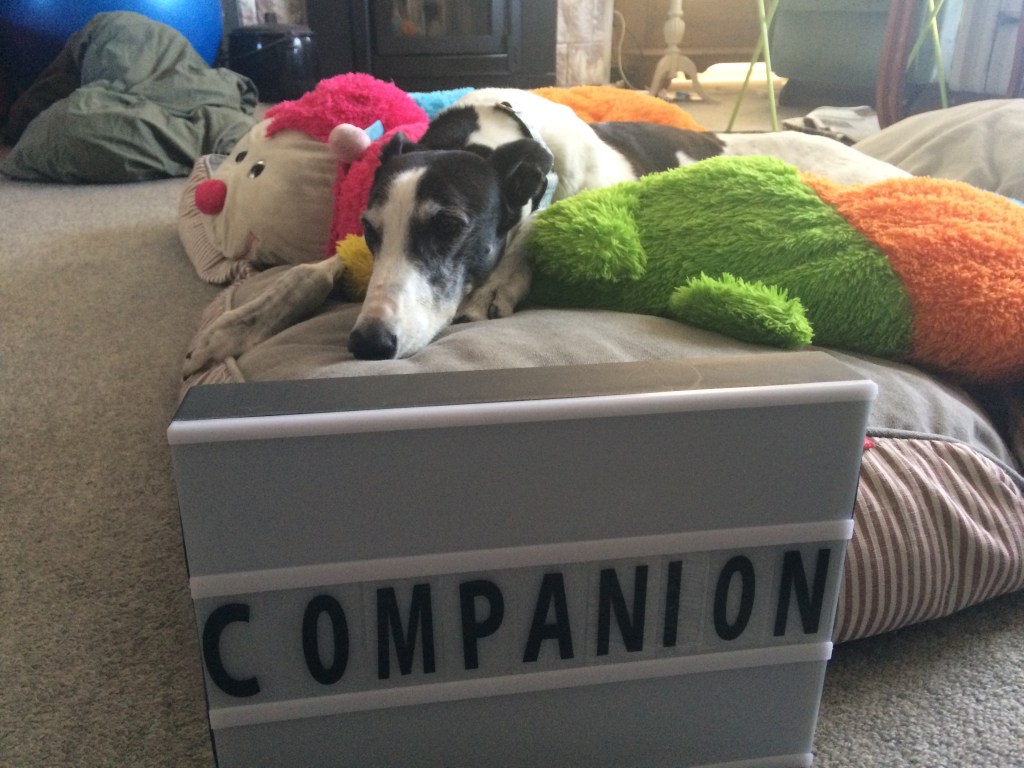
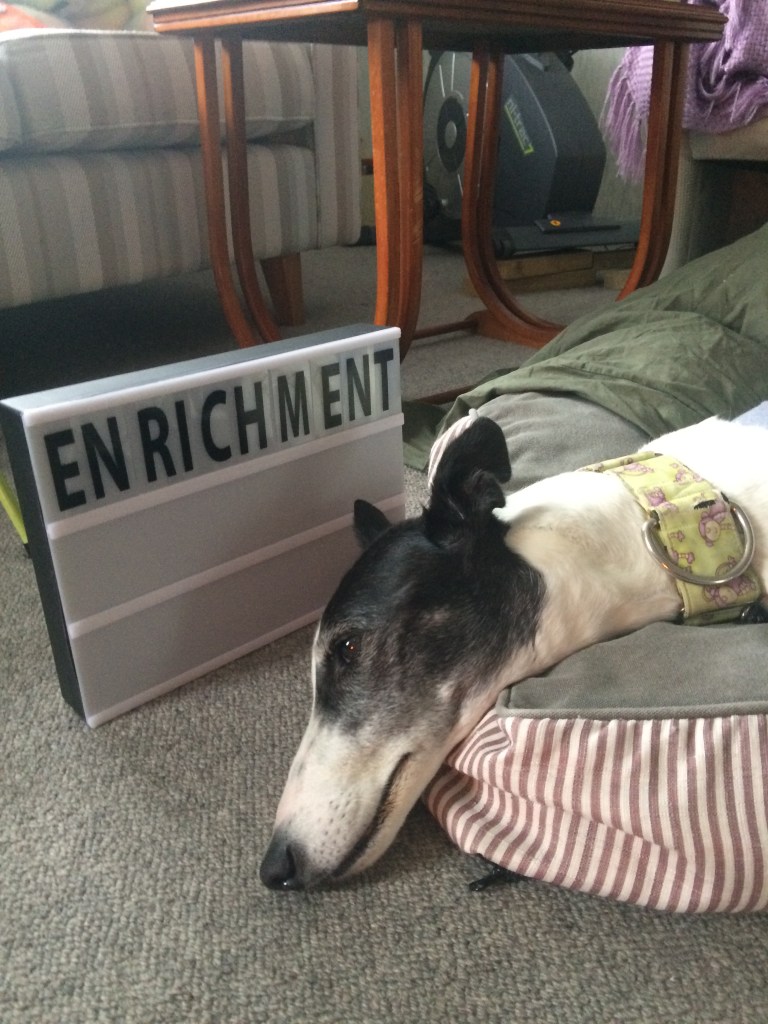
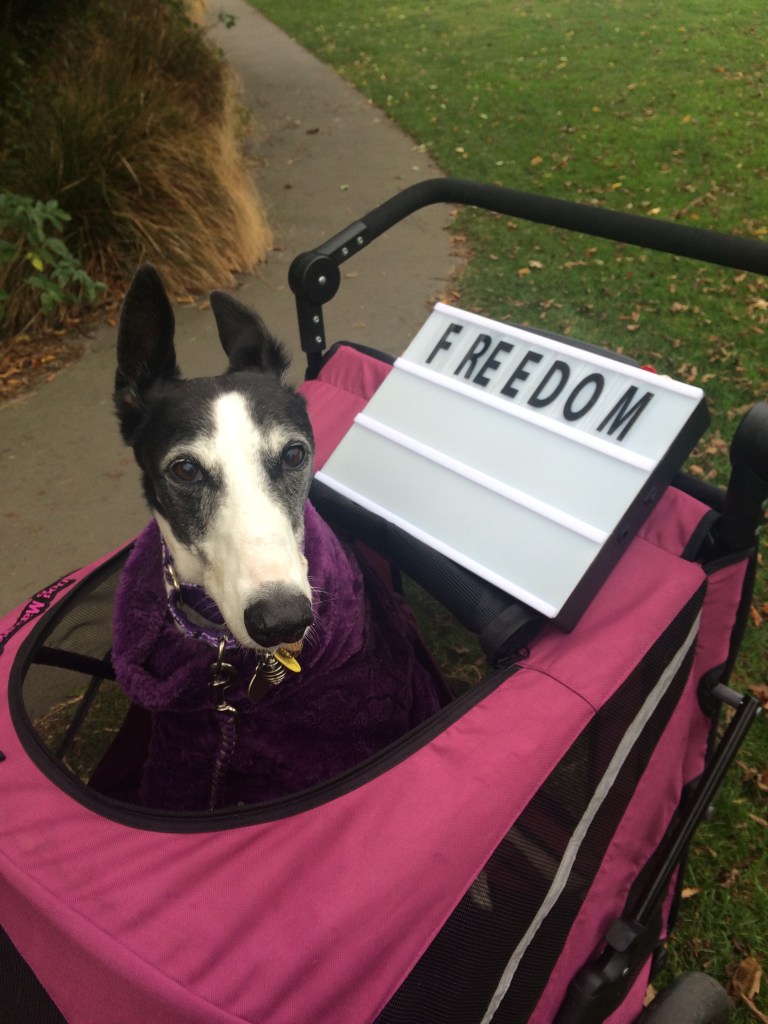
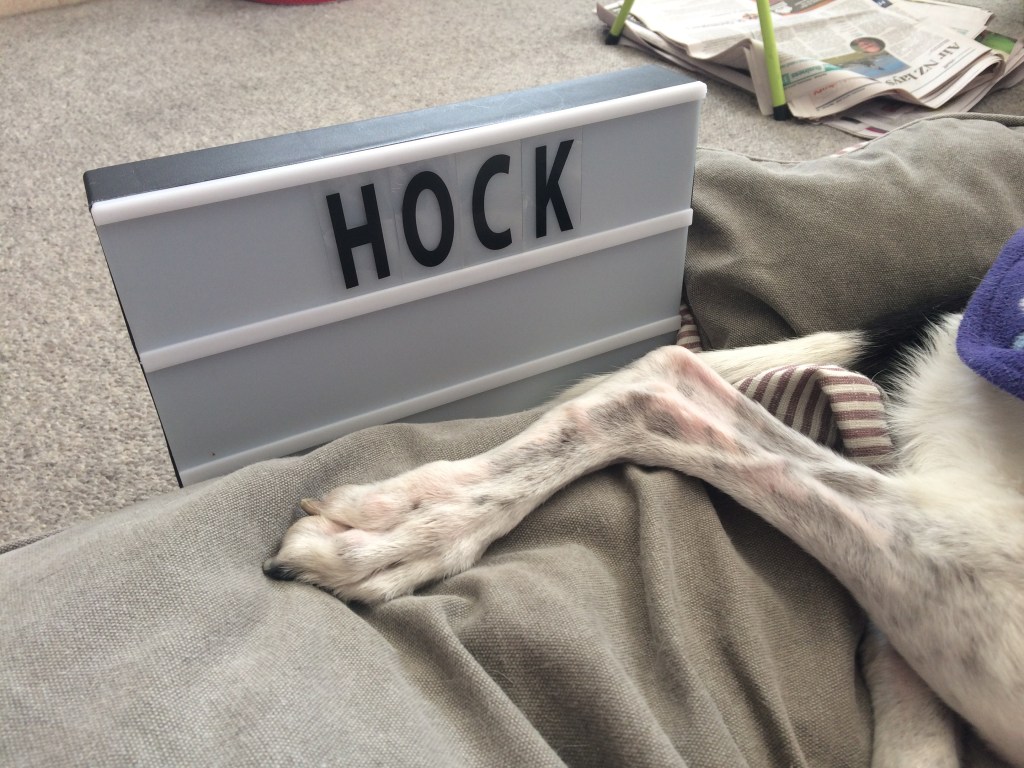
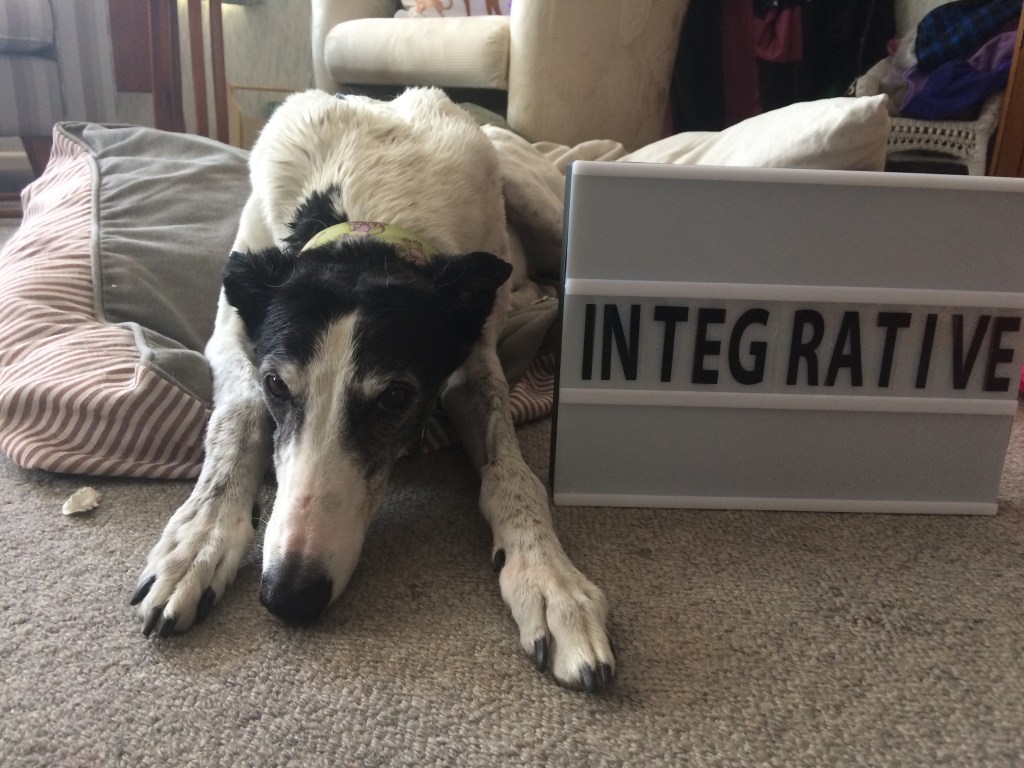
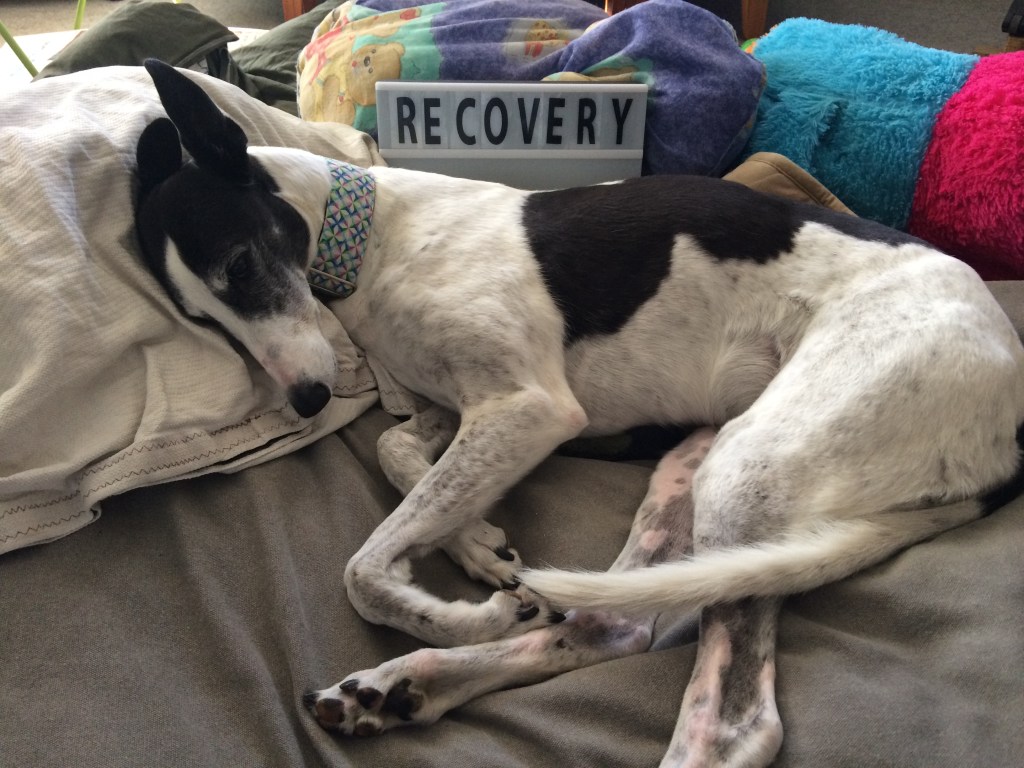
During our lockdown (quarantine) for Covid-19, Izzy hosted Word of the Day on my Facebook page. Each word was selected for their relevance to canine health, fitness and welfare. I hope you enjoy this compilation.
Kathleen Crisley, Fear-Free certified professional and specialist in dog massage, rehabilitation and nutrition/food therapy,The Balanced Dog, Christchurch, New Zealand
“What do dogs do on their day off? Can’t lie around – that’s their job.”
– George Carlin, comedian
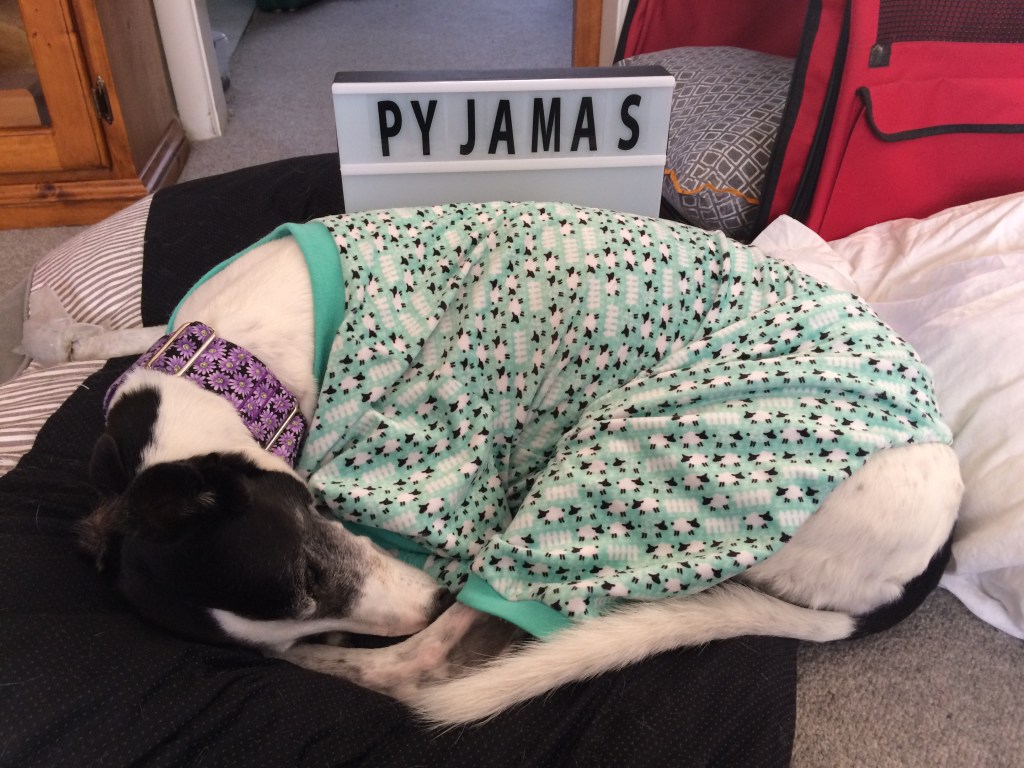
P.S. Izzy also says it is hard work modelling the latest in greyhound fashion and being the Demo Dog for The Balanced Dog’s mobile canine massage and rehab practice.
Kathleen Crisley, Fear-Free certified professional and specialist in dog massage, rehabilitation and nutrition/food therapy, The Balanced Dog, Christchurch, New Zealand
The research enables you to digitise a dog without an expensive studio motion capture camera set up
Researchers from CAMERA, the University of Bath’s motion capture research centre, have developed motion capture technology that enables you to digitise your dog without a motion capture suit and using only one camera.
The software could be used for a wide range of purposes, from helping vets diagnose lameness and monitoring recovery of their canine patients, to entertainment applications such as making it easier to put digital representations of dogs into movies and video games.
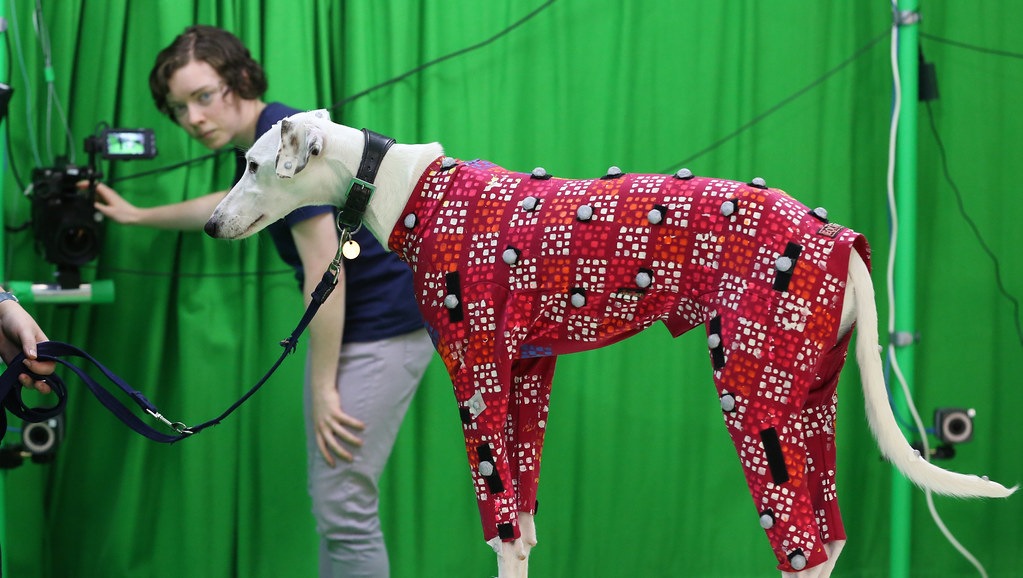
Motion capture technology is widely used in the entertainment industry, where actors wear a suit dotted with white markers which are then precisely tracked in 3D space by multiple cameras taking images from different angles. Movement data can then be transferred onto a digital character for use in films or computer games.
Similar technology is also used by biomechanics experts to track the movement of elite athletes during training, or to monitor patients’ rehabilitation from injuries. However, these technologies – particularly when applying them to animals – require expensive equipment and dozens of markers to be attached.
Computer scientists from CAMERA digitised the movement of 14 different breeds of dog, from lanky lurchers to squat pugs, which were residents of the local Bath Cats’ and Dogs’ Home (BCDH).
Wearing special doggie motion capture suits with markers, the dogs were filmed under the supervision of their BCDH handlers doing a range of movements as part of their enrichment activities.
They used these data to create a computer model that can accurately predict and replicate the poses of dogs when they’re filmed without wearing the motion capture suits. This model allows 3D digital information for new dogs – their shape and movement – to be captured without markers and expensive equipment, but instead using a single RGBD camera. Whereas normal digital cameras record the red, green and blue (RGB) colour in each pixel in the image, RGBD cameras also record the distance from the camera for each pixel.
PhD researcher Sinéad Kearney said: “This is the first time RGBD images have been used to track the motion of dogs using a single camera, which is much more affordable than traditional motion capture systems that require multiple cameras.
“This technology allows us to study the movement of animals, which is useful for applications such as detecting lameness in a dog and measuring its recovery over time.
“For the entertainment industry, our research can help produce more authentic movement of virtual animals in films and video games. Dog owners could also use it to make a 3D digital representation of their pet on their computer, which is a lot of fun!”
The team presented their research at one of the world’s leading AI conferences, the CVPR (Computer Vision and Pattern Recognition) conference on 14 June.
The team has also started testing their method on computer-generated images of other four-legged animals including horses, cats, lions and gorillas, with some promising results. They aim in the future to extend their animal dataset to make the results more accurate; they will also be making the dataset available for non-commercial use by others.
Professor Darren Cosker, Director of CAMERA, said: “While there is a great deal of research on automatic analysis of human motion without markers, the animal kingdom is often overlooked.
“Our research is a step towards building accurate 3D models of animal motion along with technologies that allow us to very easily measure their movement. This has many exciting applications across a range of areas – from veterinary science to video games.”
A team led by researchers at Baylor College of Medicine in collaboration with Medterra CBD conducted the first scientific studies to assess the potential therapeutic effects of cannabidiol (CBD) for arthritic pain in dogs, and the results could lead the way to studying its effect in humans. Researchers focused first on these animals because their condition closely mimics the characteristics of human arthritis, the leading cause of pain and disability in the U.S. for which there is no effective treatment.
Credit: CC0 Public Domain
Published in the journal Pain, the study first showed both in laboratory tests and mouse models that CBD, a non-addictive product derived from hemp (cannabis), can significantly reduce the production of inflammatory molecules and immune cells associated with arthritis. Subsequently, the study showed that in dogs diagnosed with the condition, CBD treatment significantly improved quality of life as documented by both owner and veterinarian assessments. This work supports future scientific evaluation of CBD for human arthritis.
“CBD is rapidly increasing in popularity due to its anecdotal health benefits for a variety of conditions, from reducing anxiety to helping with movement disorders,” said corresponding author Dr. Matthew Halpert, research faculty in the Department of Pathology and Immunology at Baylor. “In 2019, Medterra CBD approached Baylor to conduct independent scientific studies to determine the biological capabilities of several of its products.”
In the current study, Halpert and his colleagues first measured the effect of CBD on immune responses associated with arthritis, both in human and murine cells grown in the lab and in mouse models. Using Medterra tinctures, they found that CBD treatment resulted in reduced production of both inflammatory molecules and immune cells linked to arthritis.
The researchers also determined that the effect was quicker and more effective when CBD was delivered encapsulated in liposomes than when it was administered ‘naked.’ Liposomes are artificially formed tiny spherical sacs that are used to deliver drugs and other substances into tissues at higher rates of absorption.
Halpert and colleagues next assessed the effect of naked and liposome-encapsulated CBD on the quality of life of dogs diagnosed with arthritis.
“We studied dogs because experimental evidence shows that spontaneous models of arthritis, particularly in domesticated canine models, are more appropriate for assessing human arthritis pain treatments than other animal models. The biological characteristics of arthritis in dogs closely resemble those of the human condition,” Halpert said.
Arthritis is a common condition in dogs. According to the American Kennel Club, it affects one out of five dogs in the United States.
The 20 client-owned dogs enrolled in the study were seen at Sunset Animal Hospital in Houston. The dog owners were randomly provided with identical unidentified medication bottles that contained CBD, liposomal CBD, or a placebo. Neither the owners nor the veterinarian knew which treatment each dog received.
After four weeks of daily treatment, owners and veterinarians reported on the condition of the dogs, whether they observed changes in the animals’ level of pain, such as changes related to running or gait. The dogs’ cell blood count and blood indicators of liver and kidney function also were evaluated before and after the four weeks of treatment.
“We found encouraging results,” Halpert said. “Nine of the 10 dogs on CBD showed benefits, which remained for two weeks after the treatment stopped. We did not detect alterations in the blood markers we measured, suggesting that, under the conditions of our study, the treatment seems to be safe.”
What to do. You’re a dog. Your owner is trapped in a box and is crying out for help. Are you aware of his despair? If so, can you set him free? And what’s more, do you really want to?
That’s what Joshua Van Bourg and Clive Wynne wanted to know when they gave dogs the chance to rescue their owners.
Until recently, little research has been done on dogs’ interest in rescuing humans, but that’s what humans have come to expect from their canine companions — a legend dating back to Lassie and updated by the popular Bolt.
“It’s a pervasive legend,” said Van Bourg, a graduate student in Arizona State University’s Department of Psychology.
Simply observing dogs rescuing someone doesn’t tell you much, Van Bourg said. “The difficult challenge is figuring out why they do it.”
So, Van Bourg and Wynne, an ASU professor of psychology and director of the Canine Science Collaboratory at ASU, set up an experiment assessing 60 pet dogs’ propensity to rescue their owners. None of the dogs had training in such an endeavor.
In the main test, each owner was confined to a large box equipped with a light-weight door, which the dog could move aside. The owners feigned distress by calling out “help,” or “help me.”
Beforehand, the researchers coached the owners so their cries for help sounded authentic. In addition, owners weren’t allowed to call their dog’s name, which would encourage the dog to act out of obedience, and not out of concern for her owner’s welfare.
“About one-third of the dogs rescued their distressed owner, which doesn’t sound too impressive on its own, but really is impressive when you take a closer look,” Van Bourg said.
That’s because two things are at stake here. One is the dogs’ desire to help their owners, and the other is how well the dogs understood the nature of the help that was needed. Van Bourg and Wynne explored this factor in control tests — tests that were lacking in previous studies.
In one control test, when the dog watched a researcher drop food into the box, only 19 of the 60 dogs opened the box to get the food. More dogs rescued their owners than retrieved food.
“The key here is that without controlling for each dog’s understanding of how to open the box, the proportion of dogs who rescued their owners greatly underestimates the proportion of dogs who wanted to rescue their owners,” Van Bourg said.
“The fact that two-thirds of the dogs didn’t even open the box for food is a pretty strong indication that rescuing requires more than just motivation, there’s something else involved, and that’s the ability component,” Van Bourg said. “If you look at only those 19 dogs that showed us they were able to open the door in the food test, 84% of them rescued their owners. So, most dogs want to rescue you, but they need to know how.”
In another control test, Van Bourg and Wynne looked at what happened when the owner sat inside the box and calmly read aloud from a magazine. What they found was that four fewer dogs, 16 out of 60, opened the box in the reading test than in the distress test.
“A lot of the time it isn’t necessarily about rescuing,” Van Bourg said. “But that doesn’t take anything away from how special dogs really are. Most dogs would run into a burning building just because they can’t stand to be apart from their owners. How sweet is that? And if they know you’re in distress, well, that just ups the ante.”
The fact that dogs did open the box more often in the distress test than in the reading control test indicated that rescuing could not be explained solely by the dogs wanting to be near their owners.
The researchers also observed each dog’s behavior during the three scenarios. They noted behaviors that can indicate stress, such as whining, walking, barking and yawning.
“During the distress test, the dogs were much more stressed,” Van Bourg said. “When their owner was distressed, they barked more, and they whined more. In fact, there were eight dogs who whined, and they did so during the distress test. Only one other dog whined, and that was for food.”
What’s more, the second and third attempts to open the box during the distress test didn’t make the dogs less stressed than they were during the first attempt. That was in contrast to the reading test, where dogs that have already been exposed to the scenario, were less stressed across repeated tests.
“They became acclimated,” Van Bourg said. “Something about the owner’s distress counteracts this acclimation. There’s something about the owner calling for help that makes the dogs not get calmer with repeated exposure.”
In essence, these individual behaviors are more evidence of “emotional contagion,” the transmission of stress from the owner to the dog, explains Van Bourg, or what humans would call empathy.
“What’s fascinating about this study,” Wynne said, “is that it shows that dogs really care about their people. Even without training, many dogs will try and rescue people who appear to be in distress — and when they fail, we can still see how upset they are. The results from the control tests indicate that dogs who fail to rescue their people are unable to understand what to do — it’s not that they don’t care about their people.
“Next, we want to explore whether the dogs that rescue do so to get close to their people, or whether they would still open the box even if that did not give them the opportunity to come together with their humans,” Wynne added.
I felt this quotation was particularly appropriate, given how many people are benefiting from the comfort of pets as they shelter in place, or return to work, in a world with Covid-19.
Kathleen Crisley, Fear-Free certified professional and specialist in dog massage, rehabilitation and nutrition/food therapy, The Balanced Dog, Christchurch, New Zealand
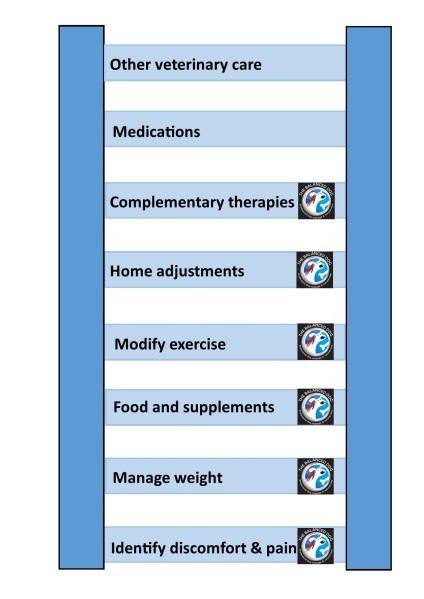
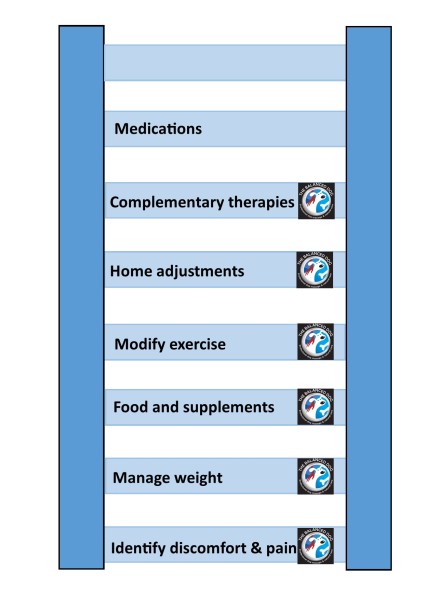
Today, we have reached the final rung on our ladder. It’s time to discuss Other Veterinary Care.
Sometimes, more extreme measures have to be considered and this is where our ‘Other’ category comes in. Specialist procedures are undertaken by qualified veterinarians.
They may include:
hip replacement – for dogs with severe hip dysplasia, sometimes a hip replacement is the last option remaining – a procedure undertaken by a surgeon with rehabilitation to follow
Platelet-rich plasma (PRP) injections – this involves taking blood from your dog and spinning it in a centrifuge to separate out the plasma portion of the blood. This fluid is then injected back into tendons and ligaments to stimulate the healing process. PRP injections seem to be the best hope for chronic tendinopathies that are hard to shift with other treatments.
Stem cell therapy – in this procedure, adipose (fat) tissue and some blood are collected from your dog and processed on-site through a special procedure to release and purify the stem cells. The purified material is then injected into arthritic joints and intravenously to help repair damaged tissues directly and through circulation through the bloodstream.
Our dogs are benefiting from the research into regenerative medicine techniques; as our human population is living longer, they also suffer from diseases like arthritis for longer. Regenerative techniques, once proven, offer hope for chronic pain sufferers.
Depending upon your location, access to specialist procedures may be limited particularly because of the investment required for specialist equipment and training. If you feel that your dog’s condition isn’t being managed sufficiently with a mix of the other modalities mentioned in this series, then you should discuss specialist options with your vet who can refer you to a practice. (Be prepared to travel and for the costs of specialist expertise.)
I hope you have enjoyed the ageing dogs series. There is a lot we can do to help our dogs age gracefully and with a good quality of life.
Finally, a ‘plug’ for my practice, The Balanced Dog. You may have noticed my logo in all but two of the rungs on the ladder. That’s because my integrative practice focused on Fear-Free, in-home care, offers:
In-home assessments
Gait analysis and health history review
Hour-long consults with an interview process involving the dog’s health and behaviour – to ascertain symptoms of discomfort, pain and anxiety
Individual canine fitness and exercises programs
Weight loss recommendations and coaching
Food therapy
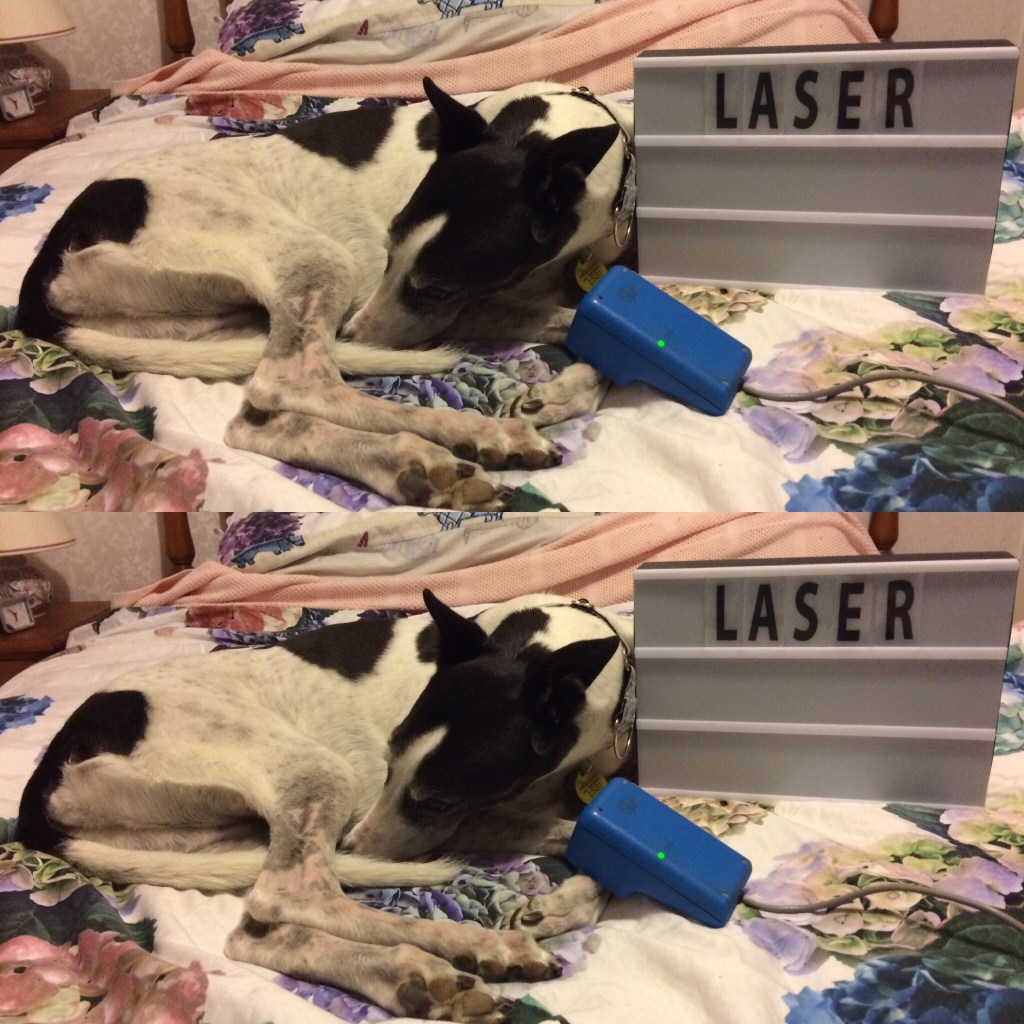
Complementary therapies including canine massage, acupressure, low-level laser therapy, flower essences and supplementation recommendations
All new clients must submit a copy of their dog’s veterinary records and certify that their dog is under regularly veterinary care. Remember that we can go up and down the ladder as we re-evaluate a dog’s condition and care needs.
Got questions about this post? Please feel free to post a message or contact me through my practice, The Balanced Dog.
Kathleen Crisley, Fear-Free certified professional and specialist in dog massage, rehabilitation and nutrition/food therapy, The Balanced Dog, Christchurch, New Zealand
A study led by a canine scientist at Nottingham Trent University looked at the potential impact of pulling on the lead and the related pressure on the neck, using a variety of of collar-types and styles.
The collars and a slip lead were tested on a canine cylinder neck model with a pressure sensor.
A range of forces were applied to the lead representing different interactions—a firm pull (40 Newtons) strong pull (70N) and a jerk (141N) – with the contact area of the collar and the pressure on the neck being recorded.
The study, which also involved the University of Nottingham, found that with all the collar types and styles tested—even those that were padded or had a wide fitting—the pressure exerted on the model neck would be sufficient to risk injury to the dog.
No single collar tested provided a pressure considered low enough to reduce the risk of injury when pulling on the lead, they found.
Lead jerks on the collar may occur when dogs on extendable leads abruptly come to a stop, when a dog lunges on a lead, or is ‘corrected’ by the handler.
The researchers argue that as all collar types will pose some risk, dogs should be trained to walk on a loose lead without pulling, or walked using a harness which applies no pressure to the neck.
“All types of dog collar have the potential to cause harm when the dog pulls on the lead,” said Dr. Anne Carter, a researcher in Nottingham Trent University’s School of Animal, Rural and Environmental Sciences.
She said: “While collars provide a means to identify a dog or demonstrate ownership, they are also frequently used as a connection between handler and dog and to facilitate control, restraint or movement.
“Even the ‘best’ type of collar is putting too much pressure on the dog’s neck if they pull on the lead and this is risking injury. We suggest that collars should be used to display ID tags and dogs should be walked on a harness or loose lead that avoids any pressure on the neck.
“It is not recommended that collars be used as a means of control for any dogs that may pull on the lead.”
Study co-author Dr. Amanda Roshier, from the School of Veterinary Medicine and Science, University of Nottingham, said: “Using sophisticated engineering tools, we simulated collar pressures that dogs may be exposed to on the lead and how this varies with different collar models, and the force exerted by a handler. Our tests aimed to give practical insight into how the choice of collar and its use impacts the welfare of dogs.”
Rachel Casey, Director for Canine Behaviour and Research at Dogs Trust, said: “It’s a common problem for owners that their dog pulls on the lead, when excited to get out on a walk. The findings of this research highlight the extent to which all collars exert pressure on the sensitive tissues of dogs’ necks when there is tension on the lead. It is for this reason that we recommend that owners attach a lead to a well fitted harness—particularly if their dog is likely to pull on the lead during a walk or if they use a long line during walks.
“Walks are also made more pleasurable for pet and owner if dogs are taught to walk calmly on a loose lead. Taking a bit of time to teach your dog that he or she can get to the park without pulling, will save a lifetime of pulled arms as well as avoiding possible injury to your dog. We have a range of resources available online on how to teach your dog to walk on a loose lead using a reward-based approach.”
The study was undertaken at the Wolfson Labs, in the Faculty of Engineering with support from bioengineer Professor Donal McNally, also of the University of Nottingham.
The research is reported in the journal Vet Record.
Today, I’m talking about medications and their role in your dog’s care. Medications are the 7th rung of our ladder…
Medications are prescribed by your veterinarian after they have examined your dog and are confident on the match between the medication and your dog’s conditions. For dogs with multiple health problems, it’s incredibly important to use the same veterinarian or to declare all medications you are using with every vet to ensure there are no adverse drug interactions.
As with healthcare for people, we now have more drugs than ever to support and treat health conditions in our dogs. Although we have been talking a lot in this series about arthritis, aging dogs often develop other health conditions. These include things like urinary incontinence and kidney disease, as examples.
My English Pointer, Daisy, took Propalin syrup for many years because of urinary incontinence (she would leak urine, usually while asleep). Thanks to the liquid form of the medication, I was able to gradually get her to the lowest effective dose – and that’s something I really liked because I didn’t want her to be over-medicated.
Words of advice #1: Always ask if your dog’s medication comes in a liquid form. Many pet parents struggle to give their dog a pill, whereas liquid is often easier to put over food or down the throat. And, as noted above, with a liquid medication you have greater ability to adjust dosages than with pill formats.
Medications have a huge role to play in the management of arthritis, an inflammatory disease that causes pain and discomfort. The most common group of drugs used to help patients with arthritis are the non-steroidal anti-inflammatory drugs (NSAIDs). These include:
Rimadyl
Carprieve
Metacam
Previcox
Trocoxil
Pentosan Polysulfate
Other pain medications which are not in the NSAID class include:
Gabapentin
Codeine
Fentanyl
Ketamine
Amantadine
Paracetemol
It is fairly common for me to meet dog parents who are concerned about giving their dogs medications because they’ve heard that they can have side effects. That concern is valid to a point, but not to the point that you allow your animal to live with enduring pain. Pain is an animal welfare issue.
In addition, I have never met a person who said that they would withhold arthritis medication from their aging mother, father or grandparents because they were worried about side effects. If it’s good enough for your human loved ones, this approach is also good enough for your dog.
Words of advice #2: Adopt a trial approach to pain medication. I’m not talking about ‘free samples’ here – I’m talking about a medication trial that lasts a few weeks to see what effects they have on your dog and to help you get accustomed to the idea of giving them medication. Many veterinarians will endorse this approach. After a consultation, your vet will prescribe several weeks worth of pain medication. Your job is to follow the dosage instructions and to watch your dog’s behavior…
By the end of many pain medication trials, it is common for me to hear that the dog is bouncing around again, walking for longer distances, eating more robustly, etc. That tells us how much pain they have been in and justifies prolonged usage of the medication.
Remember, arthritis is a degenerative disease. It’s not going away – and so neither is the pain.
During New Zealand’s Covid-19 lockdown, a woman contacted me about her dog who, she said, prior to lockdown had been reluctant to walk on an intermittent basis. But since she was home more and walking him regularly, she had noticed that some days he wouldn’t walk at all and on others, he’d want to head for home a lot sooner than planned.
She described his behavior to me and, since I was unable to work with clients at the time, I suggested she talk to her vet about a pain management trial. Vets were classified as essential services during the lockdown.
She took my advice and when I followed up with her, she told me that her dog was a puppy again. He’s going for x-rays now because in post-lockdown, the vet is able to admit the dog for x-rays. The images will tell us the extent of his suspected/likely arthritis. And we’ll use massage, laser and exercise to manage him along with the medication. (Remember, we can go up and down our ladder)
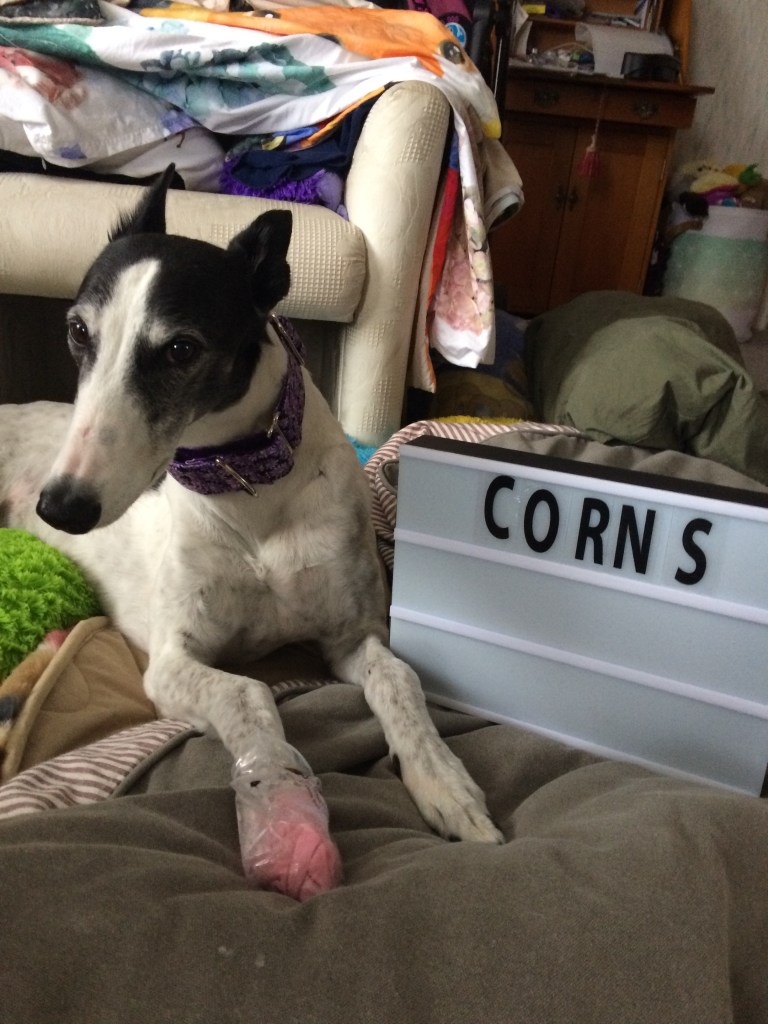
In closing, I’ll bring this post back to Izzy. She has corns and arthritis and, based on our experience with NSAIDs after surgeries, they weren’t an option for her for longer term pain management. Her stomach doesn’t tolerate them. Our vet suggested gabapentin, which she takes twice each day.
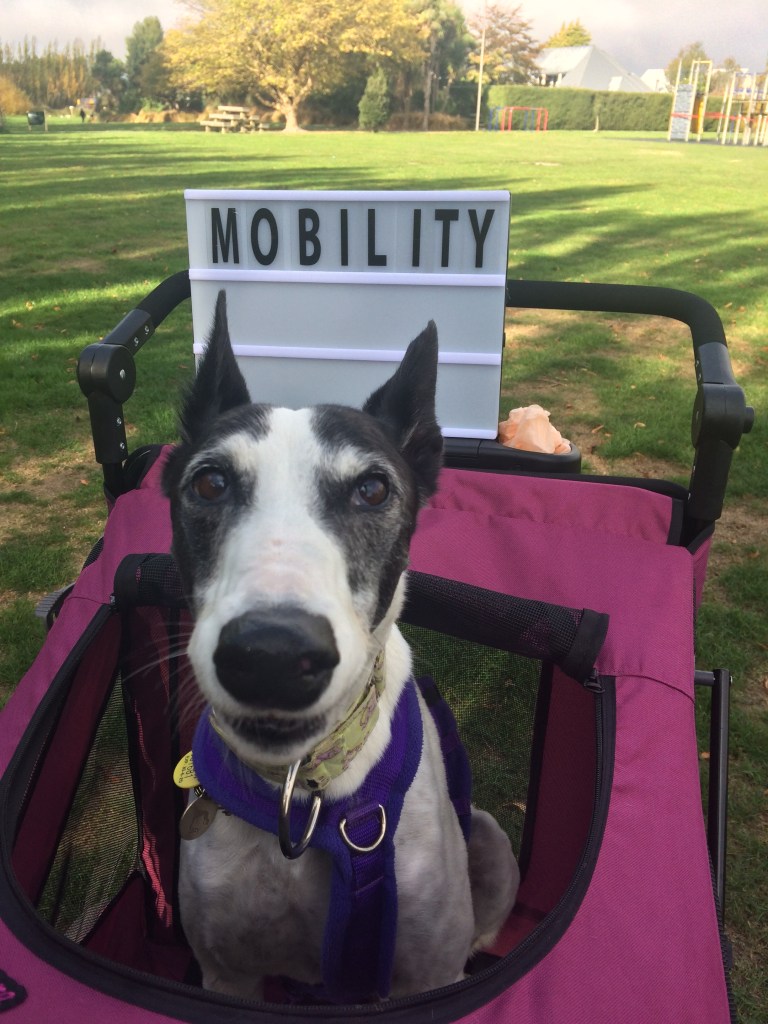
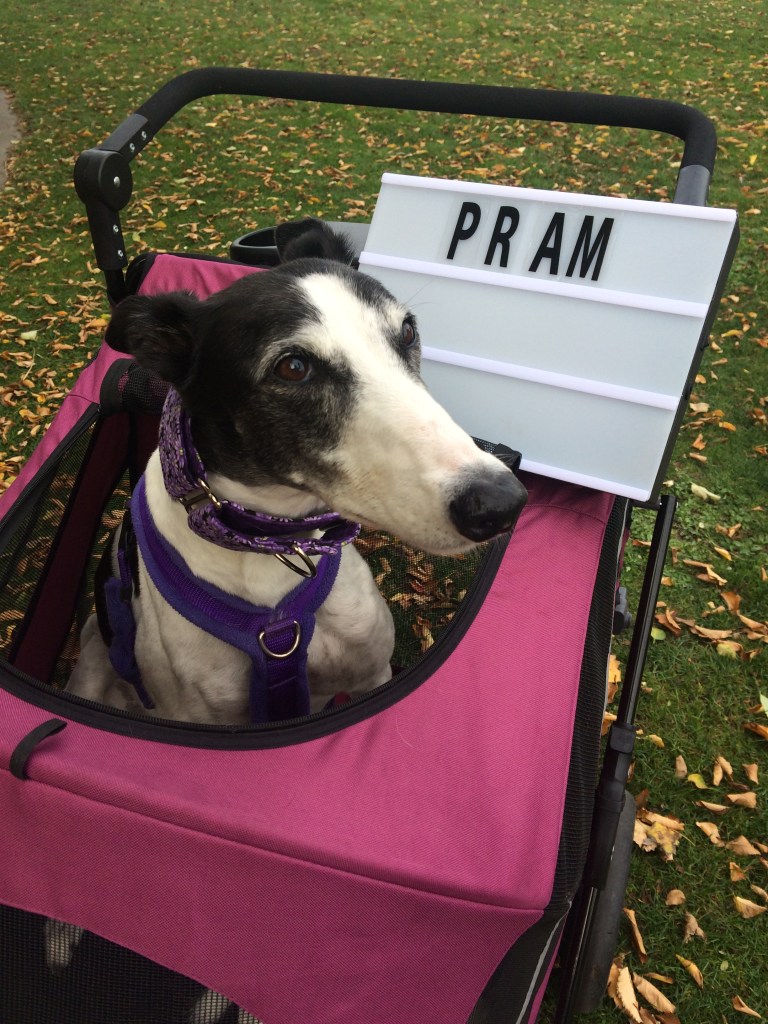
The pain management is part of her daily regime which includes, of course, rides in her pram when she is too tired or sore to continue walking. We review Izzy’s health and degree of lameness on a regular basis with our vet before getting a refill of her gabapentin.
Over time, medication needs can change. If one medication doesn’t work, there is usually something else that the vet can prescribe for your dog.
Got questions about this post? Please feel free to post a message or contact me through my practice, The Balanced Dog.
Kathleen Crisley, Fear-Free certified professional and specialist in dog massage, rehabilitation and nutrition/food therapy, The Balanced Dog, Christchurch, New Zealand
If Covid-19 has taught us anything, it is that your home is where your heart is…where your dog is… and where you are in control. You control who comes in and who doesn’t, and you also have complete control over cleaning of surfaces and airing of rooms.
For this reason, I think more than ever, the pet services that can offer an in-home service offer true value.
Each in-home service should provide you (the customer) with a comprehensive Covid-19 safety plan which has details about their equipment cleaning, personal hygiene and contact tracing procedures. Since in-home services are 1:1, it means that you and your dog are kept at a distance (literally) from the service’s other customers and this reduces your risk of exposure.
For distancing purposes, you can also set up your home in a configuration that works for you and your dog – while still keeping your social distance from your groomer/therapist/trainer. Again, this is a win for you and also a win for your visiting professional. Distance = safety.
And when your service provider has left your home, you know exactly what areas of your home to clean; I recommend using a main room that has easy access to your front or back entrance door. This means that your visiting professional doesn’t need to walk through other rooms – further restricting the areas you will want to clean when they have finished.
I know that some pet services can’t be provided in-home. But many can. We live in uncertain times. Control of your surroundings can keep you and your family safe.
Kathleen Crisley, Fear-Free certified professional and specialist in dog massage, rehabilitation and nutrition/food therapy, The Balanced Dog, Christchurch, New Zealand










 DoggyMom.com