It’s been a big week at The Balanced Dog. I have just finished my last Saturday of consults for 2025 and, earlier this week, Sox turned 8 (his birthday party was a two weeks ago, to accommodate the travel plans of friends).
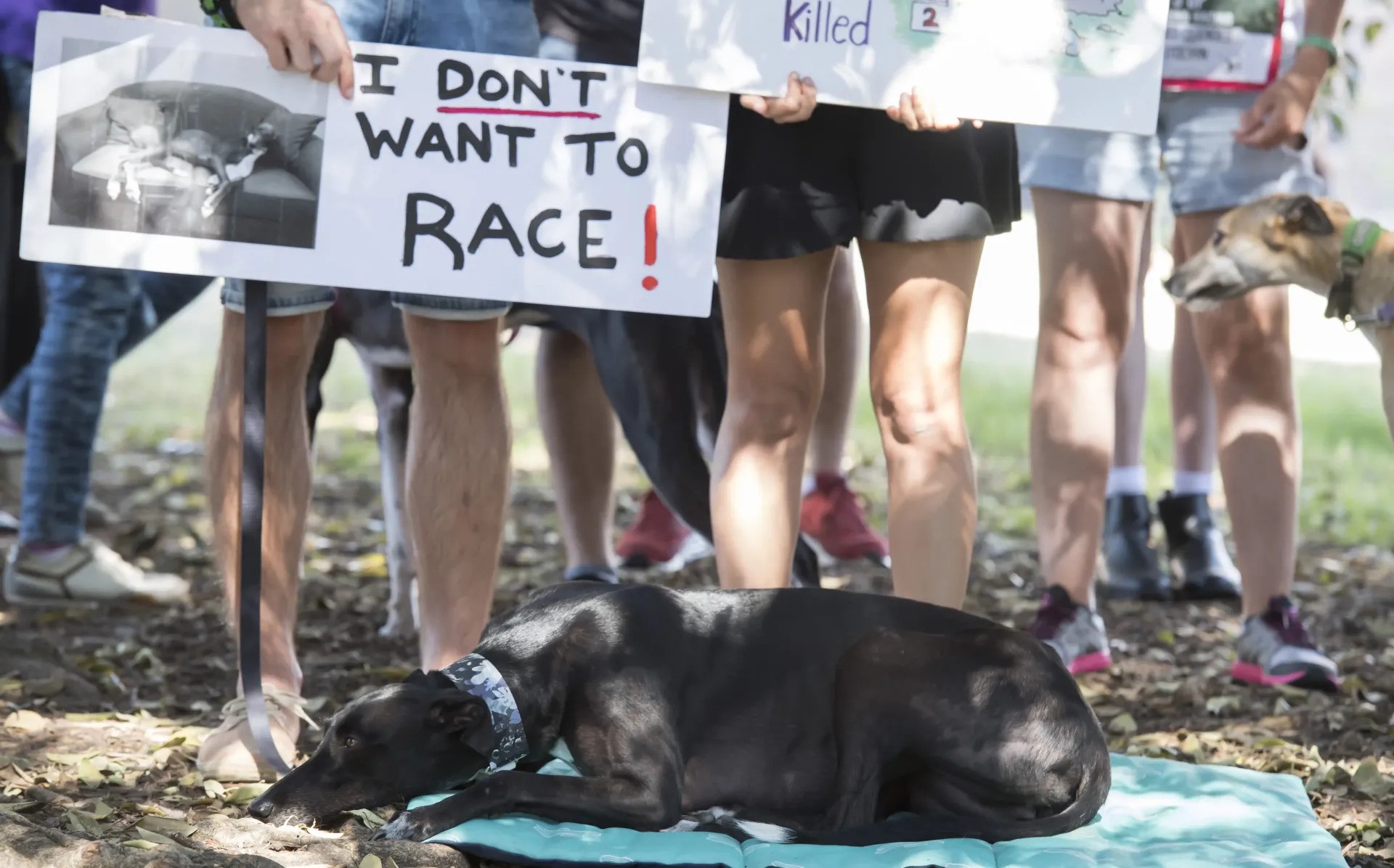
And there are only 20 days left to make a submission on the Racing Industry (Closure of Greyhound Racing Industry) Amendment Bill. A year ago, the NZ Government made an announcement of its intention to ban greyhound racing in this country; the bill has passed its first reading with wide cross-party support. It’s now time for the public to have their say…
Probably thanks to Sox’s birthday, and the number of greyhounds I work with in my practice, greyhounds, racing and animal welfare have been on my mind a lot recently. I am definitely making a submission.
Here are the points/issues I want to raise:
Animals are not statistics. Behind percentages are living, breathing and sentient creatures.
What do we mean by animal welfare? In layman’s terms, it’s quality of life for the entire life of the animal.
What is the definition of an accident? Depending upon which dictionary you use, this is defined as an unforeseen and unplanned event or circumstance or an unfortunate event resulting especially from carelessness or ignorance.
What is our lifetime responsibility as stewards and ”owners” of dogs?
What are the inherent risks of racing?
How painful is a broken hock, a fractured skull or other high impact injury?
With concerns that greyhounds will become extinct in New Zealand if racing is banned, what protections will there be for breeders who wish to continue their bloodlines and provide the NZ public with a greyhound if they choose to buy one?
I encourage anyone with an interest in the greyhound breed to submit. That’s what public submissions are for. There are many templates circulating to assist you in making a submission. I believe the most powerful submissions are those that share personal experience.
Be sure to read the legislation so you can align your comments with specific clauses and be sure to tell the Select Committee if you want to be heard (that is, appear in person or by video link).
Kathleen Crisley is Fear-Free certified dog massage therapist and canine fitness trainer. She has a particular passion for working with dogs and their families to ensure injury prevention and quality of life. She specialises in working with anxious and emotionally damaged dogs. Her mobile practice, The Balanced Dog, is based in Christchurch, New Zealand
I’ve just read this piece by Dr Mia Cobb of the University of Melbourne and had to share it. Thankfully, it was published under a Creative Commons license to enable re-publication with citation.
But something has changed globally over the last year, and it has big implications for dogs worldwide.
This rapid cascade of bans signals something much bigger. Picture: Getty Images
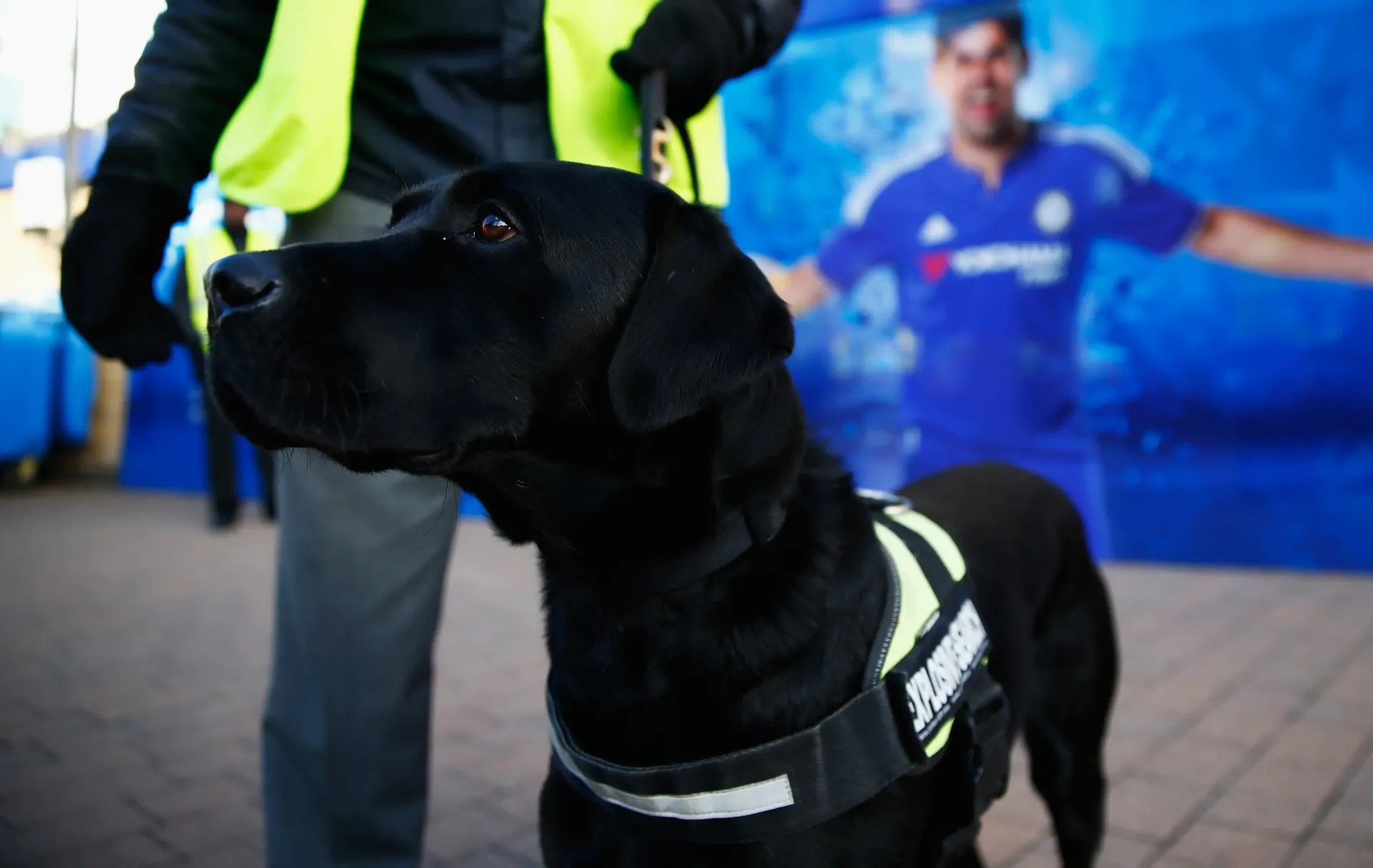
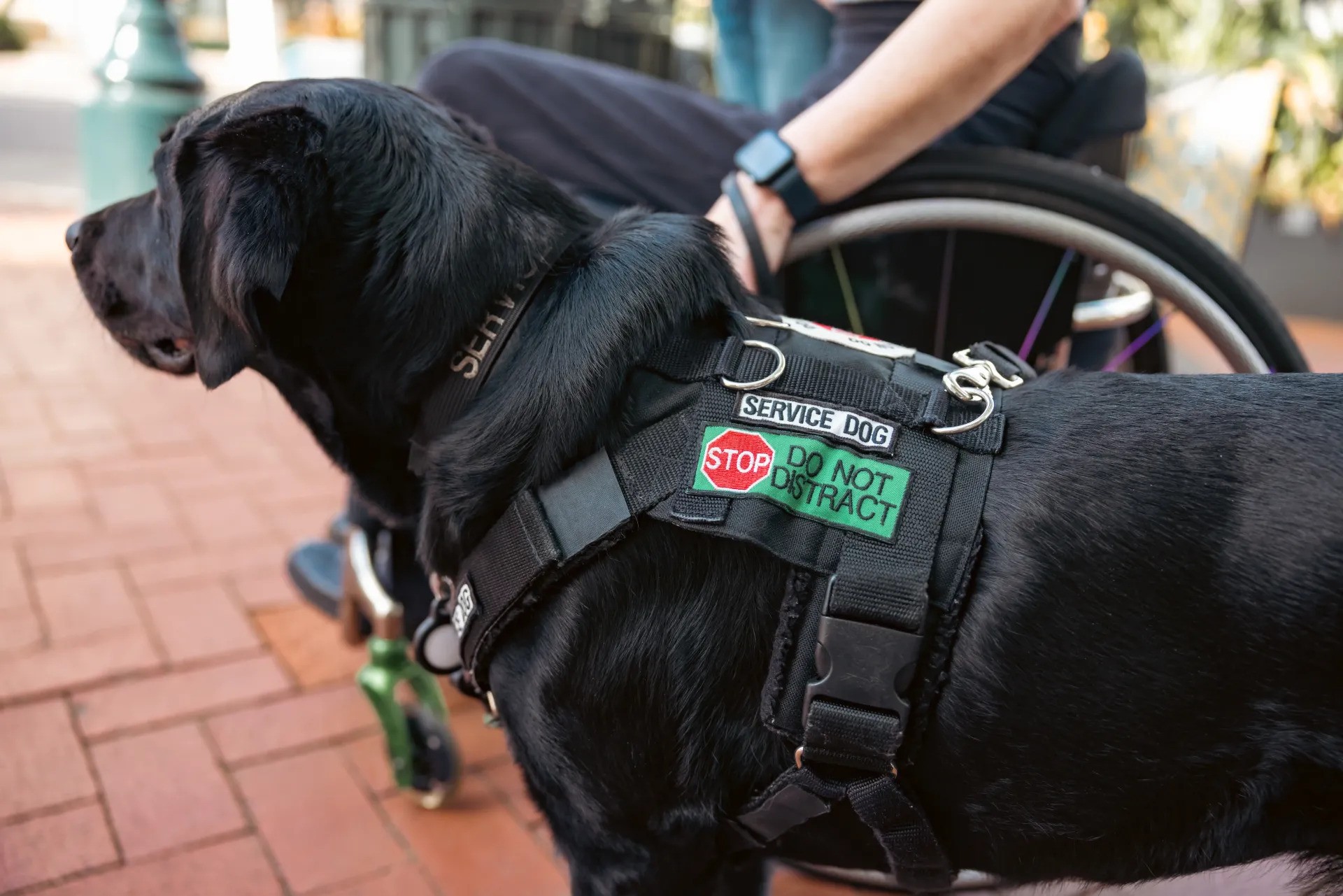
But what does this mean for the other dogs in our lives? The detection dogs in our airports, the dogs assisting people with disabilities, those supporting students in our schools or even the dog asleep on your couch?
We may donate to assistance dog charities, watch border detection programs on TV and admire search-and-rescue teams helping in disaster zones without considering what daily life looks like for these canine workers.
As people become increasingly conscious about animal treatment, from farm animals to those in entertainment, this awareness is expanding to include all the ways we ‘use’ dogs.
Our expanding awareness of animal treatment now includes all the ways we ‘use’ dogs. Picture: Getty Images
The recent greyhound racing collapse demonstrates how quickly public support can evaporate when welfare concerns aren’t adequately addressed.
Consider the contrast between those who embrace scrutiny versus those that resist it.
Some organisations or operators working with dogs proactively demonstrate their welfare standards, welcome independent oversight and engage openly with concerns. Others operate behind closed doors or respond defensively when questions arise about how their animals are bred, reared, housed, trained and rehomed.
Those thriving under increased public attention share common approaches: they treat welfare as a core priority rather than a compliance exercise, even when it means making major changes to the way in which they operate (for example, their training methods or the equipment used).
They also understand that genuine transparency builds public trust in ways that defensive responses never can.
But there’s an important distinction between real change and ‘welfare washing’ surface-level improvements designed more for public relations than to genuinely assure animal wellbeing.
The public is becoming increasingly sophisticated at spotting the difference.
The speed of recent racing bans – three jurisdictions in around 18 months – shows how rapidly momentum can build once public opinion shifts.
What earning trust looks like
The organisations embracing increased welfare scrutiny share common characteristics.
They proactively demonstrate care standards rather than waiting for pressure. They welcome independent monitoring and engage genuinely with concerns rather than dismissing them.
There’s a reframing from dogs as tools we use to co-workers we partner with. Picture: Getty Images
Most importantly, they recognise that working with dogs comes with profound responsibilities.
This reframing, from dogs as tools we use to co-workers we partner with, means ensuring dogs have agency in their daily lives – the ability to make choices about when to rest, opportunities to be dogs rather than just workers and environments that offer them positive social and physical experiences.
It means transparency about career length, retirement plans, injury rates and living conditions. It means treating welfare as a core business priority, not a public relations exercise.
The dogs supporting our lives
International Dog Day provides an annual opportunity to shine a spotlight on all the dogs we rely on in our lives, not just our pets at home.
t’s a chance to ask: are we caring for these animals as well as we can?
The greyhound racing industry’s decline shows what happens when the answer is unclear or unconvincing.
Public trust, once lost, is extraordinarily difficult to rebuild, especially when alternatives exist that don’t rely on the use of real animals.
Everyone relying on dogs should be asking themselves: if public attention suddenly focused on our operation tomorrow, would we welcome that scrutiny? Can we demonstrate genuine care for our animals’ wellbeing, not just their productivity?
The dogs supporting our lives – whether working at airports, guiding people safely across roads or living as companions in our homes – deserve nothing less than our full consideration of their wellbeing.
Are we caring for these animals as well as we can? Picture: Getty Images
And as the racing industry is discovering, the public increasingly expects to see proof of that care, not just promises.
They’ll be part of building a sustainable future where our partnerships with dogs are genuinely rewarding for both species. Those who can’t may find themselves wondering how something that seemed so permanent could disappear so quickly.
The choice is theirs to make – but the window for making it may be narrower than they think.
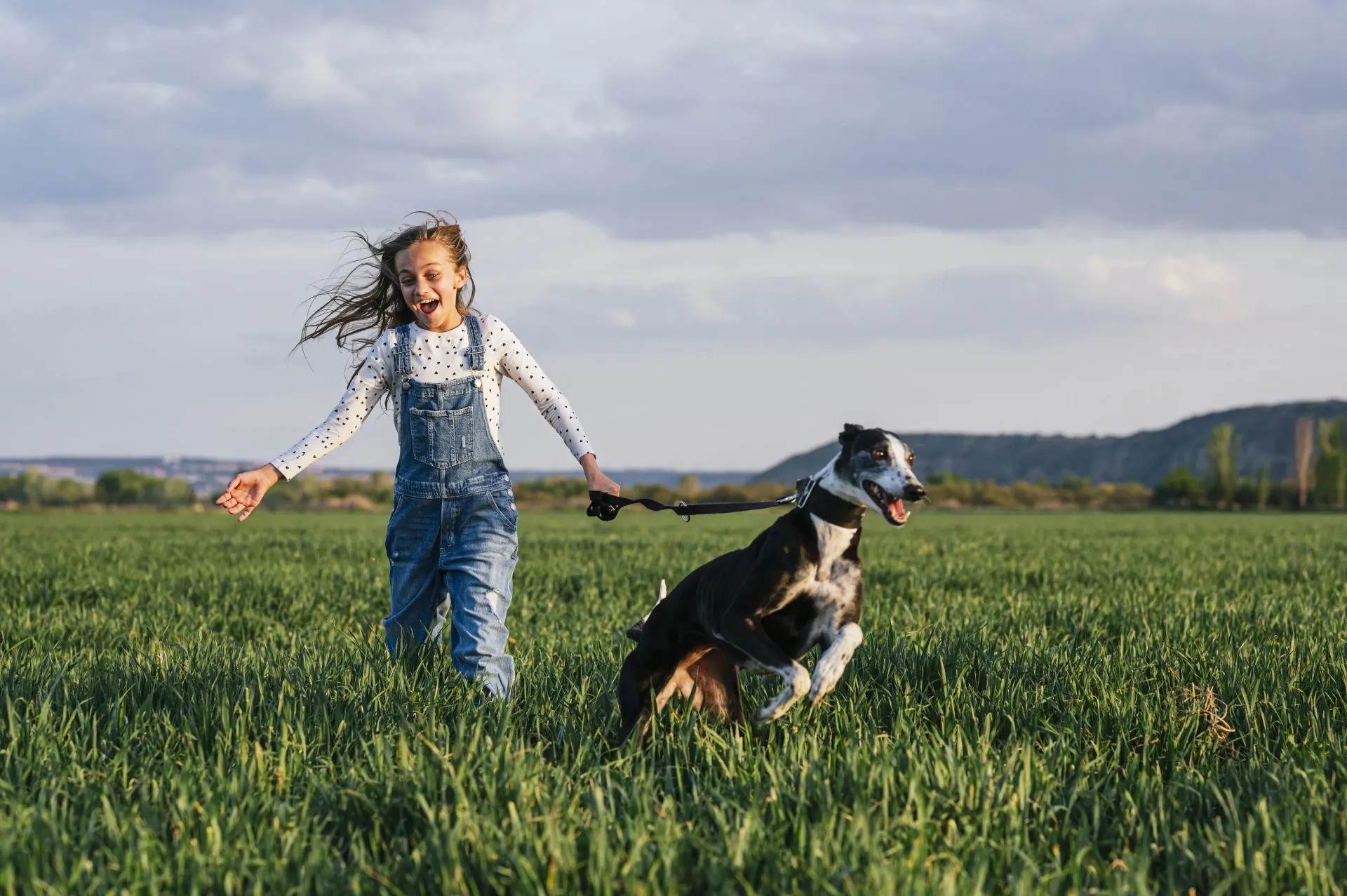
“Well, then they can race around the park, and they can race around the beach, but they won’t be racing on a track and getting themselves injured to the degree that they are getting themselves injured now.”
– Rt Hon Winston Peters, Minister of Racing, in the press conference of 10 December 2024 where it was announced that New Zealand will ban commercial greyhound racing effective 1 August 2026 on animal welfare grounds









 DoggyMom.com