Tag Archives: weight loss

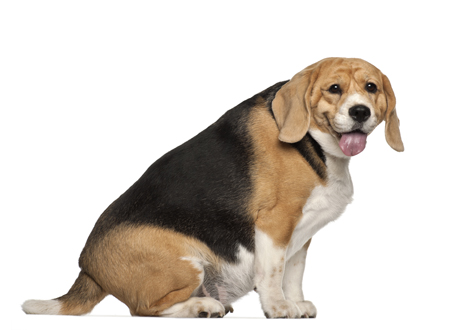
Probiotics help overweight dogs shed weight

Scientists have made significant strides in addressing a common yet concerning issue: overweight pets. This research unveils the potential of specific probiotics to combat obesity in dogs.

Leading the charge is Dr. Younghoon Kim, a distinguished professor at Seoul National University’s Department of Agricultural Biotechnology.

Understanding pet obesity

Dr. Kim’s team, with a focus on metabolic diseases in companion animals, embarked on a mission to identify probiotics that could offer a safe, long-term treatment for dog obesity.

“The initial challenge involved selecting specific metabolic diseases for examination, leading us to focus on the prevalent issue of ‘obesity in pets,’” Dr. Kim explained.

The global trend of pet obesity is alarming, with about 50% of the pet population across various age groups being affected, particularly older pets.

Many of these pets are already receiving treatments, including dietary interventions. Dr. Kim and his team set out with a clear objective: to find probiotics that could effectively reduce body fat percentage in pets.

Tackling dog obesity with probiotics

Dr. Kim’s vision goes beyond just addressing specific health issues. He advocates for a broader recognition of the therapeutic potential of probiotics across a spectrum of diseases affecting companion animals.

“By promoting this awareness, my aspiration is to catalyze increased attention, funding and collaborative efforts in the scientific community to explore the expansive landscape of probiotic applications in pet health,” Dr. Kim stated.

To pinpoint the right probiotic candidates, the research delved into the variations in intestinal microbiota between younger and older dogs.

This investigation highlighted a decline in certain beneficial bacteria, such as lactic acid bacteria, Bifidobacterium species, and Enterococcus species in older dogs.

These findings guided the researchers in selecting specific strains for their experiment.

Two probiotics helped dogs lose weight

The study then progressed to its experimental phase, where two selected strains, Enterococcus faecium IDCC 2102 and Bifidobacterium lactis IDCC 4301, were administered to a group of beagles on a high-fat diet.

The results were striking. “The strains we carefully selected demonstrated remarkable success in reducing the body fat percentage in dogs,” said Kim.

These probiotics effectively reduced body weight, cut down subcutaneous fat, and boosted energy metabolism even on a high-calorie diet, shifting the body’s focus from fat storage to fat consumption.

“What set these strains apart was their ability to not only limit dietary intake or enhance excretion to reduce body weight but, more importantly, activate energy metabolism. Even when exposed to a high-calorie diet, we observed a decrease in body weight, alleviation of subcutaneous fat accumulation and an increase in energy metabolism. This confirmed a shift in the body’s metabolic orientation toward fat consumption, rather than fat accumulation,” Kim explained.

Significantly, this study also highlighted the strains’ impact on systemic inflammation and hormone metabolism.

Long-term benefits of probiotics for dogs

The dogs that received these probiotics showed reduced inflammation and improved metabolic activities, like insulin production.

The strains also increased beneficial commensal bacteria, enhancing the body’s defense mechanisms and immunity.

Dr. Kim emphasized the lasting impact of these changes, indicating sustained benefits for pets incorporating these probiotics into their health regimen. This enduring effect is pivotal in managing long-term health in pets.

With the rise in pet ownership, there’s a growing interest in health functional foods for pets, especially probiotics.

However, research in this area, particularly tailored probiotics for companion animals, lags far behind human studies.

“While types of probiotics suitable for human consumption or commercial livestock have been identified and established, the absence of standardized guidelines for companion animals is a glaring gap,” said Dr. Kim.

“Our study aimed to address this deficiency by striving to broaden the spectrum of probiotics applicable to pets across various environments.”

Promising future of pet probiotics

In summary, this important study led by Dr. Younghoon Kim marks a significant milestone in the fight against pet obesity, unveiling the remarkable potential of specific probiotics to combat this widespread issue.

By meticulously selecting and testing strains, the research team demonstrated their effectiveness in reducing body fat and enhancing metabolism in dogs, while highlighting the long-term health benefits these probiotics offer.

This research paves the way for more tailored health solutions in pet care, encouraging further exploration and development in this vital field.

It stands as a beacon of hope for pet owners worldwide, offering a new, sustainable approach to managing the health and well-being of their beloved companions.

The full study was published in the journal Microbiology Spectrum.

More about probiotics

In the realm of health and wellness, probiotics have emerged as unsung heroes, revolutionizing our understanding of gut health and beyond.

As discussed above, these live microorganisms, often referred to as “good” or “friendly” bacteria, play a critical role in maintaining a balanced intestinal microbiome, which is crucial for overall health.

Balancing the gut

Probiotics primarily work by enhancing the gut flora, which is a complex community of microorganisms living in our digestive tracts.

This boost in beneficial bacteria aids in various digestive processes and fortifies the body’s defense mechanisms against harmful pathogens.

Regular consumption of probiotics has been linked to improved digestion, enhanced immune function, and even a reduction in the risk of certain chronic diseases.

Treating digestive disorders

One of the most significant benefits of probiotics is their ability to treat and prevent gastrointestinal issues, such as irritable bowel syndrome (IBS), inflammatory bowel disease (IBD), and antibiotic-related diarrhea.

By restoring the balance of good bacteria in the gut, which can be disrupted by factors like antibiotics or poor diet, probiotics alleviate these digestive disorders.

Furthermore, emerging research suggests that probiotics may have a broader impact on our health than previously thought.

Studies indicate potential benefits in areas such as mental health, where probiotics are believed to play a role in mood regulation and reducing symptoms of depression and anxiety.

This connection, often referred to as the gut-brain axis, opens new avenues for mental health treatments.

Benefits of probiotics on humans and dogs

Probiotics also show promise in enhancing heart health by lowering LDL (bad) cholesterol levels and blood pressure.

This cardioprotective effect is another feather in the cap of these microscopic powerhouses.

Incorporating probiotics into one’s diet is relatively straightforward. They are found naturally in fermented foods such as yogurt, sauerkraut, kefir, and kimchi.

For those who prefer supplements, a wide range of probiotic capsules and powders are available on the market.

In summary, probiotics are a key component of a holistic approach to health, both for humans and dogs alike. Their wide-ranging benefits, from improving gut health to potentially boosting mental well-being, make them a valuable ally in our quest for a healthier life.

As research continues to uncover their myriad benefits, probiotics are set to play an even more prominent role in our daily health regimen.

Source: Earth.com

Doggy quote of the month for December

pets-like-owners-expand-over-christmas-fanny-wright

Fanny Wright was born in Scotland and was a lecturer, social reformer and feminist.

If you are concerned about your dog’s caloric intake over Christmas, I strongly recommend a massage voucher for a gift – no calories, and we will get your dog moving better so they actually burn more calories which helps with weight loss.

Kathleen Crisley, Fear-Free certified professional and specialist in dog massage, rehabilitation and nutrition/food therapy, The Balanced Dog, Christchurch, New Zealand

Research reveals overweight dogs may live shorter lives

New research from the University of Liverpool and Mars Petcare’s WALTHAM Centre for Pet Nutrition reveals overweight dogs are more likely to have shorter lives than those at ideal body weights.

Results from the study, conducted retrospectively across two decades and published in the Journal of Veterinary Internal Medicine, revealed the lifespan of dogs that were overweight was up to two and a half years shorter when compared to ideal-weight dogs.

fat bulldog

The study examined more than 50,000 dogs across 12 of the most popular dog breeds. The effect of being overweight was seen in all breeds, although the magnitude of the effect differed, ranging from between five months less for male German Shepherds to two years and six months less for male Yorkshire Terriers.

Poorer quality of life

It is estimated that over a quarter of households (26%) in the UK and nearly half in the US (47.6%) own a dog. However despite our affection for canine companions, concern is growing that many pet owners are unaware of the serious health implications of dogs carrying extra weight. Pet obesity is steadily on the rise, with latest figures estimating one in three dogs and cats in the U.S. is overweight.

Although the study did not examine the reasons behind the extra pounds in dogs, feeding habits are thought to play a role in pet obesity. According to a recent Better Cities For Pets survey , more than half (54%) of cat and dog owners always or often give their pet food if they beg for it, and nearly a quarter (22%) of cat and dog owners sometimes overfeed their pet to keep them happy.

Study co-author and Professor of Small Animal Medicine at the University of Liverpool Alex German, said: “Owners are often unaware that their dog is overweight, and many may not realise the impact that it can have on health. What they may not know is that, if their beloved pet is too heavy, they are more likely to suffer from other problems such as joint disease, breathing issues, and certain types of cancer, as well as having a poorer quality of life. These health and wellbeing issues can significantly impact how long they live.

“For many owners, giving food, particularly tasty table scraps and tidbits, is the way we show affection for our pets. Being careful about what you feed your dog could go a long way to keeping them in good shape and enabling them to be around for many years to come.
“Worryingly, it is estimated only one in five pet owners always measures how much food they are giving their pet, with four in five (87%) always or often simply estimating the amount of food they think their pet needs at each serving.”

About the Study

The University of Liverpool and WALTHAM study was a retrospective, observational cohort study that leveraged demographic, geographic and clinical data from dogs that received care at BANFIELD® Pet Hospitals between April 1994 and September 2015. Data were available from 50,787 dogs across 12 of the most popular family breeds: Dachshund, German Shepherd, Golden Retriever, Labrador Retriever, American Cocker Spaniel, Beagle, Boxer, Chihuahua, Pit Bull Terrier, Pomeranian, Shih Tzu, and Yorkshire Terrier. For each breed, the lifespan dogs whose owners reported them to be overweight and those in optimal body condition was compared.

As the largest general-veterinary practice in the world, Banfield has more than 1,000 hospitals across the United States and Puerto Rico comprised of veterinary teams who are committed to providing high-quality veterinary care for more than three million pets annually. The data extracted for this study included demographic (breed, sex, neuter status and date of birth) and geographic (latitude and longitude of the owner’s postcode) variables, plus data collected during in-clinic visits (date of visit, bodyweight and if available body condition), and date of death. Pedigree status and date of birth are both owner-reported parameters and were not verified by veterinary staff.

Source:  University of Liverpool

Pet obesity

October 12th is National Pet Obesity Awareness Day in the USA.  Pet obesity is a ‘first world’ problem; I often see dogs in my practice that are overweight or obese.

This handy obesity chart gives you an idea of how to score your dog’s (and cat’s) body condition:

Layout 1

A vet check is always advisable before starting your dog on a weight loss programme.  In my experience, weight loss isn’t just about dietary changes.  Massage and stretching combined with exercise can help your dog feel  better and move more freely – meaning more calories are burned to assist with any reduction in food intake.

Kathleen Crisley, specialist in dog massage, rehabilitation and nutrition/food therapy, The Balanced Dog, Christchurch, New Zealand

Canine cancer: the warning signs and the way to a cure?

According to the Animal Cancer Foundation, one in four dogs will develop cancer in their lifetime.  That’s a pretty scary statistic.  A diagnosis of a malignant cancer for one’s dog is just as traumatic and worrying as a diagnosis of the disease in any member of the family.

Experts in both human and canine cancers agree that we still have much to learn about the types of these diseases and how to treat them.

The National Veterinary Cancer Registry has been launched recently to identify and register pets diagnosed with cancer.  The Registry’s goal is to facilitate and promote medical treatments that lead to advances, higher success rates and eventual cures for cancer in pets and people by matching animals with cancer to clinical trials for new cancer treatments.

NVCR logo

The Registry is a joint venture between the CARE Foundation, Baylor University Medical Center (BUMC) at Dallas and the Texas Veterinary Oncology Group.

Dr Gerald S Post, Founder and President of the Animal Cancer Foundation says there are 10 warning signs of cancer in both dogs and cats.  They are:

1. Swollen lymph nodes: These “glands” are located all throughout the body but are most easily detected behind the jaw or behind the knee. When these lymph nodes are enlarged they can suggest a common form of cancer called lymphoma. A biopsy or cytology of these enlarged lymph nodes can aid in the diagnosis.

2. An enlarging or changing lump: Any lump on a pet that is rapidly growing or changing in texture or shape should have a biopsy. Lumps belong in biopsy jars, not on pets.

3. Abdominal distension: When the “stomach” or belly becomes rapidly enlarged, this may suggest a mass or tumor in the abdomen or it may indicate some bleeding that is occurring in this area. A radiograph or an ultrasound of the abdomen can be very useful.

4. Chronic weight loss: When a pet is losing weight and you have not put your pet on a diet, you should have your pet checked. This sign is not diagnostic for cancer, but can indicate that something is wrong. Many cancer patients have weight loss.

5. Chronic vomiting or diarrhea: Unexplained vomiting or diarrhea should prompt further investigation. Often tumors of the gastrointestinal tract can cause chronic vomiting and/or diarrhea. Radiographs, ultrasound examinations and endoscopy are useful diagnostic tools when this occurs.

6. Unexplained bleeding: Bleeding from the mouth, nose, penis, vagina or gums that is not due to trauma should be examined. Although bleeding disorders do occur in pets, they usually are discovered while pets are young. If unexplained bleeding starts when a pet is old, a thorough search should be undertaken.

7. Cough: A dry, non-productive cough in an older pet should prompt chest radiographs to be taken. This type of cough is the most common sign of lung cancer. Please remember there are many causes of cough in dogs and cats.

8. Lameness: Unexplained lameness especially in large or giant breed dogs is a very common sign of bone cancer. Radiographs of the affected area are useful for detecting cancer of the bone.

9. Straining to urinate: Straining to urinate and blood in the urine usually indicate a common urinary tract infection; if the straining and bleeding are not rapidly controlled with antibiotics or are recurrent, cancer of the bladder may be the underlying cause. Cystoscopy or other techniques that allow a veterinarian to take a biopsy of the bladder are useful and sometimes necessary to establish a definitive diagnosis in these cases.

10. Oral odor: Oral tumors do occur in pets and can cause a pet to change its food preference (i.e. from hard to soft foods) or cause a pet to change the manner in which it chews its food. Many times a foul odor can be detected in pets with oral tumors. A thorough oral examination with radiographs or CT scan, necessitating sedation, is often necessary to determine the cause of the problem.

The ‘miracle’ of weight loss

I caught up with an acquaintance this week who had asked me a while ago for a recommendation of a vet who could give her a second opinion on her dog’s heart condition.  Her Chihuahua was on many different medications for heart problems and she was not happy with her health or progress.

So I asked her how things were going…and she told me that she had managed to get her dog off all medications.

The miracle cure?  ‘We’ve taken one kilo (2.2 pounds) off of her’

Wow.  A Chihuahua is a very small dog and so a kilo of extra weight is definitely classed as obesity.  Here’s what an obese Chihuahua looks like:

An obese Chihuahua

An obese Chihuahua

It is in your dog’s best interest to manage their weight and keep it in the healthy range.  This is usually achieved with a combination of exercise and a proper diet.

Obesity shortens lives!

Watching your dog’s waistline

Body condition score

Take a look at the chart above.  It shows you how to spot ideal body condition on a dog.  Earlier this week, I was speaking with someone and she commented that she felt Daisy was too thin.  In fact, Daisy had just been to the veterinarian for her health check and was declared to be in ideal condition with an excellent body score.

The problem is that the person speaking with me owns several obese and overweight dogs.  She knows her dogs must lose weight, but she has become so accustomed to seeing an overweight dog that a dog in good condition looks too thin to her.

I work with dogs who need to lose weight by recommending exercise programmes combined with making the dog comfortable through massage, acupressure and laser therapies.  Dogs don’t get fat overnight; their weight loss programmes take a bit of time too.

Over these holidays, please don’t overfeed your dog.  And take the time to review the body conditions listed above.  If your dog isn’t in ideal condition, what do you need to do to get them there?

Another reason to keep your dog fit and trim

University of Liverpool researchers have found that obese dogs can experience metabolic syndrome, a condition that describes multiple health issues that occur in the body at the same time.  Obese humans suffer from the same syndrome.

The condition occurs when a number of health problems, such as increased blood glucose and increased cholesterol levels, develop together, with the potential to increase the risk of other diseases, such as cardiovascular disease and diabetes.

In a study of 35 obese dogs, 20% had metabolic syndrome.  These dogs had increased blood insulin which suggests that the pancreas is working harder than normal.  Blood adiponectin, a protein produced by fat cells that helps control sugars and fats, was also at lower levels than normal.

The metabolic abnormalities improved when the dogs successfully lost weight.

The research team admits that they have to study the impacts in more detail to understand the health implications of metabolic syndrome.

However, why wait for more studies?  If your dog is overweight we already know that their quality of life improves with weight loss.

Source: University of Liverpool media release

Quality of life improves when obese dogs shed excess weight

Researchers at the University of Liverpool have published the results of a study into the quality of life of obese dogs in The Veterinary Journal.

The researchers tracked various quality of life indicators with the owners of 50 dogs who were classified as obese.  These dogs were of various breeds and a mixture of males and females.   The same questionnaire was repeated once the dogs went through a weight loss programme (for the dogs that were successful in losing weight, and those that were not).

Photo courtesy of University of Liverpool

The vitality scores for the dogs that lost weight increased and their scores for emotional disturbance and pain decreased. The more body fat that the dogs lost, the greater their improvement in vitality.

Some people may think ‘these results are a no-brainer’ but in veterinary and other clinical medicine fields, the norm is ‘evidence-based medicine.’  That is, practitioners like veterinarians want results from research that is measurable and defensible when applying or recommending treatments.

Since obesity is linked to problems with the heart, arthritis and other conditions, research likes this helps to underpin the importance of the healthy weight message.

The same basic principles for weight loss in dogs apply to humans:  use portion control, increase exercise and activity, and eat healthy foods.