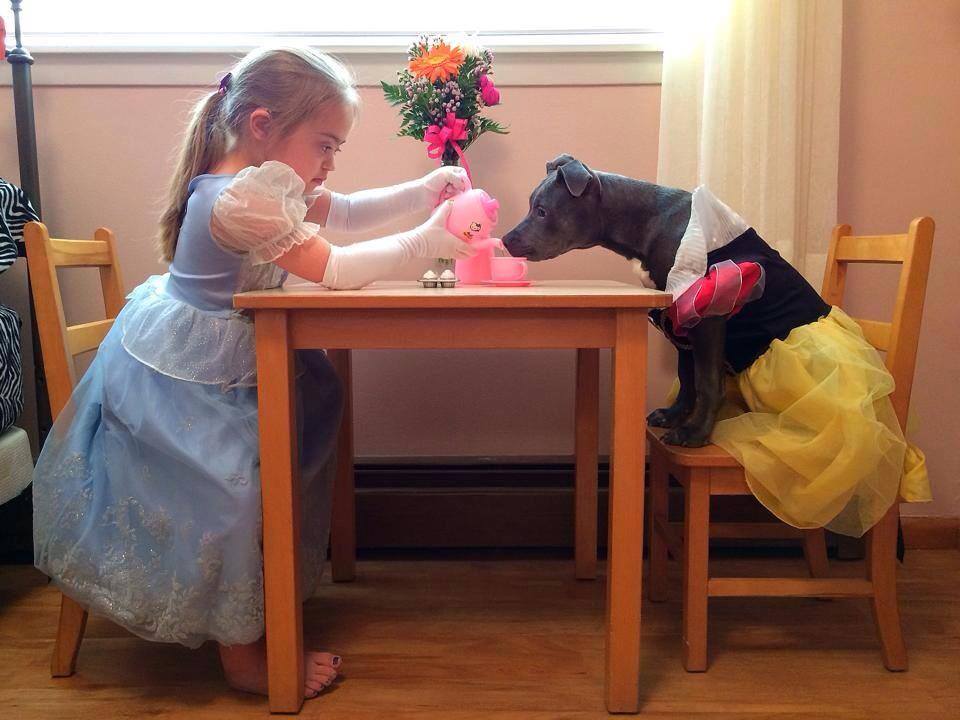
Sometimes when the house goes really quiet, it pays to investigate.
This morning, I found Daisy in the kitchen rubbish bin….


Sometimes when the house goes really quiet, it pays to investigate.
This morning, I found Daisy in the kitchen rubbish bin….
In the aftermath of the Christchurch 2011 earthquake, officials had difficulty identifying the status of dogs at civil defence centers. If you were the owner of a disability assistance dog, this made things more difficult in what was already a stressful time.

In December 2013, the Minister of Civil Defence, the Hon Nikki Kaye, announce the production of a Disability Assist Dog tag that will be officially recognised throughout New Zealand. The tags will be entered into the National Dog Database and provide unique identification for each dog, linking it to its owner/handler and the organisation that certified the dog. These tags will be help match lost dogs and owners much faster and ensure that handlers and their dogs are allowed entry to official civil defence centers.
(Dogs are also micro-chipped in New Zealand; this is compulsory)
Seven organisations are authorised under the Dog Control Act 1996 to train and certify disability assist dogs. Only dogs certified through these organisations will qualify to wear the official identification tag:
What programs are in place in your country to support owners/handlers and their assistance dogs?
Posted in animal welfare, special dogs and awards
Tagged assistance dogs, assistance dogs New Zealand, Civil Defence, disability assist dogs, disability assistance dog, Dogs Trust, epilipsy assist dogs, hearing dogs, Ministry of Civil Defence, mobility assistance dogs, New Zealand, Nikki Kaye, perfect partners assistance dogs trust, Royal New Zealand Foundation for the Blind
Officials in Sochi have hired a private extermination company, Basya Service, to cull stray dogs from the streets in preparation for the Winter Olympics.
For months, animal welfare groups have been protesting against the poisoning of the dogs in the city, which has a large stray dog population. There were promises that the practice would stop, but it appears Russian officials have decided that if they can’t poison the dogs, they’ll simply kill them another way.
The manager of Basya Service, Alexei Sorokin, has told the Associated Press that the dogs are ‘biological trash.’ Justifying the mass killing, he says that it would reflect badly on Russia if someone where attacked or bitten by a stray dog.
Clearly killing dogs is something that he doesn’t think will reflect badly on the country!
Well, if dogs are biological trash then this is one person who won’t be watching or supporting the Olympic Games, which open on Friday. Join me in doing this and don’t support any products that are made or sourced in Russia.
Posted in animal welfare
Tagged Alexei Sorokin, Basya Service, dog cull, dogs in the city, Olympics, Russia, Sochi, stray dog, Winter Olympics
Elvis is a very special beagle. He’s been trained to sniff the feces of polar bears to determine if they are pregnant and his success rate is 97%.

Photo by Cincinnati Zoo
Traditional pregnancy detection methods like hormone monitoring and ultrasounds don’t perform well when testing polar bears for pregnancy. Scientists at Cincinnati’s Center for Conservation & Research of Endangered Wildlife decided to try the beagle training since beagles perform so well as detector dogs in other settings.
Elvis is only 2 years old and so he hopefully has a long life ahead of him helping zoos in the United States determine if their polar bears are pregnant.
Climate change is causing a decrease in the amount of sea ice, which is affecting the polar bear population because it reduces their hunting season. There have also been reports of drowned polar bears being found in the Arctic Ocean; the bears have become exhausted when swimming because of the increased times it is taking for them to reach the safety of ice again.
Polar bears have been listed as a Threatened Species under the Endangered Species Act. The number of Polar Bears in the wild is expected to decline primarily due to starvation and decreased reproduction.

Photo by Sonya Bowditch
Have you ever considered that the things you say to your dog are a reflection of what you would like to hear? Food for thought…
Posted in dog ownership, Dogs
Tagged feedback, positive reinforcement, praise, psychology, training
Researchers at the University of Alabama at Birmingham say that senior drivers who always take their dog in the car are at an increased risk of being involved in an accident.

Photo courtesy of University of Alabama
Overall and at-fault crash rates for drivers 70 years of age or older were higher for those whose pet habitually rode with them.
“This is the first study to evaluate the presence of pets in a vehicle as a potential internal distraction for elderly drivers,” said Gerald McGwin, Ph.D., a professor in the Departments of Epidemiology, Ophthalmology and Surgery and senior author of the study. “The increased crash rate for elderly drivers who always drive with pets is important in the context of increasing driver awareness about potentially dangerous driving habits.”
The crash risk for drivers who always drove with their pets was double that of drivers who never drove with a pet, while crash rates for those who sometimes or rarely drove with pets were consistent with the rates for non-pet owners.
The study involved 2,000 community-dwelling (those who do not live in assisted living or nursing homes) licensed drivers age 70 and older, of whom 691 had pets. Study subjects took a survey on driving habits, and those with pets were asked about the frequency of driving with pets. Participants also underwent visual sensory and higher-order visual processing testing.
More than half the pet owners said they took their pet with them in the car at least occasionally, usually riding on the front passenger seat or in the back seat.
“That is consistent with previous studies looking at all drivers, which indicate that slightly more than half of all drivers take a pet with them at times,” said McGwin. “And it’s interesting to note that earlier surveys indicate that 83 percent of those surveyed agreed that an unrestrained dog was likely dangerous in a moving vehicle, yet only 16 percent have ever used any type of restraint on their own pet.”
I’d really like to see a study comparing accident rates with properly restrained pets and those without. I support the use of safety harnesses for dogs who are traveling in cars and am consistently amazed at the number of people who allow their dog in the car without restraint.
The research team has published its research in the journal Accident Analysis and Prevention.
Megaesophagus is a condition where the muscles of the esophagus fail, similar to a limp balloon that has inflated several times and lost its elasticity: When the condition is present, the esophagus doesn’t contract normally and food can’t make it down into the stomach to be digested. Food can ‘pool’ in the esophagus causing regurgitation. Worse, the undigested food can be inhaled leading to a condition called aspiration pneumonia. Megaesophagus can affect puppies and adult dogs.
Vets normally have to diagnose the condition from its range of symptoms which include:
Megaesophagus is a condition that can be managed, but it does take a dedicated and vigilant dog parent to do this.

Dogs with the condition have to eat and drink in a device called a Bailey Chair. The chair allows the dog to sit in an upright position for an extended period of time. A megaesophagus dog needs to be fed in the chair and kept upright for at least 20 minutes to allow gravity to take the food and water into the stomach.
Dogs with megaesophagus have special nutritional needs, too. Since dogs with this condition can’t drink normally, they often need water added to their meals and to receive high moisture treats that are thickened with gelatin or other ingredients.
A megaesophagus dog needs a diet that is calorie rich and nutritious but without too much fibre. Raw foods are a special risk to these dogs because of their sensitive digestive systems. There’s also a risk of bacterial contamination, particularly if even small amounts of raw food are aspirated.
Prescription medications like Carafate liquid can also help these dogs because it provides a protective coating for the esophagus.
It’s also important to think holistically for these dogs, with support with Bach flower remedies, herbs and supplements. In my practice, I work with the dogs to keep their digestive systems healthy through massage and acupressure and nutrition. The spleen, liver and stomach all need support when a dog has megaesophagus.
In older dogs with arthritis, having to sit in a Bailey Chair presents additional challenges that require holistic veterinary care.
The good news is that megaesophagus doesn’t mean a death sentence. It does mean that your special dog will need special care and attention to maintain its health throughout its lifetime.
Kathleen Crisley, specialist in dog massage, rehabilitation and nutrition, Canine Catering Ltd, Christchurch, New Zealand
Posted in dog care
Tagged acupressure, aspiration pneumonia, Bailey Chair, Carafate, Dog, dogs, massage, megaesophagus, vomiting