Author Archives: DoggyMom.com

No simple way of predicting breathing difficulties in pugs, French bulldogs and bulldogs from external features

As many as a half of all short-nosed dogs such as pugs, French bulldogs and bulldogs experience breathing difficulties related to their facial structure. However, research published by the University of Cambridge suggests that there is no way to accurately predict from visible features whether an apparently healthy pug or French bulldog will go on to develop breathing difficulties.

The findings have implications for attempts to ‘breed out’ this potentially life-threatening condition.

French bulldog.jpg

Pugs and bulldogs have become popular breeds in recent years – the French bulldog is set to become the UK’s most popular canine, according to the Kennel Club. However, a significant proportion are affected by a condition known as Brachycephalic Obstructive Airway Syndrome (BOAS) related to their head structure.

Studies suggest that for over half of such dogs, BOAS may lead to health problems, causing not just snoring but also difficulty exercising and potentially overheating. It can even prove life-threating. But as symptoms often do not arise until after the dog has begun breeding, veterinary scientists have been searching for markers that can predict whether a dog is likely to develop breathing difficulties – and hence potentially help breed out the condition.

A study in 2015 led by researchers at the Royal Veterinary College, University of London, working across many breeds suggested that dogs whose muzzles comprised less than half their cranial lengths and dogs with thicker neck girths were at increased risk of BOAS. However, this new study suggests that these measures applied to individual breeds are not dependable for this purpose.

The Cambridge researchers took external measurements of features of head and neck shape, and of the external appearance of nostrils, together with measurements of body size and body condition score (an approximation to the degree of fatness/obesity) in just over 600 pugs, bulldogs and French bulldogs, the most numerous breeds that show this problem. Each of the dogs had also been graded objectively for respiratory function.

The team found that while the external head measurements did have some predictive value for respiratory function, the relationship was not strong, and the measurements that showed the best predictive relationship to BOAS differed between breeds. They were unable to reproduce conclusively the findings from the previous study by the Royal Veterinary College in any breed.

“It can be incredibly difficult to take measurements such as distance between eyes or length of nose accurately, even for experienced vets, as the dogs don’t keep still,” says Dr Jane Ladlow, joint lead author. “This may explain why it is so difficult to replicate the findings of the previous study or find any conclusive markers in our own.”

Neck girth was a slightly more reproducible measurement, and larger neck girth in comparison to chest girth or neck length was associated with disease in the bulldogs and French bulldogs. In male bulldogs, neck girth showed a close enough association with disease to give moderately good predictive accuracy for the presence of clinically significant BOAS.

The best measure identified by the Cambridge team was the degree of nostril opening, which proved a moderately good predictor of the presence and severity of BOAS in pugs and French bulldogs, and was also a useful marker for disease in bulldogs.

Altogether the variables measured, when combined, gave an 80% accuracy in predicting whether or not dogs will have BOAS, the difficulty of taking some of the measurements accurately, and the need to make multiple measurements and combine them in order to produce a prediction means that the researchers would not recommend using them as a guide to breeding.

Dr Nai-Chieh Liu, first author of the study, says: “Breeding for open nostrils is probably the best simple way to improve these breeds. Dog breeders should also avoid using dogs with extremely short muzzles, wide faces, and thick necks. These traits are all associated with increased risk of having BOAS.”

Joint lead author Dr David Sargan adds “At this moment there is no conclusive way of predicting whether any individual pug or bulldog will develop breathing difficulties, so we are now looking for genetic tests that may help breeders get rid of BOAS more rapidly.

“The best advice we can give to owners of short-nosed dogs is to make sure you get your dog checked annually for any potential difficulties in breathing, even if you have not yourself observed any in your dog, and to keep your dog fit and not let it get fat.”

Source:  University of Cambridge media release

Happy National Book Lovers Day

I have a large and growing collection of dog books in my home.  I don’t own a Kindle or other form of e-reader and prefer to hold a real book in my hands.

Today – 9th August – is National Book Lovers Day in the USA.

And in honor of this day, I’m sharing one of my favourite books – which also happens to be one of the first dog books of my collection – Dogs and Their Women by Barbara Cohen and Louise Taylor.

Published in 1989, Dogs and Their Women is a collection of photographs and stories which celebrate the emotional bond between dogs and their women. I remember seeing it in the window of a local bookshop and asking for a copy for Christmas.Dogs and their women

All of the photos in the book are in black and white, which is another reason why I like this book.  Black and white photos seem to preserve very well and they have a depth to them that many colour photos lack.

Although the hair styles and clothes are now very dated, the sentiments of the stories are timeless.

Here’s just a taste:

“A former Grade A racer, Touch would have been destroyed  because of an injury incurred while racing, had I not adopted him…”

Copies of this out-of-print book are available online through websites like Abe Books for only a few dollars.

Kathleen Crisley, specialist in dog massage, rehabilitation and nutrition/food therapy, The Balanced Dog, Christchurch, New Zealand

Fish oil supplements – beware!

I regularly see posts on Facebook about supplementing dogs with fish oils.  I meet new clients fairly regularly who feel they are doing the right thing by feeding fish oil supplements to their dogs as a source of Omega 3 and for anti-inflammatory support.

However, most owners seem unaware of the studies that most commercial fish oil supplements in New Zealand are oxidised – meaning that the levels of polyunsaturated fatty acids is dramatically lower than claimed on the label.  I’m not in favour of ingesting rancid oils!

In fact, this 2015 study found that only 8% of the supplements tested in the New Zealand market met the levels expected by international recommendations.  And higher-priced supplements and those with brand name labels were no indicators of better quality.

Another study based on supplements available in Canada showed that 50% of the supplements tested were oxidised.

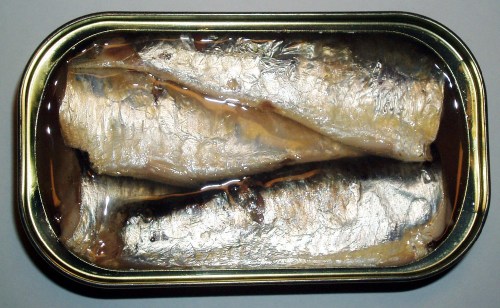
In keeping with my philosophy of food as a source of wellness, I’ve moved away from the concept of fish oil supplementation using commercial supplements and instead choose real-life salmon and sardines as a source of fish oils.

If I was a dog, I’d choose a few sardines over a fish oil capsule any day!

tinned sardines

Kathleen Crisley, specialist in dog massage, rehabilitation and nutrition/food therapy, The Balanced Dog, Christchurch, New Zealand

UCLA researcher finds that feeding pets creates the equivalent of 64 million tons of carbon dioxide a year

Note from DoggyMom:  It’s important for us to understand the environmental impacts of our activities.

On a scale with the huge consumption of meat in the USA, not to mention the environmental impacts of livestock production in other countries such as New Zealand’s dairy industry, the impact of pets is minor in comparison.

I recommend home-cooking and particularly the use of toppers with commercial foods to use meat leftovers and organ meats that we often discard.  But more importantly, if you move your human family to a plant-based diet, this will hugely offset any impacts from your pets eating meat!


With many Americans choosing to eat less meat in recent years, often to help reduce the environmental effect of meat production, UCLA geography professor Gregory Okin began to wonder how much feeding pets contributes to issues like climate change.

All that meat has important consequences. Okin calculated that meat-eating by dogs and cats creates the equivalent of about 64 million tons of carbon dioxide a year, which has about the same climate impact as a year’s worth of driving from 13.6 million cars.

dog eating food out of a bowl

Photo by: Patricia Marroquin/UCLA

“I like dogs and cats, and I’m definitely not recommending that people get rid of their pets or put them on a vegetarian diet, which would be unhealthy,” Okin said. “But I do think we should consider all the impacts that pets have so we can have an honest conversation about them. Pets have many benefits, but also a huge environmental impact.”

In a paper published  in the journal PLOS One, Okin says he found that cats and dogs are responsible for 25 to 30 percent of the environmental impact of meat consumption in the United States. If Americans’ 163 million Fidos and Felixes comprised a separate country, their fluffy nation would rank fifth in global meat consumption, Okin calculated, behind only Russia, Brazil, the United States and China. And it all has to go somewhere — America’s pets produce about 5.1 million tons of feces in a year, as much as 90 million Americans. If all that were thrown in the trash, it would rival the total trash production of Massachusetts — from the humans, at least.

Compared to a plant-based diet, meat requires more energy, land and water to produce, and has greater environmental consequences in terms of erosion, pesticides and waste, Okin noted. Previous studies have found that the American diet produces the equivalent of 260 million tons of carbon dioxide from livestock production. By calculating and comparing how much meat 163 million cats and dogs eat compared to 321 million Americans, Okin determined how many tons of greenhouse gases are tied to pet food.

His calculations start with publicly available information, like the number of dogs and cats in the country and the ingredients in market-leading pet foods, leading to complicated equations like the mathematical menagerie below, and producing estimates that create a starting point for conversation.

He found that the nation’s dogs and cats eat about 19 percent as many calories as the nation’s people, on par with all the calories consumed by the population of France in a year. Because dog and cat food tends to have more meat than the average human diet, this means that dogs and cats consume about 25 percent of the total calories derived from animals in the United States.

Okin, a member of UCLA’s Institute of the Environment and Sustainability, usually researches dust bowls, desert landscape dynamics and wind erosion, and how those things can impact individual ecosystems and the global climate. Pinning down the environmental impact of canine companions and feline friends was more of an — ahem — pet project that occurred to him while he was thinking about the growing trend of raising backyard chickens.

“I was thinking about how cool it is that chickens are vegetarian and make protein for us to eat, whereas many other pets eat a lot of protein from meat,” he said. “And that got me thinking — how much meat do our pets eat?”

Okin recognizes that some of the products in pet food aren’t something people should or would eat. But some of it is. In his research, he confirmed his hunch that premium pet foods usually contain more animal products than other brands, and that premium pet food purchases are increasing. As growing numbers of people consider pets less as animals and more as family members, Okin said, pampering has increased and the options for pet food with high-quality meat has kept pace. This means pets are increasingly eating cuts of meat suitable for humans.

“A dog doesn’t need to eat steak,” Okin said. “A dog can eat things a human sincerely can’t. So what if we could turn some of that pet food into people chow?”

A commitment to snout-to-tail consumption, where as much rendered product as possible is produced for human use, could significantly reduce national meat consumption. Okin estimates that if even a quarter of the meat in pet food could be consumed by humans, it would equal the amount of meat consumed by 26 million Americans, nearly the population of Texas. Okin noted that ideas about what is edible vary dramatically by culture. He also pointed to a controversy in 2012 about “pink slime,” also called lean finely textured beef.

“It’s perfectly edible and completely safe, but it’s unappetizing, so people don’t want it in their food,” Okin said. “But frankly, it’s a good, inexpensive protein source.”

As eating less meat expands from vegetarian to environmental circles as a way to reduce one’s carbon footprint, considering what to feed pets is a natural next step, Okin said. It’s not just an issue in the United States, he noted. In places like China, Brazil and other emerging countries, as the population becomes more affluent, they’re eating more meat and they’re getting more pets.

“I’m not a vegetarian, but eating meat does come at a cost,” he continued. “Those of us in favor of eating or serving meat need to be able to have an informed conversation about our choices, and that includes the choices we make for our pets.”

He doesn’t see a simple solution. Pets provide friendship and other social, health and emotional benefits that can’t be discounted, Okin said. People concerned about meat intake could consider vegetarian pets, like birds or hamsters, he suggested. The pet food industry, he noted, is also beginning to take steps toward sustainability, and could work to reduce overfeeding and consider alternative sources of protein. But it’s a complicated issue, and where pets are concerned, Okin knows it’s important to have a sense of humor about it.

“Maybe we could all have little ponies,” he said, half-jokingly. “We’d all get more exercise taking them for walks, and they would also mow the lawn.”

Source:  UCLA Newsroom

Elevated cholesterol’s link with canine osteosarcoma includes a better prognosis

Note from Doggy Mom:  I follow lots of areas of research in the canine field, but anything to do with osteosarcoma is interesting to me since greyhounds are known for suffering from this type of cancer.  Izzy is a greyhound!


Usually thought of as a health detriment, elevated cholesterol may play a role in longer survival times for dogs with a common form of bone cancer.

In addition to their veterinary significance, the findings by Oregon State University researchers advance the understanding of a type of malignant tumor, osteosarcoma, that’s often diagnosed in humans as well, typically afflicting teenagers and young adults.

Dog with cancer

A dog with osteosarcoma; Photo courtesy of Oregon State University

“This is one of the first steps into identifying cholesterol as a potential biomarker for canine osteosarcoma,” said Haley Leeper, a veterinary oncology resident at the OSU College of Veterinary Medicine. “We don’t have answers as to why high cholesterol is associated with this disease and with a better prognosis, but we’re hoping to advance these findings in future research.”

Leeper and collaborators at OSU and Iowa State University compared 64 dogs with osteosarcoma against two control groups: 30 dogs that had suffered traumatic bone fractures and 31 healthy dogs similar in age and weight to the animals with cancer.

Researchers found nearly half of the dogs with cancer – 29 of the 64 – had elevated levels of total serum cholesterol, a dramatically higher rate than occurred in either control population; just three of the 30 dogs with broken bones, and only two of the 31 healthy animals, showed high cholesterol.

Of the dogs stricken with osteosarcoma, 35 had the cancer in a leg which was subsequently amputated, followed by chemotherapy, which is the standard-of-care treatment; the dogs with elevated total cholesterol had a median survival time of 455 days, more than 200 days greater than the median survival time  for dogs with normal cholesterol.

“When people think of cholesterol they think of cheeseburgers and heart attacks,” Leeper said. “However, cholesterol is involved with many key processes and structures in the body like cell membranes, bone health and the immune system.”

Future studies that follow dogs long term and look at specific lipid content in the blood may shed light on the mechanisms behind cholesterol’s role in enhanced survival, Leeper said.

“There are a lot of things we plan on investigating,” she said. “This is exciting and fascinating, partly due to the comparative medical aspects between human research and our research.”

Source:  Oregon State University media release

Doggy quote of the month for August

“The charming relations I have had with a long succession of dogs results from their happy spontaneity.  Usually they are quick to discover that I can not see or hear.  Considerately they rise as I come near, so that I may not stumble.  It is not training but love which impels them to break the silence about me with the thud of a tail rippling against my chair, or gambols round the study, or news conveyed by expressive ear, nose, and paw.  Often I yearn to give them speech, their motions are so eloquent with things they can not say.  Truly, as companions, friends, equals in opportunities of self-expression, they unfold to me the dignity of creation, and in their joy smiles the blessing of St. Francis.”

– Helen Keller in A Tribute to a Dog

Helen Keller with companions

Helen Keller with Phiz (a Boston Terrier). Photo courtesy of Perkins School for the Blind

Dog walking could be key to ensuring activity in later life

A new study has shown that regularly walking a dog boosts levels of physical activity in older people, especially during the winter.

Published in the Journal of Epidemiology and Community Health, the study used data from the EPIC Norfolk cohort study, which is tracking the health and wellbeing of thousands of residents of the English county of Norfolk.

The researchers from the University of East Anglia (UEA) and Centre for Diet and Activity Research (CEDAR) at the University of Cambridge found that owning or walking a dog was one of the most effective ways to beat the usual decline in later-life activity, even combatting the effects of bad weather.

Dog owners were sedentary for 30 minutes less per day, on average.

More than 3000 older-adults participating in the study were asked if they owned a dog and if they walked one. They also wore an accelerometer, a small electronic device that constantly measured their physical activity level over a seven-day period.

As bad weather and short days are known to be one of the biggest barriers to staying active outdoors, the researchers linked this data to the weather conditions experienced and sunrise and sunset times on each day of the study.

Lead author of the paper, Dr Yu-Tzu Wu, said “We know that physical activity levels decline as we age, but we’re less sure about the most effective things we can do to help people maintain their activity as they get older.

“We found that dog walkers were much more physically active and spent less time sitting overall. We expected this, but when we looked at how the amount of physical activity participants undertook each day varied by weather conditions, we were really surprised at the size of the differences between those who walked dogs and the rest of the study participants.”

The team found that on shorter days and those that were colder and wetter, all participants tended to be less physically active and spent more time sitting. Yet dog walkers were much less impacted by these poor conditions.

Project lead Prof Andy Jones, from UEA’s Norwich Medical School, said: “We were amazed to find that dog walkers were on average more physically active and spent less time sitting on the coldest, wettest, and darkest days than non-dog owners were on long, sunny, and warm summer days. The size of the difference we observed between these groups was much larger than we typically find for interventions such as group physical activity sessions that are often used to help people remain active.”

The researchers caution against recommending everyone owns a dog, as not everyone is able to look after a pet, but they suggest these findings point to new directions for programmes to support activity.

Prof Jones said: “Physical activity interventions typically try and support people to be active by focussing on the benefits to themselves, but dog walking is also driven by the needs of the animal. Being driven by something other than our own needs might be a really potent motivator and we need to find ways of tapping into it when designing exercise interventions in the future.”

Source:  University of East Anglia press release


A perspective on time, a precious resource

Time is a precious resource.  We only have so much time in our day – you don’t get any more or any less than anyone else.

I have often said that one of the most important things we have to give our dogs is our time.  Time for play, time for love, time for care…That said, since I often work with sick or elderly dogs in my massage practice, I am also very mindful of how time can get away on us.

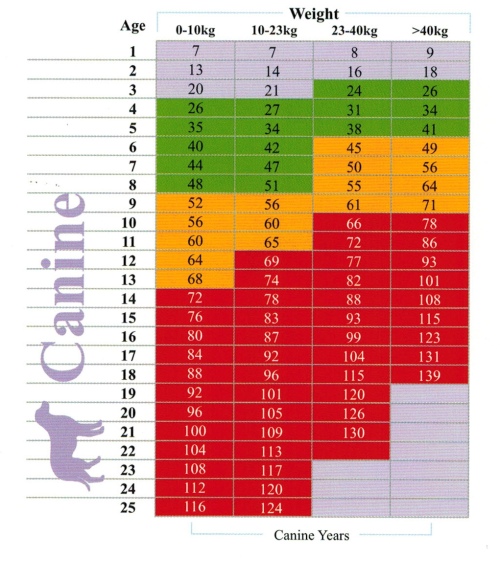
Our dogs live at a different time scale than we do.  There are many illustrations of the this  – here’s just one:

dog age chart

With our dogs aging at a faster rate than we do,  we don’t always understand the impact of a delay.

For example:

I meet many dog owners who come to see me because they have a fear of putting their dog on medications such as those that are used for arthritis.  Let me be clear on this – although I practice natural therapies – I am not against using traditional medications like non-steroidal anti-inflammatory drugs (NSAIDs).  Actually, quite the opposite.

Many dogs benefit from pain relief just like we humans do.

One of the better ways to assess the levels of pain in a dog is to give it a short course of NSAIDs and simply watch for changes in the dog’s behaviour and levels of activity.   If the dog improves, this is often the best indicator we have about the dog’s level of discomfort.

If pain is managed, then we can do even more hands-on work like acupressure, stretching, acupuncture and massage and this often means dosages of the ‘hard drugs’ can be reduced without sacrificing pain management.

In this example, the owner is hesitating to make a decision on using medication – even with the idea that we go into the arrangement knowing the medications will be used for only a short period – perhaps 2-3 weeks.

The dog weighs 25 kg and is 10 years old.

I start working with the dog and suggest a number of times that I believe the dog is in pain or at a minimum – uncomfortable.

The owner takes 2 months to make a decision before agreeing to try some pain relief.

In human years, since the dog is aging at a rate of 6 years to 1 human year at this life stage… 

The owner has waited the equivalent of one human year to make a decision!

 I will ask– if this was your grandma/grandpa/father/mother –  would you allow them to live like this without pain relief?

The answer has always been ‘no.’

We have a duty to care for our dogs which involves acting in their best interests.  They can’t tell us in words how much pain they are in, it’s up to us to figure it out.  And in deciding what to do, we must always be mindful of how precious time is.

Kathleen Crisley, specialist in dog massage, rehabilitation and nutrition/food therapy, The Balanced Dog, Christchurch, New Zealand

Search and rescue dogs do their job despite travel stress

When disaster strikes, you want the very best tools, functioning at their peak. In the case of catastrophic earthquakes, tornadoes, or even bombings in war zones, those tools are search and rescue dogs. But researchers have found that getting dogs to disaster sites can add to the animals’ stress.

“We’ve spent $16 billion in this country trying to come up with a machine that can sniff better than dogs, and we haven’t done it yet. Search and rescue animals can save lives, protect our soldiers in the field, and locate survivors after a disaster. We want to know how we can manage them so we can protect their performance, because their performance impacts human lives. That’s the reason behind what we do,” says Erin Perry, an assistant professor in the Department of Animal Science, Food and Nutrition at Southern Illinois University.

Perry, who has also been a canine handler in the Department of Homeland Security for the past 14 years, teamed up with University of Illinois animal scientist Kelly Swanson and others at U of I to learn how stress affects the animals’ performance on the job.

Search and rescue dogs fly on a moment’s notice to the site of a disaster, where they are expected to perform at the top of their game. But, just like for humans, flying can be stressful for dogs. The research team designed two preliminary studies to evaluate the effect of air travel stress on the animals’ physiology and job performance.

“Some dogs are like, ‘I’ve flown before, no big deal,’ but others, even if they’ve flown before, still show stress behaviors, and can have elevated body temperature or diarrhea,” says Swanson, Kraft Foods Human Nutrition Endowed Professor in the Department of Animal Sciences and the Division of Nutritional Sciences at U of I.

Dog owners may be familiar with the tendency towards loose stools when their animals are stressed. One of the reasons for that may be a stress-induced change in gut physiology and shift in the gut microbiome, the community of microbes that inhabit the mammalian gut. Paired with a more permeable [or leaky] gut lining, also triggered by stress, “bad” microbes can gain an advantage and cause upset stomachs. These symptoms have been observed in search and rescue dogs when traveling to a work site, but no one had ever studied the dogs’ microbiome.

In one of the studies by Perry and Swanson’s team, search and rescue dogs were flown for 2.5 hours in the cabin of a commercial airliner to the job site. In the other, dogs were “hot loaded” into a helicopter – blades whirling – for a quick 30-minute flight to the site. The team looked at slightly different factors in each study, but for both, they examined changes in the makeup of the microbiome and performance on the job.

Helicopter Study dogs approaching_1

Dogs being loaded into a helicopter

The helicopter flight caused spikes in body temperature and the stress hormone cortisol, but the researchers didn’t observe changes in the makeup of the dogs’ microbiomes. Dogs that entered an airport, went through security, and flew for a longer period on the commercial flight showed an interesting microbial shift.

“Microbial beta diversity, which is a measure of the presence and abundance of bacterial taxa, was different between dogs that traveled compared to those that did not. Travel led to greater relative abundances of Clostridia and Bacteroidaceae populations, two of the more predominant microbial groups in the gastrointestinal tract,” Swanson explains. He says more research is needed to understand how such changes may impact the long-term health of search and rescue dogs.

But the most impressive finding in both studies was the fact that there was no effect of air travel stress on the dogs’ job performance. “They showed behavioral stress, their gut was completely turned upside down, their bloodwork showed significant effects, and it didn’t matter. They still went to work and performed beautifully,” Perry says. “Even though we see physiological impacts on these dogs, they’re such amazing athletes that they overcome the physical and environmental stress and just do their job.”

Although travel didn’t impact the dogs’ performance in these preliminary studies, the researchers emphasized that stress can occasionally cause search and rescue dogs to miss work. But gaining new insight into canine stress responses, particularly the way stress affects the microbiome, may pave the way towards potential solutions for both working and companion animals.

“We’ve all owned dogs that were scared of lightning, vacuum cleaners, those innocuous day-to-day experiences,” Perry says. “Having a better understanding of what causes stress and how to compensate for it helps every dog, not just the ones that are out there saving lives.”

Swanson adds, “These small studies are just a starting point. In the future, we hope to apply these findings to larger studies focused on various stressor types and a longer duration of stress, similar to that experienced in the field during times of emergency. Our goals will be to develop and evaluate nutritional interventions and/or management strategies that avoid negative physiologic effects and maintain performance.”

Source:  University of Illinois media release

The truffle dog

In Canterbury (New Zealand), we are halfway through the third annual Truffle Festival.

This is a celebration of the gourmet fungus known as truffles and of course the food and wine that go with these delicacies.  You can think of truffles as a sort of underground mushroom that only grows in certain soils.

The alkaline soils of Waipara and surrounding areas of North Canterbury make ideal growing media for truffles.

Hard at work in Waipara is Rosie the Beagle who lives at Limestone Hills.  Back in 2013, I visited the farm and watched Rosie in action – she’s a truffle dog – trained to sniff out the truffles so they can be harvested.

Good girl, Rosie!

Rosie the Beagle 2013

Kathleen Crisley, specialist in dog massage, rehabilitation and nutrition/food therapy, The Balanced Dog, Christchurch, New Zealand