
Stanley Coren is a well-known psychology professor and writer about the intelligence and mental abilities of dogs

Stanley Coren is a well-known psychology professor and writer about the intelligence and mental abilities of dogs
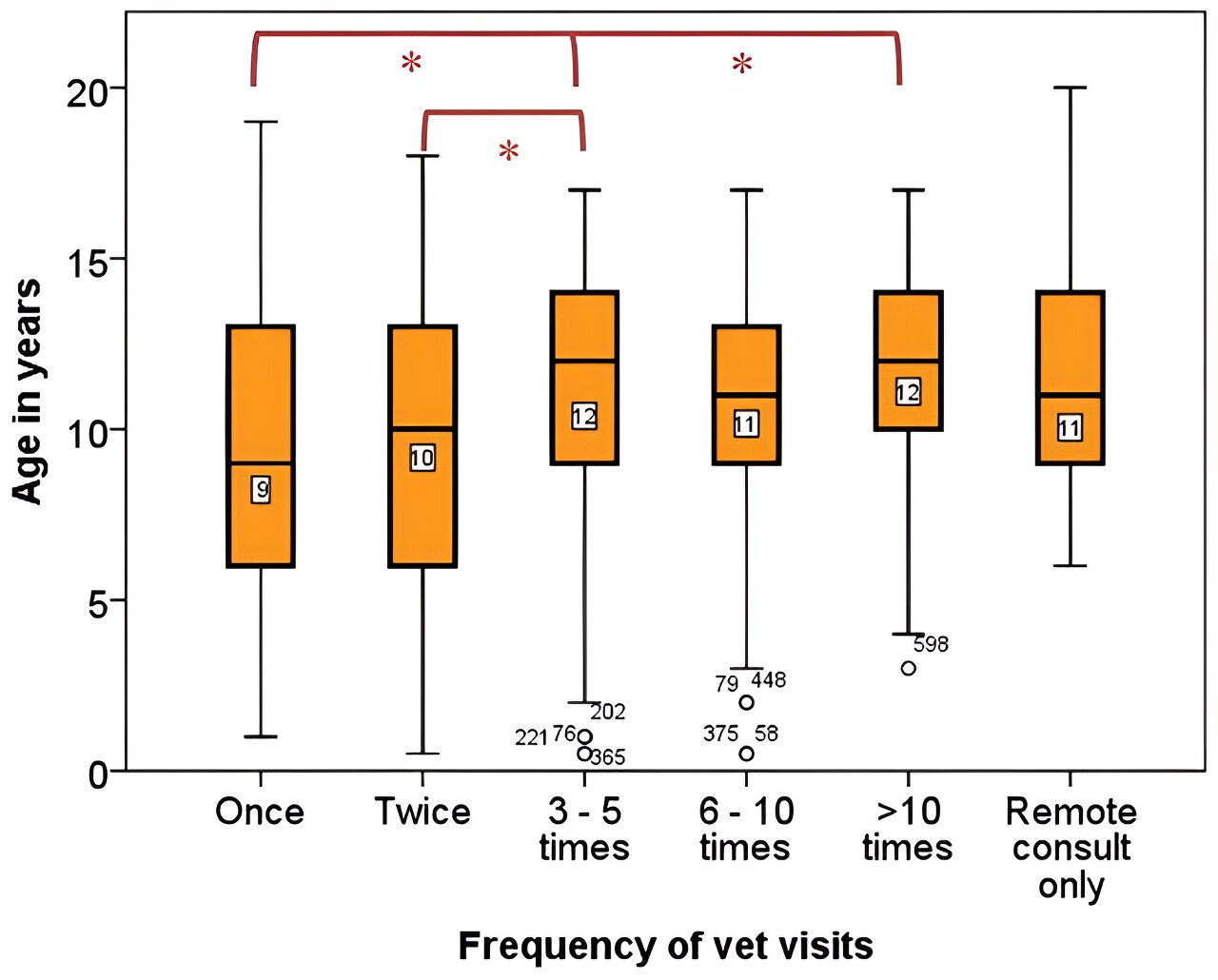
New research from the University of Liverpool shows that dog owners think many important changes in their older pets are “just old age,” when actually they are signs of serious health problems.
The researchers surveyed more than 600 dog owners and more than 300 veterinary professionals across the UK. Dog owners were asked if they had noticed any of a list of 48 different clinical signs in their older dogs and how urgently they thought they should seek veterinary advice when they noticed them.
The research team identified that dog owners regularly attributed potentially serious changes in older dogs to normal aging, and thus may not take them to see a vet.
The majority of owners believed a “healthy” senior dog (seven years plus) should go to the vet once a year, whereas veterinary professionals most commonly advised every six months.
A minority (14%) of owners would take the dog only “if they got sick,” but almost all (98%) of veterinary professionals would not advise this strategy. Sixteen percent of owners of dogs of all ages had not had any contact with their veterinary practice in the previous year.
Health checks often occur during vaccination appointments, and 92% of veterinary professionals believed that senior dogs should receive yearly vaccinations; however, 28% of owners’ dogs of all ages had not been vaccinated in the previous year. In fact, a third of these owners did not believe that older dogs need vaccinations.
Dog owners who stated that their dog had experienced a clinical sign typically reported less urgency to seek veterinary care than owners whose dog had never experienced it and responded to a hypothetical question asking what they would do if they noticed this sign in their dog.
The majority of veterinary professionals (85–100%) thought that it was moderately to extremely important for owners of senior dogs to seek veterinary advice for all 15 of the most common clinical signs. The three most common clinical signs reported by owners in their older dogs were slowing down on walks (57%), dental tartar (53%), and being stiff on rising (50%).
However, fewer than 70% of owners would seek veterinary care for their dog within a week for dental issues (bad breath and tartar) or musculoskeletal issues (problems with stairs/jumping, slowing down on walks, and stiff on rising).
Veterinary professionals reported that they believed owners commonly associated sleeping all the time, slowing down on walks, being stiff on rising, and the presence of dental tartar with old age rather than potential illness. Owners’ opinions were broadly in line with veterinary professionals’ perceptions of them. For example, 78% of owners believed slowing down on walks was a normal part of the aging process and would not take their dog to the vet for and, and 77% for sleeping all the time.
Study co-author Professor Carri Westgarth said, “Perceptions of dog owners and veterinary professionals can influence the preventive health care and treatment provided to dogs, especially at the senior life stage, when chronic diseases become more common. The differences in opinion highlighted by our survey suggest that new educational initiatives and more effective communication are required.”
Findings from this study have been used to support the design of a new resource that can facilitate communication between owners and veterinary professionals. A checklist of common missed clinical signs for use pre-veterinary appointments would be supported by both owners and veterinary professionals surveyed in the current study.
The BSAVA PetSavers Aging Canine Toolkit (ACT) leaflet and poster are currently in use in first-opinion practice, and feedback is being collected to measure the toolkit’s impact on owners, veterinary professionals, and senior dogs.
Dr. Sarah Williams from BSAVA PetSavers said, “Screening tools and toolkits have the potential to increase owner understanding and engagement with veterinary care, and through repeated application over time and implementation of necessary interventions, improve patient welfare and health span.”
The work is published in the journal Frontiers in Veterinary Science.
Source: Phys.org
Posted in dog care, Dogs, research
Tagged ageing dogs, aging dogs, BSAVA, University of Liverpool
Not only are dogs man’s best friend, they also offer insight into how people decline cognitively. A new study published in GeroScience is revealing fascinating parallels between the aging canine mind and human cognitive aging.
A team of researchers from Eötvös Loránd University in Budapest set out to comprehensively analyze age-related changes in dog cognition. They administered a battery of cognitive tests to 129 pet dogs ranging in age from nearly 3 to almost 15 years old. The tests assessed abilities like problem solving, learning, memory, and attention.
Scientists uncovered a hierarchical structure in canine cognition, with performance across different tests clustering into two main domains: individual problem solving and learning. Individual problem solving involved tasks where dogs had to independently figure out how to obtain hidden food rewards. The learning domain comprised tests where dogs needed to make associations, such as between making eye contact with a person and receiving a treat.
These two cognitive domains were themselves linked, suggesting an overarching general intelligence factor in dogs akin to the “g” factor in humans. This canine “g” was validated by its correlation with performance on separate tests of discrimination and reversal learning (which tap abilities like behavioral flexibility) as well as with personality traits like neophilia (love of novelty) and exploration. Dogs with higher canine “g” were quicker learners and more flexible thinkers.
“The cognitive and socio-cognitive performance of dogs is a highly popular topic in scientific literature, yet most studies are comparative, focusing on how well dogs perform as a species,” says lead study author Borbála Turcsán, from Eötvös Loránd University, in a media release. “Surprisingly, these studies have largely overlooked the individual differences in specific skills and the reasons behind them. As a result, we know very little about how dogs’ cognitive abilities are structured.”
So what happens to doggy brainpower with age? Researchers found three distinct age-related processes. Mirroring findings in humans, one was a global effect acting on the general intelligence factor — older dogs tended to have lower canine “g” scores overall. Two other effects selectively impacted memory and learning.
Not all senior dogs showed the same degree of cognitive decline. The study identified health status as a key factor. The negative relationship between age and canine “g” was much stronger in dogs with more health issues, while dogs in good health showed little to no association between age and general cognitive performance. This parallels findings in humans, where conditions that impact overall health, like cardiovascular disease, can accelerate cognitive aging.
Looking at changes within individual dogs over time, the researchers found the rate of cognitive aging depended on baseline g scores and age. Younger dogs with lower starting g scores tended to show more improvement over the years, likely reflecting their greater capacity for cognitive growth. In contrast, older dogs and those with higher baseline scores had less room for gains, exhibiting more decline on average.
Another factor that emerged as important was the dogs’ communication scores — a measure of their attentiveness and responsiveness to human gestures and commands. More communicative dogs experienced steeper cognitive decline over time. Researchers suggest this may reflect a greater tendency of these socially attuned dogs to rely on human cues rather than independently problem-solving, which could impact their cognitive performance as they age.
“This new research highlights intriguing parallels between human and canine aging, further strengthening the argument that dogs serve as an excellent model species for aging research,” explains study author Enikő Kubinyi, leader of the MTA-ELTE Companion Animal Research Group and the Senior Family Dog Program. “Moreover, our findings support the existence of the ‘canine g factor’, suggesting that dogs can also help in understanding the evolution and background of human intelligence.”
As one of the most popular pet species and one that shares our home environments, dogs offer a unique window into how lifestyle factors may shape cognitive aging. They are also more practical for longitudinal studies spanning their shorter lifespans. At the same time, interventions to support healthy cognitive aging in pet dogs could have immediate benefits for their quality of life and longevity.
Just as the old adage goes, you can’t teach an old dog new tricks — but perhaps in time, science will uncover ways to help keep senior minds spry, whether covered in fur or bare-skinned.
Source: Braintomorrow.com
Posted in Dogs
Note from DoggyMom: The manufacture and marketing of pet food has to be one of the most confusion and contentious issues for pet owners to understand. Streamlining and efficiency are hard to argue against. But, AAFCO (Association of American Food Control Officials) has raised concerns that state programs actually assist the FDA by reviewing pet labels and marketing claims.
Who is right? The FDA would likely need significant more resources to carry out the pet food regulation tasks and streamlining does not necessarily mean the most effective regulation system for the end user. Will the proposed system be a rubber stamp for pet food manufacturers?
Time will tell as this legislation moves through Congress.

The Pet Food Uniform Regulatory Reform Act of 2024 (PURR Act) proposes to modernize and streamline how pet food and treats are regulated. The bipartisan legislation, H.R. 7380, introduced on Feb. 15, proposes to give the US Food and Drug Administration (FDA) regulatory authority over the labeling and ingredient review process for dog and cat food and treats. The current system allows individual states to regulate ingredient and label approval.
Representatives Jake LaTurner (R-Kan.), Henry Cuellar (D-Texas), Sharice Davids (D-Kan.), Josh Harder (D-Calif.) and Steve Womack (R-Ark.) co-sponsored the bill.
“Pet food makers produce nearly 10 million tons of food annually and are crucial to American agriculture. Costly and outdated regulations have made it difficult for pet food manufacturers nationwide to invest in research and development for new and improved products,” LaTurner said. “I am proud to introduce the bipartisan PURR Act to eliminate red tape and allow pet food makers to deliver the best nutritional outcomes for our dogs and cats.”
Womack added, “Pet food manufacturers deal with a confusing, costly and conflicting dual regulatory system that hasn’t been updated in nearly 100 years. The PURR Act would streamline the outdated system by granting sole authority to the FDA to regulate the labeling and marketing of pet food while eliminating the state-by-state regulatory patchwork.”
The bill proposes centralized federal regulatory oversight by the FDA to replace the current, inconsistent state-by-state interpretations of ingredient and pet food label approvals. The legislation calls for new ingredient review and approval timelines for the FDA, which would be overseen by the US Congress.
“The PURR Act includes necessary reforms to streamline and update pet food regulations in the United States,” Cuellar said. “I am pleased to cosponsor this bipartisan bill that will encourage innovation among pet food manufacturers while protecting the health and wellbeing of our pets.”
As an advocate for the pet food industry, the Pet Food Institute (PFI) has long lobbied for a more modernized approach to pet food regulation. PFI issued its support for the proposed legislation.
“Dog and cat owners not only want to ensure the same high-quality and safe pet foods they trust to nourish their beloved dogs and cats but expect the products to reflect the latest in nutritional science and ingredient innovation,” said Dana Brooks, president and chief executive officer of PFI. “To continue delivering on that commitment, we are supporting federal legislation that would replace the current inefficient patchwork approach between states and the federal government with consistent national standards that are predictable, clearly defined, and encourage innovation and speed to market.”
Under the new system, label and ingredient approvals would be assigned to the FDA, while state departments of agriculture and other state agencies would still oversee quality inspections and product registrations. The result would be a system for pet food regulation that more closely mirrors that of human food.
“Pet owners agree on the need for an uninterrupted supply of safe, high-quality and innovative pet products, and now is the time for pet food regulations to be streamlined to better meet the needs of pets and pet owners in the 21st century and beyond,” Brooks said.
Source: Petfoodprocessing.net
Posted in dog care, dog nutrition and labelling, Dogs
Tagged AAFCO, FDA, pet food, pet food regulation
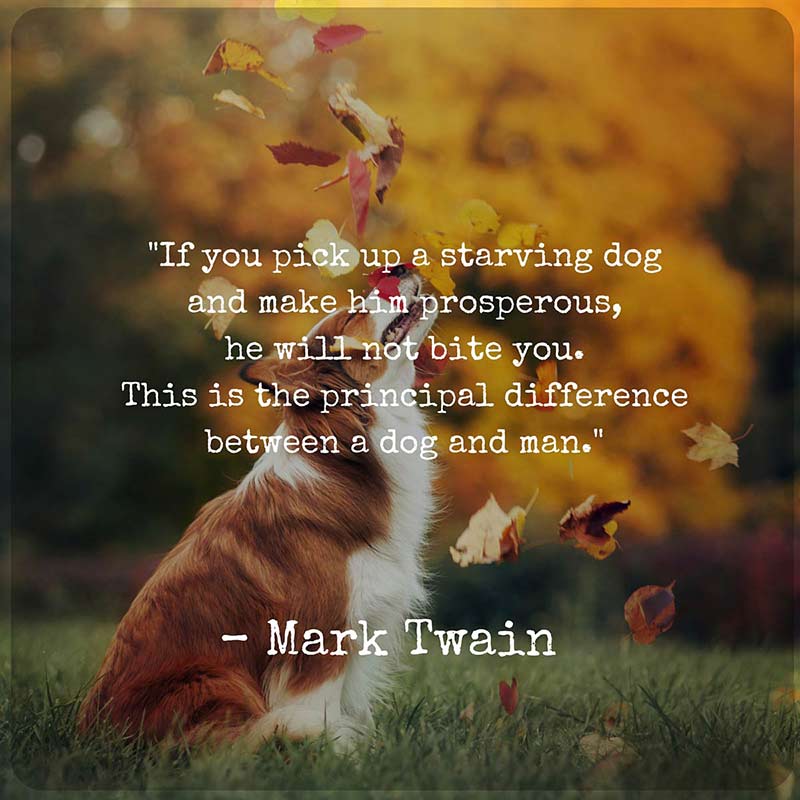
Mark Twain (the pen name for Samuel Langhorne Clemens) was an American author and humorist who lived from November 30, 1835 – April 21, 1910.
Dallas Mavericks assistant athletic trainer Heather Mau has noticed a trend of players grabbing extra breakfast. It’s not that their appetite has grown, but they need the extra food to lure in their favorite coworker.

Bailey, a two-year old mini Bernedoodle, is the team’s emotional support animal — the only one known to exist among NBA teams. She was “hired” in April of 2022 for a job that requires her to be her adorable self and get spoiled by professional basketball players.
While Mau is proud to say the Mavericks are the first NBA team to do this, she hopes to inspire other organizations to get emotional support animals. She said that even with the team’s busy schedule, having Bailey has added a lot of benefits.
“We are trying to be progressive when it comes to that as an organization,” Mau said. “Being the first to have an emotional support animal, and really putting our mental health — players, staff and coaches’ mental health — in the forefront and the focus on what we do.”
Naturally, of course, the team loves to spoil her.
“Dwight Powell, Tim Hardaway, Josh Green and Maxi Kleber are usually the ones that fall victim in that category,” Mau told CBS Sports. “But there are a few staff members who spoil her even more than the players.”
Head coach Jason Kidd and other Mavericks higher-ups approved the decision to get Bailey, and Mau couldn’t volunteer fast enough to take care of her full-time.
“I like to say I quite frankly tricked everybody here to get me a dog,” Mau joked. “She is awesome. She brings a lot of light not only into my life but a lot of light into the building.”
Mau is Bailey’s mom and the players are her “uncles.” The cuddly staffer has a busy schedule because she attends all practices, home games, shoot arounds and treatments with Mau. Fortunately, she gets plenty of treats to help her maintain her energy.
“This dog is too smart sometimes,” Mau said. “She doesn’t like to eat all her breakfast at home before we leave for work because she knows she is going to go to work and have more breakfast.”
Players do not apologize for such behavior.
“Do I feed Bailey too much? I don’t think so,” Green told The Dallas Morning News. “She does a lot for the team. She’s one of our teammates. She’s always there for me, so I bring extra breakfast every morning.”
Sure, Bailey sometimes gets the zoomies and runs around the entire facility going “absolutely bananas.” And, yes, she occasionally forgets she is not supposed to play with her mom’s equipment, but she brings a lot of joy to everyone in the organization.
“That’s what Bailey brings, something different but also happiness,” Kidd told WFAA.
She stays at home for road games but still shares her support for her uncles on her Instagram account, which her mom finally let her get in December.
Bailey gets lots of cuddles from the team, an endless amount of kisses, and Powell has gone as far as wearing matching outfits with her. In December, she had a birthday party and her favorite uncles did not miss out.
The San Francisco 49ers appear to be the only other professional sports organization doing something similar. They have Zoe, an adorable French bulldog who has captured the hearts of the entire roster. She had a brother, Rookie, but he passed away last year. Zoe belongs to the team’s director of player engagement, but others in the organization also help take care of her.
Her instagram is filled with photos with her teammates proudly posing with her.
Bailey and Zoe don’t just make workdays more fun, mental health professionals agree that animals have real mood-boosting benefits.
Ed Chavez, mental performance clinician for the 49ers, thinks every team should consider adding a pet to their roster.
“I’m a huge advocate for having therapy dogs. Studies have shown that they reduce stress, anxiety and depression,” Chavez said. “Having them around is so beneficial to our mental health. When interacting with dogs, it lowers stress hormones and it releases calming and feeling good biochemicals in the brain. They generally make us feel better.”
Source: CBS Sports
Posted in Dogs, special dogs and awards
Tagged basketball, Dallas Mavericks, emotional support dog, NBA, professional sports, therapy dog
Spending quality time with dogs reduces stress and increases the power of brain waves associated with relaxation and concentration, according to a study published on March 13, 2024 in the open-access journal PLOS ONE by Onyoo Yoo from Konkuk University, South Korea, and colleagues.
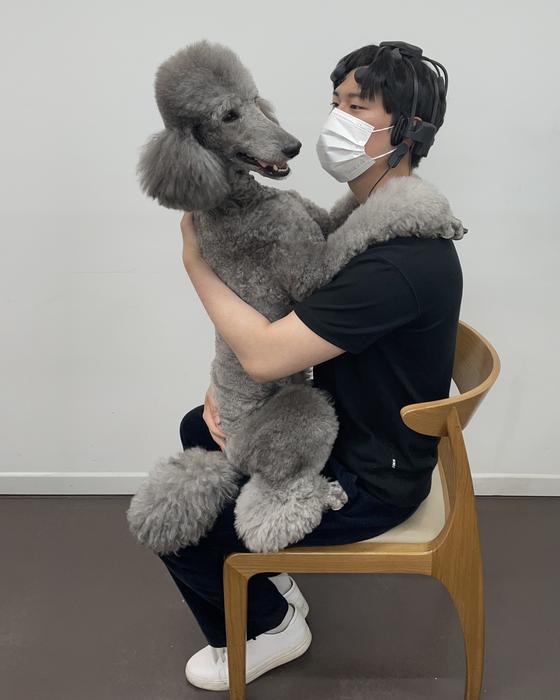
Animal-assisted interventions, like canine therapy, are widely used in hospitals, schools, and beyond to help reduce anxiety, relieve stress, and foster feelings of trust. Studies of the potential benefits of animal interactions often take a holistic approach, comparing people’s mood or hormone levels before and after spending time with a service animal. But this approach doesn’t differentiate between types of interactions, like grooming, feeding, or playing with an animal, limiting our understanding of how each specific interaction impacts a person’s health and well-being.
To better understand how such animal-related activities affect mood, Yoo and colleagues recruited a small sample of 30 adult participants to each perform eight different activities with a well-trained dog, such as playing with a hand-held toy, giving her treats, and taking pictures with her. Participants wore electroencephalography (EEG) electrodes to record electrical activity from the brain while they interacted with the dog, and they recorded their subjective emotional state immediately following each activity.
The relative strength of alpha-band oscillations in the brain increased while participants played with and walked the dog, reflecting a state of relaxed wakefulness. When grooming, gently massaging, or playing with the dog, relative beta-band oscillation strength increased, a boost typically linked to heightened concentration. Participants also reported feeling significantly less fatigued, depressed, and stressed after all dog-related activities.
While not all participants had pets of their own, their fondness for animals likely motivated their willingness to participate in the experiment, potentially biasing the results. Nonetheless, the authors state that the unique relationships between specific activities and their physiological effects could serve as a reference for programming targeted animal-assisted interventions in the future.
The authors add: “This study provides valuable information for elucidating the therapeutic effects and underlying mechanisms of animal-assisted interventions.”
Source: Eurekalert
Tagged animal assisted activities, anxiety, brainwaves, dogs, EEG, health, mental-health, stress

Over the last few weeks, our weather in Christchurch has turned noticeably autumnal. Last week, we even had one morning when it was 3 degrees C.
Whenever the weather turns cooler, I think our interest in cooking and baking increases. A warm kitchen is inviting and cosy on colder days.
I find that some people are using the term ‘bone broth’ interchangeably with the terms ‘stock’ or ‘broth’ and there are key differences. Your dog might find all three tasty additions to their diet, but the health support is very different.
Bone broth (my favourite) is made by simmering bones for a long period of time with the addition of an acid such as apple cider vinegar which helps to leach out the minerals from the bones. Bone broth contains nutrients, collagen and gelatin which are supporting to the gut and helpful for anti-inflammatory support with additions like turmeric.
Stock is also prepared by simmering bones, but you add vegetables and spices and cook for less time. We use stock as a base for sauces, stews and soups – and stock does add flavour to the water bowl or food bowl which can make it helpful for dogs who need to be encouraged to drink or eat. (With obvious consideration of not adding foods that are harmful to dogs – like onions.)
Broth is made by simmering meat and vegetables for a short time which can be eaten strained or with the meat and vegetable ingredients. Humans eat broth when they are unwell because it encourages hydration and is gentle on the stomach. Broths can also be used as a flavour base.
Be mindful of what you are cooking for your dog. I heartily endorse cooking for dogs and adding fresh ingredients to the diet.
Kathleen Crisley, Fear-Free certified professional and specialist in dog massage, rehabilitation and canine fitness, The Balanced Dog, Christchurch, New Zealand
Posted in dog care, dog nutrition and labelling, Dogs
Tagged bone broth, bones, broth, collagen, cooking for dogs, homemade food, meat, stock, vegetables
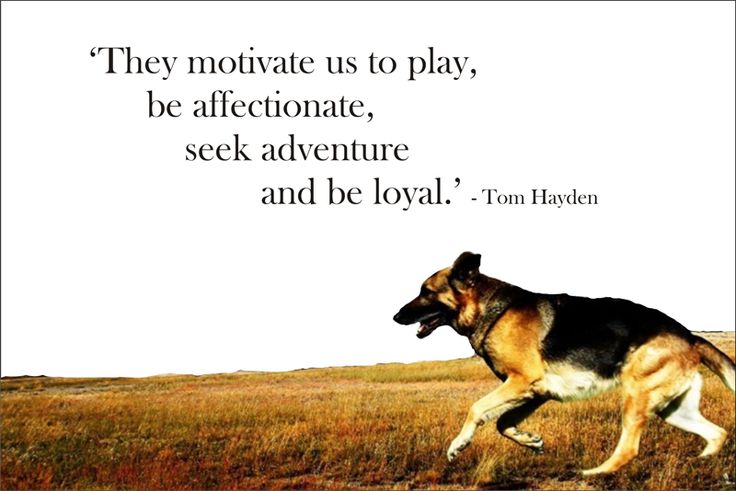
Tom Hayden was an activist, author and politician who served in both the California State Senate and the California State Assembly during his career.
He was the author of the Hayden Act to amend state law for companion animals. Dogs or cats impounded by public pounds or shelters could be killed after only 72 hours; when the Act came into effect in 1999, the minimum impound time expanded to 4-6 business days and required that the animal be released to a nonprofit animal rescue or adoption organization in certain circumstances.
Posted in animal welfare, dog quotes, Dogs
Tagged California law, Hayden Act, Tom Hayden
Over the world, dog owners are finding ways to cut costs in the face of high inflation.
Many who feed commercial foods (commonly referred to as kibble), will look to buying the largest size bag of food possible because typically the price per pound/kg is best when you buy a large bag.
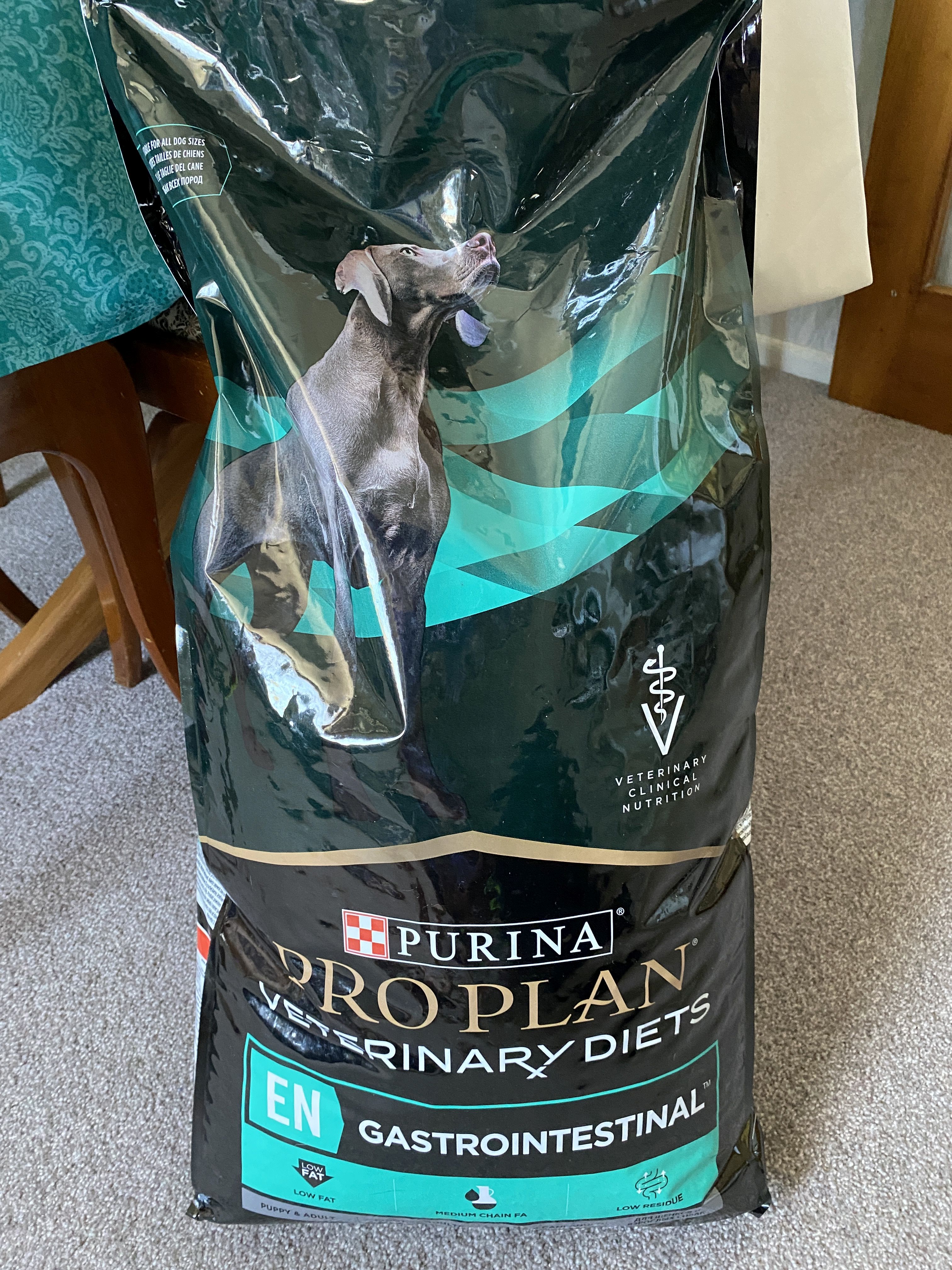
When using kibble, you need to understand the process of oxidation. Oxidation happens as soon as you open the bag and expose the food to air and that process continues until your dog eats the food.
Oxidation happens to human food, too, by the way.
Oxidation degrades the nutrients in the food and chemically changes the fats in a process known as “going rancid.”
It’s tempting to want to empty the bag into a more convenient container and often this container will be plastic. The problem is that most containers that can hold a large bag of dog food are not food-grade plastic.
Food-grade plastics are designed to come into contact with food, to have a strong seal, and to avoid leaching of chemicals into food. Food grade plastics don’t have dyes or other additives and they often are not made from 100% recycled plastic because there is no guarantee on the quality of materials in the supply chain.
Bags for commercial dog food are produced to help protect against oxidation; it’s actually better to seal the bag as soon as you take out what you need and to keep the bag in a cool, dry and dark place rather than emptying it into another container. If a container is needed, I prefer metal to plastic because it won’t leach nasties into the food and can be washed and dried at high temperature in the dishwasher. I only transfer enough food to last between 5 and 7 days.
Regular washing of containers to remove residual fats and crumbs is essential and something that dog owners are notoriously bad at doing. It’s just too easy to refill a container without washing it.
I’m old enough to remember when dog food companies produced larger metal tins for dog food as part of their brand promotions; I still own one from Iams/Eukanuba that is over 20 years old and that’s the container I use for temporary food storage. It fits in the dishwasher and I’m confident that it is being cleaned and sterilised in the dishwasher.
Sadly, even the pet food companies have jumped on the plastic bandwagon in more recent years and now only produce plastic containers when/if they have a promotion. I’m not sure if these containers are food grade plastic, either.
There are many opinions about how much food you should buy at any given time. A good rule of thumb is 4-6 week’s worth. Of course, if your dog is small, then a 20 kg bag of food is going to last way longer than this – so that’s a good indication that the large bag is not right for you.
Sox easily goes through his 12 kg bag of gastrointestinal food in less than six weeks; so I’m comfortable with my decision to buy the bag.
In summary, when feeding kibble:
Kathleen Crisley, Fear-Free certified professional and specialist in dog massage, rehabilitation and canine fitness, The Balanced Dog, Christchurch, New Zealand







 DoggyMom.com