Category Archives: dog nutrition and labelling

Fresh dog food supports healthier aging in seniors

This first-of-its-kind study found that feeding dogs food from The Farmer’s Dog can impact metabolic health and support healthier aging in dogs. ChristianaT | Pixabay.com

A year-long metabolomic study led by Dr. Heather Huson, associate professor of animal sciences at Cornell University, found that feeding dogs fresh, human-grade food can impact metabolic health and support healthier aging. The research, conducted with board-certified veterinary nutritionists employed by The Farmer’s Dog, analyzed the effects of fresh, minimally processed recipes versus kibble in 22 senior Alaskan sled dogs.

Results showed dogs fed The Farmer’s Dog fresh food experienced a rapid and sustained metabolic shift after just one month, marked by lower levels of advanced glycation end products (AGEs) – harmful compounds linked to aging and chronic disease. These dogs also showed reduced sucrose and 1,5-anhydroglucitol (a glycemic control biomarker), and notably lower concentrations of specific AGEs such as N6-carboxymethyllysine and pyrraline.

“For years, people have been telling us their dogs are thriving on fresh diets like The Farmer’s Dog, and this study finally shows what’s happening beneath the surface — a significant metabolic transformation,” said Jonathan Regev, co-founder and CEO of The Farmer’s Dog. “The gap between highly processed pet foods and minimally processed real food may be even wider than we imagined, and could redefine what’s possible for canine health and longevity.”

Additional findings include higher levels of ergothioneine, a potent antioxidant compound, as well as elevated levels of carnosine and anserine (histidine-related metabolites with antioxidant properties). These shifts suggest increased antioxidant capacity and reduced oxidative stress.

Dogs demonstrated elevated branched-chain amino acid (BCAA) metabolism, with increased levels of leucine, isoleucine, and valine and their derivatives. They also showed higher levels of glycerol and glycerol-3-phosphate (markers of lipolysis), alongside increased long-chain omega-3 fatty acids — including alpha-linolenic acid (ALA), eicosapentaenoate (EPA), docosapentaenoate (DPA), and docosahexaenoate (DHA). Serum 3-hydroxybutyrate (BHBA), a ketone body, rose reflecting enhanced fat utilization and healthy ketosis.

Malonate, a marker of fatty acid synthesis, was decreased in the fresh food group, suggesting a more efficient metabolic profile compared to the kibble-fed group.

“The magnitude and consistency of the metabolic impacts we observed were quick, sustained and striking,” said Dr. Joseph Wakshlag, DVM, PhD, DACVSMR, DACVIM (Nutrition), one of the board-certified veterinary nutritionists who was involved in the study. 

“Fresh, minimally processed food shifted the dogs’ metabolism toward a beneficial alternative metabolic profile in the aging dog with markers for improved muscle and neurological health along with implications for improved antioxidant defense, and diminished AGE formation,” added Dr. Wakshlag. “These results are an exciting milestone for understanding canine metabolic health and nutrition.”

The study was conducted under ethical approval from the Cornell University College of Veterinary Medicine and published in Metabolites.

Source: Petfoodindustry.com

Insect-based pet foods may be nutrient deficient, contain other animals

Some insect-based pet foods may not meet nutritional guidelines and may contain species not listed on the label. Researchers at Ghent University in Belgium evaluated the nutritional adequacy of insect-based dog and cat foods and found potential gaps in quality control and labeling accuracy.

The researchers analyzed 29 insect-based pet food products available in European pet food retail outlets. All the products were marketed as complete and balanced and included 24 for dogs and five for cats. These included foods designated for different life stages: four for growth, 17 for adult maintenance, and three for all life stages for dogs; two for adult cats and three for all life stages. Researchers assessed composition, essential amino acid profiles and minerals, such as calcium, phosphorus, potassium, magnesium, copper, iron, zinc, selenium, mercury and molybdenum.

Results showed that 76 percent of the products tested did not comply with their declared nutritional values, with some falling outside acceptable tolerances. When evaluated against nutritional recommendations, only three products (10 percent) met the standards set by the European Pet Food Industry Federation (FEDIAF), while 17 (59 percent) met guidelines from the National Research Council. Just one product fulfilled both its label declarations and FEDIAF recommendations. Nine products (31 percent) had discrepancies in two or more nutrient categories. Common issues included misreported crude fiber levels and metabolizable energy content. Deficiencies were found in selenium, calcium, phosphorus, and taurine, as well as improper calcium-to-phosphorus ratios, all of which could compromise pet health.

Undeclared species in insect-based pet foods

Pets with allergies to mammal or bird meats may be able to tolerate insect proteins, creating a market for insect-based pet foods as hypoallergenic. To evaluate this, the researchers used genetic sequencing on 20 insect-based products labeled as hypoallergenic to detect the presence of mammal or avian DNA. While 75 percent complied with their stated ingredient claims, five contained DNA from undeclared animals, which could present risks for pets with food sensitivities or allergies.

“Despite the potential benefits of insect-based pet foods, this study underscores the need for further research and stricter quality control to ensure safety and efficacy, ultimately improving pet nutrition and consumers’ trust,” the researchers wrote in the Journal of Insects and Food and Feed.

Source: Petfood Industry.com

New formula

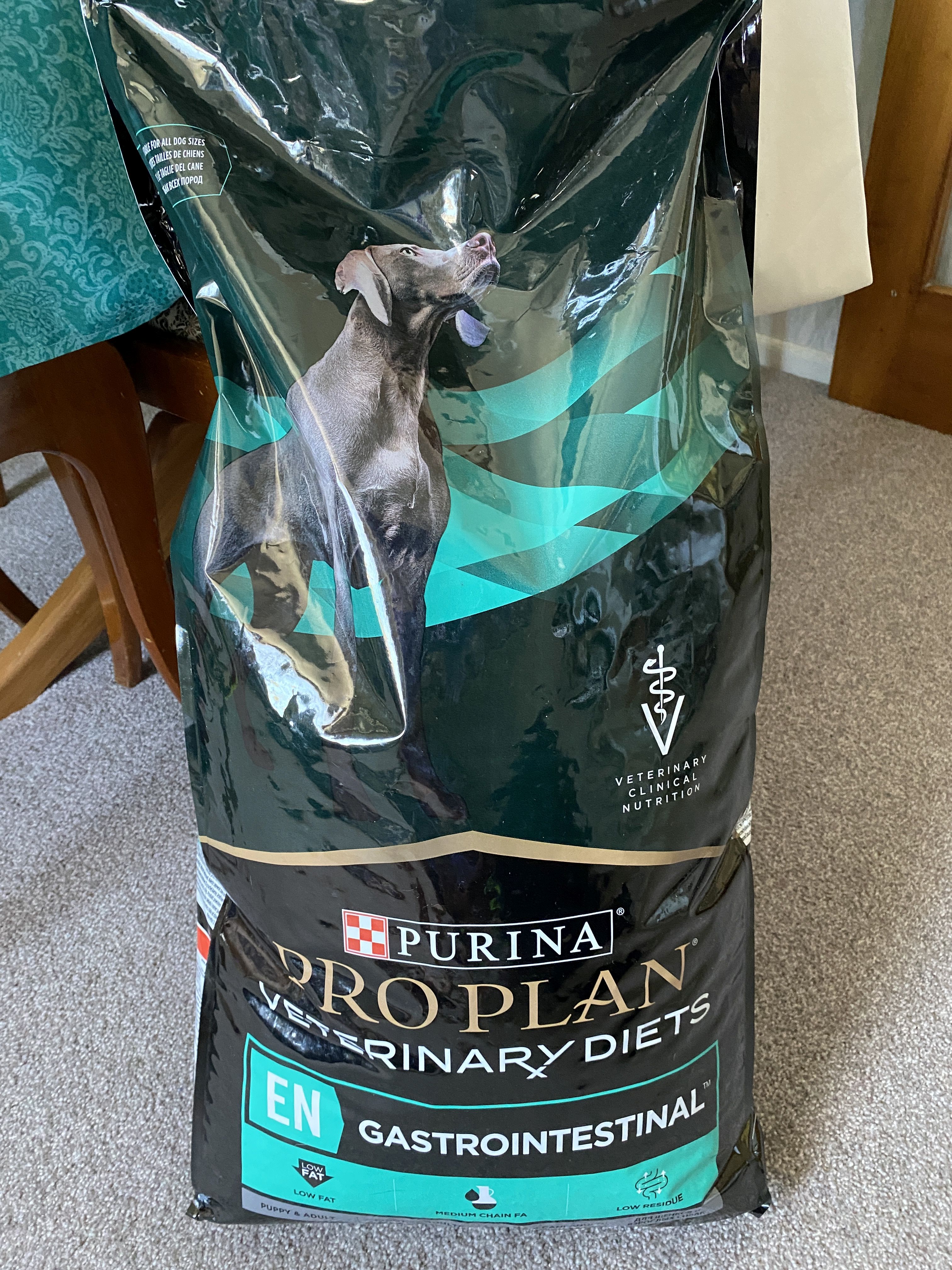
In my post Reading Labels, I shared the notification label from our bag of Purina Pro Plan Gastrointestinal dog food. The food we have relied on for over two years is changing!

The reply from Purina says: “Ensuring the safety and quality of our pet food remains our top priority. While the product is now manufactured in Thailand instead of Europe, the benefits of this diet remain unchanged. With a new manufacturing location, there will be new sourcing for raw ingredients and slight recipe variations. Please be assured the new formula continues to deliver the same efficacy and benefits. We recommend a gradual transition to the new formula to support digestive tolerance. If you have concerns, please consult your vet for tailored advice.

Let’s compare ingredients…

ORIGINAL FORMULA

Rice, Corn, Pea protein, dried poultry protein, dried beet pulp, digest, soya protein, coconut oil, minerals, pork fat, monoglycerides, soya oil, fish oil; with nutritional additives Vit A, Vit D3, Vit E, Iron (II) sulphate monohydrate, calcium iodate anhydrous, copper (11) sulphate pentahydrate, manganese sulfphate monohydrate, zinc sulphate monohydrate, sodium selenite, antioxidants

NEW FORMULA

Brewers rice, whole grain corn, chicken meal, corn protein, chicken digest, minerals, vitamins, amino acids (Including calcium, phosphorus, sodium, chloride, potassium, magnesium, zinc, iron, manganese, copper, selenium, iodine, vitamin A, vitamin B1, vitamin B2, pantothenic acid, biotin, vitamin B6, vitamin B12, niacin, folic acid, vitamin C, vitamin D, vitamin E, choline, L-lysine, L-threonine, L-tryptophan) poultry oil, botanical oil (1%) (source of MCT) fish oil, glyceryl monosterate, prebiotic fibre (0.5%) (source of inulin) colostrum

I will follow my own advice to clients and transition to this food over a minimum of 10 days (and I’m planning longer than that). As a pet parent, however, I’m holding my breath that this new formula doesn’t upset Sox’s inflammatory bowel disease. Time will tell.

Kathleen Crisley is Fear-Free certified dog massage therapist and canine fitness trainer. She has a particular passion for working with dogs and their families to ensure injury prevention and quality of life. She specialises in working with anxious and emotionally damaged dogs. Her mobile practice, The Balanced Dog, is based in Christchurch, New Zealand

Reading labels

As you’ve probably read in this blog before, I’m a self-confessed Science Geek. I like the details. So, it should come as no surprise that label reading is part of my routine as a dedicated Dog Mum and pet professional.

This week has provided some good food for thought – the importance of reading labels.

First up is Sox’s Vitamin B supplement, Cobalazorb. When the latest box arrived, it was immediately noticeable that the packaging had changed:

There were differences that could be alarming for us. I have been managing Sox’s inflammatory bowel disease for years now and this supplement is vital since his malfunctioning gut does not digest all the goodness from food as it should. I emailed the company, ADM Australia PTY Ltd.

I have just received a new pack of Cobalazorb for my dog, who has chronic enteropathy.  This pack prominently promotes that the product has a chicken flavour and also does not state that the capsule is a vegetable capsule – only “capsule.”

I’ve compared it to the previous pack, which states a flavouring but with no specific type and a vegetable capsule.

Given his sensitivities, I wanted to check that there have been no ingredient changes to the original product and that this is a change in packaging only. 

Great news! The company responded the same day with this reply:

Thanks for reaching out.

I can confirm that only the packaging has changed for Cobalazorb, everything else remains the same as before. The flavouring is still artificial chicken (no actual chicken) and the capsules are vegetarian, so OK to use in dogs and cats with allergies and sensitivities.

Please reach out should you have any further questions.

At this point, I was winning. That was until the delivery the next day of our latest 12 kg bag of Purina Pro Plan Gastrointestinal kibble, our mainstay dog food. Only this time, the bag came with a prominent label announcing “Coming Soon, New Look and Formula.”

New formula…and when you turn over that label there’s a reminder that new foods should be transitioned over 10 days.

I emailed Purina to ask what the formula changes will be, explaining that I am using this food for Sox’s chronic enteropathy (IBD). It took them 2 days to reply, “We have reached out to our wider team regarding your questions about the formula changes and we’ll get back in touch with you as soon as possible.

This reply doesn’t fill me with great confidence and history shows that whenever pet food companies change formulations, it is usually so they can reduce the cost of ingredients while improving profit margin. Decreasing cost of production often means decreasing the quality of the ingredients. Dog food is a big business.

Time will tell if I am going to need to find another food for Sox, and how long I will wait for a definitive reply from Purina.

I encourage all my clients to read labels – you’d be surprised how often products formulations are changed – a change in packaging is often a good reason to check the label.

P.S. A big shout out of thanks to ADM for such fabulous customer service (plus for not changing the formula of a valued supplement)

Kathleen Crisley is Fear-Free certified dog massage therapist and canine fitness trainer. She has a particular passion for working with dogs and their families to ensure injury prevention and quality of life. She specialises in working with anxious and emotionally damaged dogs. Her mobile practice, The Balanced Dog, is based in Christchurch, New Zealand

Prebiotic or Probiotic?

There is a growing awareness of the link between overall health and a healthy gut. If gut health is poor, your dog will not thrive. Whilst diet is the first port of call for good health, dog owners are also seeking to augment diet with the ”right” additions to food.

Prebiotics and probiotics offer support for gut health, but I find that dog owners can often confuse the two terms.

A healthy gastrointestinal tract contains an abundance of beneficial bacteria that help digest food into nutrients which the body then absorbs. These bacteria are probiotics; the most common strains are the Lactobacillis and Bifidobacterium families of bacteria. Probiotics are available in supplement form – too many brands to mention in this column!

Prebiotics are fermentable fibres that support the growth of the good bacteria. When the fibre reaches the large intestine, the bacteria are able to ferment certain types of fibre which result in short-chain fatty acids. These fatty acids support and protect the intestinal lining, help reduce inflammation and prevent the overgrowth of unwanted bacteria. Examples of prebiotics are beet pulp which is an ingredient in many commercial foods and psyllium husk.

Psyllium husk is my prebiotic of choice for managing Sox’s inflammatory bowel disease

A healthy bowel is able to absorb more nutritional value from food.

When should you consider the addition of prebiotics and probiotics? Conditions that respond well include:

  • Inflammatory bowel disease
  • Stress-related diarrhoea
  • Antibiotic-associated diarrhoea
  • Dietary intolerances

When the intestinal tract is working well, faecal odours are less and stool consistency improves. You will notice the difference when picking up after your dog – particularly if you have been managing soft stools and diarrhoea for extended periods of time.

Kathleen Crisley is Fear-Free certified dog massage therapist and canine fitness trainer. She has a particular passion for working with dogs and their families to ensure injury prevention and quality of life. She specialises in working with anxious and emotionally damaged dogs. Her mobile practice, The Balanced Dog, is based in Christchurch, New Zealand

New bill proposes streamlining regulation of pet food

Note from DoggyMom: The manufacture and marketing of pet food has to be one of the most confusion and contentious issues for pet owners to understand. Streamlining and efficiency are hard to argue against. But, AAFCO (Association of American Food Control Officials) has raised concerns that state programs actually assist the FDA by reviewing pet labels and marketing claims.

Who is right? The FDA would likely need significant more resources to carry out the pet food regulation tasks and streamlining does not necessarily mean the most effective regulation system for the end user. Will the proposed system be a rubber stamp for pet food manufacturers?

Time will tell as this legislation moves through Congress.


Source: ©RRODRICKBEILER – STOCK.ADOBE.COM

The Pet Food Uniform Regulatory Reform Act of 2024 (PURR Act) proposes to modernize and streamline how pet food and treats are regulated. The bipartisan legislation, H.R. 7380, introduced on Feb. 15, proposes to give the US Food and Drug Administration (FDA) regulatory authority over the labeling and ingredient review process for dog and cat food and treats. The current system allows individual states to regulate ingredient and label approval.

Representatives Jake LaTurner (R-Kan.), Henry Cuellar (D-Texas), Sharice Davids (D-Kan.), Josh Harder (D-Calif.) and Steve Womack (R-Ark.) co-sponsored the bill.

“Pet food makers produce nearly 10 million tons of food annually and are crucial to American agriculture. Costly and outdated regulations have made it difficult for pet food manufacturers nationwide to invest in research and development for new and improved products,” LaTurner said. “I am proud to introduce the bipartisan PURR Act to eliminate red tape and allow pet food makers to deliver the best nutritional outcomes for our dogs and cats.”

Womack added, “Pet food manufacturers deal with a confusing, costly and conflicting dual regulatory system that hasn’t been updated in nearly 100 years. The PURR Act would streamline the outdated system by granting sole authority to the FDA to regulate the labeling and marketing of pet food while eliminating the state-by-state regulatory patchwork.”

The bill proposes centralized federal regulatory oversight by the FDA to replace the current, inconsistent state-by-state interpretations of ingredient and pet food label approvals. The legislation calls for new ingredient review and approval timelines for the FDA, which would be overseen by the US Congress.

“The PURR Act includes necessary reforms to streamline and update pet food regulations in the United States,” Cuellar said. “I am pleased to cosponsor this bipartisan bill that will encourage innovation among pet food manufacturers while protecting the health and wellbeing of our pets.”

As an advocate for the pet food industry, the Pet Food Institute (PFI) has long lobbied for a more modernized approach to pet food regulation. PFI issued its support for the proposed legislation.

“Dog and cat owners not only want to ensure the same high-quality and safe pet foods they trust to nourish their beloved dogs and cats but expect the products to reflect the latest in nutritional science and ingredient innovation,” said Dana Brooks, president and chief executive officer of PFI. “To continue delivering on that commitment, we are supporting federal legislation that would replace the current inefficient patchwork approach between states and the federal government with consistent national standards that are predictable, clearly defined, and encourage innovation and speed to market.” 

Under the new system, label and ingredient approvals would be assigned to the FDA, while state departments of agriculture and other state agencies would still oversee quality inspections and product registrations. The result would be a system for pet food regulation that more closely mirrors that of human food.

“Pet owners agree on the need for an uninterrupted supply of safe, high-quality and innovative pet products, and now is the time for pet food regulations to be streamlined to better meet the needs of pets and pet owners in the 21st century and beyond,” Brooks said.

Source: Petfoodprocessing.net

Bone broth vs stock vs broth

Over the last few weeks, our weather in Christchurch has turned noticeably autumnal. Last week, we even had one morning when it was 3 degrees C.

Whenever the weather turns cooler, I think our interest in cooking and baking increases. A warm kitchen is inviting and cosy on colder days.

I find that some people are using the term ‘bone broth’ interchangeably with the terms ‘stock’ or ‘broth’ and there are key differences. Your dog might find all three tasty additions to their diet, but the health support is very different.

Bone broth (my favourite) is made by simmering bones for a long period of time with the addition of an acid such as apple cider vinegar which helps to leach out the minerals from the bones. Bone broth contains nutrients, collagen and gelatin which are supporting to the gut and helpful for anti-inflammatory support with additions like turmeric.

Stock is also prepared by simmering bones, but you add vegetables and spices and cook for less time. We use stock as a base for sauces, stews and soups – and stock does add flavour to the water bowl or food bowl which can make it helpful for dogs who need to be encouraged to drink or eat. (With obvious consideration of not adding foods that are harmful to dogs – like onions.)

Broth is made by simmering meat and vegetables for a short time which can be eaten strained or with the meat and vegetable ingredients. Humans eat broth when they are unwell because it encourages hydration and is gentle on the stomach. Broths can also be used as a flavour base.

Be mindful of what you are cooking for your dog. I heartily endorse cooking for dogs and adding fresh ingredients to the diet.

Kathleen Crisley, Fear-Free certified professional and specialist in dog massage, rehabilitation and canine fitness,  The Balanced Dog, Christchurch, New Zealand

Oxidation of commercial pet foods

Over the world, dog owners are finding ways to cut costs in the face of high inflation.

Many who feed commercial foods (commonly referred to as kibble), will look to buying the largest size bag of food possible because typically the price per pound/kg is best when you buy a large bag.

When using kibble, you need to understand the process of oxidation. Oxidation happens as soon as you open the bag and expose the food to air and that process continues until your dog eats the food.

Oxidation happens to human food, too, by the way.

Oxidation degrades the nutrients in the food and chemically changes the fats in a process known as “going rancid.”

It’s tempting to want to empty the bag into a more convenient container and often this container will be plastic. The problem is that most containers that can hold a large bag of dog food are not food-grade plastic.

Food-grade plastics are designed to come into contact with food, to have a strong seal, and to avoid leaching of chemicals into food. Food grade plastics don’t have dyes or other additives and they often are not made from 100% recycled plastic because there is no guarantee on the quality of materials in the supply chain.

Bags for commercial dog food are produced to help protect against oxidation; it’s actually better to seal the bag as soon as you take out what you need and to keep the bag in a cool, dry and dark place rather than emptying it into another container. If a container is needed, I prefer metal to plastic because it won’t leach nasties into the food and can be washed and dried at high temperature in the dishwasher. I only transfer enough food to last between 5 and 7 days.

Regular washing of containers to remove residual fats and crumbs is essential and something that dog owners are notoriously bad at doing. It’s just too easy to refill a container without washing it.

I’m old enough to remember when dog food companies produced larger metal tins for dog food as part of their brand promotions; I still own one from Iams/Eukanuba that is over 20 years old and that’s the container I use for temporary food storage. It fits in the dishwasher and I’m confident that it is being cleaned and sterilised in the dishwasher.

Sadly, even the pet food companies have jumped on the plastic bandwagon in more recent years and now only produce plastic containers when/if they have a promotion. I’m not sure if these containers are food grade plastic, either.

There are many opinions about how much food you should buy at any given time. A good rule of thumb is 4-6 week’s worth. Of course, if your dog is small, then a 20 kg bag of food is going to last way longer than this – so that’s a good indication that the large bag is not right for you.

Sox easily goes through his 12 kg bag of gastrointestinal food in less than six weeks; so I’m comfortable with my decision to buy the bag.

In summary, when feeding kibble:

  • buy only 4-6 week’s worth at a time
  • keep the bag sealed after every use
  • store the bag in a cool, dry and dark place
  • if a container is convenient for you, transfer only a few days worth of food into the container, preferably metal
  • if you can’t find metal ensure you are using a food-grade plastic container
  • thoroughly wash and dry your container each time you empty it

Kathleen Crisley, Fear-Free certified professional and specialist in dog massage, rehabilitation and canine fitness,  The Balanced Dog, Christchurch, New Zealand

Domestic dogs maintain positive clinical, nutritional, and hematological health outcomes when fed a commercial plant-based diet for a year

The first comprehensive study on the long-term effects of a plant-based diet for dogs has been completed by clinician-scientists at Western University of Health Sciences’ College of Veterinary Medicine. The key finding of the 12-month study is that a nutritionally complete plant-based diet, exemplified by the vegan dog food brand v-dog, can provide complete and balanced nutrition for dogs during adult maintenance life stage.

The study completed on v-dog was conducted by independent clinical researchers and was not commissioned by v-dog but instead represents an important contribution to the ongoing conversation about the health and environmental benefits of plant-based diets for companion animals. The study was presented on Monday, February 20th 2023, at the Western Vet Conference in Las Vegas.

“We’re thrilled to share the results of this groundbreaking study, which demonstrates that a nutritionally complete plant-based diet can maximize the health and quality of life for dogs and reduce carbon paw-prints,” said Darren Middlesworth, president and CEO of v-dog and v-planet, v-dog’s international brand. “The research underscores that a healthier, cruelty-free option for pet owners also has the potential to positively impact the environment and other animals. As ethical vegans first and a company second, we couldn’t be more proud to offer v-dog and v-planet as an innovative solution to these pressing issues.”

The study aims to raise awareness about the efficacy of plant-based nutrition for dogs and the impact of dogs’ dietary choices on the ecosystem. Key facts evidenced through the study include:

  • Pet food is responsible for nearly 1/3 of the environmental impacts from industrial animal production in terms of land use, water consumption, fossil fuel use, biocide production, and waste production.
  • Evolutionary adaptations enable dogs to optimize carbohydrate metabolism.
  • Commercially available canine plant-based nutrition (K9PBN) products in the US provide all the necessary nutrients for a well-balanced diet for adult companion dogs today.
  • Even canine endurance athletes were proven to maintain optimal performance on a meat-free diet.

This alternative diet demonstrates the health benefits for dogs with a significant, positive impact on the environment.

“As animal lovers ourselves, we’re thrilled to offer a complete and balanced plant-based diet for dogs that is backed by independent clinical research,” said Lindsay Rubin Carvalho, VP of v-planet. “This study reinforces what we’ve known all along – that a nutritionally complete plant-based diet can extensively provide health benefits and protection for dogs. Our mission is to offer the best nutrition for our furry family members while also promoting a more sustainable and compassionate world for all animals.”

V-dog and v-planet are in the business to save animals and preserve the planet. The brands are committed to ensuring their products meet the dietary standards and guidelines set forth by the Association of American Feed Control Officials for healthy dogs.

Source: Pet Age

Most US dog owners don’t follow FDA pet food handling guidelines

A new analysis suggests that most U.S. dog owners are unaware of—and do not follow—guidelines on safe pet food and dish handling from the Food and Drug Administration (FDA), but that better education and implementation of the guidelines could reduce contamination. Dr. Emily Luisana of North Carolina State University in Raleigh and colleagues present these findings in the open-access journal PLOS ONE on April 6, 2022.

Study mascot, Sally Star, at North Carolina State University College of Veterinary Medicine. Photo credit: Emily Luisana, CC-BY 4.0 (https://creativecommons.org/licenses/by/4.0/)

Pet food and dish handling involves potential health risks for both dogs and people, especially those with compromised immune systems. Multiple outbreaks of bacterial illness among dogs and humans have occurred as a result of contaminated dog food. The FDA has issued guidelines on protocols for safe pet food and dish handling, available online, but the information is limited, and the effects of the recommendations have been unclear.

To help clarify, Dr. Luisana and colleagues surveyed 417 dog owners. They found that less than 5 percent were aware of the guidelines, and many owners did not follow many of the recommendations. For instance, only one third reported washing their hands after feeding, and only two thirds reported preparing dog food on separate surfaces from those used for human food. The latter fact is of potential public health importance, but is not addressed in the FDA recommendations.

To better understand the effects of the FDA recommendations, the researchers tested 68 household dog food dishes for bacterial contamination. After initial testing, they divided the owners into three groups with different instructions for implementing food handling guidelines, then tested the dishes again after 1 week. They found significantly reduced contamination of dishes from owners who instituted the FDA’s pet food handling guidelines, either alone or in combination with the FDA’s human food handling protocol, versus dishes from owners who were not asked to implement either protocol.

The researchers note that their study was small and that future research could clarify optimal hygiene strategies and ways to communicate them.

Nonetheless, on the basis of their findings, the researchers outline suggestions to reduce contamination in pet food dishes for owners, veterinarians, pet food sellers and manufacturers. These include ensuring household members who feed pets adhere to FDA guidelines and including written information on guidelines with pet food sales.

The authors add: “Most pet owners are unaware that pet food bowls can be a hidden source of bacteria in the household. Knowing how to mitigate this risk and practice proper pet food storage and hygiene may make for a happier, healthier household.”

To access the journal article in PLOS ONE: https://journals.plos.org/plosone/article?id=10.1371/journal.pone.0259478  

FDA’s Tips for Safe Handling of Pet Food and Treats

Source: EurekAlert!