Category Archives: research

Dogs with lung cancer may get gene-directed treatment with the same drug used to combat a type of human breast cancer

Despite those velvet paintings of poker-playing dogs smoking pipes, cigars and cigarettes, our canine friends really don’t use tobacco. But like many humans who have never smoked, dogs still get lung cancer.photo-for-her2-study
And, like many women who develop a particular type of breast cancer, the same gene — HER2 — also appears to be the cause of lung cancer in many dogs, according to a promising new study of pet dogs led by the Translational Genomics Research Institute (TGen), an affiliate of the City of Hope, and The Ohio State University.

Published in the journal Clinical Cancer Research, this study could have significant implications for people who have never smoked.

TGen and Ohio State found that neratinib — a drug that has successfully been used to battle human breast cancer — might also work for many of the nearly 40,000 dogs in the U.S. that annually develop the most common type of canine lung cancer, known as canine pulmonary adenocarcinoma, or CPAC.

Neratinib inhibits a mutant cancer-causing form of the gene HER2, which is common to both CPAC and HER2-positive human breast cancer patients.

“With colleagues at Ohio State, we found a novel HER2 mutation in nearly half of dogs with CPAC. We now have a candidate therapeutic opportunity for a large proportion of dogs with lung cancer,” said Dr. Will Hendricks, an Assistant Professor in TGen’s Integrated Cancer Genomics Division, Director of Institutional Research Initiatives, and the study’s senior author.

Based on the results from this study, a clinical trial using neratinib is planned for dogs with naturally occurring lung cancer that have the HER2 mutation.

“This is the first precision medicine clinical trial for dogs with lung cancer. That is, the selection of cancer therapy for a particular patient is based on the genomic profile of the patient’s tumor and matched with agents that are known to specially target the identified mutation,” said Dr. Wendy Lorch, an Associate Professor in the Department of Veterinary Clinical Sciences at The Ohio State University College of Veterinary Medicine, who also will run the study’s clinical trial.

“Our team at The Ohio State University has worked for years to find treatments for canine lung cancer. This breakthrough shows the value of these studies for dogs, as well as humans with lung cancer who never smoked,” said Dr. Lorch, who also is the study’s lead author.

CPAC is an aggressive disease that clinically resembles human lung cancer among never-smokers. There is no standard-of-care treatment for CPAC and — prior to the work performed by the TGen-Ohio State team — little was known of the disease’s genetic underpinnings.

“These results are the first example of our efforts to adapt genomics tools from the human world, such as gene sequencing and liquid biopsies, to generate novel insights in canine cancers, with mutual benefit for both,” said Dr. Muhammed Murtaza, Assistant Professor and Co-Director of TGen’s Center for Noninvasive Diagnostics, and one of the study’s contributing authors.

While the sequencing of hundreds of thousands of human cancer genomes has driven the transformational development of precise targeted cancer treatments for humans over the past decade, relatively few canine cancer genomes have undergone similar profiling. The canine cancer genomic discovery and drug development efforts of the TGen-Ohio State team are pieces of a larger puzzle that could similarly transform veterinary oncology, while creating bridges between canine and human cancer drug development.

“This study is groundbreaking because it not only identified a recurring mutation in a canine cancer that had never been found before, but it actually led directly to a clinical trial,” said Dr. Jeff Trent, TGen President and Research Director, and one of the study’s contributing authors. “This clinical translation from dog to human and back is the holy grail of comparative cancer research.”

Lung cancer is the leading cause of cancer death in the U.S., annually taking the lives of more than 154,000 Americans.

“This study is really exciting to us because, not only have we found a recurrent hot-spot mutation in a canine cancer that had never been found before, but it actually has direct clinical translational relevance. For humans, we already have drugs that can inhibit many dysregulated proteins. We hope to show that we can provide the same benefit for dogs with canine cancers,” Dr. Hendricks added.

No dogs were harmed in this study. Only pet dogs with naturally occurring cancer were examined.

This study — Identification of recurrent activating HER2 mutations in primary canine pulmonary adenocarcinoma — lays the foundation for potential rapid translational development. Follow-up clinical and genomic studies have been funded in part by a $300,000 grant investment from the Petco Foundation made possible through their 10-year Pet Cancer Campaign in partnership with Blue Buffalo. Susanne Kogut, President of The Petco Foundation, said her organization’s investment in the next phase of TGen-Ohio State studies is part of a larger effort to improve the health and welfare of pets everywhere.

“We are so excited to be a part of this study of canine lung cancer, which we hope will rapidly benefit our pet, and pet-parent, communities worldwide,” said Kogut, who in 2016 was named one of 25 “women of influence” by Pet Age magazine.

Source:  TGen meda release

Pawsitively sad

We are all familiar with the sounds of a cat or dog vying for human attention, and for pet-owners, these sounds are particularly evocative. Dog sounds are especially sad to both cat and dog owners, who actually rate a whimpering dog as sounding as sad as a crying baby.

Pawsitively Sad

These results are reported in the new study, Pawsitively sad: pet-owners are more sensitive to negative emotion in animal distress vocalizations, from Associate Professor, Christine Parsons, who is based at the Interacting Minds Centre at the Department of Clinical medicine at Aarhus University, Denmark. She is the first author of the scientific article published in the journal Royal Society Open Science.

“Pet ownership is associated with greater sensitivity to pet distress sounds, and it may be part of the reason why we are willing to spend large amounts of time and resources on our domestic companions. It might also explain why we find interacting with pets so rewarding, and are emotionally impacted by both positive communication signals, like purring and negative, like meows or whines,” says Christine Parsons.

She explains that the work was carried out as part of building a major database of emotional sounds — originally developed to test the instinctive responses that parents have to their children. In this study, Parsons has worked with researchers from the University of Oxford, the University of California LA, and King’s College of London.

The researchers tested more than 500 young adults and found that dog whines sounded ‘more negative’ to dog or cat owners, compared to people with no pets, whereas cat meows sounded sadder only to cat owners. Another finding was that regardless of pet ownership, dog whines sounded sadder than cat meows.

“The result suggests that dogs, more effectively than cats, communicate distress to humans and that pet ownership is linked to greater emotional sensitivity to these sounds. For sounds that we need to respond to, like a dog that is utterly dependent on its human host for food and care, it makes sense that we find these sounds emotionally compelling,” says Christine Parsons.

Parsons’s collaborator, Katherine Young, a lecturer at King’s College London and senior author, also points out that dog owners in general spend more time providing basic care to their pets than cat owners. Dog owners need to take their pets for walks, they need more dedicated care, while cat owners have fewer obligations. Cats are semi-domesticated, and generally retain their independence, along with an air of mystique. They come and go as they please.

“This difference in animal dependence may explain why dog whines are rated as more negative than cat meows by all adults, including cat-owners. Dogs may simply have more effective distress signals than cats,” says Katherine Young.

According to Christine Parsons the study also found no evidence to support the longstanding ‘crazy cat lady’ stereotype. Female cat owners have, for many years, been portrayed as neurotic, lonely, sexless and eccentric. Dog owners, and dog ownership is seen more positively, associated with benefits like the ‘Lassie effect’. Named after the TV collie, Lassie, dog owners typically get more physical exercise than non-owners, a happy side-effect of dog walks.

“In general, we think of dog owners in more positive terms than cat owners. In our study, we were able to test how cat-owners, dog owners and people with no pets responded on a series of robust psychological measures. We found no differences,” Christine Parsons says.

“For symptoms of anxiety, depression and self-reported experiences in close relationships, we found no differences between adults with and without pets. We suggesting that cat or dog ownership is not necessarily associated with individual differences in psychological health, at least as tested here.”

Sources:  Pawsitively sad: pet owners are more sensitive to negative emotion in animal distress vocalizations and ScienceDaily

The growing trend of emotional support animals

A dog in the grocery store; a cat in the cabin of an airplane; a bird in a coffee shop – companion creatures labelled as Emotional Support Animals (ESAs) are showing up more and more in places previously understood to be animal-free. It’s part of a growing trend which includes “certifying” animals to provide emotional assistance to a person with a diagnosable mental condition or emotional disorder.

emotional support dog

Jeffrey Younggren, a forensic psychologist and clinical professor at The University of New Mexico’s Department of Psychiatry and Behavioral Sciences, recognized the growing trend presents an ethical challenge for therapists asked to certify emotional support animals for their patients. “Emotional Support Animal Assessments: Toward a Standard and Comprehensive Model for Mental Health Professionals” outlines the ethical challenge and offers possible solutions to better serve both people who feel they need ESAs and those who must comply with the animals such as landlords and airlines.

In their third paper on this topic, published by the American Psychological Association, Younggren and his coauthors propose a four-prong standard assessment model for practitioners to follow when asked to provide a patient with an ESA certificate. These guidelines include:

  1. Understanding, recognizing and applying the laws regulating ESAs.
  2. A thorough valid assessment of the individual requesting an ESA certification.
  3. An assessment of the animal in question to ensure it actually performs the valid functions of an ESA.
  4. An assessment of the interaction between the animal and the individual to determine whether the animal’s presence has a demonstrably beneficial effect on that individual.

“In this model, you have to take the animal into consideration. Somebody has to certify that the animal is able to do what you’re asking it to do. And there are avenues by which animals can be evaluated regarding their capacity for these kinds of experiences,” Younggren adds.

For example, a patient with an anxiety problem can takes a pill to calm down, and the effects of the drug are measurable and backed by scientific testing and research. But Younggren says there is very little evidence to scientifically support that animals ameliorate a patient’s symptoms.

By making such guidelines and practices standard, the hope is that there will be fewer instances like the one recently, which resulted in a flight attendant needing stitches after being bitten by an emotional support animal.

According to Younggren, service animals must be trained to provide a function otherwise inaccessible to their owner. But ESAs are not held to that standard, which is partially what his new research aims to correct.

“Our research has nothing to do with service animals. Seeing eye dogs and therapy dogs are animals that help individuals manage their disabilities in certain situations – but that’s not what an ESA is. An ESA is an example of a well-intended idea that has metastasized and developed into a world of nonsense,” Younggren said.

“One of our biggest goals is to disseminate this information in order to better educate mental health providers, as well as policy writers, about the need for ethical guidelines around ESAs,” Boness said.

In addition, Boness said her hope is that this paper will encourage others to pursue research on the impacts of ESAs on patients, so that there is a more scientific pool of data to cite.

“Mental health professionals who lack full awareness of the law will likely fail to recognize that writing such letters constitutes a disability determination that becomes a part of the individual’s clinical records,” the paper states.

Currently, in order to receive waivers for housing or travel purposes where animals are banned, the law requires patients must have a mental or emotional condition diagnosable by the Diagnostic and Statistical Manual of Mental Disorders (DSM-5). If patients are given certifications for an ESA, it means they, and the therapist signing the certification, are declaring the patient to be psychologically disabled with significant impairment in functioning.

“[The guidelines] will require that those individuals who certify these animals must conduct a comprehensive evaluation of the individual to determine that they have a disability under the DSM-5,” Younggren concluded. “That disability has to substantially interfere with the patient’s ability to function, which is what the ADA requires. And the presence of the animal has to ameliorate the condition, which means you have to see the person with the animal.”

Should this proposal influence an industry standard, Younggren says it will become more difficult for people to receive certification, but on the whole safer for society.

Source:  University of New Mexico media release

Genetic similarities of osteosarcoma between dogs and children

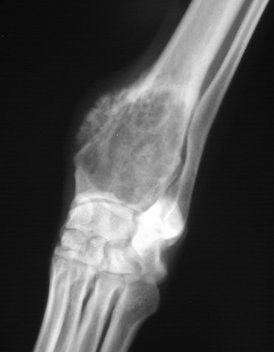
A bone cancer known as osteosarcoma is genetically similar in dogs and human children, according to the results of a study published today by Tufts University and the Translational Genomics Research Institute (TGen), an affiliate of City of Hope. The findings could help break the logjam in the treatment of this deadly disease, which hasn’t seen a significant medical breakthrough in nearly three decades.

osteosarcoma

“While osteosarcoma (OS) is rare in children, it is all too common in many dog breeds, which makes it a prime candidate for the kind of comparative cancer biology studies that could enhance drug development for both children and our canine friends,” said Will Hendricks, Ph.D., an Assistant Professor in TGen’s Integrated Cancer Genomics Division, and one of the study’s senior authors.

Using multiple molecular-level testing platforms, TGen and Tufts researchers sequenced the genomes of 59 dogs, finding that canine OS shares many of the genomic features of human OS, including low mutation rates, structural complexity, altered cellular pathways, and unique genetic features of metastatic tumors that spread to other parts of the body.

Study results appear in the Nature journal, Communications Biology.

“These findings set the stage for understanding OS development in dogs and humans, and establish genomic contexts for future comparative analyses,” said Cheryl A. London, DVM, Ph.D., the Anne Engen and Dusty Professor in Comparative Oncology at Cummings School of Veterinary Medicine at Tufts University, and the study’s other senior author.

The study also identified new features of canine OS, including recurrent and potentially cancer-causing mutations in two genes, SETD2 and DMD. The study suggests that these findings merit further exploration.

OS is an aggressive disease and the most commonly-diagnosed primary bone tumor in dogs and children. Though a relatively rare cancer in humans — with fewer than 1,000 cases each year — OS strikes more than 25,000 dogs annually.

Although surgery and chemotherapy can extend survival, about 30 percent of pediatric OS patients die from metastatic tumors within 5 years. The cancer moves much faster in dogs, with more than 90 percent succumbing to metastatic disease within 2 years.

“The genetic similarity between dogs and humans provides a unique opportunity and a comparative model that will enable the development of new therapies within a compressed timeline,” said Heather L. Gardner, DVM, a Ph.D. candidate in Tufts’ Sackler School of Graduate Biomedical Sciences, and the study’s lead author.

Jeffrey Trent, Ph.D., FACMG, TGen President and Research Director, and a contributing author, said the comparative oncology approach is vital to the rapid development of new treatments for people and pets that need help today.

“Leveraging the similarities between the human and canine forms of OS adds greatly to our understanding of how this aggressive cancer develops and spreads. More importantly, it provides an opportunity to develop therapies that make a difference in the lives of children and pets,” said Dr. Trent, who has been a proponent of comparative oncology for more than a decade.

Dana-Farber Cancer Institute, Broad Institute, Ohio State University, Colorado State University and University of Texas also contributed to this study: Canine osteosarcoma genome sequencing identifies recurrent mutations in DMD and the histone methyltransferase gene SETD2.

Funding for this research was provided by the National Institutes of Health, the National Cancer Institute, the National Center for Advancing Translational Sciences, the Dana-Farber/Harvard Cancer Center, and the Ohio State University Comprehensive Cancer Center.

No dogs were harmed during this research. Only tissue samples from pet dogs with naturally occurring cancers were examined.

Source:  TGen News

Climbing the social ladder is ruff business says new research

Top dogs in a pack are known to assert their dominance, but scientists studied a group of free-roaming mongrels and found high levels of aggression in the middle of the dominance hierarchy.

Most theories predict more aggression higher up the ladder. However, the researchers say the difficulty of working out the pecking order in the crowded middle leads to aggression.

Wild_dogs

The study focussed on a group of wild dogs living on the outskirts of Rome (credit: Simona Cafazzo)

The research was carried out by the University of Exeter (UK) and by the Veterinary Service of the Local Health Unit Rome 3 (Italy).

“Our results reveal the unavoidable costs of climbing a dominance hierarchy,” said Dr Matthew Silk, of the Environment and Sustainability Institute on the University of Exeter’s Penryn Campus in Cornwall.

“In the middle of the hierarchy – where it’s harder to predict which animal should be dominant – we see lots of aggression.”

Professor Robbie McDonald said: “Fighting over food and mates uses energy and time and can lead to injuries, so hierarchies play an important role because animals know their place without needing to fight.”

The year-long study examined a pack of 27 mongrel dogs that roamed freely in the suburbs of Rome.

The dogs did not live with humans, although they relied on humans for food.

Their hierarchy was based on age and sex, with adults dominant over younger dogs and males dominant over females of the same age group.

“Although fights within a social group of free-roaming dogs are usually characterised by low-intensity aggression, the middle of the hierarchy is occupied by young males of similar size and age, among whom nothing is definitive and for whom the challenge is to gain rank,” said Dr Simona Cafazzo, of the University of Veterinary Medicine, Vienna.

“Our results confirm that these dogs have an age-graded dominance hierarchy similar to that of wolves,” added Dr Eugenia Natoli, of the Veterinary Service of the Local Health Unit Rome 3.

Dominant behaviour included a stiff, upright body, holding the head and tail high and laying a paw on another dog’s back.

Submissive behaviour included avoiding eye contact, holding the head and ears low and lying down with the chest and stomach exposed.

The research was partly funded by the Natural Environment Research Council.

The paper, published in the journal Proceedings of the Royal Society B, is entitled: “Elevated aggression is associated with uncertainty in a network of dog dominance interactions.”

Source:   University of Exeter

The evolution of puppy dog eyes

Dogs have evolved new muscles around the eyes to better communicate with humans. New research comparing the anatomy and behavior of dogs and wolves suggests dogs’ facial anatomy has changed over thousands of years specifically to allow them to better communicate with humans.

Puppy dog eyes

In the first detailed analysis comparing the anatomy and behavior of dogs and wolves, researchers found that the facial musculature of both species was similar, except above the eyes. Dogs have a small muscle, which allows them to intensely raise their inner eyebrow, which wolves do not.

The authors suggest that the inner eyebrow raising movement triggers a nurturing response in humans because it makes the dogs’ eyes appear larger, more infant like and also resembles a movement humans produce when they are sad.

The research team, led by comparative psychologist Dr Juliane Kaminski, at the University of Portsmouth, included a team of behavioural and anatomical experts in the UK and USA.

It is published in PNAS (Proceedings of the National Academy of Sciences).

Dr Kaminski said: “The evidence is compelling that dogs developed a muscle to raise the inner eyebrow after they were domesticated from wolves.

“We also studied dogs’ and wolves’ behavior, and when exposed to a human for two minutes, dogs raised their inner eyebrows more and at higher intensities than wolves.

“The findings suggest that expressive eyebrows in dogs may be a result of humans unconscious preferences that influenced selection during domestication. When dogs make the movement, it seems to elicit a strong desire in humans to look after them. This would give dogs, that move their eyebrows more, a selection advantage over others and reinforce the ‘puppy dog eyes’ trait for future generations.”

Dr Kaminski’s previous research showed dogs moved their eyebrows significantly more when humans were looking at them compared to when they were not looking at them.

She said: “The AU101 movement is significant in the human-dog bond because it might elicit a caring response from humans but also might create the illusion of human-like communication.”

Lead anatomist Professor Anne Burrows, at Duquesne University, Pittsburgh, USA, co-author of the paper, said: “To determine whether this eyebrow movement is a result of evolution, we compared the facial anatomy and behaviour of these two species and found the muscle that allows for the eyebrow raise in dogs was, in wolves, a scant, irregular cluster of fibres.

“The raised inner eyebrow movement in dogs is driven by a muscle which doesn’t consistently exist in their closest living relative, the wolf.

“This is a striking difference for species separated only 33,000 years ago and we think that the remarkably fast facial muscular changes can be directly linked to dogs’ enhanced social interaction with humans.”

Dr Kaminski and co-author, evolutionary psychologist Professor Bridget Waller, also at the University of Portsmouth, previously mapped the facial muscular structure of dogs, naming the movement responsible for a raised inner eyebrow the Action Unit (AU) 101.

Professor Waller said: “This movement makes a dogs’ eyes appear larger, giving them a childlike appearance. It could also mimic the facial movement humans make when they’re sad.

“Our findings show how important faces can be in capturing our attention, and how powerful facial expression can be in social interaction.”

Co-author and anatomist Adam Hartstone-Rose, at North Carolina State University, USA, said: “These muscles are so thin that you can literally see through them – and yet the movement that they allow seems to have such a powerful effect that it appears to have been under substantial evolutionary pressure. It is really remarkable that these simple differences in facial expression may have helped define the relationship between early dogs and humans.”

Co-author Rui Diogo, an anatomist at Howard University, Washington DC, USA, said: “I must admit that I was surprised to see the results myself because the gross anatomy of muscles is normally very slow to change in evolution, and this happened very fast indeed, in just some dozens of thousands of years.”

Soft tissue, including muscle, doesn’t tend to survive in the fossil record, making the study of this type of evolution harder.

The only dog species in the study that did not have the muscle was the Siberian husky, which is among more ancient dog breeds.

An alternative reason for the human-dog bond could be that humans have a preference for other individuals which have whites in the eye and that intense AU 101 movements exposes the white part of the dogs eyes.

It is not known why or precisely when humans first brought wolves in from the cold and the evolution from wolf to dog began, but this research helps us understand some of the likely mechanisms underlying dog domestication.

Source:  University of Portsmouth

Sleeping with your dog – yes or no?

USA bedding manufacturer, Casper, has produced a useful infographic about the research into the benefits of sleeping with your dog (and a few tips about when you probably shouldn’t).

Reasons to sleep with your dog

Source:  Casper.com

“Moral distress” in the veterinary profession

This study’s lead author is Dr Lisa Moses.  Back in 2012, Lisa allowed me to follow her at Angell Animal Medical Center as she worked with dogs in her pain management clinic.

Although no one will argue about the rates of suicide in the veterinary profession, I’d also suggest that complementary practitioners also suffer from a level of moral distress – I’ve seen dogs that could have significant improvement but their owners are prevented from pursuing full therapy for a variety of reasons.  My very first tutor in canine massage prepared us by saying, “you will meet clients that don’t share your values or moral compass.”

Kathleen Crisley, Fear-Free certified professional and specialist in dog massage, rehabilitation and nutrition/food therapy, The Balanced Dog, Christchurch, New Zealand


In some ways, it can be harder to be a doctor of animals than a doctor of humans.

“We are in the really unenviable, and really difficult, position of caring for patients maybe for their entire lives, developing our own relationships with those animals — and then being asked to kill them,” says Dr. Lisa Moses, a veterinarian at the Massachusetts Society for the Prevention of Cruelty to Animals-Angell Animal Medical Center and a bioethicist at Harvard Medical School.

Dr Lisa Moses

Dr Lisa Moses courtesy of MSPCA – Angell

She’s the lead author of a study published in the Journal of Veterinary Internal Medicine about “moral distress” among veterinarians. The survey of more than 800 vets found that most feel ethical qualms — at least sometimes — about what pet owners ask them to do. And that takes a toll on their mental health.

Dr. Virginia Sinnott-Stutzman is all too familiar with the results. As a senior staff veterinarian in emergency and critical care at Angell, she sees a lot of very sick animals — and quite a few decisions by owners that trouble her

Sometimes, owners elect to have their pets put to sleep because they can’t or won’t pay for treatment, she says. Or the opposite, “where we know in our heart of hearts that there is no hope to save the animal, or that the animal is suffering and the owners have a set of beliefs that make them want to keep going.”

Distress around choices such as those is pervasive among vets, Moses and her colleagues found. For example, 69 percent said they had felt moderate to severe distress about not being able to give animals what they thought was the right care. Almost two-thirds were bothered by inappropriate requests for euthanasia.

The study’s senior author, Cambridge Health Alliance psychiatrist and Harvard bioethicist J. Wesley Boyd, sees a connection between the study’s findings and daunting statistics about veterinarians’ suicide rates: “My assumption,” he says, “is that the findings from our survey are definitely part of, or even the majority of, the reason why veterinarians have higher-than-average suicide rates.”

And Moses says that while euthanizing an animal is often the right thing to do to end suffering, that doesn’t make it easy.

“I want to make a plea to the pet-owning public to understand that, no matter what you think, odds are the person who’s trying to help you take care of your animal has pretty strong feelings about how important that is,” she says. “And they feel it.”

The study’s authors are calling for better training — in veterinary school and beyond — on self-care and how to cope with moral distress and ethical conflict.

Sinnott-Stutzman defines moral distress as the feeling when the vet determines an optimal treatment course but is blocked from carrying it out — whether because of money, or an owner’s beliefs, or rules about, say, dogs that bite.

“The most poignant example is when a young dog has a fracture — so a totally fixable, non-life-threatening problem,” she says. But an owner neither wants to pay for a proper fix nor have a three-legged dog, and opts for euthanasia instead.

“That’s a really tough thing to go through,” she says. It’s also particularly hard, she says, when owners, caught up in their grief, project their anger onto the vet. “So in this example,” she says, they might say, ” ‘We have to kill our dog because you’re all about the money,’ which is of course not the case.”

In her 15 years doing emergency and critical care, Sinnott-Stutzman says, she has changed how she copes with moral distress. In the past, she would mainly talk tough cases through with colleagues. Now, she often tries to refocus her mind — meditate, take a walk, think about her kids. She might share an experience with her husband — who will focus on her feelings — rather than a colleague, who is likelier to focus on the medical aspects.

She strongly endorses the study authors’ call for better training for vets in how to handle moral distress. Everything she has learned about coping has come from mentors and friends outside the veterinary profession, she says, and “it absolutely needs to be part of how we teach vets.”

Source:  WBUR

Owning a dog is influenced by our genetic make-up

A team of Swedish and British scientists have studied the heritability of dog ownership using information from 35,035 twin pairs from the Swedish Twin Registry. The results indicate that an individual’s genetic make-up has a great influence on whether they choose to acquire a dog. Genes appear to account for more than half of the difference in dog ownership.

Dog ownership

“Perhaps some people have a higher innate propensity to care for a pet than others” Photograph: Mikael Wallerstedt

Dogs were the first domesticated animal and have had a close relationship with humans for at least 15,000 years. Today, dogs are common pets in our society and are considered to increase the well-being and health of their owners. The team compared the genetic make-up of twins (using the Swedish Twin Registry – the largest of its kind in the world) with dog ownership. The results are published for the first time in Scientific Reports. The goal was to determine whether dog ownership has a heritable component.

“We were surprised to see that a person’s genetic make-up appears to be a significant influence in whether they own a dog. As such, these findings have major implications in several different fields related to understanding dog-human interaction throughout history and in modern times. Although dogs and other pets are common household members across the globe, little is known how they impact our daily life and health. Perhaps some people have a higher innate propensity to care for a pet than others,” says Tove Fall, lead author of the study, and Professor in Molecular Epidemiology at the Department of Medical Sciences and the Science for Life Laboratory, Uppsala University.

Health benefits of owning a dog

Carri Westgarth, Lecturer in Human-Animal interaction at the University of Liverpool and co-author of the study, adds: “These findings are important as they suggest that supposed health benefits of owning a dog reported in some studies may be partly explained by different genetics of the people studied”.

Studying twins is a well-known method for disentangling the influences of environment and genes on our biology and behaviour. Because identical twins share their entire genome, and non-identical twins on average share only half of the genetic variation, comparisons of the within-pair concordance of dog ownership between groups can reveal whether genetics play a role in owning a dog.

Genetics play a major role

The researchers found concordance rates of dog ownership to be much larger in identical twins than in non-identical ones – supporting the view that genetics indeed plays a major role in the choice of owning a dog.

“These kind of twin studies cannot tell us exactly which genes are involved, but at least demonstrate for the first time that genetics and environment play about equal roles in determining dog ownership. The next obvious step is to try to identify which genetic variants affect this choice and how they relate to personality traits and other factors such as allergy” says Patrik Magnusson, senior author of the study and Associate Professor in Epidemiology at the Department of Medical Epidemiology and Biostatistics at Karolinska Insitutet, Sweden and Head of the Swedish Twin Registry.

“The study has major implications for understanding the deep and enigmatic history of dog domestication” says zooarchaeologist and co-author of the study Keith Dobney, Chair of Human Palaeoecology in the Department of Archaeology, Classics and Egyptology at the University of Liverpool. “Decades of archaeological research have helped us construct a better picture of where and when dogs entered into the human world, but modern and ancient genetic data are now allowing us to directly explore why and how?”

Source:  Uppsala University

Dog pee on the sidewalk does more than just piss off your neighbors

Note from DoggyMom I follow all types of research.  But some – like this one – needs to be put into a larger context.  Urban cities have a lot of runoff thanks to all the hard surfaces including roads and sidewalks.  Urban designers look to institute green spaces to help with infiltration of water into soils and decrease runoff, which can be particularly helpful in high volume, storm events which overwhelm stormwater systems.

Urban runoff has a lot of contaminants from the oils, dust and debris of modern life.  All meat-eating animals have high nitrogen in their urine – and that’s why countries like NZ have issues with groundwater quality because of the number of cows that are left to graze and urinate on open pastures.  So of course dogs will have an impact on the soil quality and runoff in the very limited areas of green that they have to use in urban cities.  The solution?  Well, in my opinion, it’s partly an argument for creating more green space.


Nobody knows just how many dogs there are in the United States, but there are plenty—and many of them live (and pee) in human cities. Turns out, canine bathroom breaks may have more of an impact on the environment than you might think.

In a new study, a team of Columbia University undergraduate and graduate researchers led by ecologist Krista McGuire looked at the impact of pee on the urban soil microbiome. They found evidence that the nitrogen content and low pH of the urine can make city soil both harder and less absorbent of rainwater, while making the soil microbiome less diverse.

Your very good boy

The project was born out of McGuire’s observations with colleagues during other research on green infrastructure in NYC. In sites like unfenced tree pits, “the soils seemed barren, compacted, and the water from rainfall didn’t seem to penetrate very well,” she says.

The team suspected soil’s characteristics had something to do with all the dogs that urinated on those sites, so they designed an experiment to check. “We obtained soil from the city environment,” says McGuire, along with one species of commonly-used plant from the same nursery the city uses.

Both of these factors replicate what’s used out in the real world. Getting actual dog pee turned out to be harder. They approached animal shelters, which mostly turned them away, while the one shelter that acquiesced didn’t yield enough pee—the experiment required a whopping 40 gallons.

“Despite visiting the shelter twice a week for a couple months, less than 40mL [1.35 oz] of urine was collected due to difficulty in predicting when the dogs will urinate and the dogs’ refusal to continue urinating when a collecting bowl was brought near them as they were about to urinate,” the paper states.

“Ultimately, we decided to use coyote urine since coyotes are very closely related to domestic dogs, and their urine is commercially available,” McGuire says. If you’re not a gardener looking to repel deer from your tulips, you may not be aware of this, but yes, you can buy 40 gallons of coyote pee pretty easily.  (Note from DoggyMom:  Coyotes are kept in captivity and their urine is collected through drainage systems.  Some say that the income from the coyote urine farms help to support other conservation efforts.   I will need to research this further.)

Over the course of a month, they ran a greenhouse experiment, watering the plants at regular intervals with either straight water or water mixed with urine at different concentrations. They checked the soil each week. The results were dramatic: the bacterial community diversity decreased by up to a third during the experiment, and the kinds of bacteria in the microbiome changed. Meanwhile, the “runoff” from pots increased significantly, signifying that the soil was becoming less absorbent.

Outside the lab (say, outside your door), “a variety of different events can affect the impact of urine deposition,” says Gary King, a Louisiana State University biology professor who studies urban microbiomes. This experiment doesn’t address those factors—like, what if it’s raining, or what if some other pollutant has recently entered the soil?

But the results point to an important direction of research, he says. “There is a huge gap in our knowledge about basic microbial functions in the soils that are part of the system in our own built environment.”

That’s a serious problem, because soils help keep a city running. Things like street trees and planted medians aren’t just there to make downtown look good. Cities are mostly built on hard surfaces like concrete and asphalt, which don’t absorb water and allow it to enter the soil, so the sewer system works to keep water off the roads and out of your basement. But sometimes, it rains too much for this system. That’s where what’s known as “green infrastructure” comes in, by helping to absorb all the extra water. Otherwise, says McGuire, “What happens is that the stormwater combines with raw sewage in these below-ground piping systems. Past a certain threshold, it gets spewed out into local waterways.”

To keep this from happening, cities like New York are investing lots of money in building and maintaining green infrastructure, from street trees to deliberately designed water capture landscapes called “bioswales.” But as this research indicates, our furry friends’ bathroom breaks may be making these interventions less effective.

Journal citation:  Evaluating the effects of canine urine on urban soil microbial communities

Source:   Popular Science