Doggy quote of the month for November

Thuson of Hermione, a blind boy, had his eyes licked in the daytime by one of the dogs about the temple, and departed cured.

– Inscription on a tablet at Epidaurus, a city in ancient Greece that is an UNESCO World Heritage Site

An end to a valuable community resource

When I adopted Sox in March 2022, he was triggered by walking along the main road near our home, with the exception of very early mornings when there was no traffic. He didn’t like the traffic noise and he didn’t like the reflections of the vehicles in the shop windows.

Given our suburban location, his reactivity on the main road was going to be a problem and so it was time to think about how to apply de-sensitisation and counter-conditioning.

Our local SPCA Op Shop became a cornerstone to Sox’s training.

Located on the main road, it allowed well-behaved dogs, on lead, inside. Sox quickly learned that we could walk through the scary glass windows and inside were friendly people who greeted him with pats and cuddles.

He also made a special friend, a regular Sunday volunteer named Beth.

Within 8 weeks, Sox was happily walking along the main road without fear.

With few exceptions, we have visited the shop every fortnight since our first visit in 2022. Sadly, a couple of weeks ago, these posters appeared in the window – the shop is closing!

Visits to the op shop have become a regular part of Sox’s routine and a source of ongoing enrichment (think of him as the Official Greeter of the SPCA Op Shop whenever he is on site).

I am sure he will be confused when we no longer visit this shop front, and I do wonder whether he will think of his Special Friend Beth when we pass by, not knowing what has become of her and why she isn’t there to cuddle.

We will visit the shop up until the last Sunday they are open next month.

Kathleen Crisley, Fear-Free certified professional and specialist in dog massage, rehabilitation and canine fitness,  The Balanced Dog, Christchurch, New Zealand.

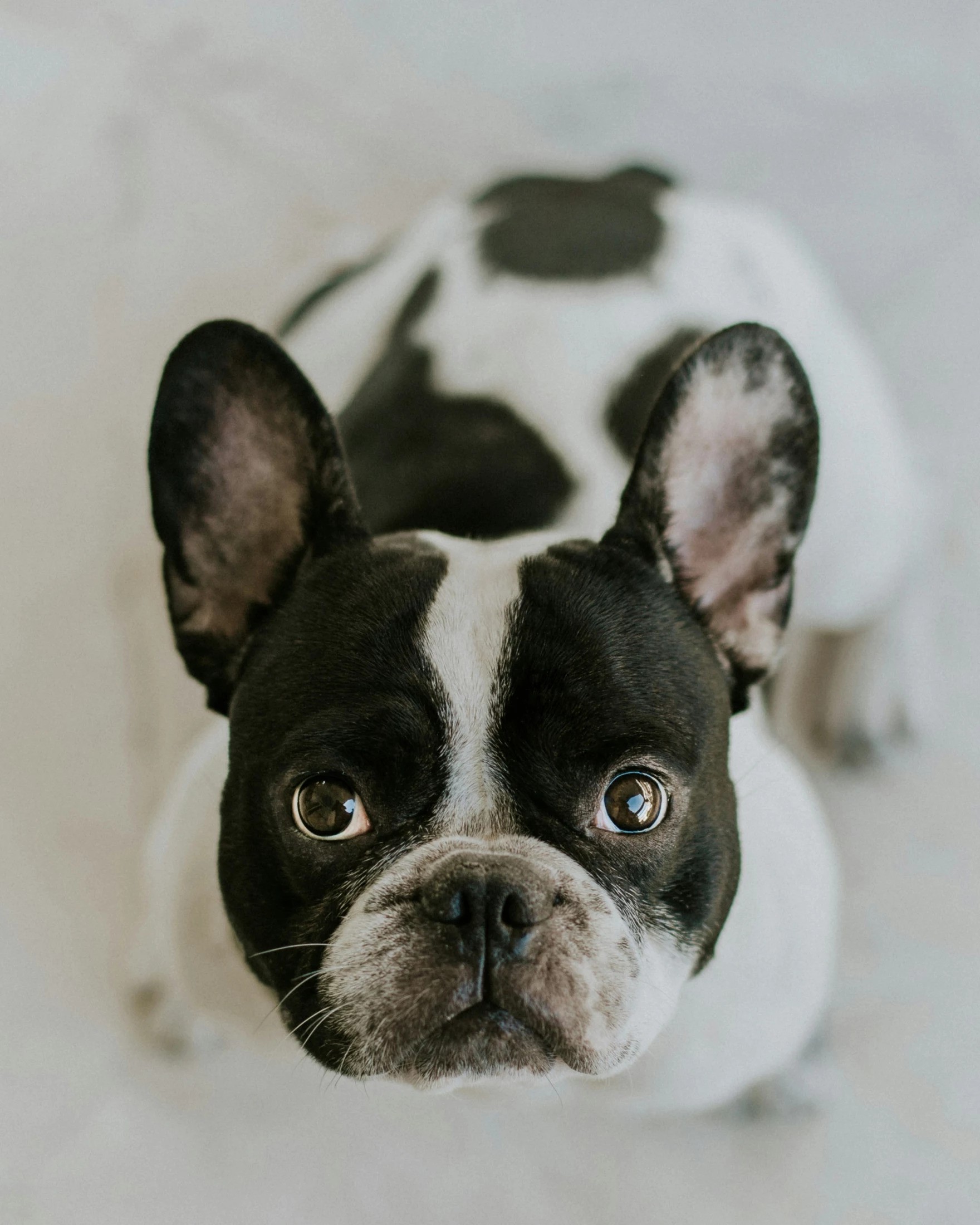
City of Ojai, CA bans breeding of French Bulldogs and other ‘Breathing-Impaired’ dogs and cats

Photo credit: Angelos Michalopoulos/Unsplash

They can suffer from wheezing and struggling to breathe – and the new Companion Animal Protection Ordinance in Ojai, means the breeding of breathing impaired cats and dogs, like French bulldogs and Persian cats is banned.

“For so many of these animals, breathing through their nose is like trying to suck in air through a tiny straw,” explained Jakob Shaw, the manager of strategic initiatives at PETA.

The animal welfare organization welcomed the new law.

“Breeders are deliberately selecting for unhealthy and harmful traits in order to breed dogs with these unnatural features like the flat, smushed faces and corkscrew tails that French bulldogs have. This ordinance prevents breeders from purposefully breeding dogs to have bodies that don’t work,” said Shaw.

“I’m thrilled that Ojai is setting a new national standard for protecting dogs and cats from being bred to suffer. Our companion animals are cherished members of our families and our communities, so I hope that this inspires other cities around the country to adopt Companion Animal Protection Ordinances of their own,” said Ojai Mayor Betsy Stix.

A recent study revealed that some of the most common Breathing Impaired canines have the shortest life expectancies of companion dog breeds. Shaw said that French bulldogs – who have been the most popular dog in the U.S. for the past two years – have an especially low life expectancy of only 4.5 years due in large part to their deformed, smushed-in faces. A number of countries—including Austria, Germany, the Netherlands, and Norway—have banned or restricted the breeding of some or all BIBs.

Ojai City Council has previously passed ordinances recognizing the bodily rights of elephants and banning the use and sale of glue traps for rodents.

Source: KCLU

The Pet Advocacy Network has released this media statement opposing the ban:

On Tuesday night, Ojai Mayor Betsy Stix and the Ojai City Council in California voted to adopt a misguided new law—the Companion Animal Protection Ordinance—making it the first city to ban the breeding of a wide range of cherished dog and cat breeds.

Concerningly, the Council ignored input from citizens who spoke out against the bill at a public hearing earlier this month and didn’t appear to consult any experts with real-life experience breeding pets. Instead, the Council took months of input from People for the Ethical Treatment of Animals (PETA), which has argued against breeding and pet ownership entirely, saying, “it would have been in the animals’ best interests if the institution of ‘pet keeping’—i.e., breeding animals to be kept and regarded as ‘pets’—never existed.”

The sweeping legislation outlines 19 different categories of “congenital anatomical features”—ranging from “excessive skin folds” to certain snout lengths—as grounds for a ban. Impacted breeds include beloved French Bulldogs, Pugs, Dachshunds, Corgis, Shar-Peis, Mastiffs, Persian cats, and more.

The Pet Advocacy Network (PAN), which advocates for the responsible pet care community at all levels of government, is speaking out against the law, characterizing it as an attempt to ban purebred dogs in general.

“This law is an outrageous overreach that insults responsible pet owners and breeders and takes away their freedom to choose their ideal cat or dog,” said Mike Bober, president and CEO of PAN. “The legislation flies in the face of veterinary science showing that these breeds lead happy, healthy lives with loving families when bred responsibly.

“Historical records show some of these species, including Shar-Peis and Tibetan Mastiffs, are ancient breeds that have existed in their current form for thousands of years,” he added. “We should celebrate these incredible animals, not outlaw them.”

About the Pet Advocacy Network

The Pet Advocacy Network connects the experience and expertise of the responsible pet care community to lawmakers and governing bodies, advocating for legislative and regulatory priorities at the local, state, federal and international levels. Since 1971, the organization has worked to promote animal well-being and responsible pet ownership, foster environmental stewardship, and ensure access to healthy pets, including small animals, cats, dogs, fish, reptiles, and birds. Pet Advocacy Network members include retailers, companion animal suppliers, manufacturers, wholesale distributors, manufacturers’ representatives, pet hobbyists, and other trade organizations. To learn more, visit www.PetAdvocacy.org.

Vitamin B12 (cobalamin) supplementation – good news for IBD dogs

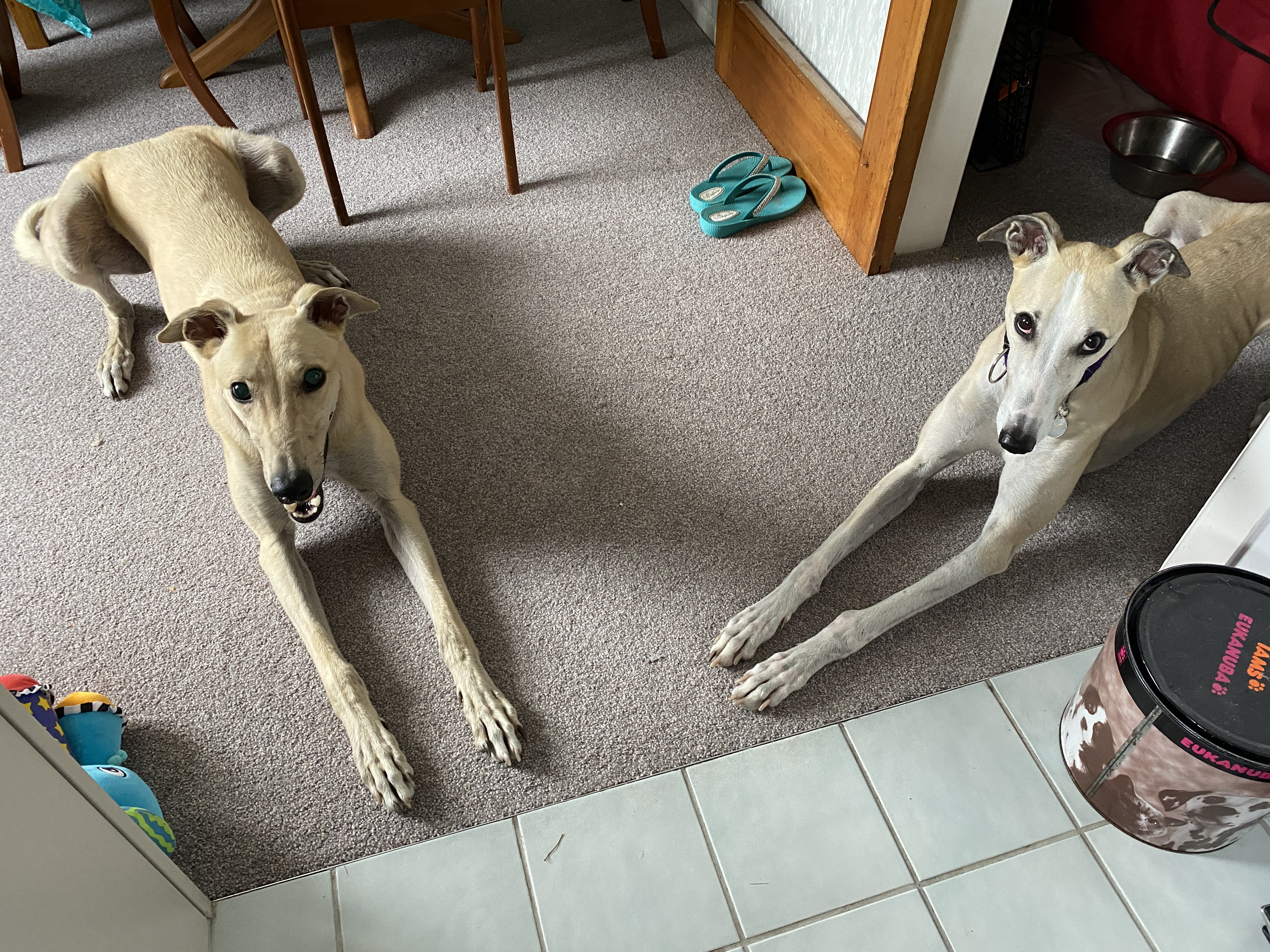
Dogs with inflammatory bowel disease (technical name, chronic enteropathy) often exhibit a deficiency in Vitamin B12. The treatment for this has typically been parenteral (injections) of cobalamin. These injections are painful and I can speak from personal experience with my greyhound, Sox, that subjecting the dog to painful injections is a good way of making them fearful of vet visits. So, it is nice to see that there has been a study about whether oral supplementation can be just as effective as the injectable form. (Spoiler alert: it is)

IBD can often be a challenging condition to manage: finding foods that the dog tolerates and managing other stressors can be easier said than done. Every dog is different, so what works for one may not for another. If you are located in New Zealand, I have started a Canine IBD support group. We originally met in video calls but I have now placed the group on Facebook. This group discusses products and services that you can access in NZ; many online support groups mention products that are not available here.

Kathleen Crisley is Fear-Free certified dog massage therapist and canine fitness trainer. She has a particular passion for working with dogs and their families to ensure injury prevention and quality of life. She specialises in working with anxious and emotionally damaged dogs. Her mobile practice, The Balanced Dog, is based in Christchurch, New Zealand


The Research …

Cobalamin (ie, vitamin B12) is an important intracellular cofactor. Hypocobalaminemia can result in cellular cobalamin deficiency that leads to increased methylmalonic acid (MMA) concentrations, is identified in 19% to 38% of dogs with chronic enteropathy (CE), and warrants cobalamin supplementation.1-3 Parenteral administration of cyanocobalamin has been the main method of supplementation; however, recent studies have shown similar efficacy of oral and parenteral supplementation for achieving normal serum cobalamin and/or MMA concentrations.4-6

This prospective studya was designed to evaluate tolerance and efficacy of oral versus parenteral cyanocobalamin supplementation for normalizing serum cobalamin concentrations in client-owned hypocobalaminemic (<250 pg/mL; reference interval, 240-590 pg/mL) dogs with clinical signs of CE, including subgroups of dogs with protein-losing enteropathy, severe CE (based on canine inflammatory bowel disease activity index [CIBDAI] scores >9), or moderate to severe hypocobalaminemia (<200 pg/mL). Dogs (n = 37) at 3 referral centers were randomly assigned to receive oral (capsules every 24 hours for 12 weeks) or parenteral (SC injections weekly for 6 weeks with 1 additional injection 4 weeks later) cobalamin. Serum cobalamin and CIBDAI scores were assessed at inclusion, week 7, and week 13. Serum MMA concentration was measured at inclusion and week 13. Owners completed a questionnaire on treatment adherence, palatability (oral supplementation group only), tolerance, and satisfaction at week 13.

Nineteen dogs (11/18 in the oral treatment group and 8/19 in the parenteral treatment group) completed the study. All dogs in the oral treatment group and 7 dogs in the parenteral treatment group had normalized or increased serum cobalamin concentrations at weeks 7 and 13. No significant difference in serum cobalamin concentration between treatment groups was identified at week 13, regardless of presence of protein-losing enteropathy, severity of hypocobalaminemia, and CIBDAI score at inclusion. In addition, no significant differences in serum MMA concentrations, treatment adherence, satisfaction, or tolerance scores were identified between treatment groups at week 13.

… The Takeaways

Key pearls to put into practice:

  • Hypocobalaminemia is often identified in dogs with CE. Measuring serum cobalamin concentration is an important diagnostic step in dogs with chronic clinical signs of GI disease.
  • Oral cyanocobalamin supplementation is well tolerated and effective for normalizing serum cobalamin concentrations in most dogs with hypocobalaminemia secondary to CE—regardless of clinical disease status or severity of hypocobalaminemia (including serum cobalamin concentrations below the lower limit of the reference interval)—and can be considered as a treatment option.
  • Re-evaluation of serum cobalamin concentration is recommended 4 weeks after supplementation is completed because some dogs may not respond to oral or parenteral cobalamin.

a This study was partially funded by ADM Protexin.

Journal reference: Dor C, Nixon S, Schmitz SS, et al. Efficacy and tolerance of oral versus parenteral cyanocobalamin supplement in hypocobalaminaemic dogs with chronic enteropathy: a controlled randomised open-label trial. J Small Anim Pract. 2024;65(5):317-328. doi:10.1111/jsap.13705

Source: Clinician’s Brief

The #1 thing…

Earlier today, an acquaintance asked me to “Name 3 things you cannot live without.”

Not surprisingly, #1 just flowed off my tongue – My Dog.

Kathleen Crisley, Fear-Free certified professional and specialist in dog massage, rehabilitation and canine fitness,  The Balanced Dog, Christchurch, New Zealand.

Doggy quote of the month for October

“Animals are such agreeable friends; they ask no questions, they pass no criticisms.”

– George Eliot, English novelist and poet

The 3 Teddies

Sox has three special teddies. They are (from left to right):

  1. Cuddle Teddy
  2. Play Teddy
  3. Chewing Teddy

Cuddle Teddy is special. I found him in a giveaway box at a local op shop shortly after adopting Sox. Sox had plenty of toys, but all were hand-me-downs from previous dogs. I felt he needed his own teddy. Since then, Sox will gently mouth Cuddle Teddy and sleeps with him on the couch. He has never shown any inclination to tear or rip Cuddle Teddy and, when Cuddle Teddy gets grey from all the saliva and mouthing, I will give him a wash. This upsets Sox very much and he will throw Cuddle Teddy around in the hope of getting him to smell better.

Chewing Teddy, as the name suggests, is the teddy that is the target of Sox’s hunting skills. Chewing Teddy has been re-stuffed and gutted many times. Always a favourite, although he looks worse for wear.

Which brings me to Play Teddy. As Chewing Teddy was getting very worn, I decided it might be time to head to the op shop for a new toy. Play Teddy’s nose was ripped off immediately but, unlike Chewing Teddy, Play Teddy is largely staying in one piece. He gets played with most nights after dinner.

What makes Sox choose one toy over another? Why is Cuddle Teddy so precious? I have pondered these questions for some time.

Remembering that dogs have the sentience of a two-year old child, I think Cuddle Teddy came at a particularly important time in Sox’s life as a pet. A toy that did not smell of previous dogs and which he could make his own.

I read once that ‘familiarity brings security.’ When a nervous child starts school, for example, they may take a favoured toy with them for security. My working theory is that Cuddle Teddy is Sox’s version of a security blanket. (Although I will keep washing teddy when he is ‘ripe’ as he looks much better on the sofa without his fur sticking together and with a dingy grey colour.)

What’s the future for Chewing Teddy and Play Teddy? Who knows? That is for Sox to decide. The degree of control that we give our dogs is something called agency – and sentient creatures deserve the opportunity to have choice.

Sox continues to mature as a pet since being adopted in March 2022; but judging by the last 2+ years, Cuddle Teddy seems almost certain to go the distance.

Kathleen Crisley, Fear-Free certified professional and specialist in dog massage, rehabilitation and canine fitness,  The Balanced Dog, Christchurch, New Zealand.

Therapy Dogs Ease Stress for Nurses, Doctors, Too

Therapy dogs can help boost the spirits of healthcare workers in the same way they brighten the moods of hospital patients, a new study shows.

Photo: Ohio State University Wexner Medical Center

 The furry, four-legged friends reduced emotional exhaustion and job stress among a small group of workers at two surgical and two intensive care units in the Midwest, researchers report.

“We brought the dogs to the units and many times we had staff in tears sitting with the dogs, telling them about their day,” said lead investigator Beth Steinberg, a senior researcher with Ohio State University’s Center for Integrative Health.

“For the most part, people have an affinity to a non-judgmental, warm, furry animal that can come and just sit with them and listen,” Steinberg said in a university news release. “Dogs don’t care what you look like, how you’re feeling that day; they just know that when you need them, they’re there.”

Steinberg is co-founder of Buckeye Paws, a therapy dog program initially aimed at improving the mental and emotional health of staff at the Ohio State University Wexner Medical Center.

Buckeye Paws launched in March 2020, shortly before the pandemic began taking its toll on overtaxed health professionals.

To see whether the program is making a difference, researchers focused therapy dog sessions with a group of 64 health care workers. The group included doctors, nurses, nurse practitioners, respiratory and rehabilitation therapists, patient care associates and unit clerks.

“The recruitment for this study was incredibly easy because as soon as you said, ‘We’re going to do a study assessing your response to therapy dog interaction,’ people were like, ‘I’m in!’” Steinberg said. “Even before COVID-19 hit hospitals so hard, the staff were already struggling with stress, burnout, lack of work engagement.”

Buckeye Paws handlers — all hospital employees who volunteered their time — brought in seven certified therapy dogs three times a week for eight weeks. The study ran from October 2021 to March 2022.

“There was free interaction with the dogs that people could spend as much or as little time as they wanted with the dogs,” Steinberg said. “Prior to their interactions, we asked them to fill out a basic 1 to 10 mood scale. And then, after the interaction, they did that again.”

Most interactions were brief, just a few minutes between a dog and a health care worker at a clinical workstation or in a team room or break room.

But results showed the brief sessions made a big impact.

Many study participants reported an immediate decrease in feelings of stress, emotional exhaustion, depersonalization and burnout.

“Our findings suggest that an animal-assisted activity, available for healthcare workers within busy inpatient settings, may offer immediate benefits through improved mood,” researchers concluded in their report, which was published recently in the International Journal of Complementary & Alternative Medicine.

Buckeye Paws expanded in March 2022, and now provides therapy dog assistance to students, faculty and staff at Ohio State University. There are now 29 dog-handler teams in the program, with another 11 teams going under training and eight more beginning the process, researchers said.

Source: Newsmax

Pet Night on Capitol Hill

Congresswoman Claudia Tenney (NY-24) introduces the PAW Act during Pet Night on Capitol Hill

The Human Animal Bond Research Institute (HABRI), the Pet Food Institute (PFI) and the Pet Advocacy Network co-hosted Pet Night on Capitol Hill on 11 September 2024, paying special tribute to the important role of service animals for our nation’s disabled veterans, and celebrating the positive impact of pets in America. Pet Night on Capitol Hill brought together Members of Congress, congressional staff, and leaders in the pet care community to share programs and policies that protect human and animal well-being.

“Pet Night on Capitol Hill is more than just an evening spent with some incredible pets—it’s a chance to convey to Congress the vital message that policies and programs keeping people and pets together promote better health and well-being for all,” said Vic Mason, President of the World Pet Association (WPA) and presenting sponsor of Pet Night.

“HABRI is proud to co-host Pet Night on Capitol Hill, a night dedicated to honoring the human-animal bond and its positive impact on the well-being of individuals, families and communities, including our nation’s veterans who rely on the healing support of service dogs,” said Steven Feldman, President of HABRI.

At the event, attendees interacted with Pet Partners therapy animals, show cats provided by the Cat Fanciers’ Association, and adoptable puppies from Petco Love.

Veterans and their service dogs were recognized during the Ceremony for their service to our country, and the National Service Dog Memorial displayed a replica of the resin casting of “Sully”, President George H.W. Bush’s Service dog by Susan Bahary, which will be placed in the permanent collection of the George H. W. Bush Presidential Library and Museum in College Station, TX.

The Animal Health Institute (AHI) honored the winners of the Cutest Pets on Capitol Hill contest, now in its sixteenth year, recognizing the most adorable animals belonging to Members of Congress and their staff.

Cutest Dog: Palmer
Owner: Joe Ballard
Office of Rep. Kelly Armstrong (ND)

Cutest Cat: Moony
Owner: Izzah Yousuf
Office of Rep. Al Green (TX-9)

Cutest Exotic: Froth
Owner: Larson Church
Office of Rep. Andrew Clyde (GA-9)

“I’m happy to once again partner with AHI to be a part of this event, which brings together members from both parties to share our mutual affection for our beloved pets. This event is also a fantastic reminder that ensuring our pets’ and animals’ health and safety is crucial for both their wellbeing and ours,” said Congresswoman Schrier. “That’s why in Congress, I’ve advocated for animal health through legislation like ADUFA to get new, innovative, and safe veterinary medications to market, and I am incredibly proud that this legislation was signed into law last September.”

“I’m honored to be a congressional judge for this year’s AHI Cutest Pets Contest,” said Rep. Cammack (R-FL-03). “Folks on the Hill know my office is home to our three pups who often greet guests and visitors, so we always appreciate the opportunity to support our furry friends! This year’s Pet Night is also special as we pay homage to the heroes and animals who have served our nation. I’m grateful to the Animal Health Institute for inviting me to participate in this year’s event.”

“The Animal Health Institute’s Cutest Pets on Capitol Hill is always a highlight, but there’s so much more to it than just cuteness – it’s all about the importance of pets in people’s lives,” said Alex Mathews, President and CEO of AHI. “The animal health industry serves not only to keep pets healthy, but also to keep families healthy and happy together, and we’re proud to celebrate this each year at Pet Night on Capitol Hill.”

HABRI’s “Human Animal Bond Leadership Award” was conferred upon Representative Claudia Tenney (NY-24) and Representative Deborah Ross (NC-02) for their sponsorship of the People and Animals Well-being (PAW) Act, a newly introduced bill that would allow people to use up to $1,000 of their Health Savings Accounts (HSAs) or Flexible Spending Accounts (FSAs) for veterinary care or a pet health insurance policy for their pets. The bill would impose no limit on veterinary care for service animals, providing even more support for people with disabilities, including our nation’s veterans.

“Our pets and service animals are cherished members of our families, and it’s essential that owners have the ability to pay for quality care,” said Congresswoman Tenney. “The PAW Act offers greater flexibility to pet owners by allowing them to use HSAs and FSAs for pet care expenses. This legislation will help veterans, and all pet owners afford veterinary care for their beloved pets and service animals.”

“The Pet Advocacy Network’s “Pets’ Best Friend” award was conferred upon three Members of Congress and Senators who have demonstrated a commitment to supporting pets and pet owners. Congressman Jake LaTurner of Kansas was jointly recognized by PAN and PFI, and Senator Chuck Grassley of Iowa and Congressman Glenn “GT” Thompson of Pennsylvania were recognized for their tireless service on behalf of companion animals and those who serve and support them.

“We were thrilled to recognize these Members of Congress with the Pets’ Best Friend award and to once again co-host this important celebration of pets and pet ownership in America,” said Pet Advocacy Network President and CEO Mike Bober.

“Just as complete and balanced nutrition is critical for pets, policies and programs that ensure healthy lives for people and pets are also important. Pet Night on Capitol Hill is a wonderful opportunity for the pet care community to showcase its longstanding commitment to the importance of service dogs for veterans, pets in classrooms for children, and the dire need for more pet-friendly housing, especially for domestic violence shelters,” said Dana Brooks, President & CEO of PFI.

Pet Night is part of Pet Week on Capitol Hill, a week-long series of virtual programming and in-person visits. Virtual sessions share key data about how pets are important for human health and quality of life and highlight the most pressing issues relating to pet ownership in America. All recorded sessions from Pet Week on Capitol Hill are now available to view on-demand at http://www.petnight.com

Source: Pet Business

Doggy quote of the month for September

Some people talk to animals. Not many listen though. That’s the problem.

– A A Milne, author of Winnie the Pooh