Tag Archives: genetics

Genetic links to herding behaviours

It’s a win for Darwin’s Dogs and open access data! A new study published in the journal Science Advances has identified genomic links to the behaviours of herding breeds. The study used data entirely sourced from open-access databases.


Researchers at Korea’s Gyeongsang National University and the U.S. National Institutes of Health analyzed data exclusively from publicly available repositories, including genomic and behavioral data from the community science initiative, Darwin’s Dogs. Their findings are powerful examples of how open science—making research data freely and publicly available—can accelerate discovery by helping scientists leverage existing data in innovative ways.

Herding breeds carry genes linked to cognitive function

Herding breeds like the Australian cattle dog, Belgian Malinois, and border collie have a long history of helping humans move and manage livestock. These dogs are renowned for their precise motor control, sharp intellect, and unwavering drive. In fact, motor patterns required for effective herding—like eyeing, stalking, and chasing animals without killing them—have been so deeply ingrained in herding dogs through generations of selective breeding that even non-working lines often display these traits. But while herding behaviors have been recognized and refined for centuries, their genetic roots have remained largely unknown.

To explore the genetic foundations of herding behaviors, researchers conducted a large-scale genomic comparison across dogs from 12 herding breeds and 91 nonherding breeds. They identified hundreds of genes that have been naturally selected in herding breeds, several of which, through additional analysis, they found linked to cognitive function.

Narrowing their focus to the border collie, a breed celebrated for its intelligence, the research team identified more than eight genes strongly associated with cognition. One of the standouts was EPHB1, a gene involved in spatial memory. Several variants of EPHB1 appeared across herding breed genomes, suggesting that this gene may support the array of complex motor patterns and decision-making skills essential for herding.

Darwin’s Dogs’ database connects genomic discoveries with behavioral insights

Identifying genes associated with breeds is one thing, but understanding their function is another. This is where Darwin’s Dogs’ open-access behavioral and genomic datasets became critical to expanding the impacts of the study’s findings.

Darwin’s Dogs invites dog owners to participate in scientific research by taking behavioral surveys about their dogs and contributing DNA samples for whole genome sequencing. As part of Darwin’s Ark’s open science commitment, this data is de-identified and made available to researchers around the world, creating a unique open-access resource that allows scientists to explore connections between canine DNA and behavioral traits.

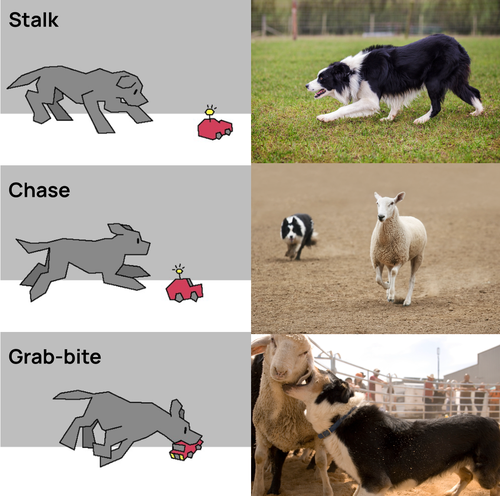
The researchers analyzed data from 2,155 dogs in the Darwin’s Dogs database to see whether dogs with the EPHB1 gene behaved differently than dogs without the gene. They found a strong link between EPHB1 and behavior: dogs with this gene were significantly more likely to show toy-oriented behaviors such as stalking, chasing, and grab-biting toys. These actions closely resemble motor patterns seen in herding behaviors.

This link held true even among dogs with mixed breed ancestry, and within border collies from working versus non-working lines, reinforcing the strong connection between EPHB1 and herding-related behaviors.

Open science opens doors to discovery

This study’s discoveries were made possible through open science. Data from open science initiatives like Darwin’s Dogs—and the thousands of community scientists who shared behavioral insights about their dogs—helped researchers connect genomic markers to observable behaviors. The scale and scope of the Darwin’s Dogs database helped the research team analyze behavioral associations to the EPHB1 gene across dogs with varied breed ancestry.

This research serves as a model for how professional researchers and community scientists can come together to accelerate scientific progress. When community scientists contribute to open repositories like Darwin’s Dogs, the possibilities for discovery are endless.


Resources

Read the paper published in Science Advances: Hankyeol Jeong et al. , Genomic evidence for behavioral adaptation of herding dogs. Sci. Adv. 11,eadp4591(2025).DOI:10.1126/sciadv.adp4591

Source: Darwin’s Ark blog

New Study Dispels Myth That Purebred Dogs Are More Prone To Health Problems

It’s a common belief that purebred dogs are more prone to disease than mixed-breed dogs, but a new study led by researchers at the Texas A&M School of Veterinary Medicine and Biomedical Sciences (VMBS) has busted this myth. 

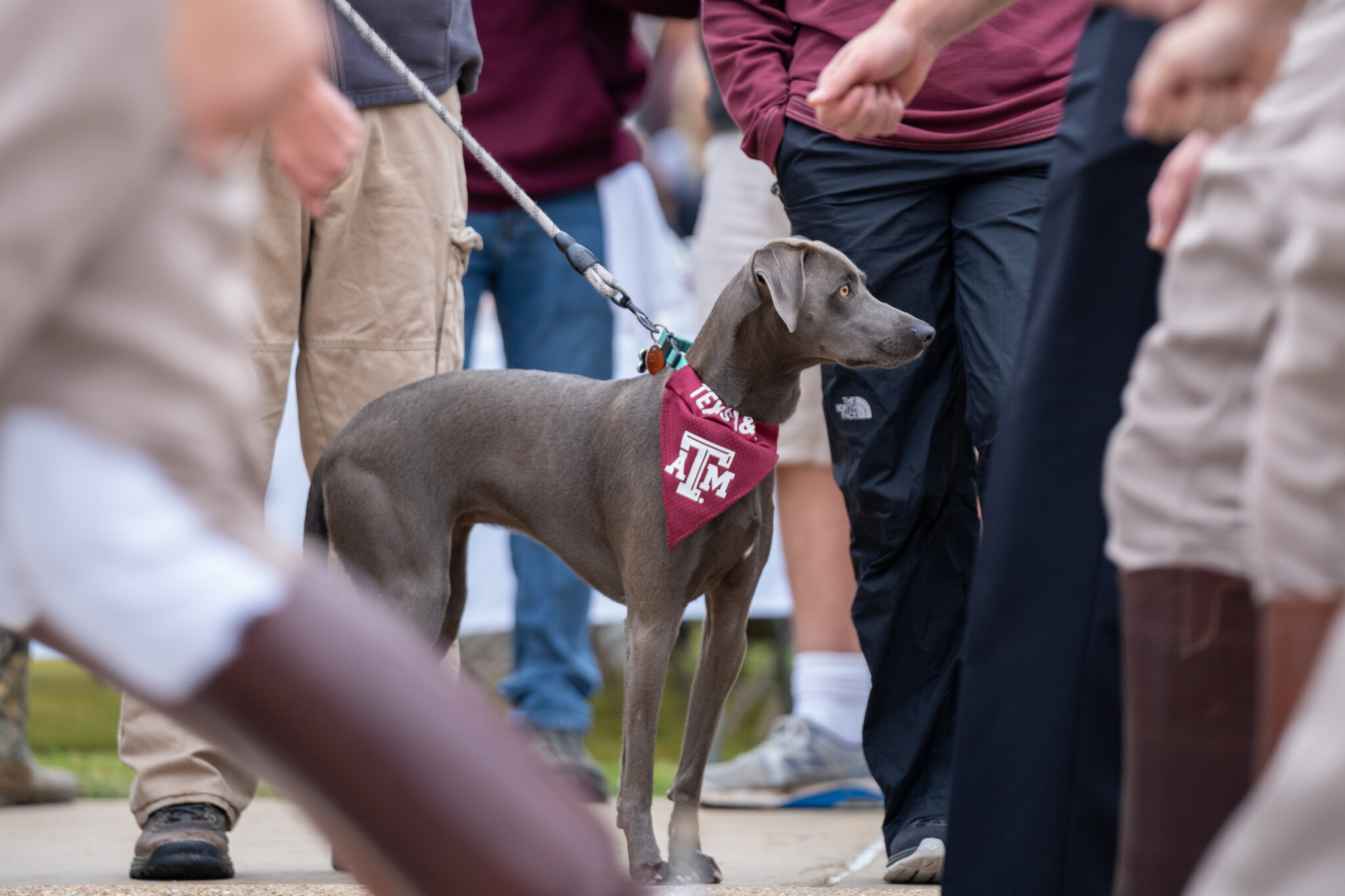
A study by researchers at Texas A&M University and the Dog Aging Project has found that purebred and mixed-breed dogs are mostly equal when it comes to overall frequency of health condition diagnoses. Jacob Svetz/Texas A&M University Division of Marketing and Communications

The study, published in the journal Frontiers In Veterinary Science, found that while certain dog breeds are prone to specific diseases, purebred and mixed-breed dogs are mostly equal when it comes to overall frequency of health condition diagnoses.

“There are several well-known diseases that frequently occur in specific dog breeds,” said Dr. Kate Creevy, chief veterinary officer of the Dog Aging Project and a professor in the VMBS’ Department of Small Animal Clinical Sciences. “This has helped perpetuate the misconception that all purebred dogs are more prone to disease, but that is not the case.”

The study — which surveyed the owners of more than 27,000 companion dogs — also found that some of the most common diagnoses, like ear infections or osteoarthritis, occur in both purebreds and mixed-breed dogs. 

Breaking Down The Data

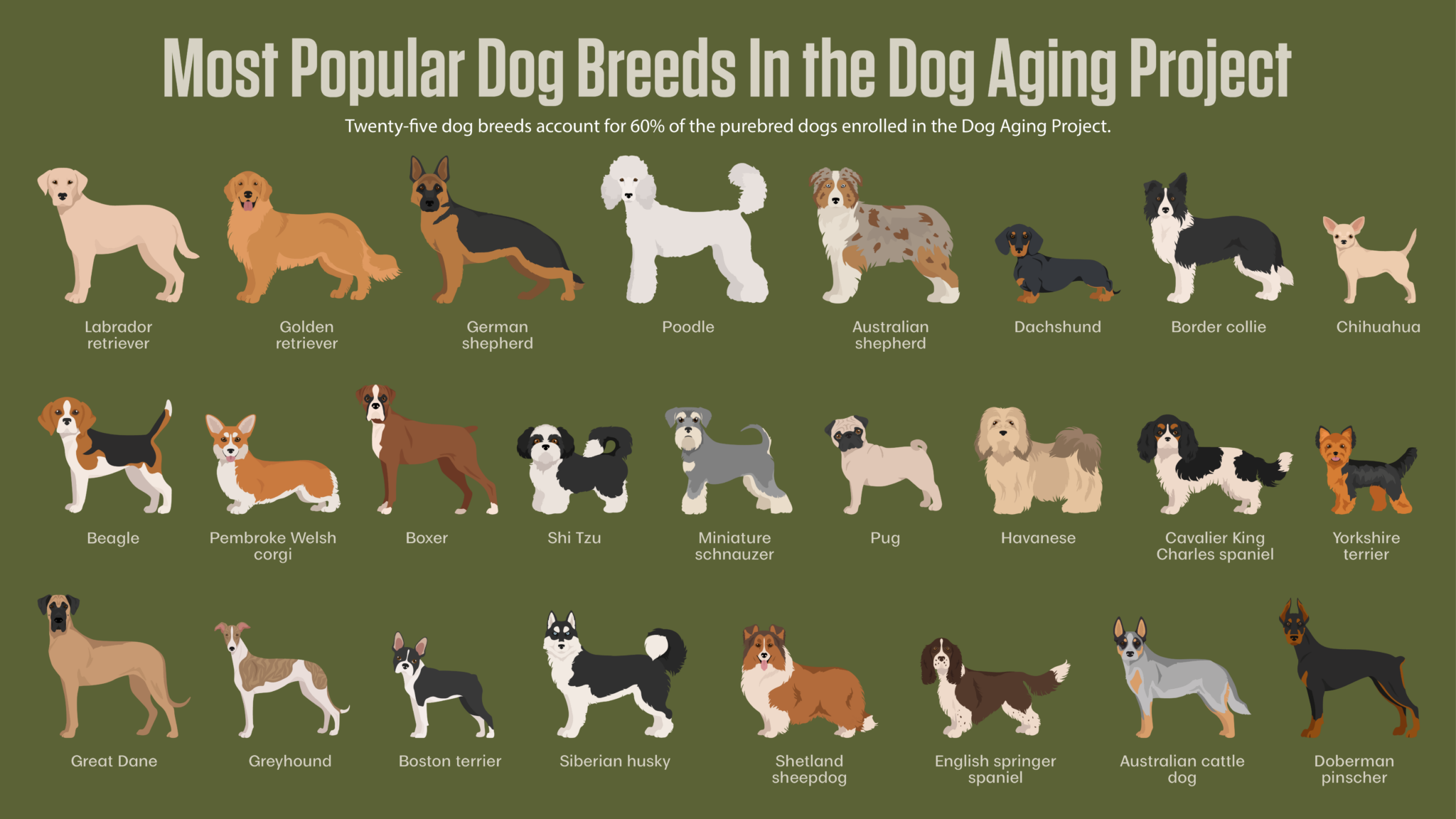
According to the study, 25 breeds make up about 60% of the purebred dog population within the Dog Aging Project. In order of popularity, those breeds are: 

  • Labrador retriever
  • Golden retriever
  • German shepherd
  • Poodle
  • Australian shepherd
  • Dachshund
  • Border collie
  • Chihuahua
  • Beagle
  • Pembroke Welsh corgi
  • Boxer
  • Shi Tzu
  • Miniature schnauzer
  • Pug
  • Havanese
  • Cavalier King Charles spaniel
  • Yorkshire terrier
  • Great Dane
  • Greyhound
  • Boston terrier
  • Siberian husky
  • Shetland sheepdog
  • English springer spaniel
  • Australian cattle dog
  • Doberman pinscher

Within these 25 breeds, a total of 53 unique medical conditions make up the top owner-reported medical conditions. 

“The medical conditions reported by owners of purebred dogs varied considerably,” Creevy said. “However, some conditions appeared frequently in the top 10 reported health conditions by breed.”

Across the 25 most popular breeds, those 10 conditions were:

  • Dental calculus (hardened plaque)
  • Dog bites
  • Extracted teeth
  • Giardia (a parasite)
  • Osteoarthritis
  • Seasonal allergies
  • Ear infection
  • Heart murmur
  • Fractured teeth
  • Cataracts

For mixed-breed dogs, the most common reported conditions were highly similar, with cataracts and heart murmur being replaced by torn/broken toenail and chocolate toxicity.

Some conditions, like dental calculus and osteoarthritis, appeared with roughly the same frequency in both purebred and mixed-breed dogs. Other conditions were more common in one than the other; extracted teeth and dog bites were more common in purebreds, versus ear infections in mixed-breed dogs.

“Out of the 53 medical conditions that owners reported, 26 did not differ significantly between mixed-breed and purebred dogs,” Creevy said.

Implications For Dog Owners

Ultimately, one of the most important findings from the study is that dog breed is only one aspect of pet health to consider when creating a pet’s care plan or researching what kind of dog to adopt.

“People should consider many factors when choosing a dog, including environment, lifestyle, social interactions and physical activity that will be available to the dog,” Creevy said. “Planning for both preventive veterinary care and medical care as the dog ages is also prudent. Dog owners should also talk with their primary care veterinarians about the kinds of medical problems to which their new dog might be particularly prone based on breed, size, sex, etc.”

As the study also showed, some of the most common reasons owners take their dogs to the vet have little or nothing to do with breed.

“Dental disease, allergies and osteoarthritis are among the most common conditions for all dogs,” Creevy said. “Owners should work with their primary care veterinarians on a plan to manage dental health. Regular exercise and maintaining lean body weight may help delay, prevent or lessen the impact of osteoarthritis.”

Expanding Dog Health Understanding

Though the study is already one of the largest cross-sectional studies of canine health, researchers at the Dog Aging Project are far from done examining its findings.

“We were surprised by the number of owners who reported that their dogs had experienced a bite from another dog,” Creevy said. “More investigation is needed to determine what this means and what particular factors might put an individual dog at risk.”

The DAP is a collaborative, community scientist-driven data-gathering research project that enrolls companion dogs from all backgrounds to study the effects of aging and gain a better understanding of what contributes to a long and healthy life for a dog. 

The DAP continues to accept dogs of all breeds into the project. To date, more than 50,000 dogs have been enrolled.

Many of their research projects have led to translational studies that inform not only dog health, but also human health. To enroll your dog, or learn more, visit dogagingproject.org.

Twenty-five dog breeds account for 60% of the purebred dogs enrolled in the Dog Aging Project. Aubree Herrold/School of Veterinary Medicine and Biomedical Sciences

Source: Texas A&M University

A Life-Extension Drug for Big Dogs Is Getting Closer to Reality

The FDA has yet to approve any drugs for life extension. But biotech company Loyal is now a step closer to bringing one to market—for dogs.

Photograph: MartinFredy/Getty Images

There’s a well-established inverse relationship between a dog’s size and its expected lifespan. Bernese mountain dogs and Great Danes live just six to eight years, for example, while corgis can live up to 15 years and Chihuahuas up to two decades.

San Francisco biotech company Loyal wants to close that gap, and is developing an experimental drug to extend the lifespan and improve the quality of life of large and giant dog breeds. Today, the company announced that based on early data, the US Food and Drug Administration has determined that Loyal’s drug has a “reasonable expectation of effectiveness.” The company hasn’t yet shown that its drug actually extends lifespan, but the FDA decision signals the agency’s confidence in Loyal’s approach, and the drug will soon be tested in a bigger trial.

“Big dog owners want more time with their dogs,” says Loyal CEO Celine Halioua. “It’s really heartbreaking to people that they don’t live that long.” She argues that the wide variety in dog sizes isn’t natural, but a result of selective breeding by humans to create dogs with certain physical traits or that can perform specific tasks. On average, mixed-breed dogs live longer than their purebred counterparts.

So far, the FDA has not approved any drugs to expand the lifespan of animals—or humans, for that matter. “This is completely novel,” says Linda Rhodes, former CEO of pet biotech company Aratana Therapeutics and a consultant for Loyal. It’s difficult to study life-extension drugs in people, she says, because humans live relatively longer lives than other species. But starting with dogs—and the breeds with the shortest lives—could yield important clues. “The implication for other species, including humans, is pretty profound,” she says.

Loyal’s experimental drug is an injection designed to be given every three to six months by a veterinarian. The drug is meant to lower levels of a hormone called IGF-1, which is involved in growth and metabolism and has been linked to dog size. Large dogs have a genetic variant that leads to high levels of IGF-1 and small dogs have a different variant that results in lower levels.

Inhibiting this hormone has been shown to increase lifespan in worms, flies, and rodents. In humans, both very high and very low levels increase mortality risk, while a midrange is associated with the lowest mortality.

In early studies, Loyal dosed 130 research dogs with its investigational drug. Halioua says the company has shown that it can reduce IGF-1 levels in large dogs to those seen in medium-size dogs. Two dogs had loose stools for a day or two after receiving the injection, but beyond that, Halioua says, no major side effects have been observed.

To determine the drug’s effect on lifespan, the company is planning a bigger study that will start in 2024 or 2025, and enroll about 1,000 large and giant breed companion dogs that are at least 7 years old. Each will receive either the experimental drug or a placebo.

Halioua says the company aims to have its drug on the market by 2026. But first, Loyal still has to prove to the FDA—which regulates both human and veterinary medicines—that the injection is safe and that the drug can be reliably manufactured. At that point, the FDA can grant conditional approval, a temporary authorization that lasts five years and allows the drug to be sold by prescription. During that time, Loyal will collect effectiveness data and apply for full approval.

Loyal is also working on two other drugs: a pill version for large and giant dog breeds, and a pill for older dogs of all breeds.

Danika Bannasch, a veterinary geneticist at the University of California, Davis, who specializes in canine genetics, says that IGF-1 is only one factor thought to be associated with dog size and longevity. “As for targeting it, I think it’s a bit premature. We know that smaller breed dogs live longer than larger breed dogs, but we don’t know how much of that is due to the influence of IGF-1,” she says.

In a study published last month, Bannasch and her colleagues identified another possible driver of dog longevity, a gene called ERBB4. Studying more than 300 golden retrievers, they compared the DNA from blood samples of dogs that were still alive at 14 years of age to those that died before age 12. They found that dogs with certain variants of the gene survived longer—on average, 13.5 years compared to 11.6 years. Bannasch cautions that the work was conducted in only one breed and that it’s not known whether these variants are associated with longer life in other types of dogs.

The ERBB4 gene is the canine version of HER4, a human gene closely related to HER2, which is associated with cancer. Studying the canine gene could have implications for human health. Researchers are also testing new cancer treatments in dogs with the hope that these therapies could help people.

Giving an experimental drug to healthy dogs is different from treating sick dogs. Bannasch says Loyal’s drug will need to clear a high safety bar for owners to be comfortable giving it to their pets. She also thinks a drug would need to show more than a few months of life extension before people would want to buy it for their dogs. “As a pet owner, I think anything over a year would be great. I suspect people would be really interested in that,” she says.

Linda Rhodes says that humans owe it to dogs to make up for the genetic misfortunes they’ve inherited due to hundreds of years of breeding. “We’ve bred dogs to have problems because we want them to look or act a certain way,” she says. “It’s our responsibility to figure out how we can help.”

Source: Wired.com

Most dog breeds highly inbred

Dog breeds are often recognized for distinctive traits — the short legs of a dachshund, wrinkled face of a pug, spotted coat of a Dalmatian. Unfortunately, the genetics that give various breeds their particular attributes are often the result of inbreeding.

A study shows the majority of canine breeds are highly inbred, contributing to an increase in disease and health care costs throughout their lifespan. (Getty)

In a recent study published in Canine Medicine and Genetics, an international team of researchers led by University of California, Davis, veterinary geneticist Danika Bannasch show that the majority of canine breeds are highly inbred, contributing to an increase in disease and health care costs throughout their lifespan.

“It’s amazing how inbreeding seems to matter to health,” Bannasch said. “While previous studies have shown that small dogs live longer than large dogs, no one had previously reported on morbidity, or the presence of disease. This study revealed that if dogs are of smaller size and not inbred, they are much healthier than larger dogs with high inbreeding.”

Inbreeding affects health

The average inbreeding based on genetic analysis across 227 breeds was close to 25%, or the equivalent of sharing the same genetic material with a full sibling. These are levels considered well above what would be safe for either humans or wild animal populations. In humans, high levels of inbreeding (3-6%) have been associated with increased prevalence of complex diseases as well as other conditions.

“Data from other species, combined with strong breed predispositions to complex diseases like cancer and autoimmune diseases, highlight the relevance of high inbreeding in dogs to their health,” said Bannasch, who also serves as the Maxine Adler Endowed Chair in Genetics at the UC Davis School of Veterinary Medicine.

The researchers partnered with Wisdom Health Genetics, a world leader in pet genetics, to obtain the largest sample size possible for analysis. Wisdom Health’s database is the largest dog DNA database in the world, helping researchers collect data from 49,378 dogs across 227 breeds — primarily from European sources.

Some breeds more inbred

So, what makes a dog breed more inbred than others? Bannasch explained that it’s often a combination of a small founding population followed by strong selection for particular traits in a breed — often based on looks rather than purpose. While she has always had an interest in the population structure of some of these breeds, she became particularly interested in the Danish-Swedish farmdog several years ago. She fell in love with their compact size, disposition and intelligence, and ended up importing one from Sweden.

Bannasch discovered that Danish-Swedish farmdogs have a low level of inbreeding based on their history of a relatively large founding population of 200, and being bred for function, rather than a strong artificial selection for looks. And according to the insurance health data on breeds collected from Agria Insurance Sweden and hosted online by the International Partnership for Dogs, the farmdog is one of the healthiest breeds.

The study also revealed a significant difference in morbidity between brachycephalic (short skull and snout) and non-brachycephalic breeds. While that finding wasn’t unexpected, the researchers removed brachycephalic breeds from the final analysis on effects of inbreeding on health.

Preserving genetic diversity

In the end, Bannasch said she isn’t sure there is a way out of inbred breeds. People have recognized that creating matches based solely on pedigrees is misleading. The inbreeding calculators don’t go back far enough in a dog’s genetic line, and that method doesn’t improve overall high levels of population inbreeding.

There are other measures that can be taken to preserve the genetic diversity and health of a breed, she said. They include careful management of breeding populations to avoid additional loss of existing genetic diversity, through breeder education and monitoring of inbreeding levels enabled by direct genotyping technologies.

Outcrosses are being proposed or have already been carried out for some breeds and conditions as a measure to increase genetic diversity, but care must be taken to consider if these will effectively increase overall breed diversity and therefore reduce inbreeding, Bannasch said. In particular, in the few breeds with low inbreeding levels, every effort should be made to maintain the genetic diversity that is present.

Source: UC Davis

Genetic enigma solved: Inheritance of coat color patterns in dogs

An international team of researchers including scientists from the Institute of Genetics of the University of Bern has unraveled the enigma of inheritance of coat color patterns in dogs. The researchers discovered that a genetic variant responsible for a very light coat in dogs and wolves originated more than two million years ago in a now extinct relative of the modern wolf.

Wolf (stock image).
Credit: © Matthieu / stock.adobe.com

The inheritance of several coat color patterns in dogs has been controversially debated for decades. Researchers including Tosso Leeb from the Institute of Genetics of the University of Bern have now finally been able to solve the puzzle. Not only did they clarify how the coat color patterns are genetically controlled, but the researchers also discovered that the light coat color in white arctic wolves and many modern dogs is due to a genetic variant originating in a species that went extinct a long time ago. The study has just been published in the scientific journal Nature Ecology and Evolution.

Two pigments and a “switch” for all coat colors

Wolves and dogs can make two different types of pigment, the black one, called eumelanin and the yellow, pheomelanin. A precisely regulated production of these two pigments at the right time and at the right place on the body gives rise to very different coat color patterns. Prior to the study, four different patterns had been recognized in dogs and several genetic variants had been theorized which cause these patterns. However, commercial genetic testing of these variants in many thousands of dogs yielded conflicting results, indicating that the existing knowledge on the inheritance of coat color patterns was incomplete and not entirely correct.

During the formation of coat color, the so-called agouti signaling protein represents the body’s main switch for the production of yellow pheomelanin. If the agouti signaling protein is present, the pigment producing cells will synthesize yellow pheomelanin. If no agouti signaling protein is present, black eumelanin will be formed. “We realized early on that the causative genetic variants have to be regulatory variants which modulate the rate of protein production and lead to higher or lower amounts of agouti signal protein”, Tosso Leeb explains.

Five instead of four distinct coat color patterns

The gene for agouti signaling protein has several initiation sites for reading the genetic information, which are called promoters. Dogs, on the one hand, have a ventral promoter, which is responsible for the production of agouti signaling protein at the belly. On the other hand, dogs have an additional hair cycle-specific promoter that mediates the production of agouti signaling protein during specific stages of hair growth and enables the formation of banded hair.

For the first time, the researchers characterized these two promoters in detail, in hundreds of dogs. They discovered two variants of the ventral promoter. One of the variants conveys the production of normal amounts of agouti signaling protein. The other variant has higher activity and causes the production of an increased amount of agouti signaling protein. The researchers even identified three different variants of the hair cycle-specific promoter. Starting with these variants at the individual promoters, the researchers identified a total of five different combinations, which cause different coat color patterns in dogs. “The textbooks have to be rewritten as there are five instead of the previously accepted four different patterns in dogs”, Leeb says.

Unexpected insights on the evolution of wolves

As many genomes from wolves of different regions on earth have become publicly available, the researchers further investigated whether the identified genetic variants also exist in wolves. These analyses demonstrated that the variants for overactive ventral and hair cycle-specific promoters were already present in wolves prior to the domestication of modern dogs, which started approximately 40,000 years ago. Most likely, these genetic variants facilitated adaptation of wolves with a lighter coat color to snow-rich environments during past ice ages. Today, the completely white arctic wolves and the light colored wolves in the Himalaya still carry these genetic variants.

Further comparisons of the gene sequences with other species of the canidae family yielded very surprising results. The researchers were able to show that the overactive variant of the hair cycle-specific promoter in light-colored dogs and wolves shared more similarities with very distantly related species such as the golden jackal or the coyote than with the European grey wolf.

“The only plausible explanation for this unexpected finding is an ancient origin of this variant, more than two million years ago, in a now extinct relative of wolves”, Leeb says. The gene segment must have been introgressed more than two million years ago into wolves by hybridization events with this now extinct relative of wolves. Thus, a small piece of DNA from this extinct species is still found today in yellow dogs and white arctic wolves. “This is reminiscent of the spectacular finding that modern humans carry a small proportion of DNA in their genomes from the now extinct Neandertals”, Leeb adds.

Source: University of Bern

Your Kelpie is not a Dingo

Many kelpie owners wonder if their dog has a little bit of dingo in them. Some believe the kelpie was bred with the dingo to make them more resilient to the Australian climate. New research suggests this may be bush folklore.

Researchers at the University of Sydney have found no genetic evidence that the iconic Australian kelpie shares canine ancestry with a dingo, despite Australian bush myth.

The paper, published in the journal Genes, is the first peer-reviewed study of its kind to find that the domestic and wild dogs share no detectable common DNA in genes impacting coat colour and ear type.

Professor Claire Wade with Peppa and Cash (right). Photo by Vanessa Saines.

Some kelpie owners and “old-timers” believe the kelpie breed contains genes from the Australian dingo, said Professor Claire Wade in the School of Life and Environmental Sciences.

It has been said that the dingo was mixed with the kelpie, which originally came from Scotland, to produce a more-resilient and hardy dog that could withstand hot, dry Australian conditions,” Professor Wade said.

“Our analysis shows there is no genetic evidence for this from any genes affecting the way the domestic and wild dogs look,” Professor Wade says.

Professor Wade, who is an expert in dog genetics, said some people have come to believe there is a connection simply because the two dogs look similar. They both have pricked up ears, a similar body shape and hair texture, and some kelpies are yellow or cream in colour.

“There’s a bit of Australiana and sentiment here,” Professor Wade said. “We wish the Australian kelpie was somehow special or unique to us. But the breed has come from Scotland and the way we made it our own was by selecting it for our harsh climate.”

The study characterised known gene variants of both kelpie types (Australian kelpie —conformation; Australian working kelpie — herding) and compared the variants present with those in sequenced Australian dingoes.

Genes assessed included identified coat colour and ear type variants. None of the coat colour or ear type genes analysed offered support for a shared family history.

Kelpies in Australia

The kelpie was brought to Australia in the late 1800s from Scotland. They are a herding dog derived from the Scottish smooth collie or farm collie. There are two types of kelpies developed in Australia: the working kelpie, which has been selected specifically to handle the Australian climate and working conditions, and the conformational kelpie, which is usually a single colour all-over and is more likely to live in the city.

The best-known Australian kelpie in popular culture is Koko, the dog in the movie Red Dog.

Dingoes are believed to have arrived in Australia more than 4000 years ago, most likely with Asian seafarers.

The kelpie samples in the research were obtained as part of a larger genetic project helping breeders produce the best possible working dogs. Owners of working kelpies are invited to take part in a survey of current working dogs and their behaviours.

Source:  The University of Sydney

Two new genes dis­covered in the de­vel­op­men­tal de­fects of can­ine enamel

In addition to humans, hereditary disorders of enamel development occur in dogs, greatly impacting their dental health and wellbeing. A recent study reveals canine enamel disorders similar to those found in humans, linking them with ENAM and ACP4, two genes previously described in humans.

Dog tooth enamel study

New variants in the ENAM gene that codes enamelin were discovered in Parson Russell Terriers

The enamel that covers teeth is the hardest structure in the entire body. Its development is a complex process, and related developmental disorders may result in low enamel quantity, its absence or structural weakness. Alongside aesthetic issues, enamel defects have an impact on dental health and general wellbeing. Amelogenesis imperfecta (AI) is a group of hereditary developmental disorders affecting enamel, with more than ten associated genes reported in humans.

AI causes a significant wellbeing problem for dogs as well, yet the diseases, poorly known in canine medicine, often remain undiagnosed. Canine AI has earlier been linked with the ENAM and SLC24A4 genes in two breeds. In a recent study conducted at the University of Helsinki, two novel recessively inherited enamel disorders were described in dogs, and associated with causative variants in ENAM and ACP4. The identified genes have previously been linked with hereditary enamel development defects also in humans.

“We have observed enamel defects in several breeds. In this study, we found new gene variants in the ENAM gene of Parson Russell Terriers and the ACP4 gene of Akitas and American Akitas. The ACP4 finding was of particular interest, as its role in the development of tooth enamel is not well known, and there are no previous descriptions for any animal models,” says Marjo Hytönen, PhD, the first author of the study.

ENAM codes for enamelin, the key enamel protein, and is significant for achieving the correct enamel thickness during tooth development. A considerable part of human AI disorders are associated with mutations in the ENAM gene, whereas ACP4 codes for the phosphatase enzyme, whose specific significance to tooth and enamel development is currently unclear, but which may influence cellular differentiation and mineralisation. Dogs with an ACP4 mutation expressed thinning of the enamel and a slight mineralisation disorder.

Unlike mice, dogs have primary and permanent teeth just as humans, and the number of teeth is also similar. Therefore, dogs serve as an excellent model for human dental diseases.

“The spontaneous enamel defects found in this study resemble earlier descriptions of human patients, and are also linked with the same genes. Through gene tests, the gene findings will provide new diagnostic tools for veterinarians and breeders, which will also help with understanding the causes, mechanisms and hereditary nature of enamel defects. This is important for the development of early and improved therapies,” explains Professor Hannes Lohi, director of the research group.

Earlier, the group discovered a mutation in the FAM20C gene, impacting tooth hypomineralisation. Gene mapping will continue on various dental diseases in different breeds, including a publication which is currently being prepared on an unknown AI gene.


Source:  University of Helsinki media release


Bulldogs’ Screw Tails Linked to Human Genetic Disease

With their small size, stubby faces and wide-set eyes, bulldogs, French bulldogs and Boston terriers are among the most popular of domestic dog breeds. Now researchers at the University of California, Davis, School of Veterinary Medicine have found the genetic basis for these dogs’ appearance, and linked it to a rare inherited syndrome in humans.

bulldog

Moxie, a 3-year-old French bulldog, took part in a study of the genetics of “screwtail” dog breeds (bulldogs, French bulldogs and Boston terriers). A common mutation in these dogs is similar to genetic changes in a rare human disease, Robinow syndrome. (Photo credit: Katy Robertson)

Bulldogs, French bulldogs and Boston terriers aren’t the only dogs with short, wide heads, but they do share another feature not found in other breeds: a short, kinked tail or “screwtail,” said Professor Danika Bannasch, Department of Population Health and Reproduction in the UC Davis School of Veterinary Medicine. These three breeds all lack the vertebrae that make up the tail bone, she said.

The researchers sequenced the whole genome — the entire DNA sequence — of 100 dogs, including 10 from screwtail breeds. All the participating dogs were privately owned pets seen at the UC Davis Veterinary Medical Teaching Hospital, whose owners agreed to participate. Graduate students Tamer Mansour and Katherine Lucot, with C. Titus Brown, associate professor at the School of Veterinary Medicine and Genome Center, searched through the DNA sequences to find changes associated with screwtail breeds.

From more than 12 million individual differences they were able to identify one mutation, in a gene called DISHEVELLED 2 or DVL2. This variant was found in 100 percent of the bulldogs and French bulldogs sampled, and was very common in Boston terriers.

This kind of whole genome comparison is relatively new, Bannasch said.

“Normally, we would have first had to identify a region DNA and work from there,” she said. “We could look at breed-specific traits, but not as well as we can now.”

Professor Henry Ho at the UC Davis School of Medicine studies similar genes in humans. Mutations in the related DVL1 and DVL3 genes are known to cause Robinow syndrome, a rare inherited disorder in humans characterized by strikingly similar anatomical changes — a short, wide “babyface,” short limbs and spinal deformities. In addition, Robinow patients and the screwtail breeds also share other disease traits, such as cleft palate. In both humans and dogs, DVL genes are part of a signaling pathway called WNT involved in development of the skeleton and nervous system, among other things, said Peter Dickinson, professor of surgical and radiological sciences at the School of Veterinary Medicine. By characterizing the screwtail DVL2 protein product, Sara Konopelski, a graduate student in the Ho lab, pinpointed a key biochemical step in the WNT pathway that is disrupted by the mutation. This finding further suggests that a common molecular defect is responsible for the distinct appearances of both Robinow patients and screwtail dog breeds.

The DVL2 screwtail mutation is so common in these breeds, and so closely tied to the breed appearance, that it would be difficult to remove it by breeding, Dickinson said. Other genes are known to contribute to short, wide “brachycephalic” heads in dogs, and there are likely multiple genes that contribute both to appearance and to chronic health problems in these breeds.

Understanding a common mutation in popular dog breeds may, however, give more insight into the rare Robinow syndrome in humans. Only a few hundred cases have been documented since the syndrome was identified in 1969.

“It’s a very rare human disease but very common in dogs, so that could be a model for the human syndrome,” Bannasch said.

Source:  UC Davis media release

Demography and disorders of the French Bulldog population

French Bulldogs, predicted soon to become the most popular dog breed in the UK, are vulnerable to a number of health conditions, according to a new study published in the open access journal Canine Genetics and Epidemiology.

Researchers at The Royal Veterinary College (RVC), UK found that the most common issues in French Bulldogs over a one year period were ear infections, diarrhea and conjunctivitis (inflammation of the eye surface).

FB

French Bulldog puppy. Credit: © Mary Swift / Fotolia

Dr. Dan O’Neill, RVC Senior Lecturer and the main author, said: “French Bulldogs are a relatively new arrival to the list of common UK breeds so there is very little current research on them in the UK. Our study — the first on this breed in the UK — is based on anonymised records gathered from hundreds of UK vet clinics. It provides owners with information on the issues that they could expect and should look out for in French Bulldogs. It may also help potential new owners to decide if a French Bulldog really is for them.”

Dr. O’Neill adds: “One of the interesting finding from our research is that male French Bulldogs appear to be less healthy than females. Males were more likely to get 8 of the 26 most common health problems while there were no issues that females were more likely to get than males.”

The authors suggest that the distinctive appearance of the French Bulldog, with their short muzzles and wide, prominent eyes, may be a key factor influencing their popularity. However, these characteristics may also increase the risk for some of the health problems seen in French Bulldogs. For example breathing issues, seen in 12.7% of the dogs in this study, are a known problem in breeds with short noses and flat faces. Skin problems overall were the most common group of health issues and the authors suggest that this may be due to the skin folds that are characteristic of the breed.

Dr. O’Neill said: “This study also documents the dramatic rise in popularity of the French Bulldog, from 0.02% of puppies born in 2003 to 1.46% of puppies born in 2013. This level of population growth in a single dog breed is unprecedented. There is a worry that increased demand for the French Bulldog is damaging to these dogs’ welfare because of the health risks associated with their extreme physical features.”

The authors analyzed data on 2,228 French Bulldogs under veterinary care during 2013 from 304 UK clinics, collected in the VetCompass™ database. The French Bulldogs had a median age of 1.3 years old compared to a median age of 4.5 years for the other dog breeds in the VetCompass™ database. This reflects the growth in popularity of French Bulldogs.

The authors caution that the study may even under-estimate the true number of dogs with health problems as the data may include more severely affected animals that require veterinary management. Additionally, as French Bulldogs have only recently become popular the data was mostly collected from young dogs and it is well recognized that health problems generally become more common with age.

Source:  Science Daily

Read the journal article here


Researchers identify a common underlying genetic basis for social behavior in dogs and humans

Dogs’ ability to communicate and interact with humans is one the most astonishing differences between them and their wild cousins, wolves. A new study published in the journal Science Advances identifies genetic changes that are linked to dogs’ human-directed social behaviors and suggests there is a common underlying genetic basis for hyper-social behavior in both dogs and humans.

An interdisciplinary team of researchers, including those from Princeton University, sequenced a region of chromosome 6 in dogs and found multiple sections of canine DNA that were associated with differences in social behavior. In many cases, unique genetic insertions called transposons on the Williams-Beuren syndrome critical region (WBSCR) were strongly associated with the tendency to seek out humans for physical contact, assistance and information.

In contrast, in humans, it is the deletion of genes from the counterpart of this region on the human genome, rather than insertions, that causes Williams-Beuren syndrome, a congenital disorder characterized by hyper-social traits such as exceptional gregariousness.

“It was the remarkable similarity between the behavioral presentation of Williams-Beuren syndrome and the friendliness of domesticated dogs that suggested to us that there may be similarities in the genetic architecture of the two phenotypes,” said Bridgett vonHoldt, an assistant professor in ecology and evolutionary biology at Princeton and the study’s lead co-author.

Dogs ability to communicate

Dogs’ ability to communicate and interact with humans is one of the most astonishing differences between them and their wild cousins, wolves. Shown here, Lauren Brubaker, a graduate research assistant in the Department of Animal and Rangeland Sciences at Oregon State University and one of the study’s authors, interacts with a gray wolf. Photo by Monty Sloan

VonHoldt had identified the canine analog of the WBSCR in her publication in Nature in 2010. But it was Emily Shuldiner, a 2016 Princeton alumna and the study’s other lead co-author, who, as part of her senior thesis, pinpointed the commonalities in the genetic architecture of Williams-Beuren syndrome and canine tameness.

By analyzing behavioral and genetic data from dogs and gray wolves, vonHoldt, Shuldiner and their colleagues reported a strong genetic aspect to human-directed social behavior by dogs. Monique Udell, an assistant professor of animal and rangeland sciences at Oregon State University and the paper’s senior author, collected and analyzed the behavioral data for 18 domesticated dogs and 10 captive human-socialized wolves, as well as the biological samples used to sequence their genomes.

First, Udell quantified human-directed sociability traits in canines, such as to what extent they turned to a human in the room to seek assistance in trying to lift a puzzle box lid in order to get a sausage treat below or the degree to which they sought out social interactions with familiar and unfamiliar humans. Then, vonHoldt and Shuldiner sequenced the genome in vonHoldt’s lab and correlated their findings.

Consistent with their hypothesis, the researchers confirmed that the domesticated dogs displayed more human-directed behavior and spent more time in proximity to humans than the wolves. The also discovered that some of these transposons on the WBSCR were only found in domestic dogs, and not in wolves at all.

VonHoldt’s findings suggest that only a few transposons on this region likely govern a complex set of social behaviors. “We haven’t found a ‘social gene,’ but rather an important [genetic] component that shapes animal personality and assisted the process of domesticating a wild wolf into a tame dog,” she said.

Anna Kukekova, an assistant professor in the Department of Animal Sciences at the University of Illinois at Urbana-Champaign who is familiar with the research but had no role in it, said that the paper points to these genes as being evolutionarily conserved, or essentially unchanged throughout evolution. “The research provides evidence that there exist certain evolutionary conservative mechanisms that contribute to sociability across species,” she said. “That they have found that this region contributes to sociability in dogs is exciting.”

The researchers’ evidence also calls into question the role of domestication in the evolution of canine behavior. Most experts agree that the first domesticated dogs were wolves that ventured into early human settlements. These proto-dogs evolved not only in their looks, but also their behavior, a process likely influenced by the species’ cohabitation, according to vonHoldt.

However, unlike previous research which suggests that, during the process of domestication, dogs were selected for a set of cognitive abilities, particularly an ability to discern gesture and voice, vonHoldt and Shuldiner’s research posits that dogs were instead selected for their tendency to seek human companionship.

“If early humans came into contact with a wolf that had a personality of being interested in them, and only lived with and bred those ‘primitive dogs,’ they would have exaggerated the trait of being social,” vonHoldt said.

Source:  Princeton University media statement