Tag Archives: pets

Senior dog walkers demonstrate better balance and fewer falls

A new study from Trinity College Dublin suggests that older adults who regularly walk their dogs show improved balance and fewer falls compared to their peers.

The research, published in the Journals of Gerontology, examined data from over 4,000 community-dwelling adults aged 60 and older, finding that 15% were regular dog walkers, defined as walking their dogs four or more times per week.

“Regular dog walking was associated with better mobility, with a 1.4 second faster Timed-Up-and-Go test on average,” the study noted. “Regular dog walkers also had a 40% lower likelihood of unexplained falls over the last 2 years and a 20% lower likelihood of current fear of falling in fully-adjusted regression models.”

The research also found that simply owning a dog without regularly walking it did not provide the same benefits. Dog owners who didn’t regularly walk their pets showed no reduction in mobility problems or falls, suggesting the physical activity of dog walking, rather than pet ownership alone, drives the improvements.

Regular dog walkers in the study tended to be younger, used fewer medications, and had lower rates of heart disease. They were also more likely to have never smoked, suggesting an overall healthier lifestyle profile.

The study observed that almost 13% of participants owned dogs but didn’t walk them regularly. This group showed higher rates of mobility concerns and fear of falling compared to regular dog walkers, further emphasizing the importance of consistent dog walking activity.

The findings add to growing evidence that dog walking can serve as a consistent form of physical activity that helps maintain mobility and reduce fall risk among older adults.

Source: McKnights Long-Term Care News

Canines trained to detect clubroot in the fields of Alberta

Note from DoggyMom: I published a post in November 2024 about scent detection dogs trained to identify tubers of an endangered orchid in New South Wales (Australia). Bill Grimmer, who is featured in this article, reached out to me to make me aware of the use of dogs in Alberta. “We had similar success with the tuber “Clubroot” affecting a $12 billion operation for canola oil.” Bill also says that training of the detector dogs has become a service business for dog trainers in the area. Another success story on using the natural abilities of dogs to benefit humans and the environment.


Any dog lover knows that dogs can do amazing things. Add to that list the ability to detect clubroot in canola.

“The idea behind using dogs as detectors has been around for quite a long time. Using them to detect crop diseases has been around for the last five years or so,” said Michael Harding, plant pathologist with Alberta Agriculture and Forestry.

Last spring, Harding got a cold call from a dog trainer in New Brunswick wanting to connect with a plant pathologist to see if dogs could be trained to detect crop diseases.

After some discussion, he and two trainers from Grimmer’s Canine College in Shediac, New Brunswick, Bill Grimmer and Mario Bourque, agreed to conduct a trial on clubroot. Four dogs — all young with high energy and eager-to-please dispositions — were selected and trained using clubroot galls.

Bill Grimmer, a dog trainer from New Brunswick, walks with Adi while the Goldendoodle sniffs out clubroot in a canola field. Photo: Morton Molyneux

“They started doing the clinical training to teach the dogs to alert them when and where they detected the clubroot gall,” said Harding. “The dogs are smelling these things all the time anyway. The trick is just getting them to alert you when they smell what it is you want to detect.”

Once the dogs were trained to the scent indoors, the training moved outdoors, a much more challenging environment because of all the visual, auditory and scent distractions.

“After a couple of months of clinical training indoors and outdoors, they were ready to be field tested,” said Harding.

Funding was an issue but was resolved when Harding connected with Ken Coles, general manager of Lethbridge’s Farming Smarter, who secured a Canadian Agricultural Partnership grant.

In October, the trainers and dogs landed in Alberta and visited four canola fields — two in the southern Alberta brown soil zone, and a pair in the black soil zone near Edmonton. The dogs selected for the project were two-year-old Josie, a German shepherd, and Adi, an eight-month-old Goldendoodle rescued from the humane society.

“When the trainers were here, they showed us using their clinical training aids that the dogs were able to detect clubroot,” said Harding. “They have trained the first two dogs in the world that can detect clubroot by scent.”

Dogs will alert by barking, putting their nose on the infected canola plant, or by digging. It was surprising how quickly the dogs were able to master the task, said Harding.

“The dogs came from New Brunswick, and had never set foot in a canola field before and there were a few distractions, like gophers.”

While Adi and Josie are good examples of “working dogs,” almost any breed could be trained to do this, said Harding.

“Some dogs have some advantages when it comes to scent detection,” he said. “All dogs have the capacity to do this. It’s just a matter of rewarding the behaviour that you want.

“You could as easily train a Chihuahua or a Great Dane but we’re looking for dogs that can move through fields easily and be easy to transport.”

The trainers put GPS collars on the dogs, so they could map the fields and see where the dogs stopped. The results can then be mapped and shown on an iPad.

There are several advantages to using dogs to sniff out clubroot. First, it’s quicker than having a person walk a field looking for stunted or damaged plants, and then digging them up to see if they have galls. It might also be a way to detect the presence of the disease when an infestation is at a very early stage.

Then there’s the cost factor.

“Once you’ve borne the upfront cost of the dog, it’s not that expensive to keep a dog around, compared to what it costs to provide salaries and benefits for employees who are doing scouting,” noted Harding. “You could add multiple inspectors to your inspection crew and not have it be as financially onerous if you were going to add human inspectors.”

While some canola producers might like to train their dogs to do early identification of clubroot, another option is for individual counties to train dogs in order to beef up their level of scouting. Dog trainers might also want to add clubroot detection to their roster of services.

“This was a research project to determine feasibility and so our part in it is done,” said Harding. “If there is something valuable that the industry is going to run with, we hope that this is the case.”

There are skeptics who don’t believe the industry will be keen to adopt sniffer dogs, but Harding has ideas for additional studies to build on this first successful trial.

“We’re wondering if it’s possible to teach dogs to detect resting spores in the soil,” he said. “What if we could train them to detect spores above a certain threshold in the soil and then they could scout equipment to determine whether it was clean or needed to be washed?”


Source: Alberta Farmer Express, November 2019

The benefits and importance of fostering

I have been giving a lot of thought lately to the issue of fostering.

This time last year, Sox and I were fostering blind greyhound, Fred, who was adopted in mid-February and has settled well into a loving forever home. New Zealand has always had a homeless pet population – you don’t have to look far to find an adoption group (or two, three, or more) that operate in your area. And now, with a greyhound racing ban confirmed, our country has the responsibility to re-home the 2,900 hounds that the industry says it has it in its possession.

Fostering is the gift of life for dogs needing homes; it also has many benefits for the foster carer and the adoption agency.

Benefits of fostering

  • Fostering frees up space in shelters/kennels for another dog in need
  • For the fostered dog, it gives them a chance to de-compress (kennels keep dogs safe and fed, but they can also be noisy and negatively reinforcing – think of having roommates that you really wish would leave!)
  • For some dogs, they simply can’t cope in a shelter or kennel environment and these special dogs need to be cared for in a home before they are damaged from long-term kenneling
  • A fostered dog benefits from one-on-one attention and, if the foster carer/family own a dog (and/or other pets), then the fostered dog has the opportunity to learn the ‘house rules’ and how to interact with other companion animals
  • Fostered dogs often need to learn skills such as toilet training, walking on lead, and basic skills like wait, leave, and down (depending on the skills of the foster carer and the dog, of course) – a dog with life skills is less likely to have a failed adoption (returned to the adoption group)
  • Re-homing and adoption groups benefit from feedback from their foster carers; they learn about a dog’s likes and dislikes, behaviour, and areas for training – all of which enable them to give clearer information and support to adopters and to make a good and lasting match
  • Re-homing and adoption groups also benefit from the enthusiasm of their foster carers, who can help publicise the adoption group simply by taking the dog out for walks, promoting the dogs on their social media, and acting generally as a partner for the re-homing effort
  • An experienced foster carer is worth their weight in gold for the adoption groups they work with; some carers offer specialised skills that adoption groups often cannot afford to access on a commercial basis
  • For carers, fostering gives you the joy of companionship without necessarily the commitment of full-time ownership
  • There is huge satisfaction to be gained from giving a dog a second chance; the emotional reward is hard to describe

Setting expectations and standards

To be successful, fostering works best when the adoption agency and the foster carer are clear about expectations and standards. If the adoption agency isn’t clear about boundaries, it’s hard for the foster carer to know what a good job in fostering looks like.

Questions to ask if you are interested in fostering

Ask yourself why you want to foster – and be honest.

Most people I meet have the best of intentions to foster but can be emotionally unprepared for the experience. A foster dog is not your pet; some attachment to your foster dog is expected – it’s easy to bond with a dog in your care as you learn their personality. Some positive self-talk is a good idea – remind yourself that at some point you will need to farewell the dog, knowing that you gave them a head start for pet life.

What type of dog are you qualified to handle?

If you have breed-specific experience, it’s best to consider offering your skills to a breed-specific rescue group.

In more general terms, most previous dog owners will have experience with adult dogs; puppies are typically fostered only by those with puppy experience (and the availability to monitor them more closely throughout the day). If a dog has special needs such as behaviour issues or mobility or other physical impairments, then they will ideally need a special foster carer with some experience in these areas.

What support can you expect as a foster carer?

Most adoption groups will supply the basics for their foster carers: dog food, leash, collar, crate and bed.

Ask what process to follow if the dog is unwell and needs veterinary care, for example.

If you are experiencing behaviour problems and want to talk through training, what assistance is available? Some adoption groups have a dedicated person who will follow up with foster carers just to see how things are going – if this isn’t possible in your area, is there someone else you can bounce ideas off of?

All adoption agencies should be prepared to give you background on your foster dog. Some agencies will, of course, have very little information on the dogs that come into care. Others will have more information.

Foster agreements should be in writing

Agreements with a foster carer should be in writing and set out the responsibilities of each party; every adoption group should act as a business in this regard.

If foster carers are expected to be available for certain weekend adoption events, for example, then these should be clarified in the agreement.

Foster carers should be dealt with respect and, even if they are not being paid for their services, their in-kind time and efforts should be recognised as if the person was an employee. There should be no bullying, harassment or discrimination and the foster carer should have an avenue outlined in the agreement if a problem requires escalation. If the adoption agency has concerns about a foster carer’s competence or performance, then the agreement should outline how such situations will be handled.

What if you can’t manage it (for whatever reason)?

Life can throw us curve balls. Your situation may change. Perhaps the dog is higher needs than you anticipated and you are not coping; perhaps you are ill; perhaps there’s a family emergency. If you can’t manage to see your foster commitment through, then the foster agreement should outline the process to follow to return your foster dog. Depending on the circumstances, you should de-brief with your adoption agency, particularly if you’d like to foster again in the future.

Make a lifetime commitment only when it is right for you both

It’s natural to form a bond with your foster dog; affection for the dog is normal. After all, you are caring for a sentient creature who needs your help and who is living in your home…

While some dogs end up as ‘foster failures’, you must be sure that you can make the lifetime commitment to your foster dog if you are considering adopting them. Can you afford their care? Do you permanently have the time and space to give the dog its best pet life?

Note: If your intention is to add a dog to your home, ask your adoption agency about a ‘foster to adopt’ arrangement which means that you are providing foster care for the purpose of taking the dog on trial.

Fostering a dog in need can be one of the most rewarding experiences of your life.

If you are interested in fostering, please contact your local adoption groups for information on their needs – most will publish information on their website to get you started.

Kathleen Crisley, is Fear-Free certified dog massage therapist and canine fitness trainer. She has a particular passion for working with dogs and their families to ensure injury prevention and quality of life. She specialises in working with anxious and emotionally damaged dogs. Her mobile practice, The Balanced Dog, is based in Christchurch, New Zealand.

Field Cooling Methods for Working Dogs

Message from DoggyMom: Summer has arrived in New Zealand and, with it, the risk of overheating in our dogs. I’m sharing this post because it covers the various cooling methods we can use with our dogs. I’m particularly interested in training for the voluntary head dunk!


Heat injury is a serious risk for working and sporting dogs. High environmental temperatures plus heat generated through exercise can overheat these dogs. A dog’s core body temperature can easily reach over 105 degrees Fahrenheit during exertion. However, heat injury typically occurs only when physical activity continues and/or the dog’s ability to dissipate heat becomes compromised.


Definitions
Hyperthermia: increased core body temperature.
Heat stress: the initial pathologic response to increased core body temperature.
Heat injury: a sustained increase in core body temperature resulting in changes in physiologic function and mild to moderate organ damage.
Heat stroke: heat injury with neurologic signs and organ damage.


The American College of Veterinary Emergency and Critical Care (ACVECC) recommends the strategy of ‘cool first, transport second.’ Handlers should immediately begin cooling a dog showing signs of heat stress and then transport to a veterinary facility. Current effective cooling methods include:

  • Providing rest and shade
  • Immersion in cool water or wetting the dog’s skin and using a fan to increase air circulation around the dog
  • Wetting the paw pads with isopropyl alcohol
  • Placing ice packs in the armpits and groin


There have been few scientific studies to compare these various cooling methods and confirm the best approach for cooling dogs with exertional hyperthermia. One must also recognize that access to water may be limited in working environments, eliminating the option of full-body water immersion for over-heated dogs. To find answers and improve outcomes for at-risk dogs, the AKC Canine Health Foundation (CHF) awarded funding for a pilot study conducted at the Penn Vet Working Dog Center. Investigators compared four different cooling methods to assess their effect on core body temperature after exercise in working dogs.

Study Methods
The cooling strategies examined were:

1)      Ice packs around the dog’s neck
2)      A water-soaked towel around the dog’s neck
3)      A water-soaked towel in the dog’s armpits (axillae)
4)      A voluntary head dunk into tepid water (70 degrees Fahrenheit)


Participating dogs were exercised by doing warm-ups and recalls until their core body temperature reached over 105 degrees Fahrenheit or until they showed two or more signs of heat stress. They participated in one of the cooling strategies for 30 seconds and were monitored for 40 minutes. Over four weeks, each dog participated in all four cooling methods. (Water immersion and other cooling methods were used for any dog whose core body temperature exceeded 107 degrees Fahrenheit or whose core body temperature remained over 103 degrees Fahrenheit after 40 minutes.)

Study Results
All four cooling protocols successfully returned the dogs’ core body temperature to baseline after 40 minutes. However, only the voluntary head dunk behavior lowered core body temperature in the first 30 seconds and created a lower body temperature during the rapid cooling period in the first 5 minutes after intervention (See Figure 2 from Parnes et al). 

Figure 2 from Parnes, S. C., Mallikarjun, A., Ramos, M. T., Capparell, T. R., & Otto, C. M. (2024). Voluntary head dunking after exercise-induced hyperthermia rapidly reduces core body temperature in dogs. Journal of the American Veterinary Medical Association (published online ahead of print 2024).


Investigators suggest several physiologic factors that may explain the superior results following a voluntary head dunk in cool water. When a dog experiences heat stress, blood vessels dilate in the muzzle, ears, and limbs, increasing blood flow to these peripheral areas where heat can dissipate through convection and radiation. The skin on a dog’s head is also relatively thin compared to other parts of the body, allowing for more rapid heat exchange from this region. Finally, blood in the nasal cavity is cooled by airflow before it travels to the brain, providing yet another way of protecting the brain from heat injury. For all of these reasons, cooling methods that target a dog’s head and neck may be most effective at reducing the core body temperature and preventing heat injury.

Teaching the Voluntary Head Dunk
To use the voluntary head dunk method in the field, dogs must first be trained to retrieve a toy or piece of food from the bottom of a bucket of water.

Click here for a voluntary head dunk training demonstration.


It is important to note that this cooling method can only be used for dogs with a normal mental status who are willing to participate and can stop panting long enough to dunk their head. If any dog is not mentally appropriate, emergency cooling measures and rapid transport to a veterinary facility are required.

This study provides critical and actionable insights into the best methods to cool a dog with exercise-induced hyperthermia in the field. Future studies can review additional cooling strategies helpful to canine handlers such as the effect of pouring water over a dog’s head, adding a fan to improve airflow, and the effect of intermittent cooling activities during work. CHF and its donors will continue to support valuable health research like this study and provide evidence-based recommendations to safeguard the health of all dogs. Learn more about this work at www.akcchf.org.

Source: American Kennel Club Canine Health Foundation

An end to a valuable community resource

When I adopted Sox in March 2022, he was triggered by walking along the main road near our home, with the exception of very early mornings when there was no traffic. He didn’t like the traffic noise and he didn’t like the reflections of the vehicles in the shop windows.

Given our suburban location, his reactivity on the main road was going to be a problem and so it was time to think about how to apply de-sensitisation and counter-conditioning.

Our local SPCA Op Shop became a cornerstone to Sox’s training.

Located on the main road, it allowed well-behaved dogs, on lead, inside. Sox quickly learned that we could walk through the scary glass windows and inside were friendly people who greeted him with pats and cuddles.

He also made a special friend, a regular Sunday volunteer named Beth.

Within 8 weeks, Sox was happily walking along the main road without fear.

With few exceptions, we have visited the shop every fortnight since our first visit in 2022. Sadly, a couple of weeks ago, these posters appeared in the window – the shop is closing!

Visits to the op shop have become a regular part of Sox’s routine and a source of ongoing enrichment (think of him as the Official Greeter of the SPCA Op Shop whenever he is on site).

I am sure he will be confused when we no longer visit this shop front, and I do wonder whether he will think of his Special Friend Beth when we pass by, not knowing what has become of her and why she isn’t there to cuddle.

We will visit the shop up until the last Sunday they are open next month.

Kathleen Crisley, Fear-Free certified professional and specialist in dog massage, rehabilitation and canine fitness,  The Balanced Dog, Christchurch, New Zealand.

City of Ojai, CA bans breeding of French Bulldogs and other ‘Breathing-Impaired’ dogs and cats

Photo credit: Angelos Michalopoulos/Unsplash

They can suffer from wheezing and struggling to breathe – and the new Companion Animal Protection Ordinance in Ojai, means the breeding of breathing impaired cats and dogs, like French bulldogs and Persian cats is banned.

“For so many of these animals, breathing through their nose is like trying to suck in air through a tiny straw,” explained Jakob Shaw, the manager of strategic initiatives at PETA.

The animal welfare organization welcomed the new law.

“Breeders are deliberately selecting for unhealthy and harmful traits in order to breed dogs with these unnatural features like the flat, smushed faces and corkscrew tails that French bulldogs have. This ordinance prevents breeders from purposefully breeding dogs to have bodies that don’t work,” said Shaw.

“I’m thrilled that Ojai is setting a new national standard for protecting dogs and cats from being bred to suffer. Our companion animals are cherished members of our families and our communities, so I hope that this inspires other cities around the country to adopt Companion Animal Protection Ordinances of their own,” said Ojai Mayor Betsy Stix.

A recent study revealed that some of the most common Breathing Impaired canines have the shortest life expectancies of companion dog breeds. Shaw said that French bulldogs – who have been the most popular dog in the U.S. for the past two years – have an especially low life expectancy of only 4.5 years due in large part to their deformed, smushed-in faces. A number of countries—including Austria, Germany, the Netherlands, and Norway—have banned or restricted the breeding of some or all BIBs.

Ojai City Council has previously passed ordinances recognizing the bodily rights of elephants and banning the use and sale of glue traps for rodents.

Source: KCLU

The Pet Advocacy Network has released this media statement opposing the ban:

On Tuesday night, Ojai Mayor Betsy Stix and the Ojai City Council in California voted to adopt a misguided new law—the Companion Animal Protection Ordinance—making it the first city to ban the breeding of a wide range of cherished dog and cat breeds.

Concerningly, the Council ignored input from citizens who spoke out against the bill at a public hearing earlier this month and didn’t appear to consult any experts with real-life experience breeding pets. Instead, the Council took months of input from People for the Ethical Treatment of Animals (PETA), which has argued against breeding and pet ownership entirely, saying, “it would have been in the animals’ best interests if the institution of ‘pet keeping’—i.e., breeding animals to be kept and regarded as ‘pets’—never existed.”

The sweeping legislation outlines 19 different categories of “congenital anatomical features”—ranging from “excessive skin folds” to certain snout lengths—as grounds for a ban. Impacted breeds include beloved French Bulldogs, Pugs, Dachshunds, Corgis, Shar-Peis, Mastiffs, Persian cats, and more.

The Pet Advocacy Network (PAN), which advocates for the responsible pet care community at all levels of government, is speaking out against the law, characterizing it as an attempt to ban purebred dogs in general.

“This law is an outrageous overreach that insults responsible pet owners and breeders and takes away their freedom to choose their ideal cat or dog,” said Mike Bober, president and CEO of PAN. “The legislation flies in the face of veterinary science showing that these breeds lead happy, healthy lives with loving families when bred responsibly.

“Historical records show some of these species, including Shar-Peis and Tibetan Mastiffs, are ancient breeds that have existed in their current form for thousands of years,” he added. “We should celebrate these incredible animals, not outlaw them.”

About the Pet Advocacy Network

The Pet Advocacy Network connects the experience and expertise of the responsible pet care community to lawmakers and governing bodies, advocating for legislative and regulatory priorities at the local, state, federal and international levels. Since 1971, the organization has worked to promote animal well-being and responsible pet ownership, foster environmental stewardship, and ensure access to healthy pets, including small animals, cats, dogs, fish, reptiles, and birds. Pet Advocacy Network members include retailers, companion animal suppliers, manufacturers, wholesale distributors, manufacturers’ representatives, pet hobbyists, and other trade organizations. To learn more, visit www.PetAdvocacy.org.

The 3 Teddies

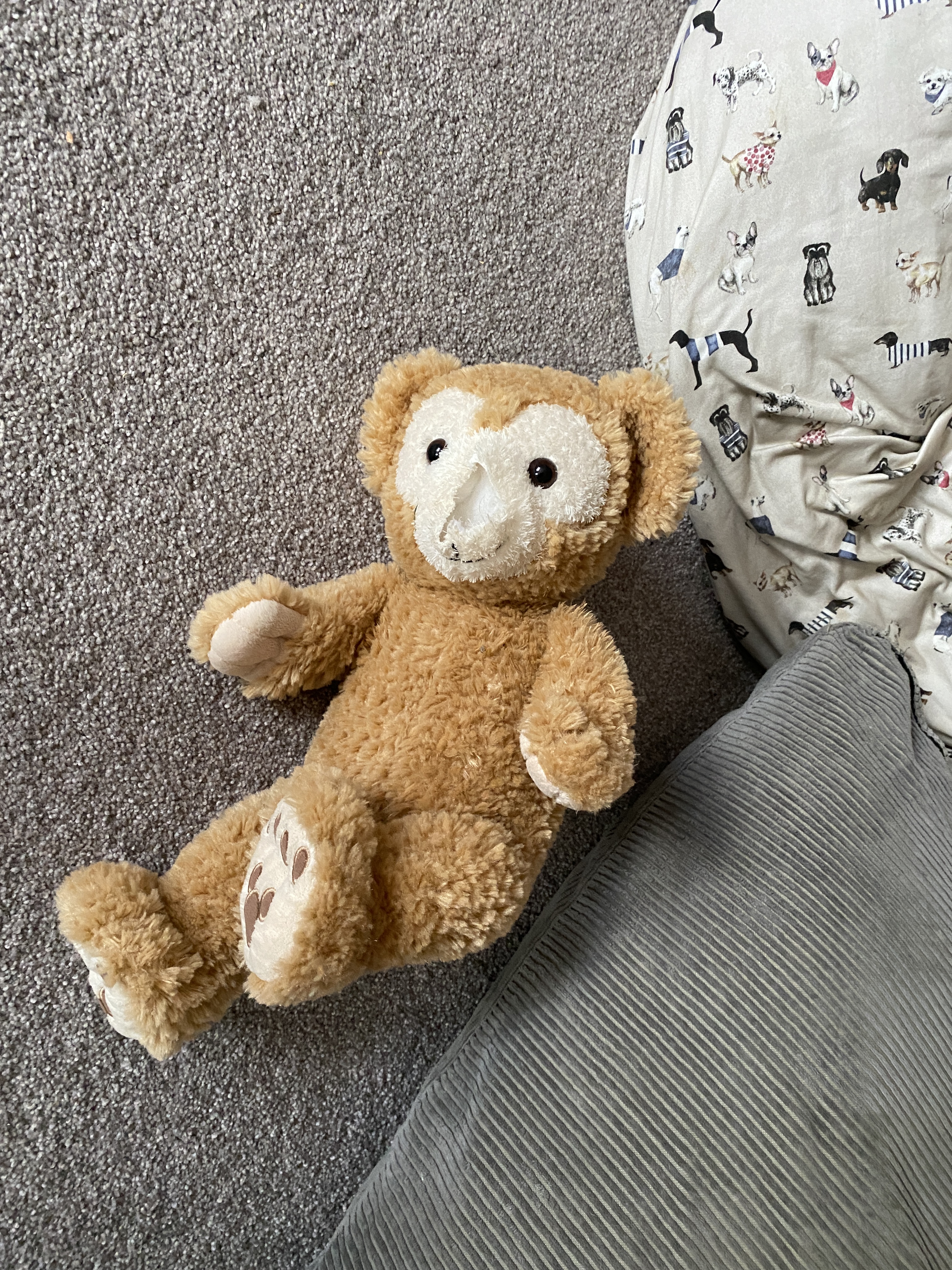
Sox has three special teddies. They are (from left to right):

  1. Cuddle Teddy
  2. Play Teddy
  3. Chewing Teddy

Cuddle Teddy is special. I found him in a giveaway box at a local op shop shortly after adopting Sox. Sox had plenty of toys, but all were hand-me-downs from previous dogs. I felt he needed his own teddy. Since then, Sox will gently mouth Cuddle Teddy and sleeps with him on the couch. He has never shown any inclination to tear or rip Cuddle Teddy and, when Cuddle Teddy gets grey from all the saliva and mouthing, I will give him a wash. This upsets Sox very much and he will throw Cuddle Teddy around in the hope of getting him to smell better.

Chewing Teddy, as the name suggests, is the teddy that is the target of Sox’s hunting skills. Chewing Teddy has been re-stuffed and gutted many times. Always a favourite, although he looks worse for wear.

Which brings me to Play Teddy. As Chewing Teddy was getting very worn, I decided it might be time to head to the op shop for a new toy. Play Teddy’s nose was ripped off immediately but, unlike Chewing Teddy, Play Teddy is largely staying in one piece. He gets played with most nights after dinner.

What makes Sox choose one toy over another? Why is Cuddle Teddy so precious? I have pondered these questions for some time.

Remembering that dogs have the sentience of a two-year old child, I think Cuddle Teddy came at a particularly important time in Sox’s life as a pet. A toy that did not smell of previous dogs and which he could make his own.

I read once that ‘familiarity brings security.’ When a nervous child starts school, for example, they may take a favoured toy with them for security. My working theory is that Cuddle Teddy is Sox’s version of a security blanket. (Although I will keep washing teddy when he is ‘ripe’ as he looks much better on the sofa without his fur sticking together and with a dingy grey colour.)

What’s the future for Chewing Teddy and Play Teddy? Who knows? That is for Sox to decide. The degree of control that we give our dogs is something called agency – and sentient creatures deserve the opportunity to have choice.

Sox continues to mature as a pet since being adopted in March 2022; but judging by the last 2+ years, Cuddle Teddy seems almost certain to go the distance.

Kathleen Crisley, Fear-Free certified professional and specialist in dog massage, rehabilitation and canine fitness,  The Balanced Dog, Christchurch, New Zealand.
Pet Night on Capitol Hill

Congresswoman Claudia Tenney (NY-24) introduces the PAW Act during Pet Night on Capitol Hill

The Human Animal Bond Research Institute (HABRI), the Pet Food Institute (PFI) and the Pet Advocacy Network co-hosted Pet Night on Capitol Hill on 11 September 2024, paying special tribute to the important role of service animals for our nation’s disabled veterans, and celebrating the positive impact of pets in America. Pet Night on Capitol Hill brought together Members of Congress, congressional staff, and leaders in the pet care community to share programs and policies that protect human and animal well-being.

“Pet Night on Capitol Hill is more than just an evening spent with some incredible pets—it’s a chance to convey to Congress the vital message that policies and programs keeping people and pets together promote better health and well-being for all,” said Vic Mason, President of the World Pet Association (WPA) and presenting sponsor of Pet Night.

“HABRI is proud to co-host Pet Night on Capitol Hill, a night dedicated to honoring the human-animal bond and its positive impact on the well-being of individuals, families and communities, including our nation’s veterans who rely on the healing support of service dogs,” said Steven Feldman, President of HABRI.

At the event, attendees interacted with Pet Partners therapy animals, show cats provided by the Cat Fanciers’ Association, and adoptable puppies from Petco Love.

Veterans and their service dogs were recognized during the Ceremony for their service to our country, and the National Service Dog Memorial displayed a replica of the resin casting of “Sully”, President George H.W. Bush’s Service dog by Susan Bahary, which will be placed in the permanent collection of the George H. W. Bush Presidential Library and Museum in College Station, TX.

The Animal Health Institute (AHI) honored the winners of the Cutest Pets on Capitol Hill contest, now in its sixteenth year, recognizing the most adorable animals belonging to Members of Congress and their staff.

Cutest Dog: Palmer
Owner: Joe Ballard
Office of Rep. Kelly Armstrong (ND)

Cutest Cat: Moony
Owner: Izzah Yousuf
Office of Rep. Al Green (TX-9)

Cutest Exotic: Froth
Owner: Larson Church
Office of Rep. Andrew Clyde (GA-9)

“I’m happy to once again partner with AHI to be a part of this event, which brings together members from both parties to share our mutual affection for our beloved pets. This event is also a fantastic reminder that ensuring our pets’ and animals’ health and safety is crucial for both their wellbeing and ours,” said Congresswoman Schrier. “That’s why in Congress, I’ve advocated for animal health through legislation like ADUFA to get new, innovative, and safe veterinary medications to market, and I am incredibly proud that this legislation was signed into law last September.”

“I’m honored to be a congressional judge for this year’s AHI Cutest Pets Contest,” said Rep. Cammack (R-FL-03). “Folks on the Hill know my office is home to our three pups who often greet guests and visitors, so we always appreciate the opportunity to support our furry friends! This year’s Pet Night is also special as we pay homage to the heroes and animals who have served our nation. I’m grateful to the Animal Health Institute for inviting me to participate in this year’s event.”

“The Animal Health Institute’s Cutest Pets on Capitol Hill is always a highlight, but there’s so much more to it than just cuteness – it’s all about the importance of pets in people’s lives,” said Alex Mathews, President and CEO of AHI. “The animal health industry serves not only to keep pets healthy, but also to keep families healthy and happy together, and we’re proud to celebrate this each year at Pet Night on Capitol Hill.”

HABRI’s “Human Animal Bond Leadership Award” was conferred upon Representative Claudia Tenney (NY-24) and Representative Deborah Ross (NC-02) for their sponsorship of the People and Animals Well-being (PAW) Act, a newly introduced bill that would allow people to use up to $1,000 of their Health Savings Accounts (HSAs) or Flexible Spending Accounts (FSAs) for veterinary care or a pet health insurance policy for their pets. The bill would impose no limit on veterinary care for service animals, providing even more support for people with disabilities, including our nation’s veterans.

“Our pets and service animals are cherished members of our families, and it’s essential that owners have the ability to pay for quality care,” said Congresswoman Tenney. “The PAW Act offers greater flexibility to pet owners by allowing them to use HSAs and FSAs for pet care expenses. This legislation will help veterans, and all pet owners afford veterinary care for their beloved pets and service animals.”

“The Pet Advocacy Network’s “Pets’ Best Friend” award was conferred upon three Members of Congress and Senators who have demonstrated a commitment to supporting pets and pet owners. Congressman Jake LaTurner of Kansas was jointly recognized by PAN and PFI, and Senator Chuck Grassley of Iowa and Congressman Glenn “GT” Thompson of Pennsylvania were recognized for their tireless service on behalf of companion animals and those who serve and support them.

“We were thrilled to recognize these Members of Congress with the Pets’ Best Friend award and to once again co-host this important celebration of pets and pet ownership in America,” said Pet Advocacy Network President and CEO Mike Bober.

“Just as complete and balanced nutrition is critical for pets, policies and programs that ensure healthy lives for people and pets are also important. Pet Night on Capitol Hill is a wonderful opportunity for the pet care community to showcase its longstanding commitment to the importance of service dogs for veterans, pets in classrooms for children, and the dire need for more pet-friendly housing, especially for domestic violence shelters,” said Dana Brooks, President & CEO of PFI.

Pet Night is part of Pet Week on Capitol Hill, a week-long series of virtual programming and in-person visits. Virtual sessions share key data about how pets are important for human health and quality of life and highlight the most pressing issues relating to pet ownership in America. All recorded sessions from Pet Week on Capitol Hill are now available to view on-demand at http://www.petnight.com

Source: Pet Business

Nearly half of Americans believe their loved ones are more excited to see their pets on the holidays

According to a new survey of 2,000 cat and dog owners, 32% admit they’re more excited to see a family member or friend’s pet than they are to see them. kerkezz – stock.adobe.com

Nearly half of Americans (43%) believe that their loved ones are more excited to see their pet this holiday season than they are to see them. 

According to a new survey of 2,000 cat and dog owners, that’s a two-way street as 32% admit they’re more excited to see a family member or friend’s pet than they are to see them. 

In fact, 20% believe that their pet enjoys the holiday season more than they do. 

Almost half (48%) of respondents do something special for their pet during the most wonderful time of the year.

This includes custom ornaments or decorations (64%), dressing them up in holiday clothing or pajamas (60%) as well as giving them their own tree (49%) and stocking (47%).

Half (49%) also like to give them extra treats, and 45% admit they give their pet more treats at Christmas than any other time of the year.

More than two-thirds (68%) are likely to give their four-legged friend their own special holiday meal.

Conducted by OnePoll on behalf of Nulo, the survey found that more than three-quarters (77%) of pet owners believe that their pet is happier with increased visitors during the holiday season.

Begging for attention (51%), welcoming guests (47%) and playing with a new holiday toy (34%) are some of the top ways respondents can tell if their pet is in the holiday spirit. 

Forty-two percent give them gifts for the holidays.

Those respondents give an average of three gifts and will spend over $100 total ($106.54).

The most popular gifts include toys (61%), clothing (59%) and treats (56%).

But who’s most likely to spoil their pet?

According to the results, their brother comes out on top (37%), followed by their pets’ grand”paw”rents, or the respondents’ father (36%) and mother (34%).

Healthy treats and special occasion meals are a great way to involve your dog or cat in fun holiday moments – and can add a nutritional boost as a bonus,” said Heather Mendoza, Ph.D., Nulo’s Director of Research & Development. 

“It’s wonderful to see that pet owners are already giving their pets special meals that align with their own holiday feasts (30%) or their favorite kind (49%) this season. The holidays offer the opportunity for quality time and memorable experiences with our families, including finding meaningful ways to show extra affection for our incredible pets.”

During the holiday season, pets are spoiled by having their person home with them (60%), going on more walks or adventures (42%) and getting to sleep more (40%).

Pets also partake in traditions such as bringing them along to celebrations at other people’s homes (59%), “opening presents” with the rest of the family (50%) and even going to visit Santa (45%).

Almost one-third (30%) have a bed for their pet in the dining room so they can be near the table during holiday meals, and 73% admit their pet is likely to be underfoot while cooking in the kitchen.

This may be because an overwhelming 78% of pet owners agree that it doesn’t feel like the holiday season if they aren’t able to spend it with their pet.

“Results showed that 40% of respondents believe Christmas is their pet’s favorite holiday – far ahead of the second favorite (New Year’s Day) at 19%,” said Mendoza.

“Between more together time, more treats and more spoiling, it’s no surprise that pets love this most wonderful time of the year. Giving your pet the highest quality treats and meals can make the holiday celebrations extra tasty and nutritious!”

Source: New York Post

Pets at Home

In the upcoming animated film The Secret Life of Pets, you may wonder if the pets and their antics are accurately depicted.

Well, the creative people at Realtor.com have taken scenes from the film and compared them to real life…

https://youtu.be/wcqIGkfr7eo

Kathleen Crisley, specialist in dog massage, rehabilitation and nutrition/food therapy, The Balanced Dog, Christchurch, New Zealand