I don’t mess around when it comes to new lumps and bumps. This small lump in the center of Sox’s head appeared in late August. After about one week, we made a trip to the vet for an exam and skin scraping.
It’s a benign histiocytoma, thankfully. This is an abnormal growth of histiocytes which are a cell that is part of the immune system. It should ‘self-resolve’ in 2-3 months; the head is a common location for this type of growth. It looks like a single, red, raised lump and it can be itchy which is why it has bled a couple of times.
To avoid infection, I have been treating it with colloidal silver. Avoiding secondary infection is particularly important for Sox because his inflammatory bowel disease is easily upset with antibiotics, which kill off the good gut bacteria.
No one, including a vet, can diagnose a lump with the naked eye. Sox’s lump could have been something more sinister such as a mast cell tumour. Keep a watch for lumps and bumps and get them checked out!
Kathleen Crisley is Fear-Free certified dog massage therapist and canine fitness trainer. She has a particular passion for working with dogs and their families to ensure injury prevention and quality of life. She specialises in working with anxious and emotionally damaged dogs. Her mobile practice, The Balanced Dog, is based in Christchurch, New Zealand
“And finally, thanks to my dear Moochie, muse and companion, the best dog any writer ever had…Moochie, I hope that wherever you are, you can catch every cat you chase, that you can get to every chicken wing you find, and that nobody complains when you wake them up in the middle of the night and pretend you have to go out just so you can nudge them out of the warm spot in the bed. I was so lucky to be your person.”
– Author Jennifer Weiner in the Acknowledgements of her book, The Summer Place
A photograph of Moochie, from Jennifer Weiner’s Instagram account
I’ve just read this piece by Dr Mia Cobb of the University of Melbourne and had to share it. Thankfully, it was published under a Creative Commons license to enable re-publication with citation.
But something has changed globally over the last year, and it has big implications for dogs worldwide.
This rapid cascade of bans signals something much bigger. Picture: Getty Images
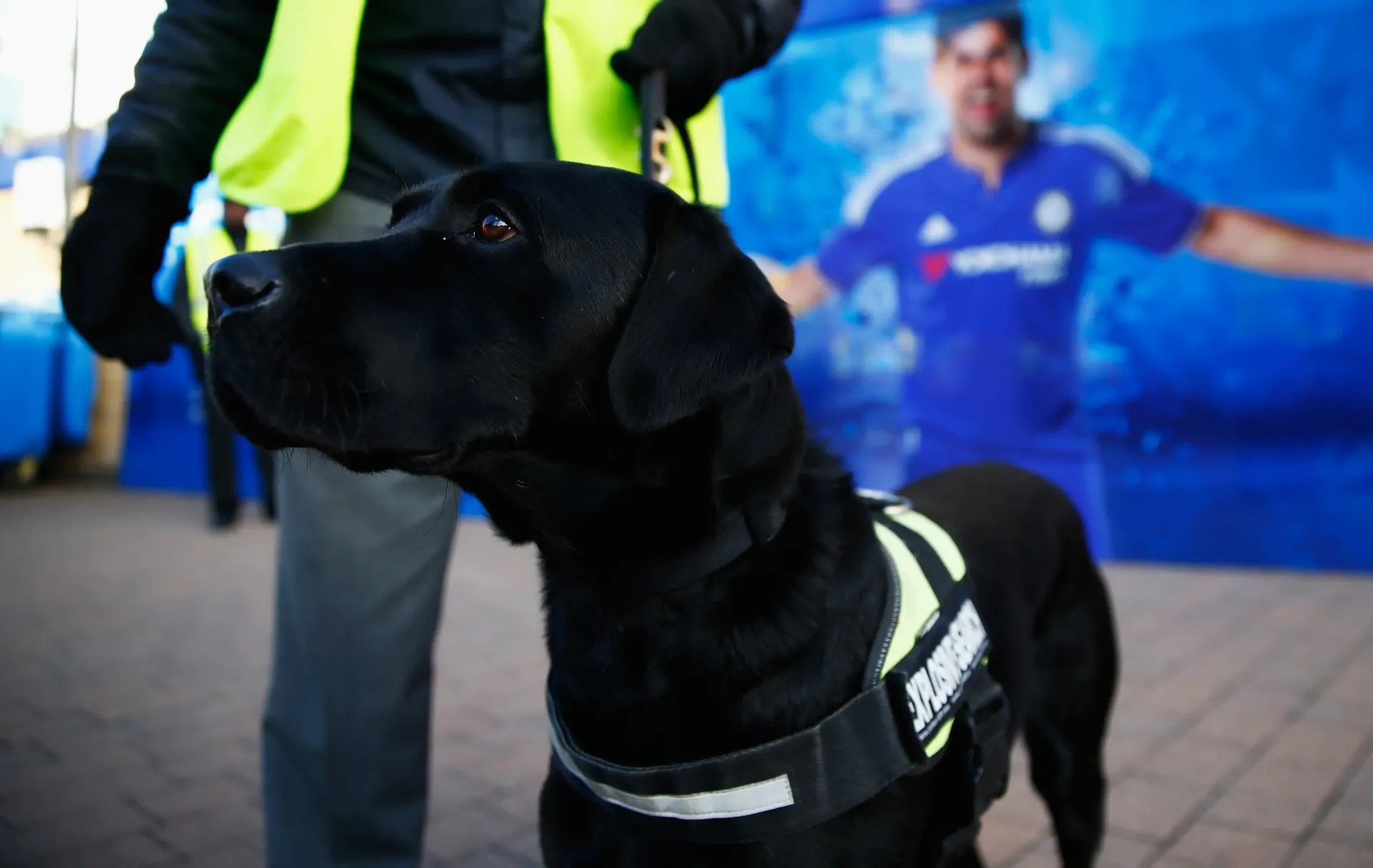
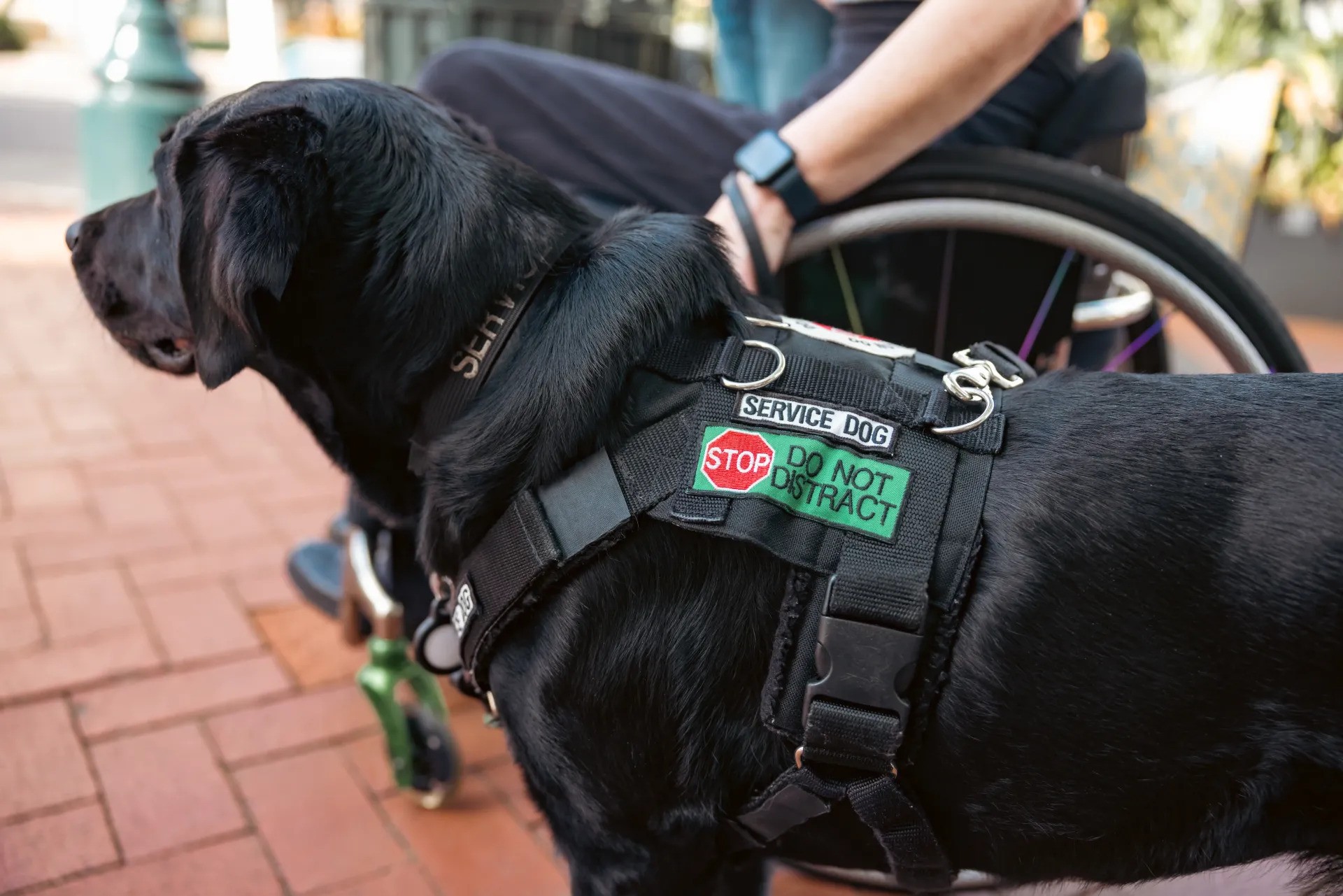
But what does this mean for the other dogs in our lives? The detection dogs in our airports, the dogs assisting people with disabilities, those supporting students in our schools or even the dog asleep on your couch?
We may donate to assistance dog charities, watch border detection programs on TV and admire search-and-rescue teams helping in disaster zones without considering what daily life looks like for these canine workers.
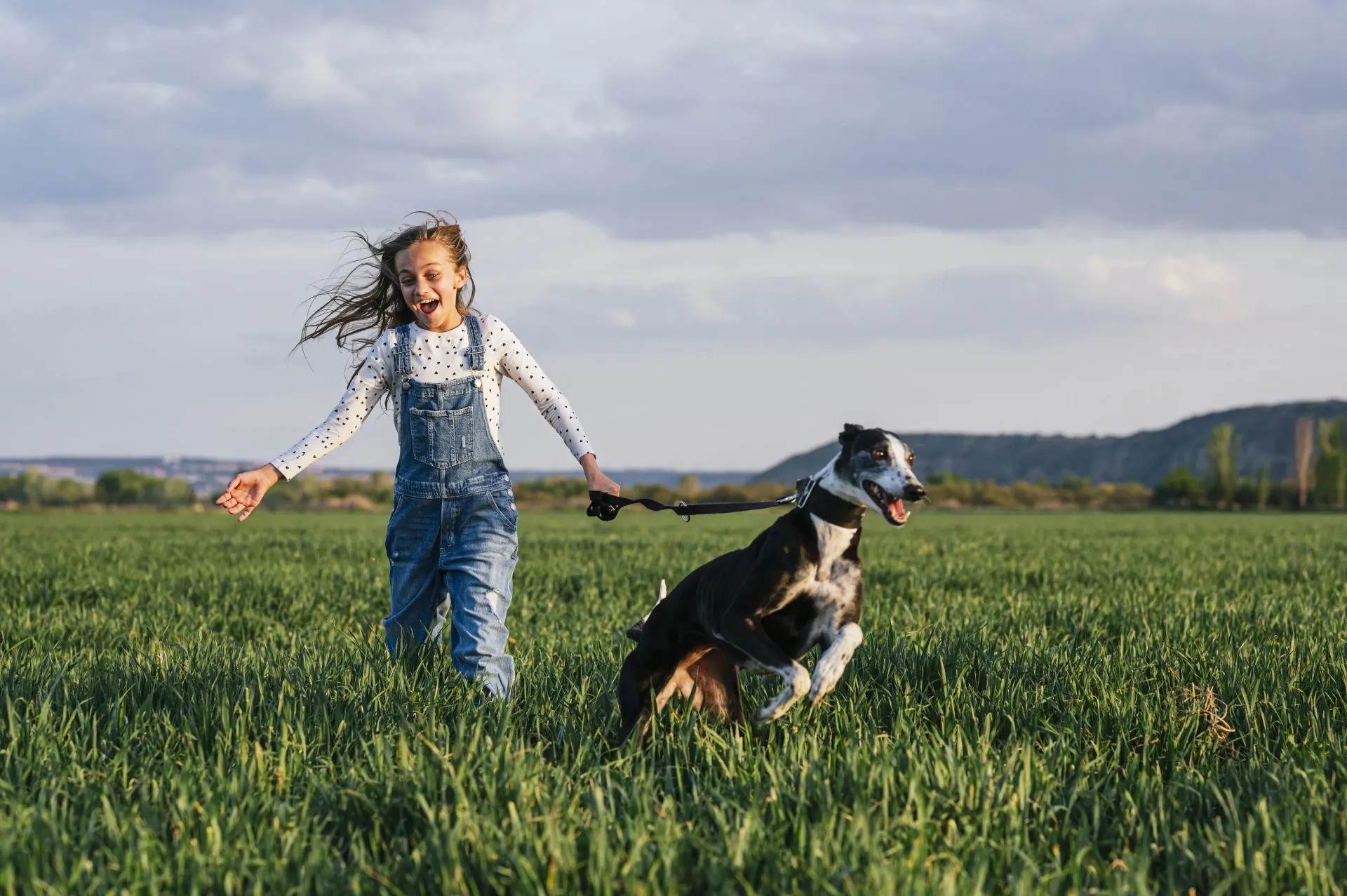
As people become increasingly conscious about animal treatment, from farm animals to those in entertainment, this awareness is expanding to include all the ways we ‘use’ dogs.
Our expanding awareness of animal treatment now includes all the ways we ‘use’ dogs. Picture: Getty Images
The recent greyhound racing collapse demonstrates how quickly public support can evaporate when welfare concerns aren’t adequately addressed.
Consider the contrast between those who embrace scrutiny versus those that resist it.
Some organisations or operators working with dogs proactively demonstrate their welfare standards, welcome independent oversight and engage openly with concerns. Others operate behind closed doors or respond defensively when questions arise about how their animals are bred, reared, housed, trained and rehomed.
Those thriving under increased public attention share common approaches: they treat welfare as a core priority rather than a compliance exercise, even when it means making major changes to the way in which they operate (for example, their training methods or the equipment used).
They also understand that genuine transparency builds public trust in ways that defensive responses never can.
But there’s an important distinction between real change and ‘welfare washing’ surface-level improvements designed more for public relations than to genuinely assure animal wellbeing.
The public is becoming increasingly sophisticated at spotting the difference.
The speed of recent racing bans – three jurisdictions in around 18 months – shows how rapidly momentum can build once public opinion shifts.
What earning trust looks like
The organisations embracing increased welfare scrutiny share common characteristics.
They proactively demonstrate care standards rather than waiting for pressure. They welcome independent monitoring and engage genuinely with concerns rather than dismissing them.
There’s a reframing from dogs as tools we use to co-workers we partner with. Picture: Getty Images
Most importantly, they recognise that working with dogs comes with profound responsibilities.
This reframing, from dogs as tools we use to co-workers we partner with, means ensuring dogs have agency in their daily lives – the ability to make choices about when to rest, opportunities to be dogs rather than just workers and environments that offer them positive social and physical experiences.
It means transparency about career length, retirement plans, injury rates and living conditions. It means treating welfare as a core business priority, not a public relations exercise.
The dogs supporting our lives
International Dog Day provides an annual opportunity to shine a spotlight on all the dogs we rely on in our lives, not just our pets at home.
t’s a chance to ask: are we caring for these animals as well as we can?
The greyhound racing industry’s decline shows what happens when the answer is unclear or unconvincing.
Public trust, once lost, is extraordinarily difficult to rebuild, especially when alternatives exist that don’t rely on the use of real animals.
Everyone relying on dogs should be asking themselves: if public attention suddenly focused on our operation tomorrow, would we welcome that scrutiny? Can we demonstrate genuine care for our animals’ wellbeing, not just their productivity?
The dogs supporting our lives – whether working at airports, guiding people safely across roads or living as companions in our homes – deserve nothing less than our full consideration of their wellbeing.
Are we caring for these animals as well as we can? Picture: Getty Images
And as the racing industry is discovering, the public increasingly expects to see proof of that care, not just promises.
They’ll be part of building a sustainable future where our partnerships with dogs are genuinely rewarding for both species. Those who can’t may find themselves wondering how something that seemed so permanent could disappear so quickly.
The choice is theirs to make – but the window for making it may be narrower than they think.
Some insect-based pet foods may not meet nutritional guidelines and may contain species not listed on the label. Researchers at Ghent University in Belgium evaluated the nutritional adequacy of insect-based dog and cat foods and found potential gaps in quality control and labeling accuracy.
The researchers analyzed 29 insect-based pet food products available in European pet food retail outlets. All the products were marketed as complete and balanced and included 24 for dogs and five for cats. These included foods designated for different life stages: four for growth, 17 for adult maintenance, and three for all life stages for dogs; two for adult cats and three for all life stages. Researchers assessed composition, essential amino acid profiles and minerals, such as calcium, phosphorus, potassium, magnesium, copper, iron, zinc, selenium, mercury and molybdenum.
Results showed that 76 percent of the products tested did not comply with their declared nutritional values, with some falling outside acceptable tolerances. When evaluated against nutritional recommendations, only three products (10 percent) met the standards set by the European Pet Food Industry Federation (FEDIAF), while 17 (59 percent) met guidelines from the National Research Council. Just one product fulfilled both its label declarations and FEDIAF recommendations. Nine products (31 percent) had discrepancies in two or more nutrient categories. Common issues included misreported crude fiber levels and metabolizable energy content. Deficiencies were found in selenium, calcium, phosphorus, and taurine, as well as improper calcium-to-phosphorus ratios, all of which could compromise pet health.
Undeclared species in insect-based pet foods
Pets with allergies to mammal or bird meats may be able to tolerate insect proteins, creating a market for insect-based pet foods as hypoallergenic. To evaluate this, the researchers used genetic sequencing on 20 insect-based products labeled as hypoallergenic to detect the presence of mammal or avian DNA. While 75 percent complied with their stated ingredient claims, five contained DNA from undeclared animals, which could present risks for pets with food sensitivities or allergies.
“Despite the potential benefits of insect-based pet foods, this study underscores the need for further research and stricter quality control to ensure safety and efficacy, ultimately improving pet nutrition and consumers’ trust,” the researchers wrote in the Journal of Insects and Food and Feed.
A new study has found that having a pet dog or cat can slow down cognitive decline.
Stock image of a puppy looking at its owner. Credit : Getty
NEED TO KNOW
A new study has found that having a cat or a dog may have a “protective factor” over cognitive abilities as you age, helping to “slow down” mental decline
The study looked at 18 years of data in adults over 50 and found a “slower decline in multiple cognitive domains” for dog and cat owners
Having a fish or a bird didn’t have an impact on cognitive abilities, the study found
The type of pet you have can impact how your brain ages — and dogs and cats have a “protective factor” that can “slow down cognitive decline.”
Dog and cat owners saw improved brain health — more than those who had birds or fish, or no pets — according to a new study, published in Scientific Reports, that used 18 years of data on cognitive decline in adults over 50.
“Both cat and dog owners experienced slower decline in multiple cognitive domains — dog owners in immediate and delayed recall, cat owners in verbal fluency and delayed recall,” the study found. “Fish and bird ownership had no significant association with cognitive decline.”
“Several explanations may help explain the absence of this association in fish and bird owners, despite the reports of their ownership’ positive influence on wellbeing in ways that are usually associated with cognitive benefits,” study author Adriana Rostekova, from the University of Geneva’s lifespan developmental psychology research group said, per The Guardian.
The study theorized that the shorter lifespan of a bird or fish impacts “the level of emotional connection,” due to “frequently having to deal with the pet’s death.” The study also pointed out that birds can be incredibly loud: “Bird ownership may negatively affect the owner’s sleep quality due to the increased noise levels, which has been shown to be associated with cognitive decline.”
But the very nature of owning a cat or a dog may help the brain stay healthy, Rostekova explained: “There is also a possibility of increased social stimulation facilitated by cats and dogs, which may be linked to the slower cognitive decline experienced by their owners: an increased frequency of social interactions when accompanied by a dog – or for cats, a substitute for a social network.”
The study says that, since “dog and cat ownership might act as a protective factor aiding to slow down cognitive decline, thus contributing to healthy cognitive [aging],” these findings could help inform policies on healthy aging, specifically to make veterinary care or pet insurance “more accessible to older adults” — as well as advocate for “animal-friendly senior housing options, such as assisted living facilities or nursing homes.”
New research explores how having a dog around during baby’s first year may help reduce skin inflammation on a molecular level.
Image: JNSB | Shutterstock
Atopic eczema is a chronic, usually hereditary, inflammatory skin condition that affects almost 20 percent of babies. Though common and treatable, eczema is often itchy and irritating, with American parents spending thousands of dollars on creams, ointments and other treatments for baby every year. But what if you could lower baby’s risk of developing eczema just by bringing a furry friend into your home?
A new study from the University of Edinburgh explored how various environmental factors—from breastfeeding and smoking to pet ownership and hygiene habits—might influence a baby’s risk of developing eczema. Researchers tested for interactions between the 24 most significant eczema-associated genetic variants and 18 early-life environmental factors during pregnancy and the child’s first year.
Looking at the DNA of over 250,000 people, researchers found that a specific genetic variant linked to a higher risk of eczema was significantly impacted by dog ownership. In babies with this gene, exposure to a dog during their first year of life appeared to nearly eliminate their risk of developing eczema.
To figure out how this worked, researchers dug deeper and found that the gene in question is linked to a protein called IL-7R, which plays a role in immune function and skin inflammation. In lab tests, when skin cells with this variant were exposed to molecules from dogs—like tiny particles from their fur or skin—those signals, which might normally trigger allergies, actually helped calm inflammation.
“The most difficult questions I’m asked by parents in clinic are about why their child has eczema, and how they can help. We know that genetic make-up affects a child’s risk of developing eczema and previous studies have shown that owning a pet dog may be protective, but this is the first study to show how this may occur at a molecular level,” Sara Brown, a professor at the University of Edinburgh Institute of Genetics and Cancer and one of the study’s authors said in a press release. “More work is needed, but our findings mean we have a chance to intervene in the rise of allergic disease, to protect future generations.”
The study also noted a similar protective effect in young children with older siblings, though more research is needed to confirm that link. Scientists believe that early exposure to a wide variety of bacteria—whether through pets or siblings—may be part of what’s helping to train the immune system in a protective way.
Researchers believe that by looking at things on a molecular level, they may be able to help pinpoint exactly what exposures might be helpful to baby. “This study sheds light on why some children develop eczema in response to environmental exposures while others don’t,” added the study’s lead author, Marie Standl, PhD. “Not every preventive measure works for everyone – and that’s precisely why gene–environment studies are crucial. They help us move toward more personalized, effective prevention strategies.”
I exercise each week with the help of a nifty fitness app (Ladder—it’s great) that offers workout plans from a personal trainer and encouragement from other users. The instructors are knowledgeable and the community encouraging. But neither is my favorite thing about the app.
My favorite thing is when other users share pictures of their pets.
Photo: Getty Images
Now, seeing a border collie doing downward dog right along with their owner is, of course, super-adorable. And I am not going to lie. I am a pet lover through and through. Animal pictures make me irrationally happy.
But my giddiness at seeing someone’s golden retriever running buddy isn’t just about the universal appeal of cute animals or my over-the-top animal obsession. According to recent research, it reveals a useful truth that can help you build relationships not just at the gym, but at work too.
If you want to connect with people more deeply, the Wharton School at the University of Pennyslyvania study indicates, sharing a picture of your pet is an ideal way to do it.
Sharing personal information at work is a minefield
The study was born out of a common modern conundrum. Should you connect with colleagues on social media, and if so, what should you share?
Like the rest of us, the research team realized that social media offered both promise and peril for workers. It can help you feel closer to teammates, which just might make you happier and more successful.
“One of the things that we found in the study is that people will be much more comfortable connecting to other people who disclose personal information,” Wharton’s Nancy Rothbard, who was involved in the research, explained in one podcast interview.
But then again, seeing your boss downing a beer with his bros or joking about her colonoscopy (or your boss seeing you doing the same) blurs boundaries that make a lot of us uncomfortable.
As another Wharton professor, Adam Grant, once observed: “Authenticity without empathy is selfish. Of course we should be true to our values, but one of those values should probably be caring about others.” Your sharing shouldn’t cause others discomfort.
How are office workers navigating this charged landscape? To find out, the researchers conducted a series of in-depth interviews and also reviewed data on actual social media use.
Different people, different dangers
To no one’s surprise, the interviews confirmed that the question of social media use and how much personal information to disclose at work is fraught.
As Rothbard memorially puts it, interviewees “would equate connecting with a boss on Facebook or Instagram as equivalent to connecting with their mother. It was sort of the same horror.”
The team also found that the calculation of what kind of personal information to share was different for different types of people. Women who disclosed more personal information were generally assessed more positively, for instance. This is likely because of stereotypes that suggest women should be warm and friendly. Male bosses who shared a lot, on the other hand, were quickly seen as creepy.
To reap the benefits and avoid the potential pitfalls of social media at the office, workers employed various strategies, from being an open book to carefully curating their audience or content. (You can read more about these strategies here if you’re interested).
But whatever strategy they employed, nearly everyone was attempting to hit the same target. They wanted to come across as warm and human so they could connect on a deeper human level. But they didn’t want to embarrass themselves or anyone else by oversharing or prying.
A pet strategy for connection that works for everyone
Handily, Rothbard and her colleagues uncovered a secret weapon that anyone can use to hit that elusive sweet spot — your dog.
“Cute dog pics are a very, very hot commodity,” Rothbard correctly observes.
“If you have a cute dog and you want to post pictures of them, that’s a very good strategy, because people always love them, and they feel like they know you, and they feel connected to you. It gives them a sense of warmth that you’re displaying and a feeling that they know something about you that’s important, and that’s not fake or surface level. So, that personal disclosure really helps to create a bond between you and your fellow co-workers,” she goes on to explain.
This tallies with a large body of social science research that shows people tend to evaluate others on two basic qualities, warmth and competence. When we meet someone our first instinct is to ask: are they nice? Do they wish me harm? And, are they any good at their job? Can they do the things they say they can do?
Sharing pics of your weekend keg stand might get you tagged as warm, but it’s not going to do anything for perceptions of your competence. On the other hand, nailing every assignment but never saying a peep about your personal life is great for competence but lousy for warmth. Research suggests those that go furthest project both qualities.
You know what also allows you to project warmth without undermining your air of professional competence? Your dog doing yoga with you.
The bottom line here for everyone is a research-backed permission slip to let loose and pepper your team’s Slack channel with your cat’s wacky antics or dog’s doofy smile. You always knew your pets were super cute. Now you have data to prove they are also a secret weapon for connecting with others.
But there’s also another takeaway here for entrepreneurs and other business leaders, illustrated by my love of my fitness app’s pet picture days. If you want your team or your users to bond without crossing boundaries that make anyone uncomfortable, pets are a go-to move.
Create that dedicated chat for sharing animal pics. Show off your pooch at the beginning of the Zoom call. Organize a cutest pet pic contest among your team or your customers.
Getting people to talk about their animals is a science-backed way to help them truly connect without oversharing or awkwardness.
The opinions expressed here by Inc.com columnists are their own, not those of Inc.com.
In my post Reading Labels, I shared the notification label from our bag of Purina Pro Plan Gastrointestinal dog food. The food we have relied on for over two years is changing!
The reply from Purina says: “Ensuring the safety and quality of our pet food remains our top priority. While the product is now manufactured in Thailand instead of Europe, the benefits of this diet remain unchanged. With a new manufacturing location, there will be new sourcing for raw ingredients and slight recipe variations. Please be assured the new formula continues to deliver the same efficacy and benefits. We recommend a gradual transition to the new formula to support digestive tolerance. If you have concerns, please consult your vet for tailored advice.“
Let’s compare ingredients…
ORIGINAL FORMULA
Rice, Corn, Pea protein, dried poultry protein, dried beet pulp, digest, soya protein, coconut oil, minerals, pork fat, monoglycerides, soya oil, fish oil; with nutritional additives Vit A, Vit D3, Vit E, Iron (II) sulphate monohydrate, calcium iodate anhydrous, copper (11) sulphate pentahydrate, manganese sulfphate monohydrate, zinc sulphate monohydrate, sodium selenite, antioxidants
I will follow my own advice to clients and transition to this food over a minimum of 10 days (and I’m planning longer than that). As a pet parent, however, I’m holding my breath that this new formula doesn’t upset Sox’s inflammatory bowel disease. Time will tell.
Kathleen Crisley is Fear-Free certified dog massage therapist and canine fitness trainer. She has a particular passion for working with dogs and their families to ensure injury prevention and quality of life. She specialises in working with anxious and emotionally damaged dogs. Her mobile practice, The Balanced Dog, is based in Christchurch, New Zealand
“To date, there are no specific disease modifying anti-osteoarthritic treatments. Current management of patients with osteoarthritis aims to improve patient and societal outcomes by reducing symptoms and improving function. Clinical guidelines broadly recommend the provision of effective and individualised information, combined with non-pharmacological and pharmacological interventions, and when these are insufficient, surgery.”