Dog breeds are often recognized for distinctive traits — the short legs of a dachshund, wrinkled face of a pug, spotted coat of a Dalmatian. Unfortunately, the genetics that give various breeds their particular attributes are often the result of inbreeding.
A study shows the majority of canine breeds are highly inbred, contributing to an increase in disease and health care costs throughout their lifespan. (Getty)
In a recent study published in Canine Medicine and Genetics, an international team of researchers led by University of California, Davis, veterinary geneticist Danika Bannasch show that the majority of canine breeds are highly inbred, contributing to an increase in disease and health care costs throughout their lifespan.
“It’s amazing how inbreeding seems to matter to health,” Bannasch said. “While previous studies have shown that small dogs live longer than large dogs, no one had previously reported on morbidity, or the presence of disease. This study revealed that if dogs are of smaller size and not inbred, they are much healthier than larger dogs with high inbreeding.”
Inbreeding affects health
The average inbreeding based on genetic analysis across 227 breeds was close to 25%, or the equivalent of sharing the same genetic material with a full sibling. These are levels considered well above what would be safe for either humans or wild animal populations. In humans, high levels of inbreeding (3-6%) have been associated with increased prevalence of complex diseases as well as other conditions.
“Data from other species, combined with strong breed predispositions to complex diseases like cancer and autoimmune diseases, highlight the relevance of high inbreeding in dogs to their health,” said Bannasch, who also serves as the Maxine Adler Endowed Chair in Genetics at the UC Davis School of Veterinary Medicine.
The researchers partnered with Wisdom Health Genetics, a world leader in pet genetics, to obtain the largest sample size possible for analysis. Wisdom Health’s database is the largest dog DNA database in the world, helping researchers collect data from 49,378 dogs across 227 breeds — primarily from European sources.
Some breeds more inbred
So, what makes a dog breed more inbred than others? Bannasch explained that it’s often a combination of a small founding population followed by strong selection for particular traits in a breed — often based on looks rather than purpose. While she has always had an interest in the population structure of some of these breeds, she became particularly interested in the Danish-Swedish farmdog several years ago. She fell in love with their compact size, disposition and intelligence, and ended up importing one from Sweden.
Bannasch discovered that Danish-Swedish farmdogs have a low level of inbreeding based on their history of a relatively large founding population of 200, and being bred for function, rather than a strong artificial selection for looks. And according to the insurance health data on breeds collected from Agria Insurance Sweden and hosted online by the International Partnership for Dogs, the farmdog is one of the healthiest breeds.
The study also revealed a significant difference in morbidity between brachycephalic (short skull and snout) and non-brachycephalic breeds. While that finding wasn’t unexpected, the researchers removed brachycephalic breeds from the final analysis on effects of inbreeding on health.
Preserving genetic diversity
In the end, Bannasch said she isn’t sure there is a way out of inbred breeds. People have recognized that creating matches based solely on pedigrees is misleading. The inbreeding calculators don’t go back far enough in a dog’s genetic line, and that method doesn’t improve overall high levels of population inbreeding.
There are other measures that can be taken to preserve the genetic diversity and health of a breed, she said. They include careful management of breeding populations to avoid additional loss of existing genetic diversity, through breeder education and monitoring of inbreeding levels enabled by direct genotyping technologies.
Outcrosses are being proposed or have already been carried out for some breeds and conditions as a measure to increase genetic diversity, but care must be taken to consider if these will effectively increase overall breed diversity and therefore reduce inbreeding, Bannasch said. In particular, in the few breeds with low inbreeding levels, every effort should be made to maintain the genetic diversity that is present.
Note from DoggyMom: Not all statistics are created equal. This study relied upon comments in pet forums and other social media. It fails to recognise, for example, that the Labrador Retriever consistently ranks as #1 as the top family dog in the UK and the USA. If there are more of them, then they will feature more highly in statistics.
Home is where your dog is – and with good training, consistency and a bit of luck, you won’t experience major damage requiring an insurance claim
They bring us comfort, company and thousands of cute photo opportunities, but pets can also cause their fair share of utter chaos. From knocking over fragile decorations, through to leaving mud (and worse) all over our floors, rarely does a day go by where pet owners don’t find something a little surprising.
But for some animals, the chaos goes way beyond occasional accidents. We’ve scoured pet forums to work out the most destructive breeds of all. The damaging dogs who leave our homes in ruins, through to the catastrophic cats leaving us frantically checking our home insurance policies.
Dogs are more destructive than cats
Based on the number of people on pet forums lamenting their dog’s behavior, we’ve ranked the most calamity-causing canines.
Sorry, dog lovers, but your four-legged best friend has caused more damage than any feline. Despite the tendency of cats to climb into what they should keep out of, and occasionally knock things over out of spite, the chaos they cause pales in comparison to that of dogs.
The energy and excitability of dogs means they occasionally forget how big they are, crashing into things as they rush to show you how happy they are to see you. Cats, on the other hand, are like tiny gymnasts, and are far more laid back about expressions of emotion.
The top 10 most destructive dog breeds
We delved deeper into the pet forums to decipher which dog breeds are the most destructive, causing all kinds of chaos throughout their owners’ homes.
Loveable labs are the biggest home destroyers
One of the most-loved breeds around the world, the labrador has come out top of our naughty list for wreaking havoc in their owner’s home. With 6% of all mentions of various destruction centered around the breed on pet forums, it’s safe to say that their ‘butter wouldn’t melt’ faces have deceived us all!
In second place, and well known for their antics, is the beagle. Their amazing strength and huge amounts of energy have gotten them into a lot of trouble according to our research, with 5% of all mentions of household carnage including this breed.
Though some prangs may be a fact of life for pet owners, the costs don’t have to be. Finding the best home insurance policy for you could save you money and give you the peace of mind to let your perfect pooch have the free rein they deserve.
The things pets love to break
From looking all adorable curled up on your lap, to suddenly ripping up your brand new carpet, pets can decide to ruin your home at the flick of a switch. While they’re probably just doing it because they’re bored, and not because they’ve got some master plan to ruin the no claims discount on your home insurance, the things pets destroy can still end up costing a lot of money.
Here are the things most likely to meet their maker at the paws of your pets.
Item % of all mentions of damage
1
Cable/cables
26%
2
Door
24%
3
Carpet
14%
4
Wire/wires
12%
5
Sofa
8%
But don’t fret – there are ways to keep your home (relatively) pet friendly. Cats in particular love playing with anything dangly, making cables an obvious target. By using cable tidies and hiding them behind furniture, you’ll limit the temptation for cats to bat at them.
Doors are often a victim of excitable scratching. By putting vertical scratching pads on them, you can give your pets a place to vent their feelings without ruining your decorations. A good selection of scratching posts will also keep cats’ claws busy.
Carpets, meanwhile, can fall victim to many animal habits. For the messier ones, we’d recommend a good carpet cleaner to mop up any stains. If sharp claws are more of a concern, both cats and dogs can be trained to leave your carpets alone, so long as they have other options to play with.
Generally, lots of playing and exercise with your pets will stop them playing havoc with your house, and save you having to make a claim on your home insurance. Remember, they’re only doing it because they love you.
Destructive dog breeds and what they love to wreck
We took a look at what the most common form of destruction is for each breed, by matching their mentions on pet forums with each type of damage.
Keep your fragile ornaments away from blundering bull terriers
Staffordshire bull terriers are the clumsiest breakers of the breeds, with 1 in 20 mentions of broken phones, plant pots, glasses and more involving them. They’re a powerful breed with incredible muscles, meaning any excited indoor play could easily result in broken possessions. They love outdoor exercise though, and the more of that they get, the more tired they’ll be when you get them home.
Labradors, however, prefer to destroy things in a much wetter way. They’re the most likely dog to confuse your furniture and carpet for their toilet, so consistent training is essential if you want to keep your home stain free.
Coming home to a chewed skirting board or nibbled sofa is a common occurrence for collie owners, with the breed being mentioned the most for this type of damage. They also received the top mentions for the total destruction of property and the snapping of small household objects, like dustpans, dog bowls and mops. If you have a collie in your home, expect chaos!
In the garden, it’s the shih tzu that will dig up your favourite flower bed to bury that bone, so gardeners beware! For food-lovers, it’s the beagle that you need to watch out for. This breed will steal the food off your plate, tip over the bin for a rummage and ransack any cupboard in reach, with 1 in 15 mentions of food theft including their name.
If you compare home insurance, you can make sure your policy covers your pet’s particular habits – from secret scavenging to amateur gardening.
The cat breeds most likely to destroy things at home
Bengal cats might be beautiful, but their wee certainly isn’t. This breed tops the charts of destructive cats, mainly for their love of urinating in their owners’ homes. Cat pee has a smell that really sticks with you, especially when it’s in the middle of your floor. With 1 in 3 mentions of cats behaving badly linked to the Bengal, this is one sassy cat to look out for.
Ragdolls also enjoy their turn at wrecking things. They’re a very needy breed, and if you leave them alone for too long they may well take that neediness out on your belongings.
Tabby cats come in third place. These cats crave exercise, and keeping them inside for too long could see your furniture fall victim to their pent-up aggression. By letting them roam and explore their surroundings, you can prevent the destruction of your home.
The most loved pets on the internet
It’s not all bad news for pet lovers. While they might occasionally scratch/chew/eat/wee on something important, they’ll more than make up for it in the love they show you.
We analysed social media sentiment to see which pets were receiving the most heart eyes and laughing faces from posts about pets online.
Golden retrievers are the most loved pet on the internet
The popular and adorable golden retriever is officially the most loved pet online, with an average of 222 ‘love’ reactions per online post around the breed, far ahead of the cocker spaniel in second place with 84 loves for every post. The golden retriever also received the most posts online, with 4.4 million in the last year alone.
The sass and mischievous behaviour of the Bengal cat received the second-highest number of posts, with 2.4 million in the last year. Bengals have also earned the title of the funniest pet on the internet, with 17 laughing emojis per post. The clumsy and comical Great Dane took a close second place for the dogs with 16 reactions a post. Great Danes are also racking up the sad face emojis, with its puppy dog eyes gaining the sympathy vote online.
Labradoodles and their owners are getting into the most trouble with their energetic antics online, with the highest amount of angry reactions at 79 reactions for every post.
BreedTotal online reactions
1
Golden retriever
4,400,000
2
Bengal cat
2,400,000
3
German shepherd
2,300,000
4
Chihuahua
1,300,000
5
Bulldog
1,200,000
6
Labrador
1,000,000
7
Great Dane
754,600
8
Boxer
711,900
9
French bulldog
509,400
10
Dachshund
445,000
The secret price of pet ownership
When buying a pet, there’s much more than the initial cost to think about. When you add the price of food, toys and pet insurance to the list, the price quickly adds up.
On top of that, it’s well worth thinking about the impact they’ll have on your home. If you compare home insurance, you should be able to find a policy that can cover the cost of accidental damage, letting you enjoy all the company your pet brings without having to worry about them wrecking your property.
Methodology
We collected over 20,000 posts from pet owners at petforums.co.uk, analysing each for mentions of specific breeds alongside descriptive words for damage, to figure out which breed was most frequently mentioned, and therefore, the most destructive. We then broke down the mentions of breed into specific types of damage, through mentions of key words like ‘chew’ and ‘wee’ alongside household objects, to reveal the breeds causing each type of damage.
To identify the most loved pets on the internet we used social listening tool Buzzsumo to analyse the number of each type of reaction each breed received on all posts in the last year, and divided this by the number of posts about the breed, to get the average number of each type of reaction per social post.
Honest Paws, manufacturer of organic CBD products for pets, surveyed 600 U.S. singles seasoned in the art of online dating, to find out if dog ownership is the secret to success on dating apps and to uncover which apps are most ideal for meeting fellow dog lovers.
Do dogs improve your chances on dating apps? U.S. singles certainly think so. 70% of respondents, overall, and 72% of millennials think having a dog in their profile photos helps them get more matches, while 63% of respondents are more tempted to match with someone who has a dog in their profile.
Samantha Ross, the editor at Romantific, offers a solid rationale for this:
“Men, in particular, can be seen as committed and trustworthy when they are seen with a pet. In some case studies, men with dogs are more likely to be approached as they are found to be charming and appealing. Having a pet also assures a potential partner that you are capable of taking care of another creature.”
In many cases, pets take on the role of wingman (or wing-woman) in addition to man’s best friend. According to survey results, 50% of singles have no issue using their dog as a ploy to meet someone they’re attracted to while out and about. Sometimes ditching the canned pick-up lines and leaving the ice-breaking to the dogs is your best bet for success – a real-life “meet-cute.”
Tractive, a real-time GPS for pets, agrees, calling doggos our “fearless, filter-free socializers, who not only boost our happiness levels but encourage us to interact with new people.”
When asked which dog breeds singles love seeing most on dating app profile photos, a few lead the pack. German Shepherds, Pitbulls, Huskies, Labs, and Golden Retrievers were named favorites by the largest percentage of respondents.
Other beloved breeds like Chihuahuas, American Bulldogs, Pomeranians, and Poodles followed closely behind.
More respondents who are dog owners would rather quarantine with their dogs (55%) over a romantic partner (45%). Pandemic stress and countless more hours at home with significant others certainly exacerbate the willingness of couples to take some time apart. But overall, most dog parents can’t bear to be away from their pets for too long.
Almost half of respondents say they would break up with someone they were dating if their dog did not like them, and a quarter of respondents even admit to staying in a relationship because they didn’t want to risk losing the dog – proof that the bond between humans and our canine partners runs deep.
21% of Gen Z respondents and 24% of male respondents would even go as far as borrowing a friend’s dog for their dating profile photos – even though (eventually) they will be found out. And when they are, the outlook isn’t promising. 64% of respondents would cut ties with someone who lied about owning a dog on their dating app profile.
I said goodbye to Eddie on Saturday. With his Mum’s permission, I am writing this post.
Eddie and I first met in June 2016 when he was the tender age of 11 weeks. He was the newest addition to a family that already included his French Bulldog sister, Jorgie – also a regular massage customer.
As he rapidly grew, he developed his rugby player neck which earned him my nickname “My Little Boofhead.” It didn’t take him long to understand that the table meant massage – leaping up to get started:
I would set up for massage downstairs and then brace myself for Eddie and Jorgie to arrive
In the intervening 4+ years, Eddie proved to be an enthusiastic Lover and not a Fighter (contrary to what so many people believe about Bull Breed dogs). Always eager to please, he learned strengthening and rehab exercises quickly.
He was also an Over-Sharer – I lovingly called him this because he would often howl in my ear for part of his massage session. I am convinced he wanted me to know everything he had been doing since I last saw him. (I just wish he had come with subtitles and a volume control).
Eddie was one of those dogs that seemed to go from crisis to crisis. He needed soft palate surgery after suffering from enlarged tonsils, he developed digestive problems that did not respond to various therapies and, after biopsy, was diagnosed with IBD. He then ingested rat poison when visiting a neighbour and had to go to the emergency vet for what was – thankfully – a quick intervention. He then ruptured one cruciate and had surgery followed by 12 weeks of rehab- only to become a statistic and rupturing the other in good measure.
And then in September, just as it looked like we had fully rehabbed him from his second cruciate surgery and he was ready to strengthen and return to normal activity, out of the blue he developed pancreatitis that wasn’t linked to a food indiscretion.
As it turned out, his ultrasound revealed that Eddie was likely suffering from stomach cancer and our focus turned to his quality of life. Eddie’s mum asked that we continue laser therapy for pain relief, knowing that laser therapy is contraindicated in cases of cancer – this was about keeping him happy and comfortable as a cure was not possible.
Eddie’s time has come. A follow-up scan has shown that his tumour has grown significantly and, tomorrow morning, he will be helped across the Rainbow Bridge.
In Eddie’s case, I see him mounting the Bridge in his custom-built stairlift (this video made him something of a Facebook star with some loyal followers on my page).
Eddie has taught me a lot about living in the moment; no matter what the health challenge of the time, he seemed to roll with it. But cancer is a wasting disease and only in the last few weeks did we notice how flat he had become – definitely not his normal self.
Goodbye, My Little Boofhead. It’s been quite a ride – one that I wish would have lasted for much longer.
Kathleen Crisley, Fear-Free certified professional and specialist in dog massage, rehabilitation and nutrition/food therapy, The Balanced Dog, Christchurch, New Zealand
The paper’s abstract begins “The fate of experimental animals represents an ethical dilemma and a public concern.” I would say that this is an understatement. But, researchers in Finland decided to re-home their laboratory Beagles once their work was completed and documented the process of helping the dogs to adjust to pet life.
The re-homing of laboratory dogs was the first of its kind in Finland. The re-homing process was started with months of practising basic pet dog skills with the dogs and by familiarising them with the world outside the laboratory.
The practice period lasted from four to six months, depending on the dog.
“However, we found out that the socialisation time was not quite sufficient for all dogs; owners reported that some dogs continued to be timid and suffer from separation anxiety. The laboratory dog re-homing process would be smoother if in the future laboratory dog facilities separated out the defecation and rest areas, gave dogs access to an outside area and walked them outside on a leash,” says Docent Marianna Norring from the Faculty of Veterinary Medicine at the University of Helsinki.
The dogs had been living in packs of eight dogs for two to eight years in the University’s laboratory animal facilities, from where they had daily access to an enclosed outside space. They spent the nights in smaller groups of dogs.
At the University, the dogs had participated in both animal cognition and veterinary medical studies. The cognition research provided basic information on canine minds, and a new tranquilising agent suitable for dogs was developed in the veterinary medical study. The University of Helsinki does not currently have laboratory dogs.
The re-homing of laboratory dogs was implemented as a collaboration between SEY Animal Welfare Finland and the University of Helsinki. A large group of individuals participated in socialising the dogs and acquainting them with life outside the facility: animal caretakers, researchers, animal-rights campaigners and dog trainers. The aim was to take into account the individual characteristics of each dog when searching for a new home for them. Whenever possible, dogs were re-homed in pairs. Generally speaking, the new owners have been extremely happy about their new pets.
For the study, the dog re-homing process was monitored at the University for four years by interviewing the participants and collecting information from the new owners.
It all started in the late 1980s. Wally Conron, a breeding manager for Guide Dogs Victoria, noticed that some people needing a guide dog appeared to be allergic to the shedding hairs of Labrador retrievers.
Aware of the perception that poodles shed little hair and so shouldn’t create such a reaction, Wally crossed a Labrador retriever with a standard poodle. The result proved to be successful, and breeding “labradoodles” took off around the world, with Wally left standing on the sidelines.
In a new study published in the journal PLOS, an international research team has documented the molecular basis of the Australian labradoodle. Their main conclusion is that animals in the Australian labradoodle breed registry are mostly poodle, and not a 50-50 split as might have been expected. It’s also important to mention the Australian labradoodle is a budding breed, not yet an official one.
These results aren’t surprising to animal geneticists. They provide scientific evidence for the common understanding of how breeders choose dogs to mate for their desirable traits, such as a poodle-like coat. And over generations, this preference leads to a strong genetic predominance in the new breed.
This is Sultan, the very first Labradoodle. Credit: Guide Dogs Victoria
What the research found
The researchers from U.S., Pakistan and South Korea analyzed genetic data from individual Australian labradoodle dogs and a variety of other breeds, including Labrador retrievers and poodles of different varieties. They included dogs from the two distinct types of labradoodles:
Labradoodles: the offspring of a Labrador and a poodle
Australian labradoodles: dogs resulting from generations of breeding and selection among the descendants of early crosses between Labrador retrievers and standard poodles and (as it turns out) the occasional other breed.
So what did the researchers discover? Not surprisingly, the actual offspring of a cross between a Labrador and a poodle have an equal share of genetic material from each breed. We expect this because each pup will have one Labrador chromosome and one poodle chromosome for each chromosome pair.
Also not surprisingly, individual dogs of the Australian labradoodle breed have a range of proportions of Labrador and poodle ancestry, strongly tending towards the poodle.
When first generation labradoodles are bred together, their resulting descendants have a range of genetic contributions from the Labrador or poodle grandparents.
Any pup can have 100% Labrador DNA, 50% poodle DNA or 100% poodle DNA at any particular gene. If a pup accidentally inherits no poodle DNA at the relevant coat genes, then it will have a Labrador coat.
Given the main initial aim of creating labradoodles was to make use of the perceived low-allergenic properties of poodles, the higher proportion of poodle ancestry in Australian labradoodles is expected after generations of selection for a poodle-like coat. This is the main conclusion of the paper just published.
Interestingly, the researchers make the important point that even though a poodle-like coat is widely regarded as being lowly allergenic, there seems to have been no research study that has investigated this. This is an important knowledge-gap that needs to be filled.
The study also found other breeds have made small contributions to Australian labradoodles, including poodles of different size varieties. There’s even a touch of spaniel.
This is a common occurrence. As soon as breeders decide to mix two breeds in the hope of combining some desirable traits, it makes sense to introduce other breeds if it’s thought they could make a useful contribution. For example, a cockerpoo (cocker spaniel crossed with a poodle) might have been mixed in to make the breed smaller.
What does this tell us about the concept of dog breeds?
This study reinforces the common understanding that, from a biological point of view, a breed is an amalgam of genetic variation derived from various sources. It shows Australian labradoodles have considerable genetic diversity, most of it derived from poodles.
As a breed becomes more recognized and more formalized, the only animals that can be registered as members of that breed are the offspring of other registered members. At present, Australian labradoodles are commonly regarded as a breed but are not, so far as we can determine, officially recognized as such by relevant national authorities.
Importantly, there are no scientific criteria for when a breed should become closed and when it should be formally recognized: these are decisions that are made solely by interested breeders and the registering authorities.
What this means for breeders
The Australian Labradoodle Association lists 32 accredited breeders which suggests the breed is a moderately-sized population in Australia. It likely produces 150 to 300 pups per year. This is a population size comparable with many other registered dog breeds in Australia.
As in any population of most animal species, problems can arise in any breed from the mating of close relatives. The more closely related the parents, the greater is the chance valuable genetic variation will be lost from a breed, and the greater the chance of offspring having inherited diseases.
Two examples of problems like this are progressive retinal atrophy (a disorder that causes blindness) and degenerative myelopathy (a disorder that causes paralysis in aged dogs).
Fortunately, pedigree tools are available to enable breeders to consider a wide range of possible matings. DNA tests, which are becoming increasingly available for inherited diseases, can also be very helpful.
The International Partnership for Dogs provides information on resources available for breeders to improve dog genetic health.
In any case, the new research results have provided an important, solid scientific underpinning of the common understanding of how breeds are formed. By combining the desirable aspects of both Labradors and poodles in one breed, the Australian labradoodle is a welcome addition to the dog-breed pantheon.
It is to be hoped breeders of Australian labradoodles, indeed breeders of all breeds, use the available powerful scientific tools to maintain genetic variation within their breed and reduce substantially the chance of inherited diseases.
Owners of bulldogs, French bulldogs and pugs are highly likely to want to own their breed again in the future, and to recommend their breed to other owners, according to a study published August 26, 2020 in the open-access journal PLOS ONE by Rowena Packer of the Royal Veterinary College, UK, and colleagues.
Photo by Mia Knight on Unsplash
The development of breed loyalty toward these so-called brachycephalic (flat-faced) dogs may lead to their continued proliferation and popularity, despite their substantial health risks.
In the past decade, the popularity of brachycephalic dogs has dramatically increased worldwide. But these breeds are strongly predisposed to a range of severe disorders, including respiratory disease, eye disease, spinal disease, heat stroke and pneumonia, and their lifespan is reduced by on average four years compared to dogs with longer muzzles. Some veterinarians consider bulldogs, French bulldogs and pugs as having health and welfare too compromised to continue breeding, while owners of pets with chronic illnesses report greater psychological distress and a lower quality of life. It is important to understand factors that influence breed choice to avoid the future proliferation of breeds that are prone to substantial health risks. Toward this goal, Packer and colleagues conducted the first large-scale study to explore owners’ desires to reacquire or recommend the most popular brachycephalic breeds in the UK.
Among the 2168 owners surveyed, 93% would choose to own their current breed again in the future, and two-thirds would recommend their current breed to a potential first-time dog owner. The likelihood of reacquisition or recommendation is increased by first-time ownership and increased strength of the dog-owner relationship, and is decreased by an increased number of health problems and dog behavior being worse than expected. Owners recommend their breed because of positive behavioral attributes for a companion dog, breed suitability for a sedentary lifestyle with limited space, and suitability for households with children. Owners recommended against their breed due to the high prevalence of health problems, expense of ownership, ethical and welfare issues associated with breeding brachycephalic dogs, negative effects upon owner lifestyle and negative behavioral attributes. According to the authors, these results can be used to inform interventions that highlight undesirable traits of brachycephalic dogs and desirable traits of other breeds to control the population boom in brachycephalic breeds in the long term.
The authors add: “Although dog breed popularity often follows a boom and bust pattern, our results are of real concern as they indicate that this ‘brachy boom’ is here to stay. Owners are becoming hooked on the loving personalities of these sweet dogs, but also accepting and normalising their shocking health issues.”
Read: Come for the looks, stay for the personality? A mixed methods investigation of reacquisition and owner recommendation of Bulldogs, French Bulldogs and Pugs here
Dogs play an important role in human life all over the world – whether as a family member or as a working animal. But where the dog comes from and how old various groups of dogs are is still a bit of a mystery.
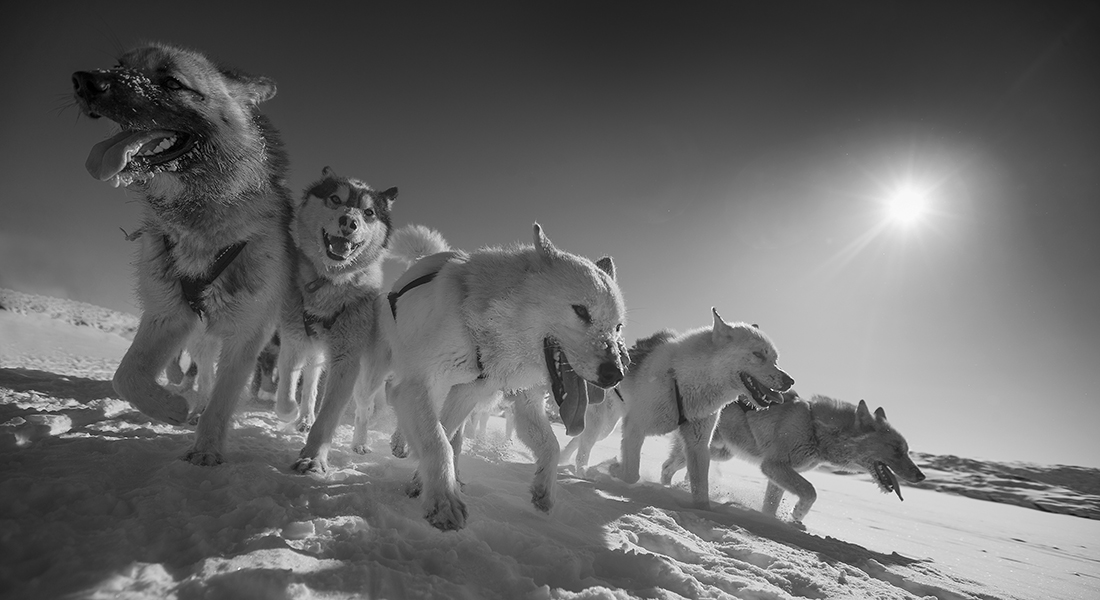
Now, light has been shed on the origin of the sledge dog. In a new study published in SCIENCE, researchers from the Faculty of Health and Medical Sciences, University of Copenhagen, show that the sledge dog is both older and has adapted to the Arctic much earlier than thought. The research was conducted in collaboration with the University of Greenland and the Institute of Evolutionary Biology, Barcelona.
“We have extracted DNA from a 9,500-year-old dog from the Siberian island of Zhokhov, which the dog is named after. Based on that DNA we have sequenced the oldest complete dog genome to date, and the results show an extremely early diversification of dogs into types of sledge dogs”, says one of the two first authors of the study, Postdoc Mikkel Sinding, the Globe Institute.
Until now, it has been the common belief that the 9,500-year-old Siberian dog, Zhokhov, was a kind of ancient dog – one of the earliest domesticated dogs and a version of the common origin of all dogs. But according to the new study, modern sledge dogs such as the Siberian Husky, the Alaskan Malamute and the Greenland sledge dog share the major part of their genome with Zhokhov.
“This means that modern sledge dogs and Zhokhov had the same common origin in Siberia more than 9,500 years ago. Until now, we have thought that sledge dogs were only 2-3,000 years old”, says the other first author, Associate Professor Shyam Gopalakrishnan, Globe Institute.
The Original Sledge Dog
To learn more about the origins of the sledge dog, researchers have further sequenced genomes of a 33,000-year-old Siberian wolf and ten modern Greenlandic sledge dogs. They have compared these genomes to genomes of dogs and wolves from around the world.
“We can see that the modern sledge dogs have most of their genomes in common with Zhokhov. So, they are more closely related to this ancient dog than to other dogs and wolves. But not just that – we can see traces of crossbreeding with wolves such as the 33,000-year-old Siberian wolf – but not with modern wolves. It further emphasises that the origin of the modern sledge dog goes back much further than we had thought”, says Mikkel Sinding.
The modern sledge dogs have more genetic overlap with other modern dog breeds than Zhokhov has, but the studies do not show us where or when this occurred. Nevertheless, among modern sledge dogs, the Greenland sledge dogs stands out and has the least overlap with other dogs, meaning that the Greenland sledge dog is probably the most original sledge dog in the world.
Common Features with Inuit and Polar Bears
In addition to advancing the common understanding of the origin of sledge dogs, the new study also teaches the researchers more about the differences between sledge dogs and other dogs. Sledge dogs do not have the same genetic adaptations to a sugar and starch rich diet that other dogs have. On the other hand, they have adaptations to high-fat diets, with mechanisms that are similar to those described for polar bears and Arctic people.
“This emphasises that sledge dogs and Arctic people have worked and adapted together for more than 9,500 years. We can also see that they have adaptations that are probably linked to improved oxygen uptake, which makes sense in relation to sledding and give the sledding tradition ancient roots”, says Shyam Gopalakrishnan.
Some dog breeds have higher risk of developing certain cancers and joint disorders if neutered or spayed within their first year of life. Until now, studies had only assessed that risk in a few breeds. A new, 10-year study by researchers at the University of California, Davis, examined 35 dog breeds and found vulnerability from neutering varies greatly depending on the breed. The study was published in the journal Frontiers in Veterinary Science.
“There is a huge disparity among different breeds,” said lead author Benjamin Hart, distinguished professor emeritus at the UC Davis School of Veterinary Medicine. Hart said there is no “one size fits all” when it comes to health risks and the age at which a dog is neutered. “Some breeds developed problems, others didn’t. Some may have developed joint disorders but not cancer or the other way around.”
Researchers analyzed 15 years of data from thousands of dogs examined each year at the UC Davis Veterinary Medical Teaching Hospital to try to understand whether neutering, the age of neutering, or differences in sex when neutered affect certain cancers and joint disorders across breeds. The joint disorders examined include hip dysplasia, cranial cruciate ligament tears and elbow dysplasia. Cancers examined include lymphoma; hemangiosarcoma, or cancer of the blood vessel walls; mast cell tumors; and osteosarcoma, or bone cancer.
In most breeds examined, the risk of developing problems was not affected by age of neutering.
Breed differences by size and sex
Researchers found that vulnerability to joint disorders was related to body size.
“The smaller breeds don’t have these problems, while a majority of the larger breeds tend to have joint disorders,” said co-author Lynette Hart, professor at the UC Davis School of Veterinary Medicine.
One of the surprising exceptions to this was among the two giant breeds — great Danes and Irish wolfhounds — which showed no increased risk to joint disorders when neutered at any age.
Researchers also found the occurrence of cancers in smaller dogs was low, whether neutered or kept intact. In two breeds of smaller dogs, the Boston terrier and the shih tzu, there was a significant increase in cancers with neutering.
Another important finding was that the sex of the dog sometimes made a difference in health risks when neutered. Female Boston terriers neutered at the standard six months of age, for example, had no increased risk of joint disorders or cancers compared with intact dogs, but male Boston terriers neutered before a year of age had significantly increased risks.
Previous studies have found that neutering or spaying female golden retrievers at any age increases the risk of one or more of the cancers from 5 percent to up to 15 percent.
Discuss choices with veterinarians
Dog owners in the United States are overwhelmingly choosing to neuter their dogs, in large part to prevent pet overpopulation, euthanasia or reduce shelter intake. In the U.S., surgical neutering is usually carried out by six months of age.
This study suggests that dog owners should carefully consider when and if they should have their dog neutered.
“We think it’s the decision of the pet owner, in consultation with their veterinarian, not society’s expectations that should dictate when to neuter,” said Benjamin Hart. “This is a paradigm shift for the most commonly performed operation in veterinary practice.”
The study lays out guidelines for pet owners and veterinarians for each of 35 breeds to assist in making a neutering decision. Read the full list here.
We’re supporting our customers with dog-themed entertainment during the country’s Covid-19 shutdown.
Join us at 4 pm on Sunday, 5th April (NZ time) for our dog trivia challenge – think of it as a pub quiz without the pub! (you supply the drinks and snacks at your place)
Upon registration, we’ll send you a link to join the quiz using Zoom. You don’t need a Zoom account to participate. Simply follow the Zoom link that is emailed to you and you will be prompted to download and install Zoom when you click the join link in the email. It’s always wise to try this before the quiz starts.
The purpose of this quiz is to have fun. Write down your answers to each question and we’ll email the answers out after the quiz has finished so you can check and share your score.
We’ll draw one name at random from everyone who registers and that person will receive a prize pack of our dog treats worth $30 – we’ll ensure delivery after the lockdown is over!
***Only New Zealand residents qualify to win the prize pack but we would welcome participation from our overseas followers***
Kathleen Crisley, Fear-Free certified professional and specialist in dog massage, rehabilitation and nutrition/food therapy, The Balanced Dog, Christchurch, New Zealand


 Some dog breeds have higher risk of developing certain cancers and joint disorders if neutered or spayed within their first year of life. Until now, studies had only assessed that risk in a few breeds. A new, 10-year study by researchers at the University of California, Davis, examined 35 dog breeds and found vulnerability from neutering varies greatly depending on the breed. The study was published in the journal Frontiers in Veterinary Science.







 DoggyMom.com