‘The dog is man’s best friend.
He has a tail on one end.
Up in front he has teeth.
And four legs underneath.’
– Ogden Nash, American poet


‘The dog is man’s best friend.
He has a tail on one end.
Up in front he has teeth.
And four legs underneath.’
– Ogden Nash, American poet
On Saturday evening in New Zealand, we’ll be changing clocks back to Standard Time. This is often a difficult day for dogs, because suddenly they haven’t been fed at their ‘normal’ time.
An hour is a long time to wait in dog time!
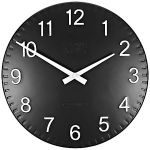
So, for the next few nights, feed your dog 10 to 15 minutes later than the previous evening. You’ll transition them to their new feeding in Standard Time with less trauma.
Kathleen Crisley, specialist in dog massage, rehabilitation and nutrition/food therapy, The Balanced Dog, Christchurch, New Zealand
SoulPancake and Puppy Chow teamed up to share the #PowerofPuppies at a preschool, retirement home, and a gym to transform an otherwise ordinary day. For every video view, Puppy Chow by Purina will donate one pound of Puppy Chow Natural to Rescue Bank® (up to 500,000 pounds or until April 23, 2016).
Shelter animals need all the support we can give them – every day across America, shelters need to dish up thousands of meals.
Thank you!
Posted in animal welfare, Dogs
Tagged Power of Puppies, Puppy Chow, Purina, SoulPancake

Over this Easter weekend, I have finished reading Izzy & Lenore, another great dog book by Jon Katz.
Although Katz’s earlier books talk about his life establishing Bedlam Farm in upstate New York, and his menagerie of animals, this book gives us some depth into who Jon Katz is as a person, and he’s honest about his own battle with depression.
Izzy is a Border Collie that is rescued by Katz and he’s intelligent, with the seeming ability to connect to people in all circumstances. This dog seems to have an infinite amount of compassion, despite being abandoned by his previous owners. Katz and Izzy become trained as hospice volunteers and so throughout the book, there are tales of hospice cases that the two become involved in. If you have ever had a loved one experience a terminal illness, dealt with the effects of old age and infirmity, these stories will resonate with you.
Lenore is a congenial Labrador puppy who joins the pack.
In this book, Katz faces his own battle with depression and he explains some of the dark secrets that he and his sister share.
I recommend this book, as I have all the others I have read by Jon Katz. I wish I had his talent for storytelling and – perhaps best of all – unlike previous stories of Bedlam Farm, no dogs die during the course of this story.
Kathleen Crisley, specialist in dog massage, rehabilitation and nutrition/food therapy, The Balanced Dog, Christchurch, New Zealand
Posted in dog books
Tagged Border Collie, depression, hospice, Izzy & Lenore, Jon Katz
Reading to dogs programs, more formally known as animal-assisted reading programs, are on the rise.
In this Boston Globe article, it is reported that one volunteer organisation – Dog B.O.N.E.S. (Dog Building Opportunities for Nurturing and Support) – has certified more than 200 Reading Partner teams. And that’s working in the state of Massachusetts alone.
In Christchurch, we have a Reading to Dogs program which I wrote about in my column in NZ Dog World magazine (see below).
The big difference is that the Council was so worried about risk that it only accepted temperament testing by the Council’s shelter manager on the pet dogs of the animal control officers before allowing the program to proceed. Since we have testing such as the Canine Good Citizen test, sponsored by the NZ Kennel Club, I think it’s a shame that volunteers are not resourcing this program.
This would allow the animal control officers to work in enforcement areas that are so badly needed and always under-resourced.

See also Can your dog R.E.A.D?
Kathleen Crisley, specialist in dog massage, rehabilitation and nutrition/food therapy, The Balanced Dog, Christchurch, New Zealand

Photo: © PDSA / SWNS.com
A black and white Newfoundland and marine rescue dog, Whizz, has been awarded the PDSA Order of Merit. This is the animal equivalent of the Victoria Cross and recognises animals that display outstanding devotion to their owner or wider society, above and beyond normal companionship.
His trainer told The Telegraph that he trained Whizz as a rescuer when the dog was only one year old. “I am bursting with pride for Whizz.”
“He was a dog in a million and I am truly heartbroken that he isn’t here to receive his medal. Whizz loved working and had an extraordinary talent. Not only was he strong and gentle – he was also so emotionally intuitive. This made him the perfect rescue and therapy dog and a beloved companion to the hundreds of sick children and adults he met along the way.”
During his rescue career, Whizz saved many people including two little girls who had floated out to sea on an inflatable raft and then got into trouble. He also was a regular at Newfoundland Water Rescue Days, a fundraising event where people would enter the water and then be ‘saved’ by the rescue Newfoundlands.
Whizz also visited the sick and injured in hospital as a therapy dog.
Posted in Dogs, special dogs and awards
Tagged Newfoundland, PDSA Order of Merit, Telegraph, Whizz
I like crate training, particularly because it helps ‘future proof’ your dog.
If your dog needs surgery or rest from an injury at any time, having them used to comfortably resting in a crate saves a lot of time and stress (for both dog and owner).
If you need to travel with your dog, whether for a holiday or for relocating, crate training helps you manage your dog’s comfort as well as your own (e.g. limits the risks of accidents in hotel rooms that will charge you an additional cleaning fee).
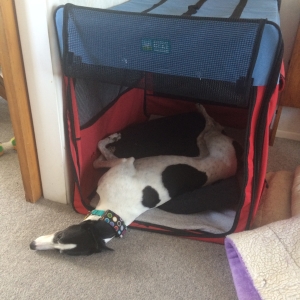
Izzy, mostly in her crate, but enjoying a summer breeze coming from the back door. Izzy’s crate is her safe place (the way it should be)
Crate training can be particularly useful for re-homed dogs because dogs will seek out a place that is safe (den-like if you are thinking of wolves). Giving a re-homed dog a place they can retire to – and not be bothered – is useful for getting them accustomed to life in a domestic home. It’s also a useful boundary for children to learn. If the dog is in its crate, then leave it alone.
Unfortunately, over the last 10 or so years, as crate training became more normalised as a concept, it also has been abused. Owners who are not consistent with their training or not taking the time to truly get their new puppy or dog settled in their home (taking on a dog is a lifetime responsibility, but initially you have to put in the time to get your dog set up for success for life), have begun using crates as a cage. A place to go when the owners are out at work (all day, in most cases) or when the dog has mis-behaved and the owner has had enough.
That’s the wrong use of a crate. There were even stories of dogs locked in their crates during the Christchurch earthquake of 2011 – the dogs were up to their necks in liquefaction by the time they were saved. That’s not a heartening story if you ask me. That’s a story of an irresponsible dog owner.
There are many resources to help owners learn crate training. The Humane Society of the United States, for example, has this useful video:
Kathleen Crisley, specialist in dog massage, rehabilitation and nutrition/food therapy, The Balanced Dog, Christchurch, New Zealand
People who have autism are often misunderstood. So are Pit Bulls. These two make a great pair.
Kathleen Crisley, specialist in dog massage, rehabilitation and nutrition/food therapy, The Balanced Dog, Christchurch, New Zealand
Posted in dog breeds, special dogs and awards, Uncategorized
Tagged autism, Best Friends, Best Friends Animal Society, Pit Bull
Izzy is a greyhound, a breed that seems predisposed to a lot of dew claw injuries. Her last one occurred in February, when running after another dog’s tennis ball at the dog park.
I am now better prepared for nail injuries – with the easy addition of some cornflour (corn starch for those of you in the Northern Hemisphere) in my first aid kit.
You don’t need a fancy styptic pencil in your first aid kit to stop the bleeding of a nail injury; this good old fashioned powder will do the job. I’ve placed mine in a recycled prescription pill bottle.

If a nail injury occurs, you want to stop the bleeding which can be profuse. Apply pressure and this powder to stem the bleeding. Once stopped, then you can clean the wound properly with water and antiseptic and wrap the paw to keep it clean. Changing the bandage every day, re-applying antiseptic, is important.
Some nail injuries are worse than others; some will heal without veterinary help. In our last case, the quick was fully exposed (ouch!) and despite my efforts to keep it clean and dry, it became red/irritated and infected. (This is why you have to change the bandage every day and check for signs of infection).
A short course of antibiotics prescribed by our vet took care of the job.
I’m much more confident now that I have my container of cornflour in our first aid kit.
Kathleen Crisley, specialist in dog massage, rehabilitation and nutrition/food therapy, The Balanced Dog, Christchurch, New Zealand
Posted in dog care, Dogs, Uncategorized
Tagged corn starch, cornflour, dew claw injuries, first aid kit, nail injuries
A very clever ad, dog-themed, for St Patrick’s Day.
Kathleen Crisley, specialist in dog massage, rehabilitation and nutrition/food therapy, The Balanced Dog, Christchurch, New Zealand







