Category Archives: research

How Pets Contribute to Healthy Aging

Two-thirds of all pet owners say that having an animal helps them stay physically active. But for some older adults, time commitment, cost and allergies stand in the way.

A curled-up cat, a tail-wagging dog, a chirping parakeet or even a serene goldfish may help older adults cope with mental and physical health issues, according to a new poll, the National Poll on Healthy Aging (USA).

But while pets come with benefits, they can also bring concerns, and some people may even put their animals’ needs ahead of their own health, the poll finds.

In all, 55 percent of adults ages 50 to 80 have a pet, according to the new findings — and more than half of those have multiple pets. More than three-quarters of pet owners say their animals reduce their stress, and nearly as many say pets give them a sense of purpose. But 18 percent also said having a pet or pets puts a strain on their budget.

Two-thirds of all pet owners, and 78 percent of dog owners, said their pet helps them be physically active, according to the new findings from the National Poll on Healthy Aging.

The poll is conducted by the University of Michigan Institute for Healthcare Policy & Innovation, and sponsored by AARP and Michigan Medicine, U-M’s academic medical center.

For those who reported that their health was fair or poor, pet ownership appeared to offer even more benefits. More than 70 percent of these older adults said their pet helps them cope with physical or emotional symptoms, and 46 percent said their pets help take their mind off of pain.

“We have long known that pets are a common and naturally occurring source of support,” says Cathleen Connell, Ph.D., a professor at the U-M School of Public Health who has studied the role of companion animals in older adults’ lives.

“Although the benefits of pets are significant, social connections and activities with friends and family are also key to quality of life across the life span,” she says. “Helping older adults find low-cost ways to support pet ownership while not sacrificing other important relationships and priorities is an investment in overall mental and physical health.”

Poll director Preeti Malani, M.D., a U-M Medical School professor who has training in caring for older adults, says the poll results indicate a need for physicians and other health care providers to ask older adults about the role of pets in their lives.

“More activity, through dog walking or other aspects of pet care, is almost always a good thing for older adults,” Malani says. “But the risk of falls is real for many, and 6 percent of those in our poll said they had fallen or injured themselves due to a pet.”

“At the same time, given the importance of pets to many people, the loss of a pet can deal a very real psychological blow that providers, family and friends should be attuned to,” she says.

Mich-AgingPollPet-Graphic_0

“This study highlights the many physical, psychological and social benefits that pets can have for older adults,” says Alison Bryant, Ph.D., senior vice president of research for AARP. “In recognition of these health benefits, more assisted living facilities today are allowing residents to have pets.”

Pet positives

Companionship and social connection were positive side effects of pet ownership for many poll respondents.

In fact, more than half of those who owned pets said they did so specifically to have a companion — and a slightly higher percentage said their pets sleep in bed with them. Sixty-five percent of pet owners said having a pet helps connect them to other people, too.

“Relationships with pets tend to be less complicated than those with humans, and pets are often a source of great enjoyment,” says Mary Janevic, Ph.D., MPH, an assistant research scientist at the U-M School of Public Health who helped design the poll. “They also provide older adults with a sense of being needed and loved.”

Pet problems

Other concerns about pet ownership emerged in the poll results. More than half of pet owners said that having a pet also made it difficult to travel or enjoy activities outside the home.

And 1 in 6 said that they put their pet’s needs ahead of their own health needs — a figure that was closer to 1 in 4 among those with health issues.

“Later life is often a time when people have more freedom to travel, and a long list of things they want to do with their free time, and sometimes having a pet can get in the way,” says Janevic.

“For people living on a fixed income, expenses related to health care for pets, and especially pets that have chronic health issues, can be a struggle,” she says. “Older adults can also develop health problems or disabilities that make pet care difficult.”

The non-pet-owner perspective

The 45 percent of older adults who said they don’t have pets gave many reasons for not keeping a dog, cat, fish, lizard, bird or small mammal around.

Among non-pet owners, 42 percent said they didn’t want to be tied down. Twenty percent said they didn’t have time, and 23 percent gave cost as the reason, while 16 percent said their own allergies, or those of someone in their household, kept them from getting a pet.

For those who can’t own pets due to allergies, budget constraints, housing circumstances or schedules, there’s often a need for volunteers at local animal shelters or pet-sitting for friends and family, the researchers say.

They note that health care providers and family may even want to recommend these options to older adults who have no pets and wish to have one.

The National Poll on Healthy Aging results are based on responses from a nationally representative sample of 2,051 adults ages 50 to 80 who answered a wide range of questions online. Questions were written, and data interpreted and compiled, by the IHPI team. Laptops and internet access were provided to poll respondents who did not already have them.

A full report of the findings and methodology is available at healthyagingpoll.org, along with past National Poll on Healthy Aging reports.

Two new genes dis­covered in the de­vel­op­men­tal de­fects of can­ine enamel

In addition to humans, hereditary disorders of enamel development occur in dogs, greatly impacting their dental health and wellbeing. A recent study reveals canine enamel disorders similar to those found in humans, linking them with ENAM and ACP4, two genes previously described in humans.
Dog tooth enamel study

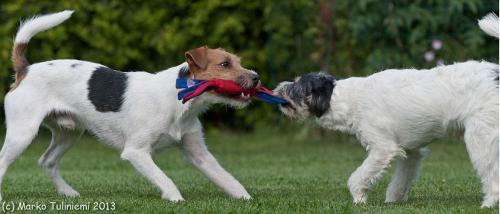
New variants in the ENAM gene that codes enamelin were discovered in Parson Russell Terriers

The enamel that covers teeth is the hardest structure in the entire body. Its development is a complex process, and related developmental disorders may result in low enamel quantity, its absence or structural weakness. Alongside aesthetic issues, enamel defects have an impact on dental health and general wellbeing. Amelogenesis imperfecta (AI) is a group of hereditary developmental disorders affecting enamel, with more than ten associated genes reported in humans.

AI causes a significant wellbeing problem for dogs as well, yet the diseases, poorly known in canine medicine, often remain undiagnosed. Canine AI has earlier been linked with the ENAM and SLC24A4 genes in two breeds. In a recent study conducted at the University of Helsinki, two novel recessively inherited enamel disorders were described in dogs, and associated with causative variants in ENAM and ACP4. The identified genes have previously been linked with hereditary enamel development defects also in humans.

“We have observed enamel defects in several breeds. In this study, we found new gene variants in the ENAM gene of Parson Russell Terriers and the ACP4 gene of Akitas and American Akitas. The ACP4 finding was of particular interest, as its role in the development of tooth enamel is not well known, and there are no previous descriptions for any animal models,” says Marjo Hytönen, PhD, the first author of the study.

ENAM codes for enamelin, the key enamel protein, and is significant for achieving the correct enamel thickness during tooth development. A considerable part of human AI disorders are associated with mutations in the ENAM gene, whereas ACP4 codes for the phosphatase enzyme, whose specific significance to tooth and enamel development is currently unclear, but which may influence cellular differentiation and mineralisation. Dogs with an ACP4 mutation expressed thinning of the enamel and a slight mineralisation disorder.

Unlike mice, dogs have primary and permanent teeth just as humans, and the number of teeth is also similar. Therefore, dogs serve as an excellent model for human dental diseases.

“The spontaneous enamel defects found in this study resemble earlier descriptions of human patients, and are also linked with the same genes. Through gene tests, the gene findings will provide new diagnostic tools for veterinarians and breeders, which will also help with understanding the causes, mechanisms and hereditary nature of enamel defects. This is important for the development of early and improved therapies,” explains Professor Hannes Lohi, director of the research group.

Earlier, the group discovered a mutation in the FAM20C gene, impacting tooth hypomineralisation. Gene mapping will continue on various dental diseases in different breeds, including a publication which is currently being prepared on an unknown AI gene.


Source:  University of Helsinki media release


Kibbles and Kale? Many Pet Owners Keen to Have Vegan Pets

A surprising number of pet owners, particularly those who are vegan, are interested in feeding their pets a plant-based diet, according to new University of Guelph research.

Researchers with U of G’s Ontario Veterinary College along with colleagues in New Zealand conducted an online survey of 3,673 dog and cat owners from around the world to learn about what kinds of foods they fed their pets and themselves.

Vegan diet photo

Photo by: Rarnie McCudden from Pexels

Published in the journal PLoS ONE, the survey found that 35 per cent of owners whose pets ate conventional diets were interested in switching their animals to a vegan diet.

More than half of them (55 per cent) added, though, that certain stipulations needed to be met before they would make the switch. Those stipulations included needing further evidence that a plant-based diet would meet their pets’ nutritional needs, wanting approval from their veterinarians and wanting plant-based pet foods to be easily available.

Just under six per cent of the survey respondents were vegan — meaning they ate no meat, dairy or fish – and more than a quarter (27 per cent) of them reported they already fed their pets plant-based diets.

Among the rest of the vegans, a full 78 per cent were interested in helping their pets to switch to a plant-based diet if one were available that met their needs.

Lead author Sarah Dodd, currently a PhD candidate at the OVC’s Department of Population Medicine, said even she was surprised by how many vegans had already chosen to eliminate meat from their pets’ diets.

“That percentage, 27 per cent, might sound like a small number, but when you think of the actual numbers of pets involved, that’s huge, and much higher than we expected.”

In total, 1.6 per cent of the 2,940 dogs in the survey and 0.7 per cent of the 1,545 cats were being fed a strictly plant-based diet; only vegans and one vegetarian chose to exclusively feed plant-based diets.

Another 10.4 per cent of the dogs and 3.3 per cent of cats were intermittently fed vegetarian diets or plant-based foods.

Of the 3,673 pet owners surveyed, 6 per cent were vegetarian (meaning they ate no meat but did eat dairy, eggs or honey), 4 per cent were pescatarian (meaning they ate no meat but fish, and may eat dairy, eggs or honey), and nearly 6 per cent were vegan (meaning they ate no animal products).

Dodd performed this study for her M.Sc. degree with Prof. Adronie Verbrugghe in OVC’s Department of Clinical Studies

Dodd said while her team’s research was not designed to assess whether vegan pet diets are a growing trend, she expects interest in the diets to increase.

“People have been hearing about how vegan diets are linked to lowered risks of cancer and other health benefits in humans. There is also growing concern about the environmental impact of animal agriculture.”

Previous studies have also shown that pet owners tend to offer the same kind of diets to their dogs and cats that they adopt for themselves.

“So, while only a small proportion of pet owners are currently feeding plant-based diets to their pets, it is safe to say that interest in the diets is likely to grow.”

However, there has not been much research on the nutritional suitability of vegan diets for dogs and cats, nor on the health benefits and risks of plant-based diets in these animals, said Dodd.

“This study shows there is a clear need for further research in this area.”

Source:  University of Guelph media statement

Who should Fido fear? Depends on relationship

As states around the country move to stiffen punishments for animal cruelty, Michigan State University researchers have found a correlation between the types of animal abuse committed and the perpetrator’s relationship to an animal and its owner.

For example, animal-neglect crimes (i.e. withholding food and water) tend to be perpetrated by the animal’s owner. On the other hand, with crimes that involve kicking or stabbing, the suspect is usually an owner’s family member or intimate partner, said Laura Reese, professor of urban and regional planning.

Laura Reese and Odie

Study leader Laura Reese and her dog, Odie Photo by Laura Reese

Reese and Cassie Richard, an MSU master’s of public policy student who now works for the Oregon Commission for the Blind, studied more than 300 animal cruelty police reports in Detroit between 2007 and 2015. They categorized abuse into eight types including dog fighting, shooting, poisoning, stabbing and neglect. The researchers coded the list of motivations for cruelty as listed by the perpetrators, who were then matched with the Detroit police crime feed to examine their other patterns of crime.

The researchers also found:

  • It’s usually owners – rather than anyone else – who engage their dogs in dog fighting as a form of abuse, often for the money. But owners are also less likely to commit more active forms of cruelty, possibly because of their role as guardians.
  • Most stabbings involve family members while poisonings are typically committed by neighbors.
  • Motivations differ. For intimate partners of pet owners, frustration with a relationship is often the cause of violence, whereas for neighbors, annoyance with an animal is often the impetus for cruelty.

“This isn’t just an animal problem – it’s a human problem,” Reese said. “For example, people who shoot other humans are more likely to shoot animals. At the same time, dog fighting is a public safety problem and dogs running loose biting people due to neglect is a public health problem. So, addressing human problems will help animal problems and vice versa, and we need to encourage public officials to think that way.”

However, most policymakers don’t, she said. Animal cruelty prevention needs to be a coordinated effort between law enforcement, public agencies and nonprofits. And because forms of animal cruelty vary, public policies and public health solutions should vary.

For example, dog fighting is related to gambling, drugs and weapon offenses. Thus, crackdowns on those issues would address that form of cruelty. Meanwhile, low-cost veterinary services and enforcement of existing ordinances, such as licensing requirements and leash laws, would target owner neglect.

“Simple education and informing people about proper nutrition, spaying and neutering could be done in schools,” Reese said. “Folks often want to do the right thing, but they may not have the resources. At the same time, cruelty is also tied up with domestic violence, which raises a separate and more complex set of concerns. That’s why we need our legislators and local officials to understand the complexities of animal cruelty and make solutions a priority.”

The study is published in the journal Anthrozoös.

The journal article can be read here:

https://www.tandfonline.com/doi/abs/10.1080/08927936.2019.1550282)

Source:  Michigan State University media release

Both dogs and wolves cooperate with humans

A recent study conducted by behavioural researchers at Vetmeduni Vienna shows that dogs and wolves both work equally well with humans, albeit in different ways. The allegedly unequal brothers are thus much more similar than often assumed.

Human social life would be unthinkable without cooperation. The frequency and complexity with which humans cooperate with each other are extraordinary, if not unique. To better understand the evolution of this outstanding human skill, researchers have proposed dogs (Canis familiaris) as a good model of human cooperation.

Wolves cooperate with humans

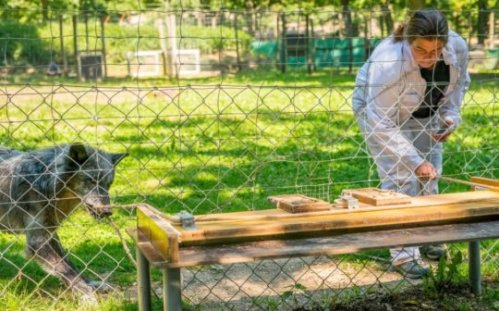
Wolves cooperate with humans, but they take the lead. Credit: Friederike Range/Vetmeduni Vienna

The wolf inside dogs makes the difference

A recent study by Vetmeduni Vienna, published in the journal Scientific Reports, shows that the ability to work with people lies not so much within dogs themselves but in the “wolf within the dog” – that is to say, in very specific behavioural characteristics that dogs share with wolves. The study tested the extent to which dogs and grey wolves collaborate with humans in order to solve certain tasks. The findings show that both dogs and wolves cooperate intensively with humans and are equally successful, although the animals attain their goals in different ways.

Wolves show more initiative

Especially in one point the two closely related animals show significantly different forms of behaviour. In their cooperation with human partners, dogs follow the behaviour of the humans while wolves lead the interaction: they are more independent. Study director Friederike Range from the Konrad Lorenz Institute at Vetmeduni Vienna says, “The detailed analysis of the cooperative interactions revealed interesting differences between wolves and dogs. It shows that, while wolves tend to initiate behaviour and take the lead, dogs are more likely to wait and see what the human partner does and follow that behaviour.”

Differences in behaviour due to domestication

Based on the results of the study, the researchers propose that in the course of domestication dogs were selected for breeding because of their higher submissive tendencies (deferential behaviour hypothesis). According to this hypothesis, this helped minimize conflicts over resources and ensured the safe coexistence and cooperation in which humans lead and dogs follow.

Teamwork counts for wolves

Forming the background to the study are certain fundamental considerations in the field of behavioural science. As humans and dogs have been exposed to similar environmental pressures, this could conceivably represent a case of convergent evolution. Some research suggests that dogs acquired specific predispositions for cooperative interactions during the domestication process due to reduced aggression and increased tolerance. Against this background, better cooperation with humans would be expected in dogs than in wolves. However, wolves are a highly cooperative species, working together to raise the young, hunt and defend their territory.

Early socialization with humans is crucial

The research team led by Friederike Range therefore hypothesized that dogs did not develop any new traits during domestication, but rather that the collaborative skills of their common ancestors – wolves – form the basis for the evolution of dog-human cooperation (canine cooperation hypothesis). In contrast to the hypotheses of other scientists, the researchers from Vetmeduni Vienna therefore did not assume that dogs will outperform wolves when cooperating with humans. As Friederike Range says, “Based on the canine cooperation hypothesis, we expected that wolves would cooperate with humans as well as dogs if early and intensive socialization is given.” The present study fully confirms this assumption.

For the experiment portion of the study, 15 grey wolves (11 males, 4 females, age: 2 to 8 years) and 12 mixed-breed dogs (7 males, 5 females, age: 2 to 7 years) were tested at the Wolf Science Center in Ernstbrunn, Austria, where animals are socialized with people very early on and have close ties to them. The results of the experiment show that dogs and wolves, when socialized with humans and kept under similar conditions, work similarly successfully with humans, albeit in very different ways, which explains why dogs make the better pet.

The article “Wolves lead and dogs follow, but they both cooperate with humans” by Friederike Range, Sarah Marshall-Pescini, Corinna Kratz and Zsófia Virányi was published in Scientific Reports.

Source:  Vetmeduni Vienna media release

Chemical pollutants in the home

New research by scientists at the University of Nottingham suggests that environmental contaminants found in the home and diet have the same adverse effects on male fertility in both humans and in domestic dogs.

Chemicals in homes

Chemicals commonly found in homes, at concentrations relevant to environmental exposure, have the same damaging effect on sperm from both man and dog. Credit: © Tatyana Gladskih / Fotolia

There has been increasing concern over declining human male fertility in recent decades with studies showing a 50% global reduction in sperm quality in the past 80 years. A previous study by the Nottingham experts showed that sperm quality in domestic dogs has also sharply declined, raising the question of whether modern day chemicals in the home environment could be at least partly to blame.

In a new paper published in Scientific Reports, the Nottingham team set out to test the effects of two specific man-made chemicals namely the common plasticizer DEHP, widely abundant in the home (e.g. carpets, flooring, upholstery, clothes, wires, toys) and the persistent industrial chemical polychlorinated biphenyl 153, which although banned globally, remains widely detectable in the environment including food.

The researchers carried out identical experiments in both species using samples of sperm from donor men and stud dogs living in the same region of the UK. The results show that the chemicals, at concentrations relevant to environmental exposure, have the same damaging effect on sperm from both man and dog.

Leading the work, Associate Professor and Reader in Reproductive Biology at the School of Veterinary Medicine and Science, Richard Lea, said: “This new study supports our theory that the domestic dog is indeed a ‘sentinel’ or mirror for human male reproductive decline and our findings suggest that man-made chemicals that have been widely used in the home and working environment may be responsible for the fall in sperm quality reported in both man and dog that share the same environment.”

“Our previous study in dogs showed that the chemical pollutants found in the sperm of adult dogs, and in some pet foods, had a detrimental effect on sperm function at the concentrations previously found in the male reproductive tract. This new study is the first to test the effect of two known environmental contaminants, DEHP and PCB153, on both dog and human sperm in vitro, in the same concentrations as found in vivo.

Rebecca Sumner, who carried out the experimental work as part of her PhD, said “In both cases and in both subjects, the effect was reduced sperm motility and increased fragmentation of DNA.

Dr Sumner added: “We know that when human sperm motility is poor, DNA fragmentation is increased and that human male infertility is linked to increased levels of DNA damage in sperm. We now believe this is the same in pet dogs because they live in the same domestic environment and are exposed to the same household contaminants. This means that dogs may be an effective model for future research into the effects of pollutants on declining fertility, particularly because external influences such as diet are more easily controlled than in humans.”

Professor Gary England, Dean of the School of Veterinary Medicine and Science and Professor of Comparative Veterinary Reproduction said:“Since environmental pollutants largely reflect a Western way of life such as the effects of industry, the chemicals present in the environment are likely to depend on the location.  An important area of future study is to determine how the region in which we live may affect sperm quality in both man and dog.”

The full research paper, ‘Independent and combined effects of diethylhexyl phthalate and polychlorinated biphenyl 153 on sperm quality in the human and dog’  is available here.

Source:  University of Nottingham media release

Good dog? Bad dog? Your dog’s personality can change

MSU dogs in park

When dog-parents spend extra time scratching their dogs’ bellies, take their dogs out for long walks and games of fetch, or even when they feel constant frustration over their dogs’ naughty chewing habits, they are gradually shaping their pets’ personalities. Dogs, like people, have moods and personality traits that shape how they react in certain situations. New findings from Michigan State University went where few researchers have gone before to reveal that, also like humans, dogs’ personalities likely change over time.

“When humans go through big changes in life, their personality traits can change. We found that this also happens with dogs – and to a surprisingly large degree,” said William Chopik, professor of psychology and lead author. “We expected the dogs’ personalities to be fairly stable because they don’t have wild lifestyle changes humans do, but they actually change a lot. We uncovered similarities to their owners, the optimal time for training and even a time in their lives that they can get more aggressive toward other animals.”

Additionally, Chopik found that dogs’ personalities can predict many important life outcomes. For example, canines’ personalities will influence how close they feel to their owners, biting behavior and even chronic illness.

The research, published in Journal of Research in Personality, is one of the first – and is the largest – studies of its kind to examine changes in dogs’ personalities. Chopik surveyed owners of more than 1,600 dogs, including 50 different breeds. Dogs ranged from just a few weeks old to 15 years, and were split closely between male and female. The extensive survey had owners evaluate their dog’s personalities and answered questions about the dog’s behavioral history. The owners also answered a survey about their own personalities.

“We found correlations in three main areas: age and personality, in human-to-dog personality similarities and in the influence a dog’s personality has on the quality of its relationship with its owner,” Chopik said. “Older dogs are much harder to train; we found that the ‘sweet spot’ for teaching a dog obedience is around the age of six, when it outgrows its excitable puppy stage but before its too set in its ways.”

One trait that rarely changes in age with dogs, Chopik said, was fear and anxiety.

Honing in on the saying, “dogs resemble their owners,” Chopik’s research showed dogs and owners share specific personality traits. Extroverted humans rated their dogs as more excitable and active, while owners high in negative emotions rated their dogs as more fearful, active and less responsive to training. Owners who rated themselves as agreeable rated their dogs as less fearful and less aggressive to people and animals.

The owners who felt happiest about their relationships with their dogs reported active and excitable dogs, as well as dogs who were most responsive to training. Aggression and anxiety didn’t matter as much in having a happy relationship, Chopik said.

“There are a lot of things we can do with dogs – like obedience classes and training – that we can’t do with people,” he said. “Exposure to obedience classes was associated with more positive personality traits across the dog’s lifespan. This gives us exciting opportunities to examine why personality changes in all sorts of animals.”

Chopik’s findings prove how much power humans have over influencing a dog’s personality. He explained that many of the reasons a dog’s personality changes are a result of the “nature versus nurture” theory associated with humans’ personalities.

Next, Chopik will examine how the environment owners provide their dogs might change the dogs’ behavior.

“Say you adopt a dog from a shelter. Some traits are likely tied to biology and resistant to change, but you then put it in a new environment where it’s loved, walked and entertained often. The dog then might become a little more relaxed and sociable,” Chopik said. “Now that we know dogs’ personalities can change, next we want to make strong connection to understand why dogs act – and change – the way they do.”

Link to the journal article here.

Source:  Michigan State University

Do Bigger Brains Equal Smarter Dogs?

Bigger dogs, with larger brains, perform better on certain measures of intelligence than their smaller canine counterparts, according to a new study led by the University of Arizona.

bigger vs smaller

Bigger dogs have better short-term memory and self-control than more petite pups. Credit: © alexzizu / Fotolia

Larger-brained dogs outperform smaller dogs on measures of executive functions – a set of cognitive processes that are necessary for controlling and coordinating other cognitive abilities and behaviors. In particular, bigger dogs have better short-term memory and self-control than more petite pups, according to the study published in the journal Animal Cognition.

“The jury is out on why, necessarily, brain size might relate to cognition,” said lead study author Daniel Horschler, a UA anthropology doctoral student and member of the UA’s Arizona Canine Cognition Center. “We think of it as probably a proxy for something else going on, whether it’s the number of neurons that matters or differences in connectivity between neurons. Nobody’s really sure yet, but we’re interested in figuring out what those deeper things are.”

Canine brain size does not seem to be associated with all types of intelligence, however. Horschler found that brain size didn’t predict a dog’s performance on tests of social intelligence, which was measured by testing each dog’s ability to follow human pointing gestures. It also wasn’t associated with a dog’s inferential and physical reasoning ability.

The study’s findings mirror what scientists have previously found to be true in primates – that brain size is associated with executive functioning, but not other types of intelligence.

“Previous studies have been composed mostly or entirely of primates, so we weren’t sure whether the result was an artifact of unique aspects of primate brain evolution,” Horschler said. “We think dogs are a really great test case for this because there’s huge variation in brain size, to a degree you don’t see in pretty much any other terrestrial mammals. You have chihuahuas versus Great Danes and everything in between.”

Horschler’s study is based on data from more than 7,000 purebred domestic dogs from 74 different breeds. Brain size was estimated based on breed standards.

The data came from the citizen science website Dognition.com, which offers instructions for dog owners to test their canines’ cognitive abilities through a variety of game-based activities. The users then submit their data to the site, where it can be accessed by researchers.

Short-term memory was tested by dog owners hiding a treat, in view of their dog, under one of two overturned plastic cups. Owners then waited 60, 90, 120 or 150 seconds before releasing their dog to get the treat. Smaller dogs had more difficulty remembering where the treat was hidden.

To test self-control, owners placed a treat in front of their seated dog and then forbade the dog from taking it. Owners then either watched the dog, covered their own eyes or turned away from the dog. Larger-breed dogs typically waited longer to snag the forbidden treat.

Horschler and his colleagues controlled for whether or not the dogs had been trained. They found that larger-brained breeds had better short-term memory and self-control than smaller dogs, regardless of the extent of training the dogs had received.

In the future, Horschler said he’d like to do comparative studies of cognitive abilities in different breed varieties, such as the miniature poodle and much larger standard poodle, which are essentially the same except for their size.

“I’m really interested in how cognition evolves and how that arises biologically,” Horschler said. “We’re coming to understand that brain size is in some way related to cognition, whether it’s because of brain size specifically or whether it’s a proxy for something else.”

Source:  University of Arizona media release

Medical detection dogs help diabetes patients regulate insulin levels

New research by the University of Bristol in collaboration with Medical Detection Dogs has found that the best trained alert dogs have the potential to vastly improve the quality of life of people living with Type 1 diabetes.

As reported in PLOS One, on average trained dogs alerted their owners to 83 per cent of hypoglycaemic episodes in over 4,000 hypo- and hyper-glycaemic episodes that were examined. A hypoglycaemic episode is where blood sugar drops dangerously low and if left untreated, can lead to unconsciousness or even death.

medical alert assistance dog

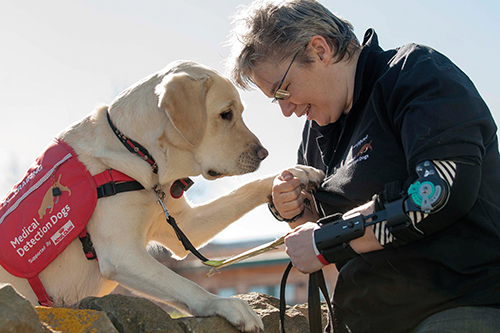
Claire Pesterfield holding her dog Magic’s paw. He’s a medical alert assistant dog and has been trained to detect a minute shift in Claire’s blood sugar levels. She thinks he’s alerted and potentially saved her life 4,500 times in the five years they’ve been together. Photo by Trevor Martin

The findings confirm that alert dogs can help Type 1 patients regulate their blood sugars in a non-invasive way and avoid the risks of hypoglycaemic episodes and hyperglycaemia.

Lead author Dr Nicola Rooney from the Bristol Veterinary School, said: “We already know from previous studies that patients’ quality of life is vastly improved by having a medical detection dog. However, to date, evidence has come from small scale studies. Our study provides the first large-scale evaluation of using medical detection dogs to detect hypoglycaemia.”

In this study, researchers from Bristol, assessed the reliability of 27 trained glycaemia alert dogs, whose owners provided six to 12 weeks continual worth of blood records detailing every time the dog was alerted.

Medical Detection Dogs train pet dogs to respond to respond to the odour of human disease and help owners live with life-threatening diseases. Familiar with their owners, dogs are conditioned to respond with alerting behaviours when their owners’ blood sugar levels fall outside a target range.

Encouraged by the alerting behaviour of their pet dog, if such out-of-range (OOR) episodes occur, the patient can take appropriate action, usually by administering insulin or eating to retain the right glucose levels.

Dr Rooney, Teaching Fellow in Animal Welfare and Behaviour, added: “Our research shows a dog’s effectiveness is affected by the individual dog and its connection with its human partner. Since the usage of such dogs is growing, it’s important that any dogs used for these purposes are professionally trained, matched and monitored by professional organisations like Medical Detection Dogs.  It’s also vital that research continues both to assess true efficacy and determine ways to optimise their performance.”

Dr Claire Guest, Chief Executive and co-founder of Medical Detection Dogs, said: “The findings are fantastic news for all those who are living with Type 1 diabetes and other conditions. Medical detection dogs primarily serve patients looking for more effective and independent ways of managing their condition.

“Our dogs also serve the wider medical community by offering proactive solutions that are natural, non-invasive and have been shown to provide countless psychological benefits.

“As our natural companions, and with a highly refined sense of smell, why shouldn’t they be able to detect changes in our personal health?”

Paper:

How effective are trained dogs at alerting their owners to changes in blood glycaemic levels?: variations in performance of  glycaemia alert dogs by Nicola J Rooney, Claire M Guest, Lydia CM. Swanson, Steve V. Morant in PLOS One [open access]

Source:  University of Bristol media release

Bulldogs’ Screw Tails Linked to Human Genetic Disease

With their small size, stubby faces and wide-set eyes, bulldogs, French bulldogs and Boston terriers are among the most popular of domestic dog breeds. Now researchers at the University of California, Davis, School of Veterinary Medicine have found the genetic basis for these dogs’ appearance, and linked it to a rare inherited syndrome in humans.

bulldog

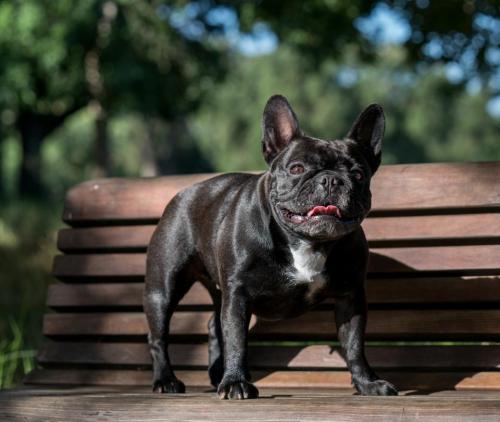
Moxie, a 3-year-old French bulldog, took part in a study of the genetics of “screwtail” dog breeds (bulldogs, French bulldogs and Boston terriers). A common mutation in these dogs is similar to genetic changes in a rare human disease, Robinow syndrome. (Photo credit: Katy Robertson)

Bulldogs, French bulldogs and Boston terriers aren’t the only dogs with short, wide heads, but they do share another feature not found in other breeds: a short, kinked tail or “screwtail,” said Professor Danika Bannasch, Department of Population Health and Reproduction in the UC Davis School of Veterinary Medicine. These three breeds all lack the vertebrae that make up the tail bone, she said.

The researchers sequenced the whole genome — the entire DNA sequence — of 100 dogs, including 10 from screwtail breeds. All the participating dogs were privately owned pets seen at the UC Davis Veterinary Medical Teaching Hospital, whose owners agreed to participate. Graduate students Tamer Mansour and Katherine Lucot, with C. Titus Brown, associate professor at the School of Veterinary Medicine and Genome Center, searched through the DNA sequences to find changes associated with screwtail breeds.

From more than 12 million individual differences they were able to identify one mutation, in a gene called DISHEVELLED 2 or DVL2. This variant was found in 100 percent of the bulldogs and French bulldogs sampled, and was very common in Boston terriers.

This kind of whole genome comparison is relatively new, Bannasch said.

“Normally, we would have first had to identify a region DNA and work from there,” she said. “We could look at breed-specific traits, but not as well as we can now.”

Professor Henry Ho at the UC Davis School of Medicine studies similar genes in humans. Mutations in the related DVL1 and DVL3 genes are known to cause Robinow syndrome, a rare inherited disorder in humans characterized by strikingly similar anatomical changes — a short, wide “babyface,” short limbs and spinal deformities. In addition, Robinow patients and the screwtail breeds also share other disease traits, such as cleft palate. In both humans and dogs, DVL genes are part of a signaling pathway called WNT involved in development of the skeleton and nervous system, among other things, said Peter Dickinson, professor of surgical and radiological sciences at the School of Veterinary Medicine. By characterizing the screwtail DVL2 protein product, Sara Konopelski, a graduate student in the Ho lab, pinpointed a key biochemical step in the WNT pathway that is disrupted by the mutation. This finding further suggests that a common molecular defect is responsible for the distinct appearances of both Robinow patients and screwtail dog breeds.

The DVL2 screwtail mutation is so common in these breeds, and so closely tied to the breed appearance, that it would be difficult to remove it by breeding, Dickinson said. Other genes are known to contribute to short, wide “brachycephalic” heads in dogs, and there are likely multiple genes that contribute both to appearance and to chronic health problems in these breeds.

Understanding a common mutation in popular dog breeds may, however, give more insight into the rare Robinow syndrome in humans. Only a few hundred cases have been documented since the syndrome was identified in 1969.

“It’s a very rare human disease but very common in dogs, so that could be a model for the human syndrome,” Bannasch said.

Source:  UC Davis media release