Category Archives: research

Dogs are more expressive when someone is looking

Dogs produce more facial expressions when humans are looking at them, according to new research from the University of Portsmouth.

Scientists at the University’s Dog Cognition Centre are the first to find clear evidence dogs move their faces in direct response to human attention. Dogs don’t respond with more facial expressions upon seeing tasty food, suggesting that dogs produce facial expressions to communicate and not just because they are excited.

Brow raising, which makes the eyes look bigger – so-called puppy dog eyes – was the dogs’ most commonly used expression in this research.

Puppy dog eyes

Puppy dog eyes

Dog cognition expert Dr Juliane Kaminski led the study, which is published in Scientific Reports.

She said: “We can now be confident that the production of facial expressions made by dogs are dependent on the attention state of their audience and are not just a result of dogs being excited. In our study they produced far more expressions when someone was watching, but seeing food treats did not have the same effect.

“The findings appear to support evidence dogs are sensitive to humans’ attention and that expressions are potentially active attempts to communicate, not simple emotional displays.”KAMINSKI-dog-eyes

Most mammals produce facial expressions – such expressions are considered an important part of an animal’s behavioural repertoire – but it has long been assumed that animal facial expressions, including some human facial expressions, are involuntary and dependent on an individual’s emotional state rather than being flexible responses to the audience

Dr Kaminski said it’s possible dogs’ facial expressions have changed as part of the process of becoming domesticated.

The researchers studied 24 dogs of various breeds, aged one to 12. All were family pets. Each dog was tied by a lead a metre away from a person, and the dogs’ faces were filmed throughout a range of exchanges, from the person being oriented towards the dog, to being distracted and with her body turned away from the dog.

The dogs’ facial expressions were measured using DogFACS, an anatomically based coding system which gives a reliable and standardised measurement of facial changes linked to underlying muscle movement.

Co-author and facial expression expert Professor Bridget Waller said: “DogFACS captures movements from all the different muscles in the canine face, many of which are capable of producing very subtle and brief facial movements.

“FACS systems were originally developed for humans, but have since been modified for use with other animals such as primates and dogs.”

Dr Kaminski said: “Domestic dogs have a unique history – they have lived alongside humans for 30,000 years and during that time selection pressures seem to have acted on dogs’ ability to communicate with us.

“We knew domestic dogs paid attention to how attentive a human is – in a previous study we found, for example, that dogs stole food more often when the human’s eyes were closed or they had their back turned. In another study, we found dogs follow the gaze of a human if the human first establishes eye contact with the dog, so the dog knows the gaze-shift is directed at them.

“This study moves forward what we understand about dog cognition. We now know dogs make more facial expressions when the human is paying attention.”

It is impossible yet to say whether dogs’ behaviour in this and other studies is evidence dogs have flexible understanding of another individual’s perspective – that they truly understand another individual’s mental state – or if their behaviour is hardwired, or even a learned response to seeing the face or eyes of another individual.

Puppy dog eyes is a facial expression which, in humans, closely resembles sadness. This potentially makes humans more empathetic towards the dog who uses the expression, or because it makes the dog’s eyes appear bigger and more infant-like – potentially tapping into humans’ preference for child-like characteristics. Regardless of the mechanism, humans are particularly responsive to that expression in dogs.

Previous research has shown some apes can also modify their facial expressions depending on their audience, but until now, dogs’ abilities to do use facial expression to communicate with humans hadn’t been systematically examined.

Source:   University of Portsmouth news

Link to publication

Dogs´social skills linked to oxytocin sensitivity

The tendency of dogs to seek contact with their owners is associated with genetic variations in sensitivity for the hormone oxytocin, according to a new study. The findings contribute to our knowledge of how dogs have changed during their development from wolf to household pet.

Golden Retriever

A golden retriever turns to his owner for help. Photo credit: Mia Persson

During their domestication from their wild ancestor the wolf to the pets we have today, dogs have developed a unique ability to work together with humans. One aspect of this is their willingness to “ask for help” when faced with a problem that seems to be too difficult. There are, however, large differences between breeds, and between dogs of the same breed. A research group in Linköping, led by Professor Per Jensen, has discovered a possible explanation of why dogs differ in their willingness to collaborate with humans. The results have been published in the scientific journal Hormones and Behavior.

The researchers suspected that the hormone oxytocin was involved. It is well-known that oxytocin plays a role in social relationships between individuals, in both humans and animals. The effect of oxytocin depends on the function of the structure that it binds to, the receptor, in the cell. Previous studies have suggested, among other things, that differences in dogs’ ability to communicate are associated with variations in the genetic material located close to the gene that codes for the oxytocin receptor. The researchers in the present study examined 60 golden retrievers as they attempted to solve an insoluble problem.

“The first step was to teach the dogs to open a lid, and in this way get hold of a treat. After this, they were given the same task with the lid firmly fixed in place, and thus impossible to open. We timed the dogs to see how long they attempted on their own, before turning to their owner and asking for help,” says Mia Persson, PhD student at the Department of Physics, Chemistry and Biology, and principal author of the article.

Before the behavioural test, the researchers increased the levels of oxytocin in the dogs’ blood by spraying the hormone into their nose. As a control, the dogs carried out the same test after having received a spray of neutral salt water in the same way. The researchers also collected DNA using a cotton swab inside the dogs’ cheek, and determined which variant of the gene for the oxytocin receptor that each dog had.

The results showed that dogs with a particular genetic variant of the receptor reacted more strongly to the oxytocin spray than other dogs. The tendency to approach their owner for help increased when they received oxytocin in their nose, compared with when they received the neutral salt water solution. The researchers suggest that these results help us understand how dogs have changed during the process of domestication. They analysed DNA also from 21 wolves, and found the same genetic variation among them. This suggests that the genetic variation was already present when domestication of the dogs started, 15,000 years ago.

“The results lead us to surmise that people selected for domestication wolves with a particularly well-developed ability to collaborate, and then bred subsequent generations from these,” says Mia Persson.

The genetic variations that the researchers have studied do not affect the oxytocin receptor itself: they are markers used for practical reasons. Further research is necessary to determine in more detail which differences in the genetic material lie behind the effects.

Per Jensen points out that the study shows how social behaviour is to a large extent controlled by the same genetic factors in different species.

“Oxytocin is extremely important in the social interactions between people. And we also have similar variations in genes in this hormone system. This is why studying dog behaviour can help us understand ourselves, and may in the long term contribute to knowledge about various disturbances in social functioning,” he says.

The article: Intranasal oxytocin and a polymorphism in the oxytocin receptor gene are associated with human-directed social behavior in golden retriever dogs, Persson, M.E., Trottier, A.J., Beltéky, J., Roth, L.S.V., Jensen, P., 2017, Hormones and Behavior 95, 85–93, published online 17 August 2017. doi:10.1016/j.yhbeh.2017.07.016

Source:  Linköping University media release

Owners of seriously ill pets at risk of stress, anxiety and depressive symptoms

Owners of seriously or terminally ill pets are more likely to suffer with stress and symptoms of depression and anxiety, as well as poorer quality of life, compared with owners of healthy animals, finds a study published by Veterinary Record.

old dog

Caring for a sick or dying pet can be a serious emotional burden. Credit: © tuaindeed / Fotolia

This ‘caregiver burden’ may also lead to increased veterinarian stress, say the authors.

Research on human caregiving describes ‘caregiver burden’ as a response to problems and challenges encountered while providing informal care for a sick family member. But little is known about the impact of caregiver burden on owners of animals with chronic or terminal diseases – and the veterinarians who care for them.

So a team of researchers, led by Mary Beth Spitznagel at Kent State University in Ohio, set out to assess caregiver burden and psychosocial function in 238 owners of a dog or cat.

They compared 119 owners of an animal diagnosed with a chronic or terminal disease with 119 healthy controls blindly matched for owner age and sex and animal species.

Symptoms of stress, anxiety and depression were measured using recognised scales, and quality of life was assessed by questionnaire. Owners’ demographic information was also recorded.

Results showed greater burden, stress and clinically meaningful symptoms of depression and anxiety, as well as poorer quality of life, in owners of animals with chronic or terminal disease. Higher burden was also related to poorer psychosocial functioning.

The authors outline some study limitations which could have introduced bias, but they say their findings “may help veterinarians understand and more effectively handle client distress in the context of managing the challenges of sick companion animal caregiving.”

And they suggest that future research is needed to better understand risks for caregiver burden in the client, how this might be reduced, and how it impacts veterinarian wellbeing.

In a linked commentary, Katherine Goldberg calls for improved training for veterinarians around provision of long term care for serious illness. This includes tailoring treatment plans to client preferences, recognising when clients are distressed, and partnering with mental health professionals to provide support.

“This inaugural exploration of caregiver burden within a veterinary setting is the first step in assessing the impact of veterinary caregiving on clients, as well as the impact of client emotional distress on veterinarian wellbeing,” writes Goldberg. “It is my hope that with continued dialogue, we will continue to build the literature in these essential areas.”

Source:  BMJ press release

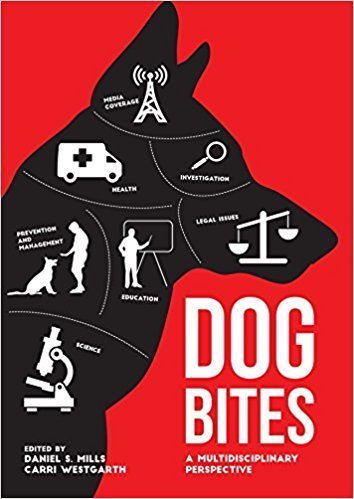
Dog Bites: A Multidisciplinary Perspective

There’s a new book out about the subject of dog bites, taking a multidisciplinary perspective.  I haven’t read it yet – but is positive to see a publication incorporating different views on the issue – all in one place.

Dog Bites is organized into nine sections titled Fundamental Principles, Perceptions of Dogs that Bite, Dog Bites and Risk, Investigative and Legal Issues, Health Issues, Handling the Aggressive Dog, Managing Future Risk, Prevention, and Concluding Comments.

Dog Bites A Multidisciplinary Perspective

The book’s description says:

The issue of dog bites and dog aggression directed at humans is frequently in the media. However, scientific research and evidence on the subject is scattered and sparse. Public and political opinions are often misinformed and out of proportion to the extent of the problem. Dog Bites brings together expert knowledge of the current situation, from a wide variety of disciplines, to provide information to the many people and professions affected by this issue. Subjects range from the practical, medical, behavioural, sociological, and theoretical, but the overall approach of the book is objective and integrative. Topics addressed include: the genetic basis of aggression; the public image of aggressive dogs; bite statistics; risk factors; the forensics and surgical aspects of dog bites; international legal perspectives; court evidence; first aid treatment; zoonotic disease potential; behavioural rehabilitation options; the risk to children; and a consideration of why some dogs kill. All contributors are academic or long-standing professional experts in their field, and they represent a wide spread of international expertise. This issue is an important one for pet owners, vets, animal shelters, and anyone who works with dogs, such as the police. This book will be a valuable resource for them, as well as for animal behaviourists, academic researchers, health professionals, dog breeders, and handlers.

I’m adding this one to my reading list!

Kathleen Crisley, specialist in dog massage, rehabilitation and nutrition/food therapy, The Balanced Dog, Christchurch, New Zealand

Research dog helps scientists save endangered carnivores

Scat-sniffing research dogs are helping scientists map out a plan to save reclusive jaguars, pumas, bush dogs and other endangered carnivores in the increasingly fragmented forests of northeastern Argentina, according to a new study from Washington University in St. Louis.

Scat sniffing dog Train

Washington University researcher Karen DeMatteo and her scat-sniffing dog Train are on a mission to preserve jaguars, pumas, bush dogs and other carnivores in the forests of Northeastern Argentina. (Photo: courtesy of Karen DeMatteo/Washington University)

The study explores options for mitigating the impact of human encroachment on five predators who cling to survival in isolated pockets of protected forest surrounded by a mosaic of roadways, unprotected forest, plantations and pastures.

“The study details a least-cost plan for the development of a multispecies biological corridor that connects protected areas in the Upper Parana Atlantic Forest Region of Misiones, Argentina,” said co-author Karen DeMatteo, a biology research scientist and lecturer in environmental studies in Arts & Sciences.

DeMatteo, who has spent 10 years working on the project,  said completion of the corridor model will allow researchers and community leaders to begin working with property owners to establish the habitat corridors.

“This plan is exciting not only for the future of the local biodiversity, but also because it involved a lot of collaboration from the local government and universities to make it happen,” she said.

Recent studies have argued that establishing small, protected reserves for endangered species, even in the best of habitats, is not enough to ensure long-term survival because species must move across their range to breed with other scattered populations and maintain genetic diversity.

Using dogs trained to detect the scat of specific species, DeMatteo’s team searched for evidence of the carnivores’ presence across a broad swath of northeastern Argentina, including public and private wildlife reserves, privately owned plantations, farms and pastures, and along roads and pathways leading to scattered communities.

DNA analysis of more than 900 scat samples collected over several summers allowed researchers to develop detailed maps of the species frequenting these habitats, including a sense of how their movements were influenced by habitat quality, topography, roadways and other human disturbances.

For species such as the jaguar, which rarely crosses into territory disturbed by humans, survival may hinge on the creation of habitat corridors linking isolated population pockets. Because the jaguar is so averse to human interaction, some studies have suggested that habitat corridors designed for it also would cover the needs of other predators.

DeMatteo’s study, which examined the habitat needs of jaguars, pumas, ocelots, oncillas and bush dogs, offers a more nuanced approach, suggesting that the optimal footprint for habitat corridors should be drawn with the overlapping needs of many species in mind.

While some species were less intimidated by the presence of humans, each had its own unique requirements in terms of what constitutes a suitable habitat and the length and width of possible corridor connections.

“Despite variation in body size, the jaguar, puma, ocelot, oncilla and bush dog overlap in their ecological requirements,” the study said. “However, this is not without variation in the degree of habitat flexibility. Puma, oncilla, and bush dog have comparatively higher levels of modified habitats in their potential distributions compared to the jaguar and ocelot.”

By combining data on all five of these species, researchers developed a model that provides maximum habitat connectivity for all species while minimizing the cost of establishing these corridors through privately owned lands and communities.

“The findings illustrate the benefit of using multiple species versus a single species to develop corridors, because using only the highly restricted jaguar to develop the corridor would mean that the potential distributions of the other four carnivores would be restricted and decreased by as much as 30 percent,” DeMatteo said. “So, it appears that, at least in the Misiones province, the jaguar should not be modeled as an umbrella species because the results fail to capture the varied requirements of coexisting species across the breadth of potential habitats.”

DeMatteo and colleagues hope the study provides a methodology for identifying the optimal footprint for proposed habitat connection corridors, while incorporating enough flexibility to ensure that the needs and desires of private landholders can be incorporated into the process.

“The approach in making a corridor a reality is multi-pronged and involves a strong investment from the local community, especially when developing corridors that use existing protected areas as ‘stepping stones,’ as private land will inevitably be involved to varying degrees in and around the corridor,” the study concludes.

Source:  Washington University media statement

Your dog and a 2-year old have similar social intelligence

Most dog owners will tell you they consider their beloved pets to be members of their families. Now research suggests that dogs may be even more like us than previously thought.

Evan MacLean, director of the Arizona Canine Cognition Center at the University of Arizona, found that dogs and 2-year-old children show similar patterns in social intelligence, much more so than human children and one of their closest relatives: chimpanzees. The findings, published in the journal Animal Behaviour, could help scientists better understand how humans evolved socially.

Researchers point for treats

Researchers hid treats and toys and communicated their location to dogs with cues such as pointing or looking in the direction of the concealed item. (Photo courtesy of Evan MacLean)

testing dogs with game based tests

Evan MacLean and his colleagues assessed more than 500 dogs using a battery of game-based tests designed to measure various types of cognition. (Photo courtesy of Evan MacLean)

MacLean and his colleagues looked at how 2-year-olds, dogs and chimpanzees performed on comparable batteries of tests designed to measure various types of cognition. While chimps performed well on tests involving their physical environment and spatial reasoning, they did not do as well when it came to tests of cooperative communication skills, such as the ability to follow a pointing finger or human gaze.

Dogs and children similarly outperformed chimps on cooperative communication tasks, and researchers observed similar patterns of variation in performance between individual dogs and between individual children.

A growing body of research in the last decade has looked at what makes human psychology special, and scientists have said that the basic social communication skills that begin to develop around 9 months are what first seem to set humans apart from other species, said MacLean, assistant professor in the School of Anthropology in the UA College of Social and Behavioral Sciences.

“There’s been a lot of research showing that you don’t really find those same social skills in chimpanzees, but you do find them in dogs, so that suggested something superficially similar between dogs and kids,” MacLean said. “The bigger, deeper question we wanted to explore is if that really is a superficial similarity or if there is a distinct kind of social intelligence that we see in both species.

“What we found is that there’s this pattern, where dogs who are good at one of these social things tend to be good at lots of the related social things, and that’s the same thing you find in kids, but you don’t find it in chimpanzees,” he said.

One explanation for the similarities between dogs and humans is that the two species may have evolved under similar pressures that favored “survival of the friendliest,” with benefits and rewards for more cooperative social behavior.

“Our working hypothesis is that dogs and humans probably evolved some of these skills as a result of similar evolutionary processes, so probably some things that happened in human evolution were very similar to processes that happened in dog domestication,” MacLean said. “So, potentially, by studying dogs and domestication we can learn something about human evolution.”

The research could even have the potential to help researchers better understand human disabilities, such as autism, that may involve deficits in social skills, MacLean said.

Looking to dogs for help in understanding human evolution is a relatively new idea, since scientists most often turn to close human relatives such as chimpanzees, bonobos and gorillas for answers to evolutionary questions. Yet, it seems man’s best friend may offer an important, if limited, piece of the puzzle.

“There are different kinds of intelligence, and the kind of intelligence that we think is very important to humans is social in nature, and that’s the kind of intelligence that dogs have to an incredible extent,” MacLean said. “But there are other aspects of cognition, like the way we reason about physical problems, where dogs are totally dissimilar to us. So we would never make the argument that dogs in general are a better model for the human mind — it’s really just this special set of social skills.”

MacLean and his collaborators studied 552 dogs, including pet dogs, assistance-dogs-in-training and military explosive detection dogs, representing a variety of different breeds. The researchers assessed social cognition through game-based tests, in which they hid treats and toys and then communicated the hiding places through nonverbal cues such as pointing or looking in a certain direction. They compared the dogs’ results to data on 105 2-year-old children who previously completed a similar cognitive test battery and 106 chimpanzees assessed at wildlife sanctuaries in Africa.

Source:  University of Arizona news


Health benefits of owning a dog (video version)

Throughout this blog, you’ll find articles about research involving dogs.  Some of these articles can be quite lengthy, so I was pleased when Time published this short video – all of the key points about the health benefits of owning a dog in one place.

If you’re really busy, or simply not interested in reading the full research, this video is for you!

Kathleen Crisley, specialist in dog massage, rehabilitation and nutrition/food therapy, The Balanced Dog, Christchurch, New Zealand

Successful guide dogs have ‘tough love’ moms

Much has been written on the pitfalls of being a “helicopter parent,” one who insulates children from adversity rather than encouraging their independence.

A new study seems to back up this finding — in dogs. Researchers showed that doting mothers seem to handicap their puppies, in this case reducing their likelihood of successfully completing a training program to become guide dogs.

Mother dogs nursing style

Mother dogs’ nursing style is one factor that seems to predict their offspring’s success in guide dog training. (Photo courtesy of The Seeing Eye)

The study, published in Proceedings of the National Academy of Sciences, was conducted at The Seeing Eye, an organization in Morristown, New Jersey, that breeds, raises and trains dogs to guide visually impaired people.

“You need your mom, but moms that are too attentive don’t give their puppies a chance to respond to small challenges on their own,” said lead study author Emily Bray, a postdoctoral researcher in the Arizona Canine Cognition Center at the University of Arizona’s School of Anthropology. “Puppies need opportunities to deal with obstacles without their mom always being there.”

Early interactions between puppies and their mothers seem to have lasting effects.

“These puppies were with their mom for only five weeks, and it’s having an effect on their success two years later,” Bray said. “It seems that puppies need to learn how to deal with small challenges at this early age, and if they don’t, it hurts them later.”

Bray’s results contribute to an understanding of the long-term effects of maternal style and suggest ways that guide-dog-training organizations might better identify dogs who are more likely to succeed.

Observing Mother-Pup Interactions

Scientists have long been interested in the impact of early-life experiences on adult behavior, studying the phenomenon in rodents, primates and people. But hardly any studies had been done in dogs.

Guide dogs presented a useful group to study for several reasons. First, at The Seeing Eye, many puppies are raised in a single location under fairly controlled conditions. Second, the dogs have a clear measure of success: Either they graduate from the program to become a working guide dog or they are released. And third, success as a guide dog isn’t easy; the dog must be willing and able to navigate a complex and often-unpredictable environment while remaining obedient and attentive to its owner.

To gather information about the puppies’ early-life experiences, Bray and a team of undergraduate research assistants essentially embedded themselves at The Seeing Eye’s breeding facility, taking video and closely observing 23 mothers and their 98 puppies for their first five weeks of life.

“We wanted to know if we could differentiate the moms based on how they interacted with their puppies,” Bray said. “We documented things like her nursing position, how much time she spent looking away from the puppies and how much time she spent in close proximity to her puppies or licking and grooming them.”

Analysis of the data revealed differences across the mothers, with some being particularly attentive and others less so.

When the researchers tracked the puppies a couple of years down the line, they found that those with mothers that were more attentive were less likely to graduate from The Seeing Eye’s training program to become guide dogs. In particular, those dogs whose mothers nursed more often lying down, as opposed to sitting or standing up, were less likely to succeed.

“If a mother is lying on her stomach, the puppies basically have free access to milk, but if the mother is standing up, then the puppies have to work to get it,” said study co-author Robert Seyfarth, a psychology professor at the University of Pennsylvania. “A hypothesis might be that you have to provide your offspring with minor obstacles that they can overcome for them to succeed later in life because, as we know, life as an adult involves obstacles.”

Cognition, Temperament Also Predict Success

The study also found that dogs’ cognition and temperament were associated with program success or failure.

The researchers conducted a second part of the study after the puppies had gone to live with foster families and then returned to The Seeing Eye for specific guide-dog training. The dogs — at this point young adults at 14 to 17 months old — were given tests to measure their cognition and temperament. A test of cognitive problem-solving skills, for example, involved a game in which the dog has to perform a multistep task to reach a treat. Tests of temperament included observing the dogs’ reactions, such as how long they took to bark at an umbrella being opened or how they reacted when they entered a room with a mechanical cat they had never seen before.

“We saw that some dogs were calm and collected and solved problems quickly, while others were more reactive and perseverated at the problem-solving tasks,” Bray said.

Perhaps unsurprisingly, dogs that did well at the problem-solving tasks and took longer to bark at novel objects were more likely to succeed in the guide-dog-training program.

Although Bray’s work underscores the connection between maternal behavior and offspring’s behavior later in life, further research is needed to tease out exactly why the attentive mothers were more likely to have puppies that were released from the program, and whether or not genetics could be a factor.

“With mothering, it seems like it’s a delicate balance,” Bray said. “It’s easy to be like, ‘Oh, smothering moms are the worst,’ but we aren’t exactly sure of the mechanisms yet and we don’t want to tip too far in the other direction, either.”

Source  University of Arizona media release


No simple way of predicting breathing difficulties in pugs, French bulldogs and bulldogs from external features

As many as a half of all short-nosed dogs such as pugs, French bulldogs and bulldogs experience breathing difficulties related to their facial structure. However, research published by the University of Cambridge suggests that there is no way to accurately predict from visible features whether an apparently healthy pug or French bulldog will go on to develop breathing difficulties.

The findings have implications for attempts to ‘breed out’ this potentially life-threatening condition.

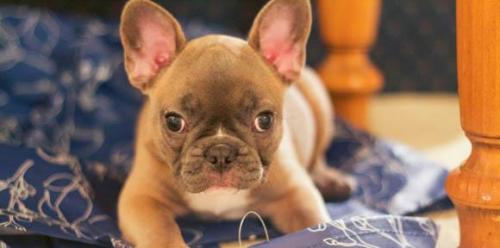
French bulldog.jpg

Pugs and bulldogs have become popular breeds in recent years – the French bulldog is set to become the UK’s most popular canine, according to the Kennel Club. However, a significant proportion are affected by a condition known as Brachycephalic Obstructive Airway Syndrome (BOAS) related to their head structure.

Studies suggest that for over half of such dogs, BOAS may lead to health problems, causing not just snoring but also difficulty exercising and potentially overheating. It can even prove life-threating. But as symptoms often do not arise until after the dog has begun breeding, veterinary scientists have been searching for markers that can predict whether a dog is likely to develop breathing difficulties – and hence potentially help breed out the condition.

A study in 2015 led by researchers at the Royal Veterinary College, University of London, working across many breeds suggested that dogs whose muzzles comprised less than half their cranial lengths and dogs with thicker neck girths were at increased risk of BOAS. However, this new study suggests that these measures applied to individual breeds are not dependable for this purpose.

The Cambridge researchers took external measurements of features of head and neck shape, and of the external appearance of nostrils, together with measurements of body size and body condition score (an approximation to the degree of fatness/obesity) in just over 600 pugs, bulldogs and French bulldogs, the most numerous breeds that show this problem. Each of the dogs had also been graded objectively for respiratory function.

The team found that while the external head measurements did have some predictive value for respiratory function, the relationship was not strong, and the measurements that showed the best predictive relationship to BOAS differed between breeds. They were unable to reproduce conclusively the findings from the previous study by the Royal Veterinary College in any breed.

“It can be incredibly difficult to take measurements such as distance between eyes or length of nose accurately, even for experienced vets, as the dogs don’t keep still,” says Dr Jane Ladlow, joint lead author. “This may explain why it is so difficult to replicate the findings of the previous study or find any conclusive markers in our own.”

Neck girth was a slightly more reproducible measurement, and larger neck girth in comparison to chest girth or neck length was associated with disease in the bulldogs and French bulldogs. In male bulldogs, neck girth showed a close enough association with disease to give moderately good predictive accuracy for the presence of clinically significant BOAS.

The best measure identified by the Cambridge team was the degree of nostril opening, which proved a moderately good predictor of the presence and severity of BOAS in pugs and French bulldogs, and was also a useful marker for disease in bulldogs.

Altogether the variables measured, when combined, gave an 80% accuracy in predicting whether or not dogs will have BOAS, the difficulty of taking some of the measurements accurately, and the need to make multiple measurements and combine them in order to produce a prediction means that the researchers would not recommend using them as a guide to breeding.

Dr Nai-Chieh Liu, first author of the study, says: “Breeding for open nostrils is probably the best simple way to improve these breeds. Dog breeders should also avoid using dogs with extremely short muzzles, wide faces, and thick necks. These traits are all associated with increased risk of having BOAS.”

Joint lead author Dr David Sargan adds “At this moment there is no conclusive way of predicting whether any individual pug or bulldog will develop breathing difficulties, so we are now looking for genetic tests that may help breeders get rid of BOAS more rapidly.

“The best advice we can give to owners of short-nosed dogs is to make sure you get your dog checked annually for any potential difficulties in breathing, even if you have not yourself observed any in your dog, and to keep your dog fit and not let it get fat.”

Source:  University of Cambridge media release

Fish oil supplements – beware!

I regularly see posts on Facebook about supplementing dogs with fish oils.  I meet new clients fairly regularly who feel they are doing the right thing by feeding fish oil supplements to their dogs as a source of Omega 3 and for anti-inflammatory support.

However, most owners seem unaware of the studies that most commercial fish oil supplements in New Zealand are oxidised – meaning that the levels of polyunsaturated fatty acids is dramatically lower than claimed on the label.  I’m not in favour of ingesting rancid oils!

In fact, this 2015 study found that only 8% of the supplements tested in the New Zealand market met the levels expected by international recommendations.  And higher-priced supplements and those with brand name labels were no indicators of better quality.

Another study based on supplements available in Canada showed that 50% of the supplements tested were oxidised.

In keeping with my philosophy of food as a source of wellness, I’ve moved away from the concept of fish oil supplementation using commercial supplements and instead choose real-life salmon and sardines as a source of fish oils.

If I was a dog, I’d choose a few sardines over a fish oil capsule any day!

tinned sardines

Kathleen Crisley, specialist in dog massage, rehabilitation and nutrition/food therapy, The Balanced Dog, Christchurch, New Zealand