Tag Archives: health

Training service dogs can slow biological aging in female veterans

A new study reveals that training service dogs can slow biological aging in female veterans. Researchers from Florida Atlantic University, in partnership with other institutions, focused on women with post-traumatic stress disorder (PTSD)—a group often overlooked in military research. Instead of receiving a service dog, these participants volunteered to train dogs for fellow veterans, offering support to others as well as themselves.

For female veterans with PTSD, volunteering to train a service dog can slow cellular aging and ease stress and anxiety Depositphotos

To measure biological stress, the team looked at telomere length (a marker of cellular aging) using saliva samples, and heart rate variability (HRV), a sign of nervous system balance. Over eight weeks, female veterans were randomly assigned to either an active service dog training group or a comparison group that watched dog training videos. Both groups participated in weekly one-hour sessions, and researchers measured outcomes before, during, and after the intervention.

Saliva samples were used to determine telomere length, while heart rate variability provided additional insight into physiological stress. Results showed that those who trained service dogs had an increase in telomere length, indicating slower cellular aging, while the control group experienced telomere shortening and accelerated aging. The benefits of telomere preservation were most significant among women with a history of combat exposure; this subgroup saw the largest gains in telomere length, whereas combat-exposed control participants had the most pronounced declines.

Heart rate variability findings further backed the biological stress benefits, with those in active training demonstrating improved nervous system regulation. Psychological measures were also gathered using standardized questionnaires to assess PTSD symptoms, anxiety, and perceived stress. Both groups reported reductions in these symptoms throughout the study, suggesting that structured activity alone provides some mental health support. However, improvements in psychological outcomes did not differ significantly by intervention or combat experience. 

The study, published in Behavioral Sciences,  suggests that the skills learned during service dog training—such as positive reinforcement and reading animal behavior—may have strengthened participants’ bonds with their own pets at home, offering additional emotional support. Unlike general volunteering, service dog training uniquely blends emotional healing with building a close relationship between veterans and their animals, providing therapeutic benefits that go beyond typical community engagement.

Source: Biocompare.com

Fresh dog food supports healthier aging in seniors

This first-of-its-kind study found that feeding dogs food from The Farmer’s Dog can impact metabolic health and support healthier aging in dogs. ChristianaT | Pixabay.com

A year-long metabolomic study led by Dr. Heather Huson, associate professor of animal sciences at Cornell University, found that feeding dogs fresh, human-grade food can impact metabolic health and support healthier aging. The research, conducted with board-certified veterinary nutritionists employed by The Farmer’s Dog, analyzed the effects of fresh, minimally processed recipes versus kibble in 22 senior Alaskan sled dogs.

Results showed dogs fed The Farmer’s Dog fresh food experienced a rapid and sustained metabolic shift after just one month, marked by lower levels of advanced glycation end products (AGEs) – harmful compounds linked to aging and chronic disease. These dogs also showed reduced sucrose and 1,5-anhydroglucitol (a glycemic control biomarker), and notably lower concentrations of specific AGEs such as N6-carboxymethyllysine and pyrraline.

“For years, people have been telling us their dogs are thriving on fresh diets like The Farmer’s Dog, and this study finally shows what’s happening beneath the surface — a significant metabolic transformation,” said Jonathan Regev, co-founder and CEO of The Farmer’s Dog. “The gap between highly processed pet foods and minimally processed real food may be even wider than we imagined, and could redefine what’s possible for canine health and longevity.”

Additional findings include higher levels of ergothioneine, a potent antioxidant compound, as well as elevated levels of carnosine and anserine (histidine-related metabolites with antioxidant properties). These shifts suggest increased antioxidant capacity and reduced oxidative stress.

Dogs demonstrated elevated branched-chain amino acid (BCAA) metabolism, with increased levels of leucine, isoleucine, and valine and their derivatives. They also showed higher levels of glycerol and glycerol-3-phosphate (markers of lipolysis), alongside increased long-chain omega-3 fatty acids — including alpha-linolenic acid (ALA), eicosapentaenoate (EPA), docosapentaenoate (DPA), and docosahexaenoate (DHA). Serum 3-hydroxybutyrate (BHBA), a ketone body, rose reflecting enhanced fat utilization and healthy ketosis.

Malonate, a marker of fatty acid synthesis, was decreased in the fresh food group, suggesting a more efficient metabolic profile compared to the kibble-fed group.

“The magnitude and consistency of the metabolic impacts we observed were quick, sustained and striking,” said Dr. Joseph Wakshlag, DVM, PhD, DACVSMR, DACVIM (Nutrition), one of the board-certified veterinary nutritionists who was involved in the study. 

“Fresh, minimally processed food shifted the dogs’ metabolism toward a beneficial alternative metabolic profile in the aging dog with markers for improved muscle and neurological health along with implications for improved antioxidant defense, and diminished AGE formation,” added Dr. Wakshlag. “These results are an exciting milestone for understanding canine metabolic health and nutrition.”

The study was conducted under ethical approval from the Cornell University College of Veterinary Medicine and published in Metabolites.

Source: Petfoodindustry.com

Insect-based pet foods may be nutrient deficient, contain other animals

Some insect-based pet foods may not meet nutritional guidelines and may contain species not listed on the label. Researchers at Ghent University in Belgium evaluated the nutritional adequacy of insect-based dog and cat foods and found potential gaps in quality control and labeling accuracy.

The researchers analyzed 29 insect-based pet food products available in European pet food retail outlets. All the products were marketed as complete and balanced and included 24 for dogs and five for cats. These included foods designated for different life stages: four for growth, 17 for adult maintenance, and three for all life stages for dogs; two for adult cats and three for all life stages. Researchers assessed composition, essential amino acid profiles and minerals, such as calcium, phosphorus, potassium, magnesium, copper, iron, zinc, selenium, mercury and molybdenum.

Results showed that 76 percent of the products tested did not comply with their declared nutritional values, with some falling outside acceptable tolerances. When evaluated against nutritional recommendations, only three products (10 percent) met the standards set by the European Pet Food Industry Federation (FEDIAF), while 17 (59 percent) met guidelines from the National Research Council. Just one product fulfilled both its label declarations and FEDIAF recommendations. Nine products (31 percent) had discrepancies in two or more nutrient categories. Common issues included misreported crude fiber levels and metabolizable energy content. Deficiencies were found in selenium, calcium, phosphorus, and taurine, as well as improper calcium-to-phosphorus ratios, all of which could compromise pet health.

Undeclared species in insect-based pet foods

Pets with allergies to mammal or bird meats may be able to tolerate insect proteins, creating a market for insect-based pet foods as hypoallergenic. To evaluate this, the researchers used genetic sequencing on 20 insect-based products labeled as hypoallergenic to detect the presence of mammal or avian DNA. While 75 percent complied with their stated ingredient claims, five contained DNA from undeclared animals, which could present risks for pets with food sensitivities or allergies.

“Despite the potential benefits of insect-based pet foods, this study underscores the need for further research and stricter quality control to ensure safety and efficacy, ultimately improving pet nutrition and consumers’ trust,” the researchers wrote in the Journal of Insects and Food and Feed.

Source: Petfood Industry.com

Owning a Dog Boosts Brain Power in Older Adults

A new study has found that having a pet dog or cat can slow down cognitive decline.

Stock image of a puppy looking at its owner. Credit : Getty

NEED TO KNOW

  • A new study has found that having a cat or a dog may have a “protective factor” over cognitive abilities as you age, helping to “slow down” mental decline
  • The study looked at 18 years of data in adults over 50 and found a “slower decline in multiple cognitive domains” for dog and cat owners
  • Having a fish or a bird didn’t have an impact on cognitive abilities, the study found

The type of pet you have can impact how your brain ages — and dogs and cats have a “protective factor” that can “slow down cognitive decline.”

Dog and cat owners saw improved brain health — more than those who had birds or fish, or no pets — according to a new study, published in Scientific Reports, that used 18 years of data on cognitive decline in adults over 50

“Both cat and dog owners experienced slower decline in multiple cognitive domains — dog owners in immediate and delayed recall, cat owners in verbal fluency and delayed recall,” the study found. “Fish and bird ownership had no significant association with cognitive decline.”

“Several explanations may help explain the absence of this association in fish and bird owners, despite the reports of their ownership’ positive influence on wellbeing in ways that are usually associated with cognitive benefits,” study author Adriana Rostekova, from the University of Geneva’s lifespan developmental psychology research group said, per The Guardian.

The study theorized that the shorter lifespan of a bird or fish impacts “the level of emotional connection,” due to “frequently having to deal with the pet’s death.” The study also pointed out that birds can be incredibly loud: “Bird ownership may negatively affect the owner’s sleep quality due to the increased noise levels, which has been shown to be associated with cognitive decline.”

But the very nature of owning a cat or a dog may help the brain stay healthy, Rostekova explained: “There is also a possibility of increased social stimulation facilitated by cats and dogs, which may be linked to the slower cognitive decline experienced by their owners: an increased frequency of social interactions when accompanied by a dog – or for cats, a substitute for a social network.”

The study says that, since “dog and cat ownership might act as a protective factor aiding to slow down cognitive decline, thus contributing to healthy cognitive [aging],” these findings could help inform policies on healthy aging, specifically to make veterinary care or pet insurance “more accessible to older adults” — as well as advocate for “animal-friendly senior housing options, such as assisted living facilities or nursing homes.”

Source: People

Journal reference: Longitudinal relationships between pet ownership and cognitive functioning in later adulthood across pet types and individuals’ ages

Study Reveals How Having a Dog May Lower Baby’s Eczema Risk

New research explores how having a dog around during baby’s first year may help reduce skin inflammation on a molecular level.

Image: JNSB | Shutterstock

Atopic eczema is a chronic, usually hereditary, inflammatory skin condition that affects almost 20 percent of babies. Though common and treatable, eczema is often itchy and irritating, with American parents spending thousands of dollars on creams, ointments and other treatments for baby every year. But what if you could lower baby’s risk of developing eczema just by bringing a furry friend into your home?

A new study from the University of Edinburgh explored how various environmental factors—from breastfeeding and smoking to pet ownership and hygiene habits—might influence a baby’s risk of developing eczema. Researchers tested for interactions between the 24 most significant eczema-associated genetic variants and 18 early-life environmental factors during pregnancy and the child’s first year.

Looking at the DNA of over 250,000 people, researchers found that a specific genetic variant linked to a higher risk of eczema was significantly impacted by dog ownership. In babies with this gene, exposure to a dog during their first year of life appeared to nearly eliminate their risk of developing eczema.

To figure out how this worked, researchers dug deeper and found that the gene in question is linked to a protein called IL-7R, which plays a role in immune function and skin inflammation. In lab tests, when skin cells with this variant were exposed to molecules from dogs—like tiny particles from their fur or skin—those signals, which might normally trigger allergies, actually helped calm inflammation.

“The most difficult questions I’m asked by parents in clinic are about why their child has eczema, and how they can help. We know that genetic make-up affects a child’s risk of developing eczema and previous studies have shown that owning a pet dog may be protective, but this is the first study to show how this may occur at a molecular level,” Sara Brown, a professor at the University of Edinburgh Institute of Genetics and Cancer and one of the study’s authors said in a press release. “More work is needed, but our findings mean we have a chance to intervene in the rise of allergic disease, to protect future generations.”

The study also noted a similar protective effect in young children with older siblings, though more research is needed to confirm that link. Scientists believe that early exposure to a wide variety of bacteria—whether through pets or siblings—may be part of what’s helping to train the immune system in a protective way.

Researchers believe that by looking at things on a molecular level, they may be able to help pinpoint exactly what exposures might be helpful to baby. “This study sheds light on why some children develop eczema in response to environmental exposures while others don’t,” added the study’s lead author, Marie Standl, PhD. “Not every preventive measure works for everyone – and that’s precisely why gene–environment studies are crucial. They help us move toward more personalized, effective prevention strategies.”

This isn’t the first time dog ownership has been praised for its benefits to baby’s health. Other studies have linked having a dog to a lower risk of obesity, fewer allergies and even stronger immune function. See five science-backed ways dogs can benefit baby and tips to help your pet bond with baby.

Source: Thebump.com

Reading labels

As you’ve probably read in this blog before, I’m a self-confessed Science Geek. I like the details. So, it should come as no surprise that label reading is part of my routine as a dedicated Dog Mum and pet professional.

This week has provided some good food for thought – the importance of reading labels.

First up is Sox’s Vitamin B supplement, Cobalazorb. When the latest box arrived, it was immediately noticeable that the packaging had changed:

There were differences that could be alarming for us. I have been managing Sox’s inflammatory bowel disease for years now and this supplement is vital since his malfunctioning gut does not digest all the goodness from food as it should. I emailed the company, ADM Australia PTY Ltd.

I have just received a new pack of Cobalazorb for my dog, who has chronic enteropathy.  This pack prominently promotes that the product has a chicken flavour and also does not state that the capsule is a vegetable capsule – only “capsule.”

I’ve compared it to the previous pack, which states a flavouring but with no specific type and a vegetable capsule.

Given his sensitivities, I wanted to check that there have been no ingredient changes to the original product and that this is a change in packaging only. 

Great news! The company responded the same day with this reply:

Thanks for reaching out.

I can confirm that only the packaging has changed for Cobalazorb, everything else remains the same as before. The flavouring is still artificial chicken (no actual chicken) and the capsules are vegetarian, so OK to use in dogs and cats with allergies and sensitivities.

Please reach out should you have any further questions.

At this point, I was winning. That was until the delivery the next day of our latest 12 kg bag of Purina Pro Plan Gastrointestinal kibble, our mainstay dog food. Only this time, the bag came with a prominent label announcing “Coming Soon, New Look and Formula.”

New formula…and when you turn over that label there’s a reminder that new foods should be transitioned over 10 days.

I emailed Purina to ask what the formula changes will be, explaining that I am using this food for Sox’s chronic enteropathy (IBD). It took them 2 days to reply, “We have reached out to our wider team regarding your questions about the formula changes and we’ll get back in touch with you as soon as possible.

This reply doesn’t fill me with great confidence and history shows that whenever pet food companies change formulations, it is usually so they can reduce the cost of ingredients while improving profit margin. Decreasing cost of production often means decreasing the quality of the ingredients. Dog food is a big business.

Time will tell if I am going to need to find another food for Sox, and how long I will wait for a definitive reply from Purina.

I encourage all my clients to read labels – you’d be surprised how often products formulations are changed – a change in packaging is often a good reason to check the label.

P.S. A big shout out of thanks to ADM for such fabulous customer service (plus for not changing the formula of a valued supplement)

Kathleen Crisley is Fear-Free certified dog massage therapist and canine fitness trainer. She has a particular passion for working with dogs and their families to ensure injury prevention and quality of life. She specialises in working with anxious and emotionally damaged dogs. Her mobile practice, The Balanced Dog, is based in Christchurch, New Zealand

Genetic links to herding behaviours

It’s a win for Darwin’s Dogs and open access data! A new study published in the journal Science Advances has identified genomic links to the behaviours of herding breeds. The study used data entirely sourced from open-access databases.


Researchers at Korea’s Gyeongsang National University and the U.S. National Institutes of Health analyzed data exclusively from publicly available repositories, including genomic and behavioral data from the community science initiative, Darwin’s Dogs. Their findings are powerful examples of how open science—making research data freely and publicly available—can accelerate discovery by helping scientists leverage existing data in innovative ways.

Herding breeds carry genes linked to cognitive function

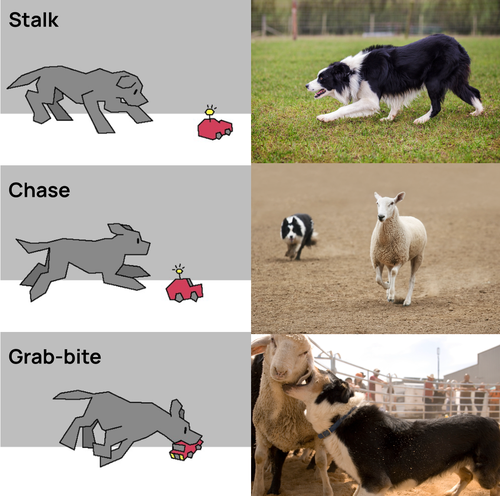
Herding breeds like the Australian cattle dog, Belgian Malinois, and border collie have a long history of helping humans move and manage livestock. These dogs are renowned for their precise motor control, sharp intellect, and unwavering drive. In fact, motor patterns required for effective herding—like eyeing, stalking, and chasing animals without killing them—have been so deeply ingrained in herding dogs through generations of selective breeding that even non-working lines often display these traits. But while herding behaviors have been recognized and refined for centuries, their genetic roots have remained largely unknown.

To explore the genetic foundations of herding behaviors, researchers conducted a large-scale genomic comparison across dogs from 12 herding breeds and 91 nonherding breeds. They identified hundreds of genes that have been naturally selected in herding breeds, several of which, through additional analysis, they found linked to cognitive function.

Narrowing their focus to the border collie, a breed celebrated for its intelligence, the research team identified more than eight genes strongly associated with cognition. One of the standouts was EPHB1, a gene involved in spatial memory. Several variants of EPHB1 appeared across herding breed genomes, suggesting that this gene may support the array of complex motor patterns and decision-making skills essential for herding.

Darwin’s Dogs’ database connects genomic discoveries with behavioral insights

Identifying genes associated with breeds is one thing, but understanding their function is another. This is where Darwin’s Dogs’ open-access behavioral and genomic datasets became critical to expanding the impacts of the study’s findings.

Darwin’s Dogs invites dog owners to participate in scientific research by taking behavioral surveys about their dogs and contributing DNA samples for whole genome sequencing. As part of Darwin’s Ark’s open science commitment, this data is de-identified and made available to researchers around the world, creating a unique open-access resource that allows scientists to explore connections between canine DNA and behavioral traits.

The researchers analyzed data from 2,155 dogs in the Darwin’s Dogs database to see whether dogs with the EPHB1 gene behaved differently than dogs without the gene. They found a strong link between EPHB1 and behavior: dogs with this gene were significantly more likely to show toy-oriented behaviors such as stalking, chasing, and grab-biting toys. These actions closely resemble motor patterns seen in herding behaviors.

This link held true even among dogs with mixed breed ancestry, and within border collies from working versus non-working lines, reinforcing the strong connection between EPHB1 and herding-related behaviors.

Open science opens doors to discovery

This study’s discoveries were made possible through open science. Data from open science initiatives like Darwin’s Dogs—and the thousands of community scientists who shared behavioral insights about their dogs—helped researchers connect genomic markers to observable behaviors. The scale and scope of the Darwin’s Dogs database helped the research team analyze behavioral associations to the EPHB1 gene across dogs with varied breed ancestry.

This research serves as a model for how professional researchers and community scientists can come together to accelerate scientific progress. When community scientists contribute to open repositories like Darwin’s Dogs, the possibilities for discovery are endless.


Resources

Read the paper published in Science Advances: Hankyeol Jeong et al. , Genomic evidence for behavioral adaptation of herding dogs. Sci. Adv. 11,eadp4591(2025).DOI:10.1126/sciadv.adp4591

Source: Darwin’s Ark blog

Growing concerns about Librela/Beransa

Librela, known as Beransa in New Zealand, came onto the market in 2023 in both the USA and New Zealand (it has been introduced earlier in the UK and Europe, in 2021). In late 2023, I shared this post from Dr Darryl Millis about things to consider before choosing to use it with your dog.

Librela/Beransa is an injectable treatment for canine osteoarthritis manufactured by Zoetis.

The drug works by targeting and blocking the action of nerve growth factor, NGF, with a monoclonal antibody called bedinvetmab. NGF is a protein that plays a role in the pain and inflammation associated with osteoarthritis. By binding to NGF, bedinvetmab prevents NGF from activating its receptors on nerve cells, thus blocking the pain signal.

In December 2024, the US Food and Drug Administration (FDA) issued an open letter to veterinarians with an update on its evaluation of adverse effects. That report concluded:

Based on the evaluation and analysis of the reports and signs seen for Librela, the
recommendation is to add a Post Approval Experience (PAE) section to the current label:

Post Approval Experience Section (2024)
The following adverse events are based on post-approval adverse drug experience reporting
for LIBRELA. Not all adverse events are reported to FDA/CVM. It is not always possible to
reliably estimate the adverse event frequency or establish a causal relationship to product
exposure using these data.

The following adverse events in dogs are categorized in order of decreasing reporting
frequency by body system and in decreasing order of reporting frequency within each body
system:

Neurologic: ataxia, seizures, paresis, proprioceptive deficits, paralysis
General: anorexia, lethargy, recumbency
Renal/Urinary: polydipsia, polyuria/pollakiuria, urinary incontinence
Gastrointestinal: vomiting, diarrhea
Musculoskeletal: muscle weakness, muscle tremors, lameness
In some cases, death (including euthanasia) has been reported as an outcome of the
adverse events listed above.

In addition, we suggest that owners be advised of the adverse reactions that may occur
following administration of Librela.

In the USA, a lawsuit has been filed alleging that Zoetis acted in a negligent manner in promoting its product.

In Australia, a class action lawsuit is being prepared by pet owners who state that their veterinarians described Beransa as a safe and effective drug without known side effects.

Why am I writing this post? To educate and to inform. I’m mindful that many of the commercials for human medications these days remind consumers “All medications have risks and benefits. Talk to your doctor to see if this product is right for you.”

There are veterinarians and dog owners who are reporting good results with this medication, particularly for those dogs who are elderly and for whom other arthritis medications have not worked. If your vet has recommended Beransa, be sure they have explained the possible risks to you and that you are happy to accept those risks on behalf of your dog.

Kathleen Crisley is Fear-Free certified dog massage therapist and canine fitness trainer. She has a particular passion for working with dogs and their families to ensure injury prevention and quality of life. She specialises in working with anxious and emotionally damaged dogs. Her mobile practice, The Balanced Dog, is based in Christchurch, New Zealand

Do canine companions make us healthier?

Chances are you either have a dog, know someone with a dog, or spend too much time on the internet watching dog videos. Dogs. Are. Great. Maybe it’s from uniquely coevolving with humans, or maybe it’s because they’re so darn smart, agile, comforting, and cute—but there’s definitely a connection. Whenever we’re on the move, they’re on the move too—and excited about it. Even if it’s just to the kitchen, it is still a fun adventure together.  

Any one of us living with a dog (a whopping 60 million—or 45.5%—nationally) has anecdotal evidence to back it up. But how can we measure the ways dogs impact our movement habits and thereby our health and wellness? Katie Potter, Behavioral Medicine Lab director and associate professor of kinesiology, decided to find out.  

It all started with a little floppy-eared canine named Chloe. Potter, a slight, brown-haired woman with an athletic frame and a life-long affinity for dogs, adopted the short-haired pup in grad school, and they became inseparable. As someone studying kinesiology and behavioral health, Potter was more aware than most just how much her connection with Chloe improved her wellbeing. Time spent walking and playing with the sweet-tempered Chloe was also time that Potter spent being active and meeting new people in her neighborhood. On bad weather days, people without dogs can be tempted to stay inside in a cozy cocoon of home. But one look at Chloe’s innocent, black-and-white-splotched face had Potter pulling on her boots and reaching for a leash. Chloe also actively helped Potter once she started working in the Behavioral Medicine Lab at UMass, modeling new activity trackers, quality testing the lab treats, and reminding the team to stay in the moment and that, sometimes, you really just need to go for a walk. Potter was a doting pet parent but a scientist through and through.  

When Chloe passed away in 2021, Potter had already been inspired by her to research the ways pet ownership might help people become healthier and more active. Motivated by the understanding of how activity levels contribute to or mitigate health conditions like heart disease, type 2 diabetes, and osteoporosis, Potter was convinced that the addition of multiple, small physical activities to a person’s life could lead to big beneficial outcomes. But now, she was even more driven to find out how specifically and find a way to engage a community around a shared love of pet care. Currently, less than 25% of adults in the United States meet the federal guidelines for physical activity. And children aren’t doing any better.

Professor Katie Potter clasps a new activity tracking collar around Percy’s neck while wearing her own for monitoring how close they are to each other.

Dog ownership was a potential avenue to inspire people to move on a grand scale and it excited her. “People are already convinced that animals are good for their health, so we’re trying to determine the evidence base for that,” Potter explains. As she better understands what the impact is from our dog-human bond, she can glean which small actions can be recreated as programs and introduced to the population at large.  

Studies show that, to get people to make healthy, lasting changes to their daily routines, those changes need to be ones they actually enjoy. Luckily, a lot of people enjoy canine companionship. So, over the past five years, Potter and doctoral candidate Colleen Sands ’25 have designed observational studies to show how dog ownership affects/impacts physical activity levels, and the effects on specific health issues. 

The big question

Does getting a dog make you more active? This is one of the biggest questions Potter is trying to answer. It is equally likely that physically active people get dogs because dogs fit within their already active lifestyle. But how do you test for that? 

One of the most difficult parts of this type of experimentation is obtaining data on how active people are before they get a dog. “There’s currently a lack of studies that look at how getting a dog changes the owners’ activity and health—because they’re so logistically challenging,” says Potter. “You have to get data on folks before they bring the dog home and then follow them over time.”  

Fortunately, a Massachusetts-based organization called Last Hope K9 Rescue agreed to work with Potter on a 12-week “BuddyStudy.” The study monitored 11 participants for six weeks as they experienced fostering a new dog. Starting out with baseline measurements—their average daily steps and their perceived stress levels or signs of depression (via questionnaires)—Potter was then able to see any noticeable changes at their mid-point check in.

It should be noted that many of the program participants actually ended up adopting their foster dogs through Last Hope K9 Rescue, making the measurements taken at the end of the study all the more interesting. Though it was a small study, the results were promising. Nearly half of the participants saw large increases in physical activity and nearly three-quarters had improvements in mood after fostering their pups. More than half of the participants met someone new in their neighborhood on a dog walk. Most participants adopted their foster dog after the six-week foster period, and some maintained improvements in physical activity and well-being at the end of the study.

With the promising data from that study, Potter was able to see which metrics and methods were the best for helping find answers to her original question—and many others that popped up throughout this experiment. She hopes to do more studies with foster dogs and cats in the future.

An interest in healthy aging

Armed with questions and hypotheses that occurred to her during one of her earliest studies, Project Rover,Potter decided to double down on her interest in how dogs impact physical activity and health in the older population. In Project Rover, Potter had worked with people over the age of 60, but now she wanted to push the age up a bit higher to see how an older generation would be impacted. She recruited 70- to 84-year-olds to be part of a new observational study called the Lifestyle, Brain, and Cognitive Health Study. The participant pool was divided into dog owners and those who were dog-free. Then, for one week, they were asked to go about their normal lives while activity monitors tracked their activity levels. At the end of the week, participants returned to UMass to have a brain scan and take the NIH Toolbox Cognition Battery to test their cognitive function and fluid cognition abilities like problem solving, response time, and ability to adapt to new situations. Ideally, at the end of this type of study, Potter would see improvements across the board with faster response times, more creative problem-solving ideas, and faster transitions to situations. 

Though the group size for this study was too small to make generalizations about the results, Potter is excited about the social connection aspect of the study, since most participants said they had met people through their dog and that those people had become friends. The benefit of having the small sample size is that Potter was able to test her methodology, as she plans to conduct wider studies.

What about the kids?

Did you know that the Centers for Disease Control and Prevention (CDC) recommends kids exercise for at least 60 minutes a day? Unfortunately, roughly 40% of children in the United States fall well below that, contributing to a wave of preventable health issues, including mental health impacts. Sands, working on her dissertation under Potter’s tutelage, thought, if we want to create interventions for people, why not start them young? She set out to design the Kids Interacting with Dogs (KID) study, a child-friendly pilot to establish a baseline—starting with children who already had a family dog. 

To start, Sands met with participating families over Zoom for orientation. “While the dogs were certainly not required to join the remote study orientation calls,” Sands explains, “most of the kids were really excited to introduce me to their dogs.” Even though it was a remote study, she did get to witness the strong family-dog bond firsthand. 

Over a one-week period, the study tracked how frequently kids played with the family dog through data received from Actigraphs—Bluetooth accelerometers that also monitor proximity. Every member of the family wore them (Fido included). And, to Sands’s delight, many of the children immediately decorated the monitors for both them and their dogs. By processing the data coming in, Sands was able to see how many cumulative minutes the kids spent with the dogs, how much they walked, and how actively they played.

Surprisingly, only one-third of the time kids were active with their dog was spent walking and (maybe less surprising to anyone who spends time near children or once was one), the other two-thirds were spent playing. That is notable because adult-focused studies show that owners spend the majority of their active time walking their dog and very little time engaged in play. This kid-specific study opens up new ways to explore the development of future physical activity interventions based on play.

Down the leash

Both Potter and Sands are passionate about finding enjoyable interventions that can improve wellness on a large scale. Potter’s dream is to set up an assistance program that pairs students with older or disabled members of the community who need a little help caring for their dogs. Both the community members and the students would reap the benefits of having a dog in their orbit, as well as experiencing a new, intergenerational human connection. 

“One of the cool things about this line of research is that even though physical activity is our primary focus, there are social, emotional, and even academic benefits in human-animal interaction,” Potter shares. “So, there’s the potential for this much more holistic impact.” She says, “This can open up opportunities to areas where we can potentially collaborate with the researchers that are more focused on the animal side of it.” On a grander scale, Potter and Sands hope their research can create a viable, reproducible, scalable public health intervention program based on Potter’s idea. They also hope their research can inform changes around rental properties so people who want to be pet parents can find more housing options. 

For now, we can all use these findings to inspire our own interventions. “When the bond is there, people will go to the end of the earth for their pet,” says Potter. It’s heartening to learn that bettering our pets’ lives can improve our own health and wellness too. And they don’t need you to go to the end of the earth for them—just to the end of the block. 

Source: University of Massachusetts Amherst

With a nuzzle, paw and kiss, dogs offer a potent antidote to human loneliness

Loneliness has become an increased concern nationally since the pandemic. However, studies have shown companionship with dogs can greatly reduce the effects. (VCU Center of Human-Animal Interaction)

By Mia Stephens

Framed by the isolation of the pandemic, loneliness has become a huge concern across the world in recent years. Loneliness is considered as harmful as smoking 15 cigarettes a day and may be a greater public health threat than obesity

Long known as man’s best friend, dogs are being embraced even more now as a means of combatting loneliness. In one study, frequent interactions with dogs, either through ownerships or through long-term interventions, have been associated with positive psychological outcomes across the human lifespan.  

“They are skilled at socializing with humans, sensitive to our emotional states and gestures – they can communicate using complex cues and form complex attachment relationships with humans,” said Nancy Gee, Ph.D., C-AISS, professor of psychiatry and the director of Virginia Commonwealth University’s Center for Human-Animal Interaction and Bill Balaban Chair in Human-Animal Interaction. “Their attachment to their human owners mirrors that of human babies to their mothers.”  

Gee, whose been studying the relationship between therapy dogs and humans for more than two decades, spoke with VCU Health News about how interactions with dogs can relieve loneliness and increase connection with others.   

How can dogs combat human loneliness?  

Dogs are thought to fulfill the four roles of an attachment figure: They are enjoyable, comforting, missed when absent and sought in times of distress. Adults and children alike confide in their pets because they relieve us from the worry of confidentiality, judgments, or meeting expectations.  

Dogs are known as wonderful “social icebreakers” and referred to as the “great leveler” – people will risk directly engaging with unfamiliar people when there is a dog present. Additionally, research shows that pet owners have made friends through their companion animals, which have helped them engage more in the community.  

When humans interact with a dog in a calm way – where they are stroking the dog and making eye contact, or even talking to the dog – we see that both species release oxytocin (bonding/feel-good hormone), and their cortisol (stress hormone) levels drop. Additionally, their blood pressure and muscle tension lower, and their mood elevates.  

When you combine these responses together, it indicates the interactions are relaxing and enjoyable, which helps to reduce a person’s overall experience of loneliness. 

Is there a difference from other animals?  

Probably, yes, but there is not enough research on the subject to know for certain. We do know that dogs are unique in the animal kingdom. Through domestication and selection, dogs emerged from the grey wolf over a period of at least 35,000 years, and there is probably no other species on the planet as well-matched to human social needs as dogs.  

What are common types of service dogs, and do they differ in addressing human loneliness?  

There are three prominent classifications: 

  • A Service Dog (also called an Assistance Dog) has one handler who has a medically recognized disability. The dog is specially trained to assist that one person (their handler) with some aspect of that disability. For example, some dogs are trained to alert a person with a seizure disorder that a seizure is about to occur. This will allow the person to take medicine, call for assistance and/or get into a safe place/position so that they are not harmed during the actual seizure.  Service Dogs are covered under the American’s with Disabilities Act and are granted access to public facilities and housing that otherwise excludes pets. 
  • An Emotional Support Animal can be any animal species and requires no specific training. An ESA supports one person with a mental disability by comforting that person in a way that reduces symptoms. ESA status is determined by a mental health professional who writes a letter attesting to the animal’s role and housing status if pets are otherwise not allowed. However, ESAs are not permitted any other public access. 
  • A Therapy Dog is handled by one person, but the dog’s job is to interact with many people who may benefit from the interaction. Therapy dogs, like those in our center’s Dogs on Call program, are granted access to facilities and transportation based on the permission of the administration of the facility or transportation provider, and the requirements of the program in which the dogs participate. 

Currently, there is very little research that compares the three classifications of animals and the effects of SDs or ESAs in reducing loneliness. However, Dogs on Call specifically, and other therapy dogs in general, have been found to significantly reduce loneliness in the people they visit. 

Does human age matter in regard to loneliness and the benefits of interacting with dogs?  

We have results back from our own randomized clinical trials showing that for older adults and for adults with mental illness, interacting with Dogs on Call dogs and handlers is effective at reducing loneliness.  

We’ve just completed data collection on our pediatric study, so we don’t know the answer just yet, but we have reason to believe that across the human lifespan, interacting with a therapy dog can reduce loneliness. Additionally, one study showed that adolescents derive more satisfaction from, and engage in less conflict with, their pets than with their human siblings.

Source: VCU Health (Virginia Commonwealth University)