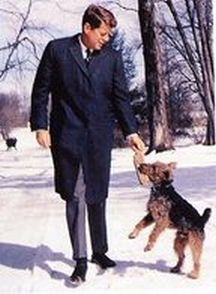
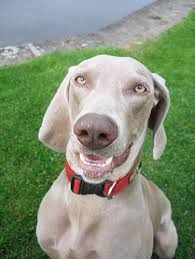
Daisy and I are celebrating our 10th anniversary together this weekend. This photo seemed appropriate!

Daisy and I are celebrating our 10th anniversary together this weekend. This photo seemed appropriate!
Posted in dog ownership, Dogs
Tagged anniversary, Daisy, my promise to you, unconditional love
If you love your dog, you should consider what would happen if you died. Who would care for them? One way of dealing with this issue is to have a pet trust.
To establish a pet trust you need to:
Here are some more notable bequests to dogs:
Leona Helmsley (The Queen of Mean) set up a pet trust for her Maltese, Trouble. It was a whopping $12 million. After the will was contested, the dog’s trust was reduced by $10 million.

Leona Helmsley with her dog, Trouble
In 2010, socialite Gail Posner left a home and a $3 million trust fund to her three dogs. These dogs were very pampered and were said to have been given weekly spa appointments, traveling to those appointments in a gold Cadillac. Conchita, a Chihuahua, April Maria, a Maltese, and Lucia, a Yorkshire Terrier were the beneficiaries.
Before both of these ladies made their bequests, there was German Countess Carlotta Liebenstein. She left approximately £43 million to her pet dog Gunther III when she died in 1991. Gunther III and his son, Gunther IV, enjoyed the services of a personal maid, chauffeur and a pool.
In 2004, after 10 years of contention, the bank that served as executor for tobacco heiress Doris Duke’s estate agreed to compensate the caretakers of her dogs. Although Duke had made provision for them in her will, the will was contested for a number of reasons. The settlement involved over $100,000 to pay two of Duke’s former servants who were responsible for feeding, medicating and cleaning up after the dogs. Two of the dogs died over the 10 years of fighting. Only Robert, an old shepherd cross remained.
Kathleen Crisley, specialist in dog massage, rehabilitation and nutrition/food therapy, The Balanced Dog, Christchurch, New Zealand
Posted in dog ownership
Tagged bequests, Chihuahua, Doris Duke, Gail Posner, Leona Helmsley, Maltese, pet trust, pet trusts, wills, Yorkshire Terrier
An important message is circulating from the Humane Society of the United States this week. I support it.
It’s about stopping random source dog dealers. These are Class B dealers in the United States who obtain dogs and cats from “random sources,” such as auctions, flea markets, or questionable means, and sell them to laboratories. It’s very possible that lost or abandoned pets get captured and sold to these dealers.
The video you are about to watch is heart-breaking and shows dogs bought from one Class B dealer by Georgia Regents University for testing of dental implants. These dogs had their own teeth removed in order for them to suffer the pain of an implant, only to be killed at the end of the experiment so the researchers could sample their jaw bones.
Watch the HSUS and then sign the petition to the USDA. And once you’ve done that, follow the link to implore Georgia Regents University to stop using Class B dealers and to cease unnecessary animal testing.
 Wolves likely were domesticated by European hunter–gatherers more than 18,000 years ago and gradually evolved into dogs that became household pets, say a research team based at the University of California Los Angeles.
“We found that instead of recent wolves being closest to domestic dogs, ancient European wolves were directly related to them,” said Robert Wayne, a professor of ecology and evolutionary biology in UCLA’s College of Letters and Science and senior author of the research. “Europe is where the oldest dogs are found.”
The team’s genetic analysis is published 15 November issue of the journal Science.
The researchers studied 10 ancient “wolf-like” animals and eight “dog-like” animals, mostly from Europe. These animals were all more than 1,000 years old, most were thousands of years old, and two were more than 30,000 years old.
The biologists studied the mitochondrial DNA of the animals, which is abundant in ancient remains. By comparing this ancient mitochondrial DNA with the modern mitochondrial genomes of 77 domestic dogs, 49 wolves and four coyotes, the researchers determined that the domestic dogs were genetically grouped with ancient wolves or dogs from Europe — not with wolves found anywhere else in the world or even with modern European wolves. Dogs, they concluded, derived from ancient wolves that inhabited Europe and are now extinct.
Wayne said that that the domestication of predatory wolves likely occurred among ancient hunter–gatherer groups rather than as part of humans’ development of sedentary, agricultural-based communities.
The research was federally funded by the National Science Foundation.
I had a lovely email this evening from a new massage client. She says ‘Ash was very happy after her treatment and has not had any bad falls (i.e. the ‘Bambi’ ones which are really bad for her hips.)’
You know what she means, right? If not, here are a few examples:

Copyright Disney Studios

Copyright Disney Studios

Copyright Disney Studios
Does your dog fall like Bambi? Landing like Bambi when you are an older or mobility-challenged dog can really hurt. Please take care!
Tagged Bambi, Disney Studios, elderly dogs, falls, massage, mobility challenged, senior dogs

According to the Senior Dogs Project, here are the top 10 reasons to adopt an older dog.
1. Older dogs are house-trained. You won’t have to go through the difficult stage(s) of teaching a puppy house manners and mopping/cleaning up after accidents.
2. Older dogs are not teething puppies, and won’t chew your shoes and furniture while growing up.
3. Older dogs can focus well because they’ve mellowed. Therefore, they learn quickly.
4. Older dogs have learned what “no” means. If they hadn’t learned it, they wouldn’t have gotten to be “older” dogs.
5. Older dogs settle in easily, because they’ve learned what it takes to get along with others and become part of a pack.
6. Older dogs are good at giving love, once they get into their new, loving home. They are grateful for the second chance they’ve been given.
7. What You See Is What You Get: Unlike puppies, older dogs have grown into their shape and personality. Puppies can grow up to be quite different from what they seemed at first.
8. Older dogs are instant companions – ready for hiking, car trips, and other things you like to do.
9. Older dogs leave you time for yourself because they don’t make the kinds of demands on your time and attention that puppies and young dogs do.
10. Older dogs let you get a good night’s sleep because they’re accustomed to human schedules and don’t generally need nighttime feedings, comforting, or bathroom breaks.
Posted in dog adoption
Tagged housetraining, reasons to adopt, senior dogs, Senior Dogs Project, training
Canine parvovirus is a highly contagious worldwide disease that involves both domestic and wild canines. It can be fatal in immuno-compromised dogs or puppies that have not been vaccinated.
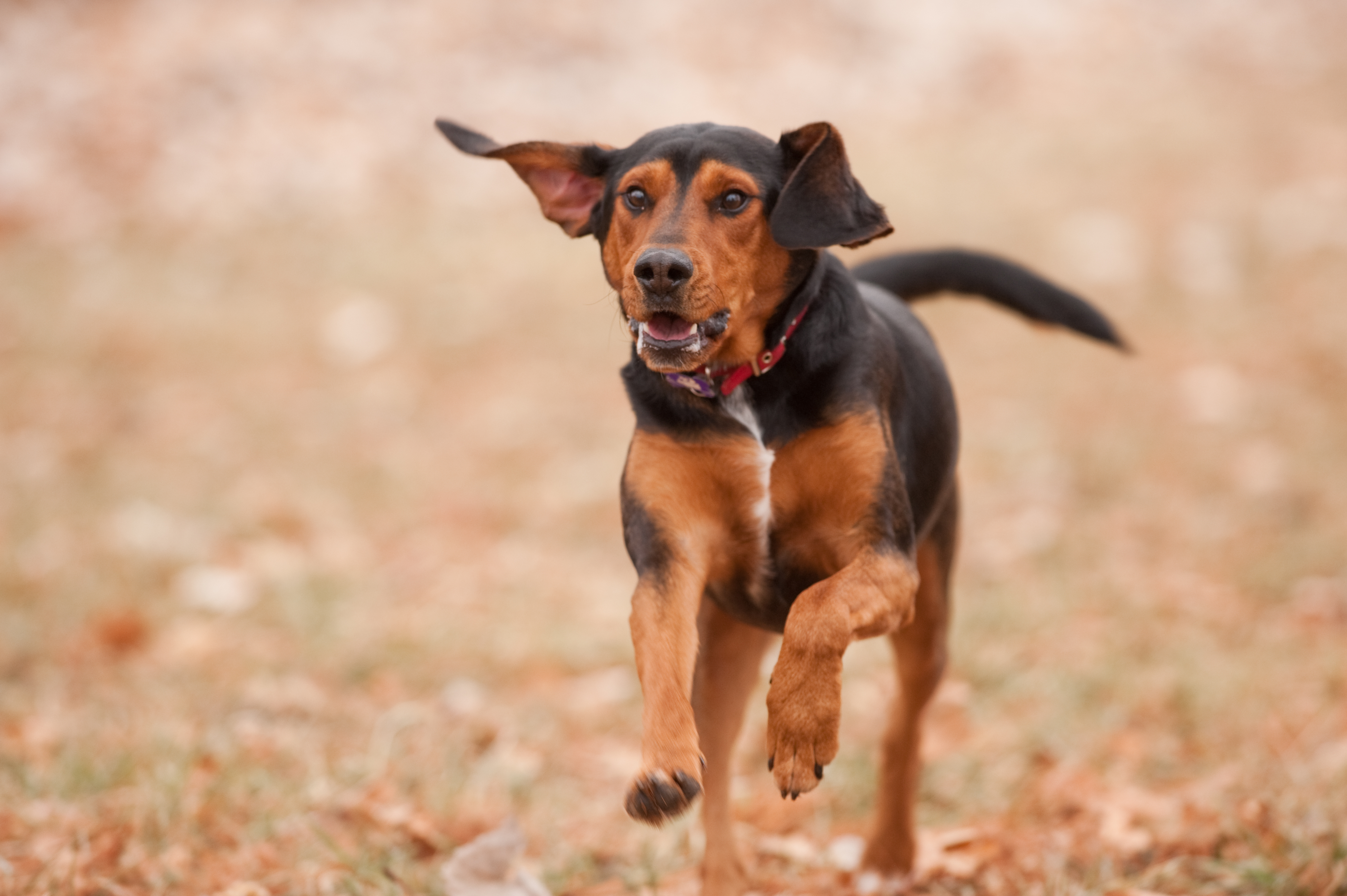
Photo courtesy of Kansas State University
The molecular diagnostics team led by Richard Oberst, Professor of diagnostic medicine, at the Veterinary Diagnostic Laboratory at Kansas State University has developed a newer, more effective test that can detect an emerging 2c strain of the virus while also detecting the existing 2a and 2b strains.
“Canine parvovirus is a very severe disease,” Oberst said. “Usually dogs who have canine parvovirus are already immune suppressed, not only because of their young age and having immature immune systems, but also because of having intestinal parasites.”
Canine parvovirus causes hemorrhagic enteritis resulting in bloody diarrhea several days after exposure to the virus. It spreads from dog to dog through contact with feces. The virus infects lymphocytes and causes immune suppression and it also can cause dogs to bleed to death through their intestines.
Often, survival rates depend on how quickly and accurately the virus is detected. Commercial tests for veterinarians are not as effective at detecting newer strains of the 2c virus, Oberst said, and have resulted in some false negative results.
The team has developed a real-time polymerase chain reaction, or PCR, test to detect the 2c virus strain and the 2a and 2b strains. “With this test we can now test all strains simultaneously and differentiate which strains of the virus might actually be causing the infection,” Oberst said. “That’s a unique aspect to this test.”
To send samples for testing at the diagnostic laboratory, dog owners are encouraged to work with their veterinarians, who can send samples to the Veterinary Diagnostic Laboratory at Kansas State University.
After a long and busy week, it’s time to clear the emails from the inbox and find something funny to make me laugh…
Found something! It’s called the Sad Dog Diary. I hope you enjoy it too!