Category Archives: dog breeds

Anatomy 101: brachycephalic dogs

I was at a lunch last week and I was talking about brachycephalic dogs.  One fellow asked, ‘brachy what?’

Brachycephalic dogs are dogs with a short muzzle and generally flat face.   “Brachy” means “shortened” and “cephalic” means “head.”

These features make them very cute. But, this head structure doesn’t leave a lot of room for the nasal passages and palate, which are parts of the anatomy that help breathing.

Most of us who either own a brachycephalic dog or who have seen one at the dog park or elsewhere can identify the ‘brachy snort’ – the sound of a dog that is struggling to breathe.

We all know that dogs help to control their temperature on hot days through panting.  Unfortunately, brachycephalic dogs are inefficient panters and so these dogs are more susceptible to heat stroke.  They are generally not good outdoor dogs during summer because of this.

Some dogs also suffer from brachycephalic airway syndrome.  This syndrome is actually a group of upper airway abnormalities.  Brachycephalic syndrome is also known as congenital obstructive upper airway disease and in extreme cases, a veterinary surgeon may do surgery to help correct the abnormalities.

The abnormalities associated with the syndrome include:

  • stenotic nares, which are nostrils that are narrowed
  • elongated soft palate, which is a soft palate that is too long for the mouth and so the length partially blocks the entrance to the back of the throat
  • a hypoplastic trachea, an abnormally narrow windpipe
  • nasopharyngeal abnormalities,  the bone in the dog’s nasal cavity grows incorrectly and this can stop air flow.  This bone helps direct airflow and also helps with heating and humidifying inhaled air.

Because of their breathing difficulties, a brachycephalic breed must be fit and trim no matter what their life stage.  Obesity is a real threat to these dogs.

Since breathing difficulties become worse with strenuous exercise, it’s critically important to balance the dog’s caloric intake with their exercise and look for small opportunities to exercise the dog without causing stress.

Common brachycephalic dog breeds include:

·         English Bulldog

·         Pug

·         Shih Tzu

·         Pekingese

·         Boston Terrier

·         Cavalier King Charles Spaniel

·         Shar Pei

·         Lhasa Apso

National Greyhound Adoption Month

April is National Greyhound Adoption Month in the USA.

Although Greyhound racing is increasingly banned in many parts of the country, breeders continue to produce large numbers of the dogs for the racing industry.  And when these dogs are too old to race, or not good earners at the track, their days are numbered…

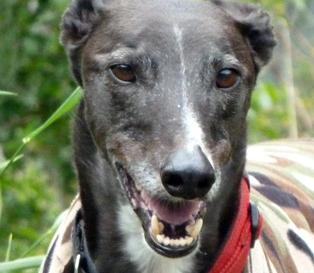
Murray is a Greyhound currently up for adoption through Greyhounds as Pets

Murray is a Greyhound currently up for adoption through Greyhounds as Pets

Greyhound rescue groups around the globe need more adoptive homes for retired racing Greyhounds.  And they are prepared to get creative in their promotions.  Here’s a great ad from The Greyhound Project:

In New Zealand, a petition has been presented to the Green Party in Parliament to investigate the Greyhound industry.  Read about that initiative in my earlier (January 2013) posting.

If you are interested in adopting a Greyhound, please do some homework about whether this breed is for you.  Rescue groups are interested in finding forever homes for these beautiful dogs and have lots of information to help you make a decision.

SOME GREYHOUND TRIVIA

  • The greyhound is the only dog mentioned by name in the Bible. King James Version, Proverbs, 30:29-31
  • Greyhounds can reach speeds of 45 miles(72km) per hour
  • Greyhounds became the first European dog in the New World when they accompanied Christopher Columbus on his second expedition, which set sail from Spain in September 1493

Black dog syndrome

A common challenge in the adoption business is finding homes for black dogs.  For many years, shelter workers worldwide have reported that black dogs (and cats) are less likely to be adopted than others and more likely to be euthanized.

It’s a case of judging a book by its cover – or is it?

In films, if there is an evil or menacing guard dog, it’s usually black or dark coloured (e.g. Rottweiler, Doberman).  Black cats are notoriously associated with the devil or witches, as well.

However, research published in early 2012 suggested that the issue isn’t colour – it’s breed.  And no one appears to be gathering statistics on the adoption of black dogs vs other dogs.  Plus there’s the fact that the Labrador (including black Labs) is routinely the top of the list when it comes to popular breeds.  This means that someone isn’t afraid of black dogs!

Practically speaking, however, it is usually more difficult to photograph a black dog.  Many shelters find that they can’t do a black dog justice in the photos that are mounted on the internet on shelter web pages and Facebook sites.   Rescue organisations are encouraged to place additional overhead lighting in the kennels of black dogs to make them more appealing to visitors.  Another suggestion is to take a black dog  for a run or brisk walk before photographing him/her – thus photographing them when they are panting which is more likely to look like a smile in their photograph.

Patricia McConnell has commented on Black Dog Syndrome (fact or fiction) on her website.

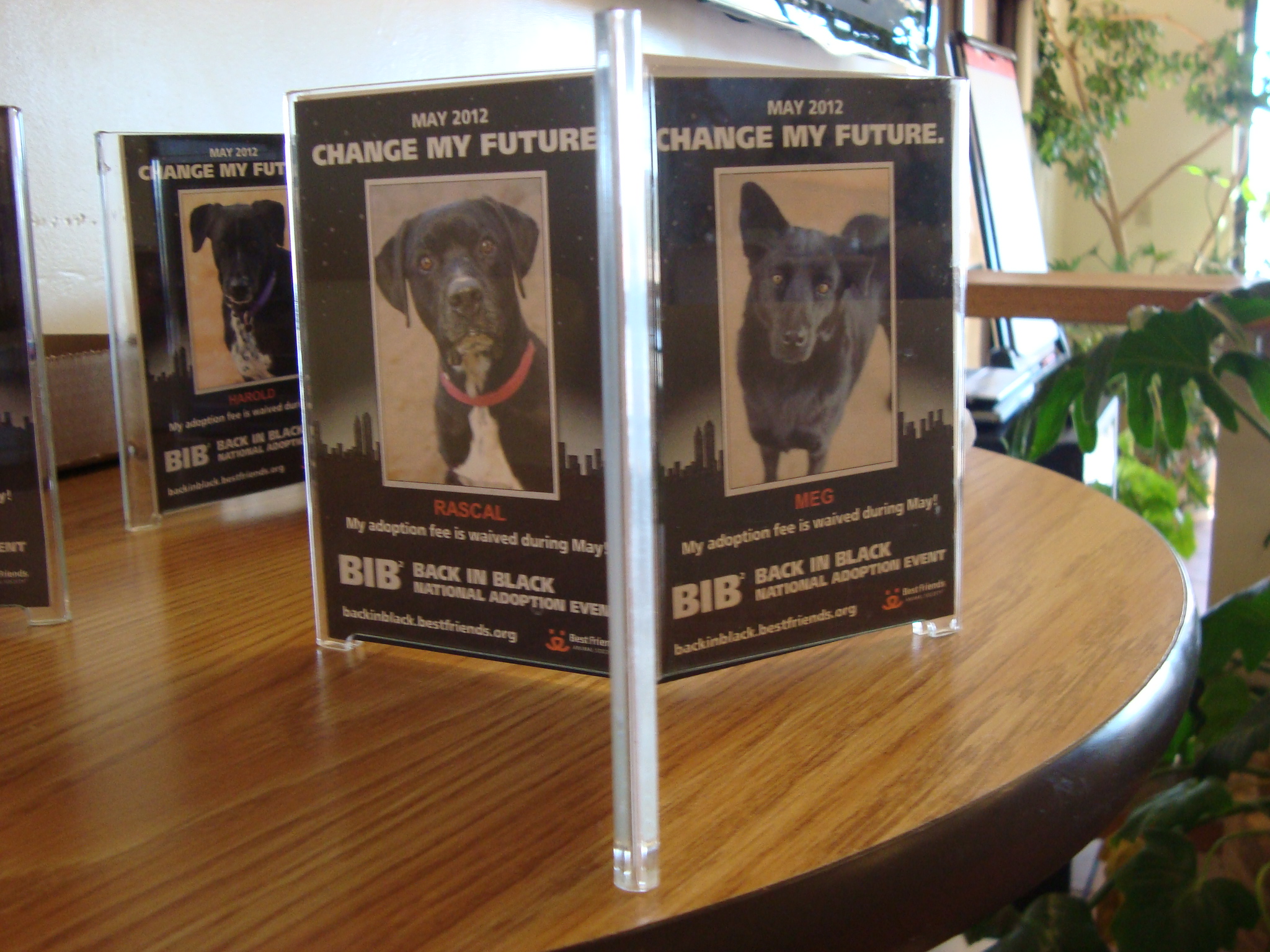
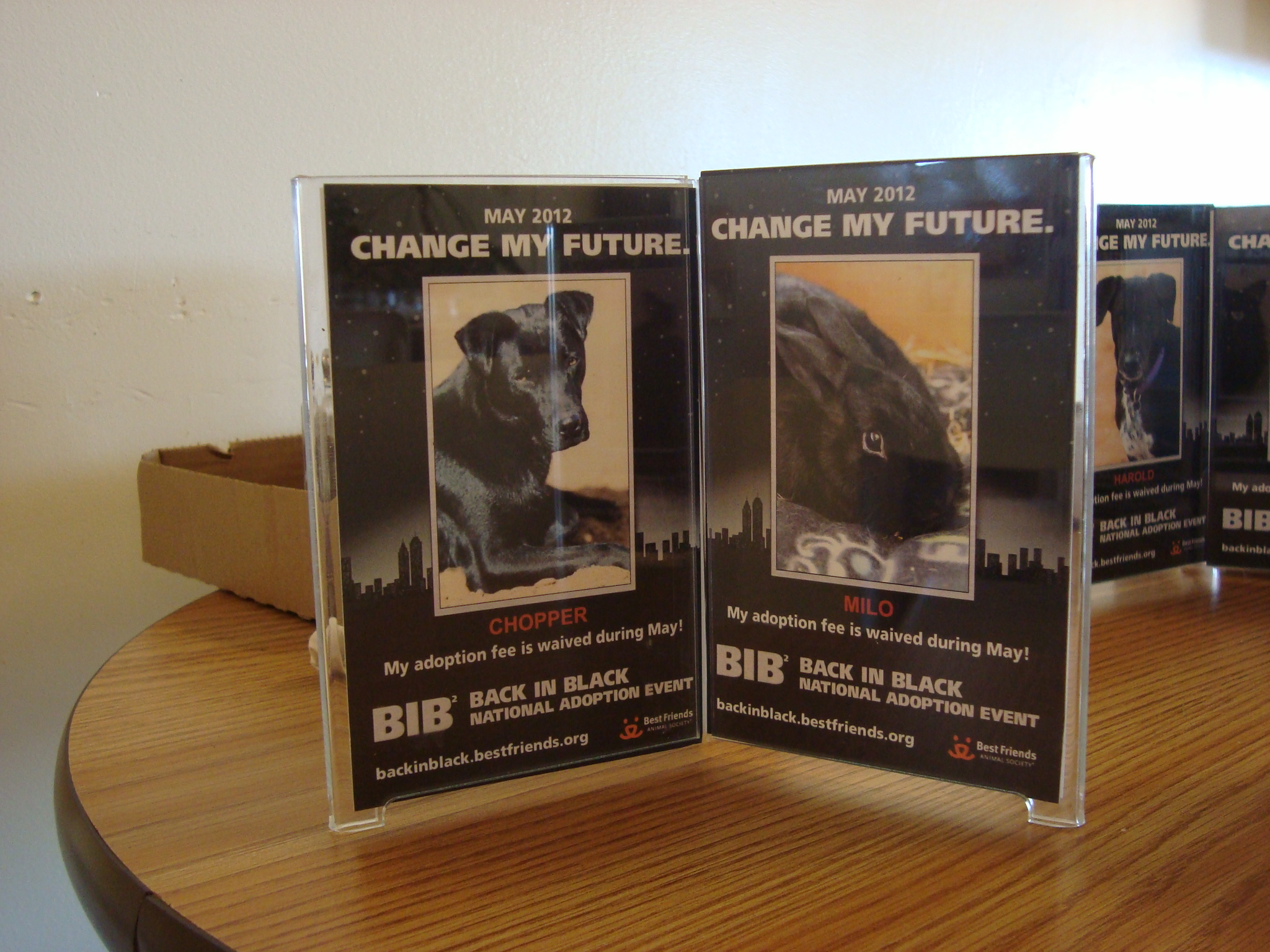
Meanwhile, rescue organisations often hold special events for the adoption of black-coated animals.  These are photos I took last year at Best Friends Animal Sanctuary during their May appeal – Back in Black… The adoption fee was waived for all black animals during the month.  Very creative!

Back in BlackBack in Black 2

Do you think Black Dog Syndrome is real?  What does your rescue organisation do to support the adoption of black dogs?

St Pawtrick’s Day

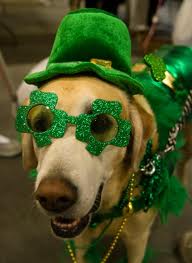
Does your dog celebrate St Patrick’s Day (a.k.a. St Pawtrick’s Day)?

St Patrick's dog

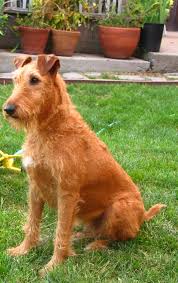
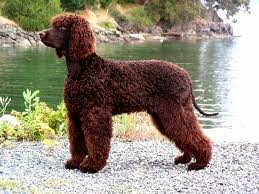
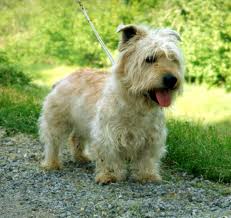
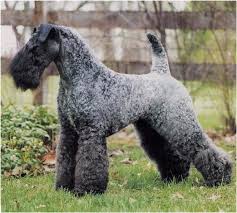
Most dogs don’t really enjoy being dressed in costume.  However, there are breeds that have Irish roots.  Let’s honor these breeds on St Patrick’s Day and simply include our dogs in the celebrations rather than dressing them up!

Grab a Guinness and let’s toast:

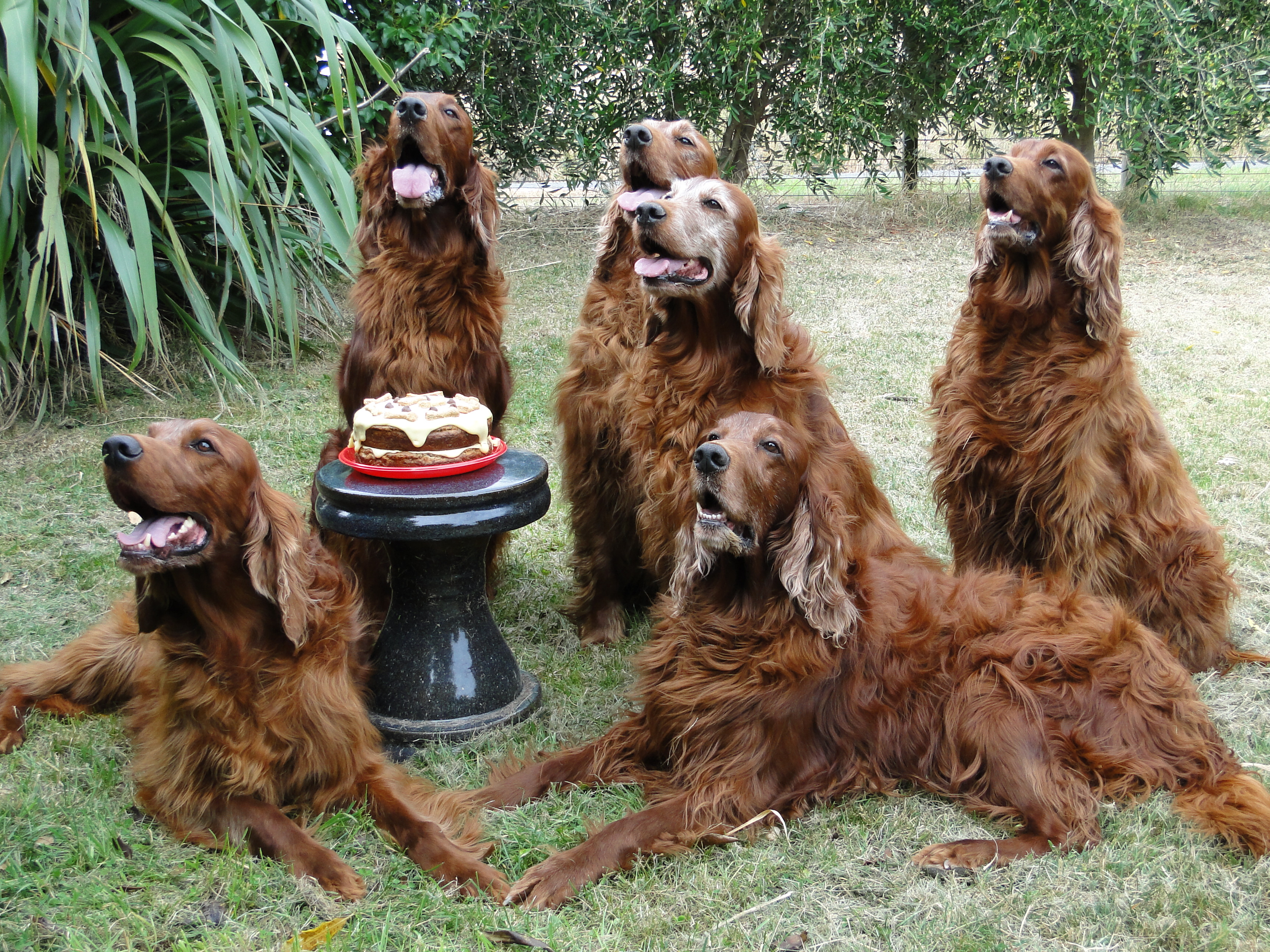
The Irish Setter, pictured here are Daisy Sheridan and family at her birthday in 2010

The Irish Setter, pictured here are Daisy Sheridan and family at her birthday in 2010

Irish Terrier

The Irish Terrier

The Irish Water Spaniel

The Irish Water Spaniel

The Irish Wolfhound

The Irish Wolfhound

The Glen of Imaal Terrier

The Glen of Imaal Terrier

The Kerry Blue Terrier

The Kerry Blue Terrier

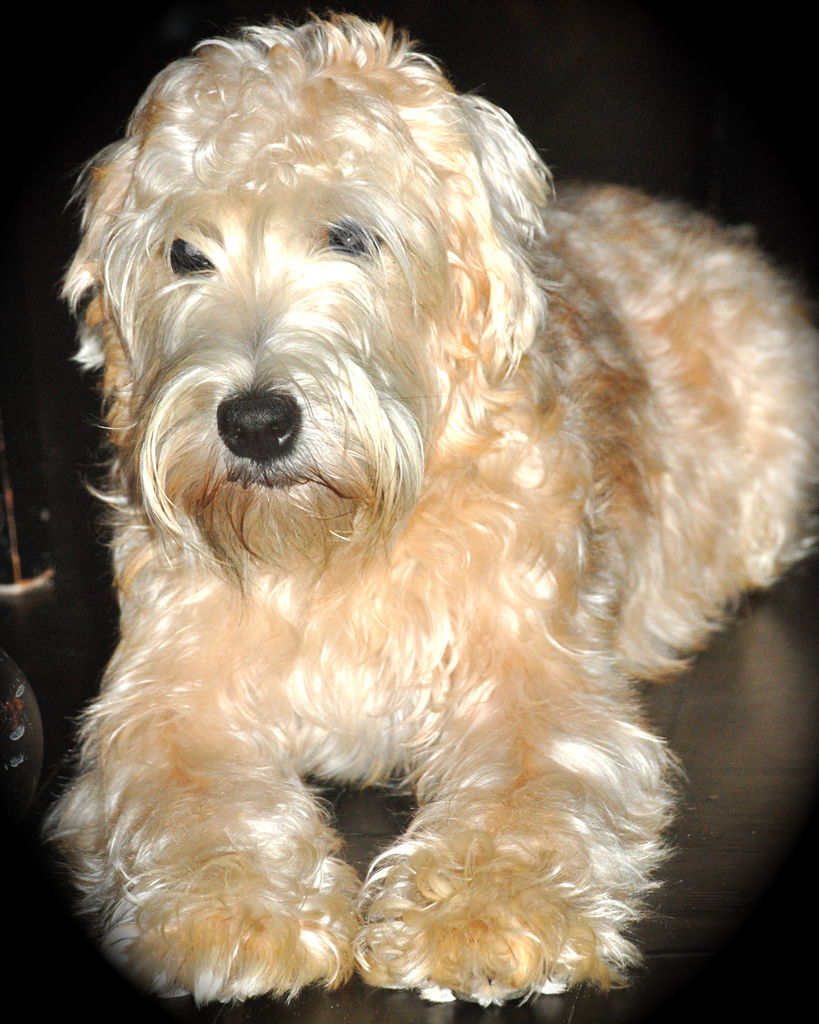
The Soft-coated Wheaten Terrier

The Soft-coated Wheaten Terrier

Kathleen Crisley, specialist in dog massage, rehabilitation and nutrition/food therapy, The Balanced Dog, Christchurch, New Zealand

Periodontal disease in dogs

According to the American Veterinary Dental Society, more than 80 percent of dogs over the age of three develop periodontal disease.  I’ve previously blogged about gum disease in Dog breath is no laughing matter and Managing dental health.

Did you know that while any dog can develop gum and dental problems, periodontal disease is most commonly seen in toy dog breeds?  That’s because they have the same number of teeth as larger dogs but their mouths are smaller and so there’s less room between teeth…

Here’s a photo of one toy breed, the Chihuahua.  Willow is owned by George L. Verge.

Our Chihuahua – Willow

Investigating the NZ Greyhound racing industry

Greyhound

The Greyhound Protection League in New Zealand claims that there are over 10,000 greyhounds unaccounted for in the country at present, with a further one thousand unaccounted for annually.   You can sign a petition that requests that the relevant Ministers use their statutory powers to conduct an independent investigation into New Zealand’s greyhound racing industry, and that this information be made publicly available.

By signing this petition, you ask for an independent investigation that makes public:

  • The number of greyhounds bred and imported annually for the racing industry
  • The number of greyhounds retired annually through the Greyhounds as Pets scheme, other agencies or privately*
  • The number of injuries which occur annually in all racing-related activities (such as training, trialing, and competing)
  • The number of greyhounds euthanased annually due to race-related injuries
  • The number of greyhounds euthanased annually for other reasons (and what these reasons are).

*Private rehoming can typically fall into two categories: household pets or breeding stock for pig hunting. As the welfare implications of greyhounds as pig hunting stock may be significantly different than those of a household pet, it would be prudent to define whether a “private adoption” is for the purpose of hunting stock or pet.

Interested?  SIGN HERE.

Vino Fido – the world of wine and dogs

Dogs feature in a range of wines and vineyards across the world.  As we are starting off a new year, I’m toasting the innovative ways wine makers have chosen to feature dogs.

I’ve been interested in wine labels portraying dogs since 2007, when I launched Canine Catering.  The launch was combined with a birthday party for Daisy and I bought some red wine from the local supermarket called ‘Dog Box Red.’  It had a cute picture of a dog on the label and was very appropriate to the occasion.  It was also a good bottle of wine.  Sadly,  I’ve never seen this wine again in the shops.  It was probably one of those short runs of wine we get here that are remainders from export shipments.  In fact, I can’t even find the wine on the internet – so it was probably a one-off.

Anyway, at the party we had a friend who asked for bottle of the wine to add to her ‘dog wine’ collection.  Since then, I’ve managed to buy her several other brands of wine to add to it.  I still get looks when I walk into wine shops and ask ‘Do you have any wines with dogs on the label?’ 

Since New Zealand is known for its wine exports, I’ll start here and then look abroad for wines with dogs.

First, there’s Huntaway Reserve.  This wine launched in 1996 and features varieties from the Marlborough, Gisborne and Hawkes Bay regions.

Huntaway is produced by the Lion Nathan Group

Huntaway is produced by the Lion Nathan Group

Hunters Wines from Marlborough feature a crest that has the image of a dog on the label.  According to the company website, the crest is that of the Hunter clan of Scotland, however some visitors to the vineyard associated the logo with Commodore, a St Bernard and then a Clumber Spaniel named Paddy who were owned by the Hunter family.  Here’s a photo of the Hunter crest:

Hunters logo

Then, there is the Dog Point Vineyard in Marlborough.  There’s no dog on the label but the website tells the story behind the name – that Dog Point is an area named by the pioneer shepherds in the area because of the dogs who became lost or wandered off there:

The name Dog Point dates back to the earliest European settlement of Marlborough and the introduction of sheep to the district.  These were the days where, due to a lack of fences, boundary riders used boundary keeping dogs to protect the local flocks of sheep.

Shepherds’ dogs sometimes became lost or wandered off, eventually breeding to form a marauding pack that attacked the same flocks they were meant to be protecting.

Eventually settlers were forced to cull the dogs and the area was named Dog Point.

These dogs lived on the tussock and scrub covered southern hills of Dog Point Vineyards.  This landscape was, and still is, characterised by the iconic New Zealand native plant the  Ti Kouka ‘cabbage’ tree which is also an established feature of the Dog Point property.

In Central Otago, there is the wine produced by Roger Donaldson called Sleeping Dogs.  Mr Donaldson directed a movie with this title and named his wine after it.  He produces Chardonnay, Pinot Noir, Pinot Gris  and  Sauvignon Blanc under this brand.
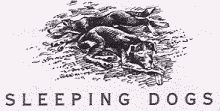
The Sleeping Dogs label

The Sleeping Dogs label

__________________________________________________________

Okay, leaving New Zealand, there’s Longue-Dog produced in Languedoc in the South of France.  This is a wine I’ve been able to buy here and add to my friend’s collection.  It features a Dachshund on the label.
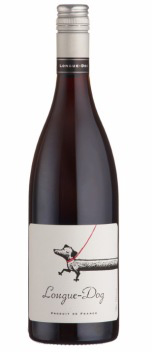
A bottle of Longue-Dog Syrah

A bottle of Longue-Dog Syrah

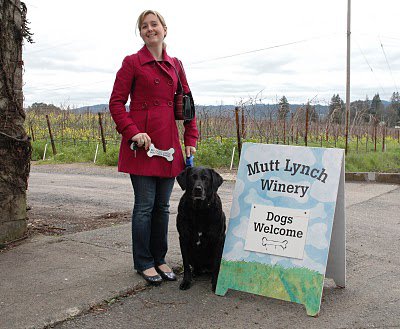
Let’s head to Healdsburg, California to the Mutt Lynch Winery next.  I’d really like to go there because the tasting room is dog-friendly!
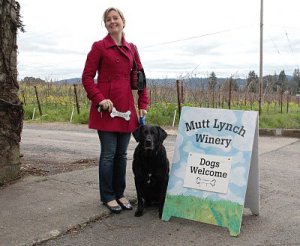
Dogs are welcome at the Mutt Lynch Winery

Dogs are welcome at the Mutt Lynch Winery

The vineyard donates a portion of proceeds from every bottle of wine they sell to local animal shelters and rescue groups.  This vineyard produces a wide range of wines all with a unique doggy label.  Here’s just a few:

Mutt Lynch wines

I can understand why Mutt Lynch’s website says Welcome to a wonderful world where wine and “all things dog” collide into something truly special.

Okay, next on my list is Cru Vin Dogs. This company is based in Colorado and is another socially-responsible business.  It also produces wines with a unique dog on every label.   Each label features an original, limited -edition illustration by artist Jay P. Snellgrove, who is one of the partners in the business  According to the company,  each label honors a real dog that has a special story-a reminder of how empty this world would be without the unconditional love and devotion of “man’s best friend.”

Here’s an example of some of Cru Vin’s wines:
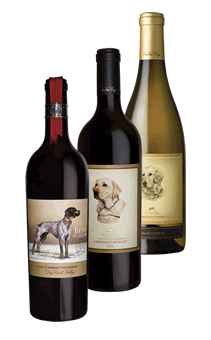
Cru Vin wines

Our next stop is Washington State, the home of Sleeping Dog Wines.  Because the owner always had a dog companion on his life’s journey, he decided to pay tribute to them by featuring a sleeping dog on the label (unfortunately, I couldn’t source a photo of it to show you).

In Paso Robles California is Écluse, a small family owned vineyard.  One part of their range is Blind Dog Wines, where proceeds are donated to Dogs for the Deaf. This vineyard is home to two blind dogs and they have produced this range of wines to commemorate their role in establishing and maintaining the vineyard.  I would have loved to share a photo of their wines, but one wasn’t available.

In the Willamette Valley of Salem, Oregon, Dog Gone Wine is also selling wine that benefits a dog organisation in their area.  (I wish their website would tell us which ones they support!)  But I like the names of their wines.  There’s Poodle Pinot, Basset Hound Blackberry Wine, Pug Bear Wine, and Pomeranian Pomegranate Wine.   All have really adorable labels:
This is Basset Hound Blackberry Wine by Dog Gone Wine.

This is Basset Hound Blackberry Wine by Dog Gone Wine.

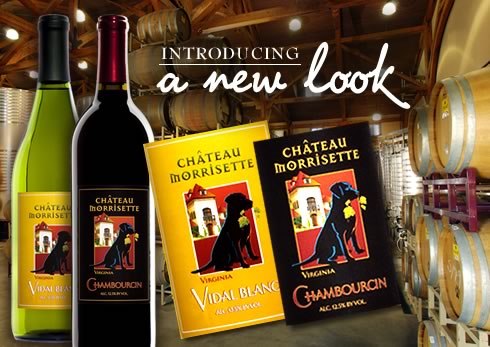
We’re going to the East Coast of the USA next to Floyd, Virginia which is home of Chateau Morrisette. Their wines also feature dogs on the label but I wish their website would tell us the connection!
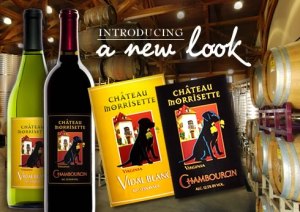
Chateau Morrisette wines

Chateau Morrisette wines

So when you are next in your local wine shop, look for dog labelled wine and let me know if there are others out there to try.  And remember:  wine is for humans not for dogs!

Christmas skijor anyone?

For those in the northern hemisphere, Christmas is a winter holiday and why not enjoy it with your dog?  Skijoring is a winter sport where a cross-country skier is drawn across the snow pulled by their dog.  In some cases, skiers will skijor with more than one dog.  In Norwegian, the term literally means ‘ski driving.’

Breeds like Huskies, Malamutes and Samoyeds are obvious choices for this sport, where the owner and dog get their exercise together.  However Pointers and Pointer crosses are also good sled dogs (Daisy likes that idea – although at her advanced age she will be a spectator only).

Skiing with dogs 2 Skiing with dogs 3 Skiing with dogs

In this sport, the cross-country skier provides power with skis and poles, and the dog adds additional power by running and pulling. The skier wears a skijoring harness, the dog wears a sled dog harness, and the two are connected by a length of rope. There are specialist suppliers of skijor equipment to get you started.

Of course, careful winter paw care is needed and some dogs may be fitted with protective footwear for the sport.

Christmas skijor anyone?

What’s the diff, Cliff?

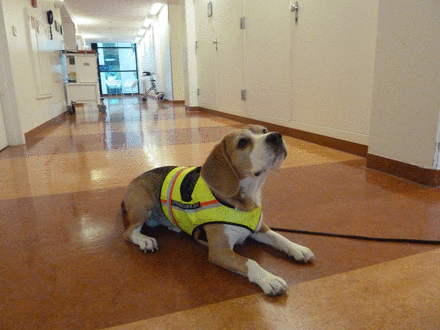
Cliff, a Beagle, is a specially trained detector dog working in two Dutch teaching hospitals.  He’s been the centre of a major study into detection of Clostridium difficile (‘C diff’ for those who are professionals in the field), an infectious bacteria that can run rampant through hospitals, rest homes and other healthcare facilities.

Detector dog on hospital ward

Symptoms range from mild diarrhoea to more severe conditions like colitis. The bacterium can be transmitted through either personal contact or the environment and the testing for the bacteria is time consuming.

The research involved 300 patients, 30 which had C diff infection.  Cliff was guided along the wards by his trainer and the trainer had no idea if the person was infected or not.  Cliff was trained to sit or lie down when C diff was detected.

The Results?  Cliff was an expert at identifying infections of C diff – with around 90% accuracy –  regardless of whether he was sniffing out stool samples or identifying infected patients in the hospital.  Cliff is only one dog, but with these results, the concept of using dogs to identify C diff infections has been proved.

This comprehensive video explains Cliff’s training and the research:

Source:  British Medical Journal

The world’s tallest dog

His name is Zeus and he’s a three-year old Great Dane.    Living in Michigan, Zeus is 44 inches (1.1 m)  tall and 155 pounds (70 kg).  He’s a very big dog but he’s fit and trim for his size which is great to see since we are seeing more cases of obesity in dogs.

Here’s a brief video of Zeus at home: