Over the world, dog owners are finding ways to cut costs in the face of high inflation.
Many who feed commercial foods (commonly referred to as kibble), will look to buying the largest size bag of food possible because typically the price per pound/kg is best when you buy a large bag.
When using kibble, you need to understand the process of oxidation. Oxidation happens as soon as you open the bag and expose the food to air and that process continues until your dog eats the food.
Oxidation happens to human food, too, by the way.
Oxidation degrades the nutrients in the food and chemically changes the fats in a process known as “going rancid.”
It’s tempting to want to empty the bag into a more convenient container and often this container will be plastic. The problem is that most containers that can hold a large bag of dog food are not food-grade plastic.
Food-grade plastics are designed to come into contact with food, to have a strong seal, and to avoid leaching of chemicals into food. Food grade plastics don’t have dyes or other additives and they often are not made from 100% recycled plastic because there is no guarantee on the quality of materials in the supply chain.
Bags for commercial dog food are produced to help protect against oxidation; it’s actually better to seal the bag as soon as you take out what you need and to keep the bag in a cool, dry and dark place rather than emptying it into another container. If a container is needed, I prefer metal to plastic because it won’t leach nasties into the food and can be washed and dried at high temperature in the dishwasher. I only transfer enough food to last between 5 and 7 days.
Regular washing of containers to remove residual fats and crumbs is essential and something that dog owners are notoriously bad at doing. It’s just too easy to refill a container without washing it.
I’m old enough to remember when dog food companies produced larger metal tins for dog food as part of their brand promotions; I still own one from Iams/Eukanuba that is over 20 years old and that’s the container I use for temporary food storage. It fits in the dishwasher and I’m confident that it is being cleaned and sterilised in the dishwasher.
Sadly, even the pet food companies have jumped on the plastic bandwagon in more recent years and now only produce plastic containers when/if they have a promotion. I’m not sure if these containers are food grade plastic, either.
There are many opinions about how much food you should buy at any given time. A good rule of thumb is 4-6 week’s worth. Of course, if your dog is small, then a 20 kg bag of food is going to last way longer than this – so that’s a good indication that the large bag is not right for you.
Sox easily goes through his 12 kg bag of gastrointestinal food in less than six weeks; so I’m comfortable with my decision to buy the bag.
In summary, when feeding kibble:
buy only 4-6 week’s worth at a time
keep the bag sealed after every use
store the bag in a cool, dry and dark place
if a container is convenient for you, transfer only a few days worth of food into the container, preferably metal
if you can’t find metal ensure you are using a food-grade plastic container
thoroughly wash and dry your container each time you empty it
Kathleen Crisley, Fear-Free certified professional and specialist in dog massage, rehabilitation and canine fitness, The Balanced Dog, Christchurch, New Zealand
Scientists have made significant strides in addressing a common yet concerning issue: overweight pets. This research unveils the potential of specific probiotics to combat obesity in dogs.
Dr. Kim’s team, with a focus on metabolic diseases in companion animals, embarked on a mission to identify probiotics that could offer a safe, long-term treatment for dog obesity.
“The initial challenge involved selecting specific metabolic diseases for examination, leading us to focus on the prevalent issue of ‘obesity in pets,’” Dr. Kim explained.
The global trend of pet obesity is alarming, with about 50% of the pet population across various age groups being affected, particularly older pets.
Many of these pets are already receiving treatments, including dietary interventions. Dr. Kim and his team set out with a clear objective: to find probiotics that could effectively reduce body fat percentage in pets.
Tackling dog obesity with probiotics
Dr. Kim’s vision goes beyond just addressing specific health issues. He advocates for a broader recognition of the therapeutic potential of probiotics across a spectrum of diseases affecting companion animals.
“By promoting this awareness, my aspiration is to catalyze increased attention, funding and collaborative efforts in the scientific community to explore the expansive landscape of probiotic applications in pet health,” Dr. Kim stated.
To pinpoint the right probiotic candidates, the research delved into the variations in intestinal microbiota between younger and older dogs.
This investigation highlighted a decline in certain beneficial bacteria, such as lactic acid bacteria, Bifidobacterium species, and Enterococcus species in older dogs.
These findings guided the researchers in selecting specific strains for their experiment.
Two probiotics helped dogs lose weight
The study then progressed to its experimental phase, where two selected strains, Enterococcus faecium IDCC 2102 and Bifidobacterium lactis IDCC 4301, were administered to a group of beagles on a high-fat diet.
The results were striking. “The strains we carefully selected demonstrated remarkable success in reducing the body fat percentage in dogs,” said Kim.
These probiotics effectively reduced body weight, cut down subcutaneous fat, and boosted energy metabolism even on a high-calorie diet, shifting the body’s focus from fat storage to fat consumption.
“What set these strains apart was their ability to not only limit dietary intake or enhance excretion to reduce body weight but, more importantly, activate energy metabolism. Even when exposed to a high-calorie diet, we observed a decrease in body weight, alleviation of subcutaneous fat accumulation and an increase in energy metabolism. This confirmed a shift in the body’s metabolic orientation toward fat consumption, rather than fat accumulation,” Kim explained.
Significantly, this study also highlighted the strains’ impact on systemic inflammation and hormone metabolism.
Long-term benefits of probiotics for dogs
The dogs that received these probiotics showed reduced inflammation and improved metabolic activities, like insulin production.
The strains also increased beneficial commensal bacteria, enhancing the body’s defense mechanisms and immunity.
Dr. Kim emphasized the lasting impact of these changes, indicating sustained benefits for pets incorporating these probiotics into their health regimen. This enduring effect is pivotal in managing long-term health in pets.
With the rise in pet ownership, there’s a growing interest in health functional foods for pets, especially probiotics.
However, research in this area, particularly tailored probiotics for companion animals, lags far behind human studies.
“While types of probiotics suitable for human consumption or commercial livestock have been identified and established, the absence of standardized guidelines for companion animals is a glaring gap,” said Dr. Kim.
“Our study aimed to address this deficiency by striving to broaden the spectrum of probiotics applicable to pets across various environments.”
Promising future of pet probiotics
In summary, this important study led by Dr. Younghoon Kim marks a significant milestone in the fight against pet obesity, unveiling the remarkable potential of specific probiotics to combat this widespread issue.
By meticulously selecting and testing strains, the research team demonstrated their effectiveness in reducing body fat and enhancing metabolism in dogs, while highlighting the long-term health benefits these probiotics offer.
This research paves the way for more tailored health solutions in pet care, encouraging further exploration and development in this vital field.
It stands as a beacon of hope for pet owners worldwide, offering a new, sustainable approach to managing the health and well-being of their beloved companions.
In the realm of health and wellness, probiotics have emerged as unsung heroes, revolutionizing our understanding of gut health and beyond.
As discussed above, these live microorganisms, often referred to as “good” or “friendly” bacteria, play a critical role in maintaining a balanced intestinal microbiome, which is crucial for overall health.
Balancing the gut
Probiotics primarily work by enhancing the gut flora, which is a complex community of microorganisms living in our digestive tracts.
This boost in beneficial bacteria aids in various digestive processes and fortifies the body’s defense mechanisms against harmful pathogens.
Regular consumption of probiotics has been linked to improved digestion, enhanced immune function, and even a reduction in the risk of certain chronic diseases.
Treating digestive disorders
One of the most significant benefits of probiotics is their ability to treat and prevent gastrointestinal issues, such as irritable bowel syndrome (IBS), inflammatory bowel disease (IBD), and antibiotic-related diarrhea.
By restoring the balance of good bacteria in the gut, which can be disrupted by factors like antibiotics or poor diet, probiotics alleviate these digestive disorders.
Furthermore, emerging research suggests that probiotics may have a broader impact on our health than previously thought.
Studies indicate potential benefits in areas such as mental health, where probiotics are believed to play a role in mood regulation and reducing symptoms of depression and anxiety.
This connection, often referred to as the gut-brain axis, opens new avenues for mental health treatments.
Benefits of probiotics on humans and dogs
Probiotics also show promise in enhancing heart health by lowering LDL (bad) cholesterol levels and blood pressure.
This cardioprotective effect is another feather in the cap of these microscopic powerhouses.
Incorporating probiotics into one’s diet is relatively straightforward. They are found naturally in fermented foods such as yogurt, sauerkraut, kefir, and kimchi.
For those who prefer supplements, a wide range of probiotic capsules and powders are available on the market.
In summary, probiotics are a key component of a holistic approach to health, both for humans and dogs alike. Their wide-ranging benefits, from improving gut health to potentially boosting mental well-being, make them a valuable ally in our quest for a healthier life.
As research continues to uncover their myriad benefits, probiotics are set to play an even more prominent role in our daily health regimen.
However, some dogs bought during the coronavirus pandemic have high levels of problem behaviours, a new study from the Royal Veterinary College (RVC) suggests.
Just over 1,000 UK owners who bought their dogs during the first nine months of the pandemic responded to an online survey as part of the research. They were asked to identify problem behaviours they saw in their young dogs from a list of 24.
This included behaviours like jumping up, clinginess, aggression towards other dogs and fear around people and loud noises.
On average, owners said their dogs had five of the listed problem behaviours, while one in five said they had eight or more.
The three most common were pulling on the lead (67%), jumping up at people (57%) and not coming back when called (52%).
The study also estimates that almost a third of dogs had something called separation anxiety at 21 months. This is when dogs struggle to be away from their owners.
When asked about how they trained their dogs during the first 21 months of their lives, 96% of the owners who took part in the survey said they verbally praised their dogs.
However, 80% also reported using one or more punishment methods to get their dogs under control, like physically moving or pushing them, shouting at them, and yanking on their lead if they pulled. Vets say behaviours like this can increase fear and anxiety in pups.
Why is this a big deal?
Dr Rowena Packer, who is the lead author of the new RVC study, warned owners struggling with problem behaviour – combined with the current cost of living crisis – could lead to them “reaching the end of their tether” and giving up their dogs.
She said that in addition to the problematic behaviour recorded, some new owners struggled to know what was normal for dogs and what could be making behaviours worse through the use of “punishment-based training techniques.”
Dr Packer said that although these kinds of behaviours could be frustrating for owners, “they are often a sign a dog is struggling to cope or that they haven’t been taught an appropriate response in a situation, rather than dogs intentionally behaving ‘badly'”.
Robert Bays, who is the senior animal behaviour manager at the rescue charity Battersea, says proper support is needed to make sure lockdown dogs, many of which face unique challenges compared to other dogs, and their owners are given the help they require.
“At Battersea, we have seen a significant increase in the number of dogs coming to our centres with certain behavioural issues, such as separation anxiety, which can often be linked to the pandemic and the training challenges this unusual time presented.
“Without the right kind of positive training and support, a small behaviour problem in a puppy or dog can quickly escalate into a serious issue.”
New Zealand is in the heart of its summer season with record-breaking temperatures in many regions. Not surprisingly, dogs will want to go swimming to cool off.
Each summer, we have warnings about toxic algae and how it can kill your dog. I first wrote about this subject over 10 years ago, in 2013, for NZ Dog World magazine. This post updates the original.
There’s a deadly toxin lurking in many of New Zealand’s rivers and lakes. The savvy dog owner needs to understand it so you can protect your dog.
That toxin is produced naturally by blue-green algae, or cyanobacteria. ‘Blue-green algae have existed on earth for millions of years,’ says Mark Heath, a researcher whose PhD thesis focused on why algal blooms form in rivers. ‘However, it is human-induced changes to the environment that have created the ideal situations for the algae to flourish’.
‘We know that the algae have optimal growing conditions during the summer months, when there has been a stable period of little to no rainfall and warm conditions,’ says Susie Wood, Heath’s supervisor and a researcher at the Cawthron Institute. ‘Nutrients, which are often increased in waterways by land–use intensification, act as the algae’s food source and climate change means longer periods of little rainfall and warm temperatures.’
The algal mats float to the surface and collect on the margins of rivers and in stagnant pools of water. Dogs are attracted to the earthy smell of the algae and they will readily lick or eat it. The algae exude a powerful neurotoxin and only a small amount is enough to cause a dog to become ill and die.
Symptoms may include panting, twitching, convulsions, muscle tremors and lethargy. There is no antidote to the poison and so if you suspect your dog has ingested the toxin, you need to rush to the nearest vet to have its stomach pumped and have activated charcoal administered. Since the toxin is very fast-acting (some dogs die within 30 minutes of ingestion), prevention is the better course of action.
Dog owners need to be able to ‘spot’ the algae, which often is a dark green/brown to black colour as seen in the photo. These mats have a velvety texture and a musky smell. If there has been a period of about two weeks without rainfall (which induces ‘flushing flows’ in rivers), then you should assume that conditions are ideal for the algae. Walking a dog on lead is advised so you can keep a close watch on what your dog takes an interest in. ”If in doubt, keep them out.”
Vets should report a dog death to the regional council but reporting is not mandatory, meaning that many cases are likely to go unreported.
Rivers known for algal blooms include the Hutt River (Wellington region), the Selwyn and Ashley rivers (Canterbury region) and the Tukituki River (Hawke’s Bay). The algae can also form in lakes which act as a sink for nutrient-enriched waters. In lakes, ponds, and lagoons, the algae is likely to be present if the water is cloudy or discoloured or has scums or small globules suspended in the water.
Dog owners should familiarise themselves with their regional council’s website for algal blooms in their area.
Toxic algae is such a prominent issue in Canterbury that the regional council has published an If In Doubt, Keep them Out brochure this year that is available through your veterinarian.
Kathleen Crisley, Fear-Free certified professional and specialist in dog massage, rehabilitation and canine fitness, The Balanced Dog, Christchurch, New Zealand
There has been a rush of enthusiasm to use Beransa in older dogs suffering from arthritic and other pain since it arrived here in NZ. It’s understandable when you hear stories of dogs moving more freely. But, as with any drug, there are pros and cons.
I would also add that just because your dog is more comfortable on Beransa (or any other pain management drug) does not mean that you should be taking them for long hikes in the hills. Why? Because that’s not age appropriate exercise and just because they can’t feel the pain doesn’t mean that they suddenly have young joints. There is still underlying wear and tear…
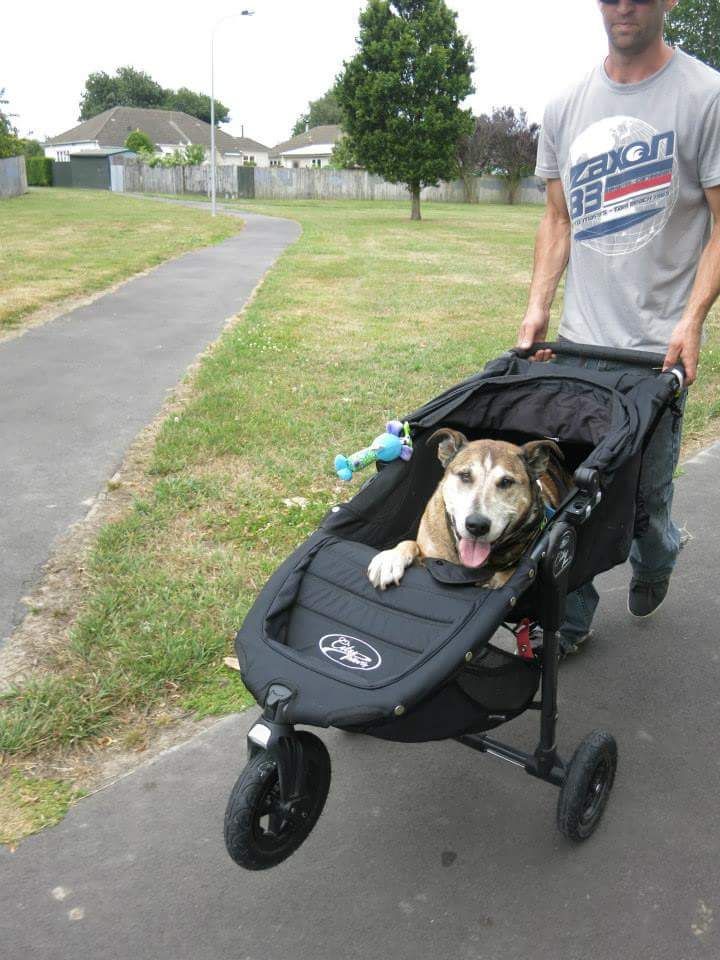
Old boy Kenny rode in a stroller when he was uncomfortable.
In this blog post, I share the blog of Dr Darryl Millis, who is a Diplomate of both the American College of Veterinary Surgeons and the American College of Veterinary Sports Medicine and Rehabilitation, and a Professor of Orthopedic Surgery and Director of the CARES Center for Veterinary Sports Medicine at the University of Tennessee College of Veterinary Medicine. (Dr Millis created the Certified Canine Fitness Trainer qualification which I completed earlier this year).
What about Librela, Anti-Nerve Growth Factor Antibody Treatment?
Osteoarthritis affects approximately 50% of large breed adult dogs. It is therefore necessary to develop effective treatments to alleviate lameness, pain, and mobility disorders. Anti-nerve growth factor antibody treatment is a newly approved drug that has shown promising results.
But how effective is it, and how should it be used? These are critical questions because there is a certain amount of “hype” with any new drug that is purported to be an effective treatment for a difficult and common condition. Further, there is a tendency to use it freely for other conditions that it is not approved for. Is it safe for other conditions? We don’t know yet, but it is important to understand the mechanism of action to predict if there are concerns using it to treat other conditions.
What is Nerve Growth Factor?
Nerve Growth Factor (NGF) is a protein that plays a role in pain transmission, and elevated levels of NGF contribute to pain and inflammation in the joints. NGF also plays a crucial role in promoting the growth, maintenance, and survival of nerve cells (and this gives some clues regarding when NOT to use anti-NGF antibodies – see below). By blocking the action of NGF, anti-NGF antibodies can reduce pain signals from the joints, resulting in pain relief for dogs with arthritis.
What is Anti-Nerve Growth Factor Antibody?
Anti-NGF antibodies are genetically engineered proteins that specifically target and neutralize nerve growth factor. The concept behind anti-NGF antibody treatment is to block the action of nerve growth factor, thereby reducing the pain signals transmitted to the brain. By inhibiting the function of nerve growth factor, anti-NGF antibodies effectively alleviate arthritis symptoms in dogs. But how exactly do these antibodies work?
When administered by injection, anti-NGF antibodies bind to nerve growth factor molecules in the body, preventing them from binding to nerve cells and transmitting pain signals. By interrupting this process, anti-NGF antibodies offer a targeted approach to pain management in arthritic dogs.
Research studies have shown promising results regarding anti-NGF antibodies in treating arthritis in dogs. Treated dogs have shown some improvement in mobility and reduced pain.
What is Anti-Nerve Growth Factor Antibody Used for, and What is it Not Used For?
It’s important to note that anti-NGF antibody therapy should only be administered under the supervision of a veterinarian. Each dog’s condition and response to treatment may vary, which is why a professional assessment is crucial. Remember it is ONLY APPROVED FOR OSTEOARTHRITIS. It has not been approved for immune-mediated arthritis, such as Rheumatoid arthritis, or post-operative pain. Your veterinarian should evaluate factors such as your dog’s age, breed, medical history, and any pre-existing health conditions that could affect the treatment’s efficacy or safety. It should only be administered to dogs with confirmed osteoarthritis (radiographs and clinical diagnosis). A neurological evaluation should also be performed because the use of anti-NGF antibodies in dogs with spinal cord or nerve conditions may worsen the condition. It’s essential to discuss the potential benefits and risks associated with this treatment option with your veterinarian to make an informed decision for your pet.
Are There Any Side Effects or Precautions?
As with all drugs, there are potential side effects and limitations of anti-NGF antibody therapy. Common side effects may include allergic reactions (including anaphylactic shock – your dog should stay in the clinic for at least 20 minutes after the injection), injection-site reactions, and increased blood urea nitrogen (BUN – associated with kidney function). Severe adverse effects may be possible when it is administered inappropriately, which emphasizes the importance of close monitoring and regular check-ups during the treatment period. Until further studies are available, in my opinion, it should not be used in dogs with neurologic conditions or in dogs with unstable joints. It goes to reason that if a dog has a neurologic condition, such as degenerative myelopathy or intervertebral disk herniation, that NGF should NOT be inhibited. When there is damage to the spinal cord, you want nerve growth factor to help with healing the spinal cord and nerves. In addition to pain receptors in the joint, there are also nerves that sense changes in joint position. If there is joint instability, such as a cranial cruciate ligament rupture, joint position awareness or joint proprioception is important to allow correction of abnormal joint positions by muscle contraction to help protect the joint. Anti-NGF antibody may inhibit the function of these nerves, resulting in “sloppy motion” and cause arthritis to progress much faster. Experimentally, inhibition of joint position awareness may drastically increase the amount of arthritis that develops in an unstable joint. In fact, this may explain why this drug has not been approved in people, because some individuals receiving treatment develop rapidly progressive osteoarthritis. Moreover, as anti-nerve growth factor antibody treatment is a relatively new approach, long-term effects and safety concerns are still being studied. It is crucial to stay informed about the latest research and maintain open communication with your veterinarian regarding your dog’s response to the treatment.
How Well Does It Work?
It is important to note that the response to this treatment can vary among dogs. Some may experience significant relief, others may have a more gradual response, and many dogs may have no response. Patience is key during this process, and it is essential to maintain regular check-ups with your veterinarian to assess the effectiveness of the treatment.
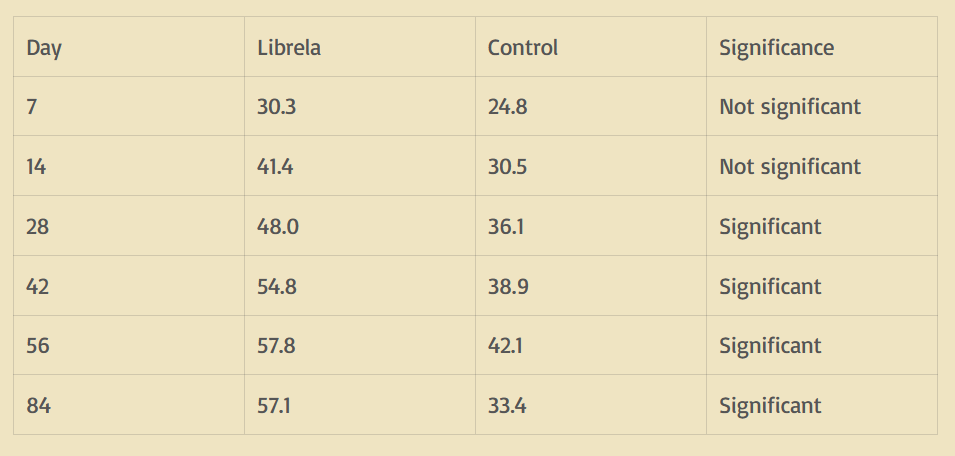
There are several studies that have been published, but we will focus on the study performed in the US that was used for FDA approval because these are monitored very closely and the data are scrutinized by the investigators, the sponsoring company, and independent evaluators. They evaluated 135 dogs in the Librela group and 137 in the placebo group. Dogs were treated on days 0, 28 and 56, and were followed for 84 days. First, realize that there is a high placebo rate in studies of dogs with osteoarthritis. The dogs do not know if they have the active drug or a placebo, so why does this occur? First, osteoarthritis does not have a constant level of clinical signs – the signs wax and wanr. So, depending on what has happened the day before the evaluation, the clinical signs may be improved or worse when the dog is evaluated. Further, many outcome evaluations are subjective in nature (either the owner or veterinarian assesses lameness or pain by their observations), and as such, are prone to inaccurate assessments of pain or lameness severity, and there is a “caregiver effect”, meaning that we want the drug to work and may score the assessment more favorably. Objective outcome evaluations, such as measuring weight bearing with a force platform, are much better and do not “over-interpret” the assessment while giving an actual amount of force being placed on the lame limb. Unfortunately, the studies for approval only used subjective assessments.
The Canine Brief Pain Inventory was used in this study and has been used in other arthritis studies. It relies solely on owner assessment, with the following questions addressed using a 10-point scale.
Pain Severity
Fill in the oval next to the one number that best describes the pain at its worst in the last 7days.
Fill in the oval next to the one number that best describes the pain at its least in the last 7 days.
Fill in the oval next to the one number that best describes the pain at its average in the last 7 days.
Fill in the oval next to the one number that best describes the pain as it is right now.
Pain Interference
Fill in the oval next to the one number that best describes how during the last 7 days pain has interfered with your dog’s:
General Activity
Enjoyment of Life
Ability to Rise to Standing from Lying Down
Ability to Walk
Ability to Run
Ability to Climb Stairs, Curbs, Doorsteps, etc.
Treatment success was defined as a reduction of 1 or greater in the Pain Severity Score and 2 or greater in the Pain Interference Score vs. Day 0. So, in practical terms, an improvement of 1 out of 40 in the Pain Severity Score and 2 out of 60 in the Pain Interference Score. Not exactly earth-shattering improvement. They reported the percentage of dogs in each group that met the treatment success category as the main support of efficacy for FDA approval. The results are shown in the table below.
The results of a similar study done for approval in Europe showed results that were relatively the same, with the Librela group having a 50% success rate and the placebo group having a 24% success rate by day 84.
So what does this mean? If we look at day 28 when the treatment reached statistical significance over the placebo, 48 out of 100 dogs given Librela met the criteria for treatment success, while 36 of 100 dogs given the placebo met the criteria for treatment success. This means that Librela helped 12 more dogs out of 100 achieve mild improvement compared to the placebo. If we look at the day 84 time period (which was the biggest difference), 57/100 dogs given Librela improved, and 33/100 given placebo improved, meaning the drug helped 24/100 dogs.
Bottom Line?
The anti-NGF antibody took at least 1 month to work, and given for at least 3 months, the drug helped roughly half the dogs improve with treatment, while 1/3 of dogs receiving placebo improved using their criteria for treatment success. How does this stack up with other treatments? Other FDA studies that have evaluated nonsteroidal anti-inflammatory drugs (which generally have the most complete data) suggest that approximately 25-50% receiving a placebo show improvement in whatever criteria are being evaluated, while approximately 70-90% of dogs receiving an NSAID show improvement. Also, most dogs receiving an NSAID show improvement by 7 to 14 days after starting treatment. Our studies show approximately 70-75% of dogs receiving extracorporeal shockwave treatment improve, compared to 25% in the placebo group. So overall, it seems a bit difficult to get excited about a drug that helps fewer patients than most other treatments and takes at least a month to show improvement. Now, social media (for whatever that’s worth) suggests some dogs have improvement within 4-5 days. Similarly, some owners report severe side effects within that time frame, many related to weakness, near paralysis, and incontinence, with most of these presumably neurologic in origin. In a discussion with a company representative, they indicated that they were unaware of any neurologic signs after treatment. So there seems to be a disconnect on this issue. Some of the dogs with neurologic side effects may have had an underlying neurologic condition that may have been exacerbated with anti-NGF antibody treatment, emphasizing that dogs should be thoroughly evaluated and only receive treatment for osteoarthritis, and no other conditions that cause pain.
I’m often asked what I would do if it was my dog. Based on the current information regarding possible side effects and treatment effectiveness, I would only use it if my dog was already thin (not overweight), current pain management for osteoarthritis was no longer effective or liver or kidney disease was present rendering them unable to take NSAIDs, and had end stage osteoarthritis. My concerns are that other available treatments may be more effective, treatment of early osteoarthritis may result in reduction of joint position awareness, potentially increasing the progression of osteoarthritis, and there is the possibility of neurologic side effects.
Don’t Forget About Other Treatments for Osteoarthritis
Additionally, providing your dog with a comfortable and supportive environment is crucial. Maintaining a healthy weight for your dog is particularly important because excess weight can aggravate arthritis symptoms. Consider investing in orthopedic bedding or ramps to minimize stress on their joints and allow for easier mobility. Other treatments to provide a comprehensive approach to arthritis management include appropriate pain management, physical rehabilitation, and, when necessary, surgical interventions.
Sue Burgess noticed her dog Rosie developed symptoms when she switched from HRT tablets to a gel
A veterinary clinic has warned of an “alarming spike” in the number of pets coming into contact with hormonal replacement therapy (HRT) medication.
North Downs Specialist Referrals (NDSR) in Bletchingley, Surrey, has diagnosed five dogs with exposure to HRT this year.
Sue Burgess, from Hove, said she was “mystified” when her dog started to show symptoms.
She replaced her oestrogen tablets with a gel in August.
Shortly after, her Jack Russell terrier Rosie appeared to come into season despite being spayed.
Ms Burgess said Rosie started “swelling at her rear end”, male dogs “wouldn’t leave her alone” and she started losing hair, particularly around the teats.
How are dogs exposed to HRT?
“Secondary HRT exposure to animals typically occurs through exposure to gels and creams applied to their owners’ forearms, a recommended site of application”, said Gerry Polton, hospital director at NDSR.
Last year, there was a 35% increase in NHS prescriptions for HRT and The Animal Poison Line, which receives reports nationally, said it had seen an increase in dogs being exposed to the medication.
Head vet Nicola Robinson said the medication had low toxicity and most cases could be treated by simply stopping exposure to the hormones.
If exposed to HRT over a long period, the owner may notice their dog had enlarged breasts and genitals, but these symptoms were rare, she said.
Ginny Ponsford, a GP with a special interest in hormone therapy at The Women’s Hormone Clinic in Hove said she had been warning patients to wait for the medication to dry before coming into contact with children or pets.
“It’s a relatively new phenomenon because of the increased use of hormones through the skin,” she said.
“We’re really singing the praises of these hormones but there are pitfalls we need to be aware of.”
Ms Burgess switched back to tablets instead of gel and said Rosie is now “much better” and “not attracting the boys anymore”.
I have wanted to write this post for some time; but events over the last month have prompted me that I can no longer wait.
We need to talk about qualifications, because they are not all created equal and dog owners need to understand the fundamental difference.
I make a point of emphasizing in my CV and publicity that I have undertaken hands-on (in person) training. When I started in this profession in 2009 with my first qualification in canine therapeutic massage, in person study was the only option. I followed it up with certifications in canine sports and senior canine massage, along with in-person study requiring three trips to Best Friends Animal Society to undertake their courses on dog behavior (with an emphasis on shelter and special needs dogs). I then returned to my massage school for yet more advanced training in caring for canine athletes and trigger point techniques.
In between, I have undertaken professional development through webinars and online courses. So don’t get me wrong – there is a place for online study. Let me explain:
Career training is your foundation; learning skills that you can use to trade both commercially and safely.
Professional development is essential. You gain new skills after entering the workforce and to keep up with the latest information on canine care. Research and development continues to occur; new developments are a good thing for our dogs.
Unfortunately, in my opinion, the profession is being watered down with online-only qualifications which concern me greatly. These are foundation training courses delivered entirely online. The student is never supervised by a qualified tutor when working with (real) dogs.
Working with dogs is a privilege. It comes with the responsibility of understanding a sentient creature who communicates non-verbally but with the cognitive abilities of a 2-year old child.
You can study anatomy through books and online courses, but depending on the size of the dog and its body condition, you also have to know what muscle you are working, understand the feel of the different muscles, and learn the origin, insertions and trigger points and how these enable the dog to move.
For example, here’s a photo from 2009, when our class was using labels on live dogs to identify the locations of the muscles. We’d learned the diagrams on paper, but it was time to put it into practice (and no one got it right the first time)! This large mastiff’s labels were very different from the Pomeranian in class, too.
We’d also practice on stuffed dogs to learn appropriate massage pressures, before working with a live dog:
BONUS: When there are other students with you in a class, you learn from each other! That includes the successes and the failures when you don’t get it quite right.
A video of a student giving a massage to a dog just doesn’t meet the same standard of education and supervision that is achieved in person. Yet, that is exactly what many online qualifications do.
I ask you, would you lay on a massage table with aches and pains if you knew that your massage therapist had only studied online and had never been supervised by a professional? I wouldn’t.
I’ve had two deeply concerning conversations recently. The first was with someone who reached out because she is studying with an on-line qualification only. She was pleasant and wanted advice about why I emphasise hands-on study on my website. She says she cannot afford to study in person which requires travel and associated costs. She fully intends to start trading commercially…
I was approached at an event by a person this weekend who is also doing online study. I explained my concerns about such qualifications and attempted to explain the difference. Her terse reply was, “Well I have to start somewhere…” I worry about the dogs that this person will ”start with.”
“A good education is a foundation for a better future.” – Elizabeth Warren
I’m writing this post to educate both aspiring therapists and potential clients.
Please ask about qualifications before hiring a therapist to work with your dog. The pandemic is over and borders are open around the world. Inability to travel is no longer a suitable justification for attaining an online qualification.
Kathleen Crisley, Fear-Free certified professional, The Balanced Dog, Christchurch, New Zealand. For the purpose of this post, my qualifications earned through hands-on study include CTMT, CSMT, SCMT and, as of this year, CCFT (through the University of Tennessee). I have invested heavily in my training; travel from New Zealand is a necessity and not a luxury.
For the last 20 years, I have always tried to have emergency supplies on hand. First it was because of the ‘millennium bug’ which threatened to shut down utilities and other essential services. Then it was the warnings of New Zealand officials about being ready for earthquakes. I accessed and used many of my supplies during our 2010 and 2011 earthquakes and was pleased to have been prepared.
Since then, I have reviewed my supplies and attempted to keep them re-stocked. A busy life means that I haven’t always been as diligent as I should in doing this (my water purifying tablets expired 3 years ago, for example).
Earlier this year, regions of our North Island were hit by Cyclone Gabrielle and severe flooding. Many people lost their homes. Over the last 10 days, though, I have watched the events in Lahaina, Maui unfold. Climate change has me worried; everyone on this planet is at risk of severe weather events and that includes our pets.
As I write this, there are suggestions that upwards of 3,000 pets on Maui are missing or injured. Many will never be found, which seems to be likely for many human victims, too, because of the heat and destruction of the fires.
The time to prepare is today. Don’t wait.
I have re-vamped my grab bag with an updated pair of glasses, masks, clothes for both Sox and I, a harness (because in the hurry to get him into the car, I may not have time to saddle him up as I usually do), pain medication, an asthma inhaler, a charging cord for my mobile phone, heavy work gloves, and other items.
The bag will be the first thing taken if we have to evacuate in a hurry. The box contains dog treats, batteries, an emergency torch, toilet paper, liquid soap and other hygiene items. I keep a bag of dog food nearby, too, to grab on the way out.
From what has been reported, it seems that many in Lahaina had no idea that they were under threat and that evacuation orders were haphazard. There will be lessons learned from this disaster.
In Canterbury, we get very dry in summer with strong winds. Climate change is supposed to exacerbate this. We live with the ever-present threat of earthquakes. Storms will be more severe in the years to come. Please give some thought to the hazards where you live and plan accordingly.
It’s my hope that I never need these supplies, but it gives me comfort to know that I have them on hand and ready to go if we have to leave our home quickly. I plan to do better at reviewing the supplies; much like the batteries in smoke alarms, they should be reviewed each year when we change clocks to/from daylight savings time.
Kathleen Crisley, Fear-Free certified professional and specialist in dog massage, rehabilitation and canine fitness, The Balanced Dog, Christchurch, New Zealand
“Where we live and who we interact with has a really strong effect on our health and well-being,” said Noah Snyder-Mackler, who is lead author of the study and an associate professor at Arizona State University’s school of life sciences and its center for evolution and medicine. “This link between our social environments and our health extends to many social animals. Animals with stronger social relationships live longer, healthier lives.”
Social companionship helps with healthy aging for dogs, a study says. (Katherine Frey/The Washington Post)
The research, published in Evolution, Medicine & Public Health, surveyed the human parents of more than 21,000 dogs and found that social companionship — with both people and other animals — had the largest influence on healthier aging among dogs. The effect was five times greater than anything else they looked at, such as family finances, household children or the pet parent’s age.
Improving dog and human health
The study is part of the Dog Aging Project, a large community-science research effort started in 2018 and funded by the National Institute on Aging and private donations. It’s led by the University of Washington and Texas A&M schools of medicine and includes more than a dozen institutions, including Arizona State University.
Its goal is to learn how genes, lifestyle and the environment influence aging and disease among dogs. Researchers also hope the insights can help human health.
“Dogs are often considered our closest animal companions and share many aspects of our daily lives,” said Brianah McCoy, an ASU doctoral student and a co-author of the paper. “By studying how the social environment affects dog health, we can gain insights that may also be relevant to human health.”
More than 45,000 dogs overall are enrolled in the aging project. A subset, about 1,000 dogs, are part of a more focused cohort from whom Snyder-Mackler and his collaborators are collecting blood and other biological samples over many years to uncover additional clues.
Having furry friends is linked to better health
The researchers used statistical tools to analyze factors in the dogs’ social environments obtained from surveys completed by dog parents. The questionnaires asked about, among other things, physical activity, environment, dog behavior, diet, medications and preventive medications, health status and owner demographics.
The scientists narrowed their analysis to five key factors — neighborhood stability, total household income, social time with children, social time with animals and owner age — that together might explain how the social environment could affect a dog’s well-being.
They found poorer health among dogs who lived in households with financial difficulties and other stressors, and better health among dogs who experienced more social companionship, such as living with other dogs.
The researchers, however, did not quantify life span, although they plan to do so in the future. “While we can’t say ‘having another dog in the house adds X years to your dog’s life,’ we were able to compare the strengths of the effect of different environmental factors on health,” Snyder-Mackler said.
The researchers cautioned that the results don’t mean that pet parents need to add more dogs to the family or rush their pets to dog parks or doggy day-care.
“We don’t know if the environmental factors we measured caused the health outcomes, so we don’t want to make any strong statements about what owners should or shouldn’t do,” Snyder-Mackler said. “The study just looked at whether you had other animal companions in the house. But it does suggest that having more furry friends is linked to better health outcomes.”
Some dogs may not benefit from social interactions
Scientists not involved in the study pointed out that not all dogs respond similarly.
“Some dogs may find social interactions stressful,” said Clara Wilson, a postdoctoral researcher in the Penn Vet Working Dog Center at the University of Pennsylvania School of Veterinary Medicine, “and it may not be in the dog’s best interests to force these interactions.”
Courtney Sexton, postdoctoral researcher at Virginia-Maryland College of Vet Med — and who contributes other research to the Dog Aging Project — said her dog would rather play with a ball than with other dogs, and it’s the pet parents’ “job to pay attention to the signals dogs give us.”
Surprising findings
Several findings were surprising, the study authors said.
Having children in the household had a negative impact on a dog’s health.
Dogs in wealthier households were diagnosed with more diseases than those in less affluent homes.
Dogs seemed to be healthier when they lived with older humans, and this effect was stronger in younger dogs.
Children may be detrimental to the health of dogs because of resource allocation, the researchers suggested. “It’s not that kids hurt the dogs or directly affect their health,” said Layla Brassington, a doctoral student at Vanderbilt University, who worked on the study as a master’s student at Arizona State University. “The more children or time that owners dedicate to their children likely leads to less time and effort they can dedicate to their furry children.”
The authors theorize that wealthier households have better access to medical care, and pet parents might seek veterinary services more frequently, which leads to identifying more diseases.
The ages of the dogs also affected the findings, with younger dogs seeming to be “more tuned into the age of their owner and how it impacts their well-being,” McCoy said.
Could dogs benefit from a cat companion?
The researchers did not specifically look at the effect of breeds — they did not have enough detail on individual breeds — or exercise, Snyder-Mackler said. (The Dog Aging Project recently released a study that found physical activity is associated with a better cognitive outcome in dogs.) “What we did see was that the strength of the relationship between the environment and health was similar when we looked separately at mixed-breed versus purebred dogs,” he said.
They also acknowledged one study limitation — the sample consisted of mostly high-income dog parents. A more diverse set could help “unravel the true magnitude of certain variables’ influence on canine well-being,” McCoy said. “It is possible that the effects we found in this study would be even stronger if we had a more varied and inclusive population.”
Most of the pets in the multi-animal households were dogs, and the scientists said there was insufficient data to distinguish between the effects of having additional dogs vs. other species.
“It could be that having other pets — even cats — provides health benefits through companionship,” Snyder-Mackler said.
We treat dog walks as a chance to accomplish two (or three) things at once, leading our pooches around the neighborhood while gazing at our phones, chatting with a friend, listening to a podcast or pushing a stroller.
A dog walker checks his phone while guiding dogs on February 21, 2023, at Washington Park in Denver. Photo by: David Zalubowski/AP
The more ambitious among us even incorporate dogs into our exercise regimens, jogging or biking while our pets trot alongside.
It’s understandable. In today’s overscheduled world, this kind of multitasking can feel extra productive. And walking a dog twice a day around the same streets can get boring.
But animal behaviorists say that at best, dog walkers who aren’t paying full attention can confuse or frustrate dogs by giving them conflicting signals. And at worst, they can endanger the dog’s safety — and their own as well.
“It’s kind of like the dog-walking equivalent of distracted driving,” says Leslie Sinn, a board-certified veterinary behaviorist in Ashburn, Virginia. “You’re not paying attention to the signs that your dog is uncomfortable … and if you’re missing all those clues because your head is elsewhere, that’s a problem.”
Dogs can gobble something harmful when you’re not looking
Matt Semrad is an avid reader and devours audiobooks from the library — about one a week. He also spends several hours each day walking his two black doodles, Sirius and Sonny.
So to maximize his reading time, the suburban Atlanta resident listens to books on his dog walks.
“I would be bored just walking the dogs,” he says.
Semrad says he doesn’t worry much about his dogs’ well-being on walks because they’re well-behaved and he watches them closely when they pass other dogs on the street.
Other dog walkers may not be as vigilant. CNN spoke to a handful of animal behaviorists who say they routinely see people walking dogs in their neighborhoods who are on their phones or pushing strollers and appear to be largely ignoring their pets.
This can pose a safety problem for several reasons, dog experts say. Research has shown that only a small percentage of people can multitask effectively. Distracted dog walkers may not notice potential threats: bicyclists, joggers, cars or unleashed dogs, experts say. By the time a person looks up from their phone, their pet could be in an altercation with another dog — or worse.
“You need to be alert at all times,” says Jacob Hollier, founder of Crate Escape, a dog-walking and pet-sitting service based in Atlanta. “If there’s a car out of control or a scooter coming on the sidewalk … at any given moment, it could be dangerous and possibly be fatal.”
Hollier says he requires his employees to stay off their phones while walking dogs — except to snap photos of the dogs to send to their owners.
“I work with an 180-pound Great Dane, and I have to be watching him at all times,” he says. “He’s bigger than me.”
It’s not just the dogs that are at risk. Experts say they have seen distracted dog walkers injure themselves tripping over sidewalks or even their own dogs. One study found that humans’ injuries while dog walking increased more than fourfold from 2001 to 2020.
Also, dogs are notorious for eating stuff that’s bad for them, experts say.
“If you aren’t paying attention, dogs can pick up and eat things QUICKLY — chicken bones, cigarette butts, dead/poisoned rats, etc.,” says Amy L. Pike, a board-certified veterinary behaviorist in Fairfax, Virginia.
“If you didn’t see it, you won’t know to take them into the vet. Or if you do take them in because they are sick, you won’t know what they ingested, which helps your vet treat them.”
Distracted dog walkers can affect pets’ mental health, too
Physical safety is the most urgent concern, but distracted dog walking also can be detrimental to a dog’s behavioral training and even mental health, experts say.
A multitasking dog owner may be missing an opportunity to reinforce basic training — sit, come, stay and other commands — in a practical setting, says animal behaviorist Mary R. Burch, director of the American Kennel Club’s Family Dog program.
Someone buried in their phone also may not notice when their dog becomes agitated or shows signs of fatigue or an injury.
“Your dog ‘speaks’ primarily with their non-verbal body language,” Pike says. “If you aren’t paying enough attention to what they are ‘saying,’ you won’t know how your dog feels.”
Walks are about more than physical exercise for dogs — they offer mental benefits as well, says Valli Parthasarathy, a board-certified veterinary behaviorist at Synergy Veterinary Behavior in Portland, Oregon. Parthasarathy says dogs like structure and consistency on their walks.
If their owner is just marching forward or not paying full attention, the dog could become confused by conflicting signals — for example, being allowed to sniff one bush but jerked away from sniffing another.
Dogs experience much of the world through their nose, and can become frustrated if they’re not allowed some latitude to explore, Parthasarathy says.
“My ideal walk for a dog is one where they have a lot of time to sniff and take in their environment,” she says. “They have their own doggy priorities. Using the nose is their enrichment … it’s like they’re reading the news.”
Parthasarathy says she’s even seen oblivious dog owners yank on the leash while their dog was in the middle of peeing.
A distracted walker also may be missing an opportunity to bond with their dog, says Burch of the American Kennel Club. “Interacting and having fun together forms a bond that can last a lifetime,” she says.
Some dog owners try to multitask during walks without sacrificing their animal’s wellbeing. Teddy Thomas of suburban Atlanta likes to listen to music or audiobooks on his walks with Stella, a tan-colored rescue mix.
“I don’t feel like I look at my phone all that much while I’m walking her,” he says. “I’d say she has most of my attention — maybe not 100% of it, but enough to keep us both safe.”
Parthasarathy says she understands why some people multitask while walking their dogs. Some overworked parents can’t leave their kids behind during dog walks, so they bring the kids along. Other parents don’t have time for separate outings each day.
“Everyone’s trying the best that they can,” she says. “But going for a walk with your dog should be about building that relationship and focusing on what your dog needs. That may be the only time he gets out of the house that day.”
If you have reached the bottom of this article – congratulations and thank you. I had to share it because the reporter has done a good job of seeking commentary from a number of experts and in a range of contexts.
In my practice, I employ a standard intake questionnaire which includes behavioural questions and observations by owners. The more you observe, the better information we have to adjust your dog’s programme and to understand what is going on with your dog in the first place. I often ask owners to record their observations which helps us discern trends.
The dog trainers I work alongside often ask for recorded observations, too.
If you use a dog walker, you can ask them to observe your dog but remember that most walkers undertake group walks and have many dogs to look after. Please take the time to walk with your dog (without multitasking) to enhance your bond and to watch them!
Kathleen Crisley, Fear-Free certified professional and specialist in dog massage, rehabilitation and nutrition/food therapy, The Balanced Dog, Christchurch, New Zealand
















 DoggyMom.com