Category Archives: dog care

The SmartPill: helping to understand canine bloat

Gastric dilatation-volvulus (GDV), or bloat, is one of the leading causes of death in dogs.  Second only to cancer in some breeds, it’s the number one killer of Great Danes. Despite its prevalence, the cause of bloat is unknown.

The American Kennel Club Canine Health Foundation has given a research grant to Laura Nelson, assistant professor at Michigan State University College of Veterinary Medicine to change that.
Great Dane photoWhen a dog gets bloat, gas fills the dog’s stomach, the stomach twists completely around, the gas has no way to escape, and blood and air supply to the stomach are cut off. As the stomach swells, it presses against the abdominal wall and pushes against large blood vessels. Shock is usually the cause of death. The whole progression can happen in a matter of minutes or hours, and surgery is required to save the dog’s life.

It’s generally believed that genetics as well as environmental factors play a role in which dog develops bloat.  “We want to know why some dogs get bloat while others don’t,” says Nelson.

Nelson’s team is investigating the relationship of contractions responsible for the digestion of food (motility) with increased GDV risk, and hopes to define the biochemical and genetic alterations that may be associated with hypomotility—abnormally weak contractions. A new diagnostic tool, SmartPill®, makes possible noninvasive assessment of motility. The SmartPill® is an ingestible capsule with an instrument inside that measures acidity and pressure. The team will measure the time it takes the capsule to pass through the dog’s system and the pressure spikes along the way.

In the short term, the research findings may provide clinicians with data that would allow them to make informed decisions about when to use preventative medications or conduct targeted prophylactic surgery—gastropexy—in at-risk dogs. This procedure surgically attaches the stomach to the abdominal wall in order to prevent twisting. It is an effective procedure that is well tolerated, but, Nelson notes, it is an invasive procedure that may not be necessary in some dogs. There currently is not a good way to determine who to recommend it for.

“With bloat, it happens and you treat it. But it would be so much more satisfying if we really understood why some dogs get bloat, and then be able to make more informed treatment decisions and possibly prevent the disease altogether,” says Nelson.

Source:  Michigan State University media statement

When something isn’t right with your senior dog

Old dog_dementiaWe love them to bits.  And gradually we notice changes that signal they are getting older.  They may no longer hear the doorbell and, thanks to this new deafness, they may sleep very deeply.

But  changes in an old dog need to be considered carefully.  Behavioral changes can often be the signs of other problems, like diabetes, hypothyroidism or hyperthyroidism, dental disease, and cancers.

One thing that I’m learning more about is canine cognitive dysfunction syndrome (CDS).  Veterinarians describe this as a ‘diagnosis of exclusion’ which means they look to diagnose another disease or disorder first before deciding that the dog is suffering from CDS.

When assessing for symptoms and severity of CDS, veterinarians follow the acronym DISHA.  DISHA stands for:

D= Disorientation

I = Interaction changes

S = Sleep/wake cycle changes

H = House soiling

A = Activity level changes

Disorientation can present as changes in spatial awareness, loss of ability to navigate around familiar obstacles, and/or wandering behavior.

Interaction changes can include a decreased interest in social interaction, petting, greetings, or dependent behaviors.

Restlessness or frequent waking during the night, panic or panting (particularly at night), and increased sleep during the daytime are indications of changes to sleep/wake cycles.

House soiling can increase when there is a loss of signal from the brain so your dog doesn’t realise it needs to eliminate; signs of incontinence or fouling indoors when this has never been a problem are symptoms.

Changes in activity can include decreased exploration and response to stimuli, decreased grooming, change in appetite, increased anxiety with signs of restlessness or agitation and/or separation anxiety.

Most vets offer senior wellness checks  for older dogs.  It’s well worth observing your older pet and discussing all changes with your vet before dismissing the changes as simply old age.

Source:  Ohio State University College of Veterinary Medicine

Daisy’s crystals

Daisy hasn’t been her usual self for the last 8 weeks or so and, in consultation with her acupuncture vet and her regular vet, we’ve decided that she is showing signs of dementia.  Things like wandering around at night unable to settle and waking me (Mum) about every two hours….and having trouble negotiating doorways.

I’ve made changes in our healthcare regime which include introducing a new supplement and changing her diet.  The good news is that I have seen some improvement over the last week and I hope it continues.

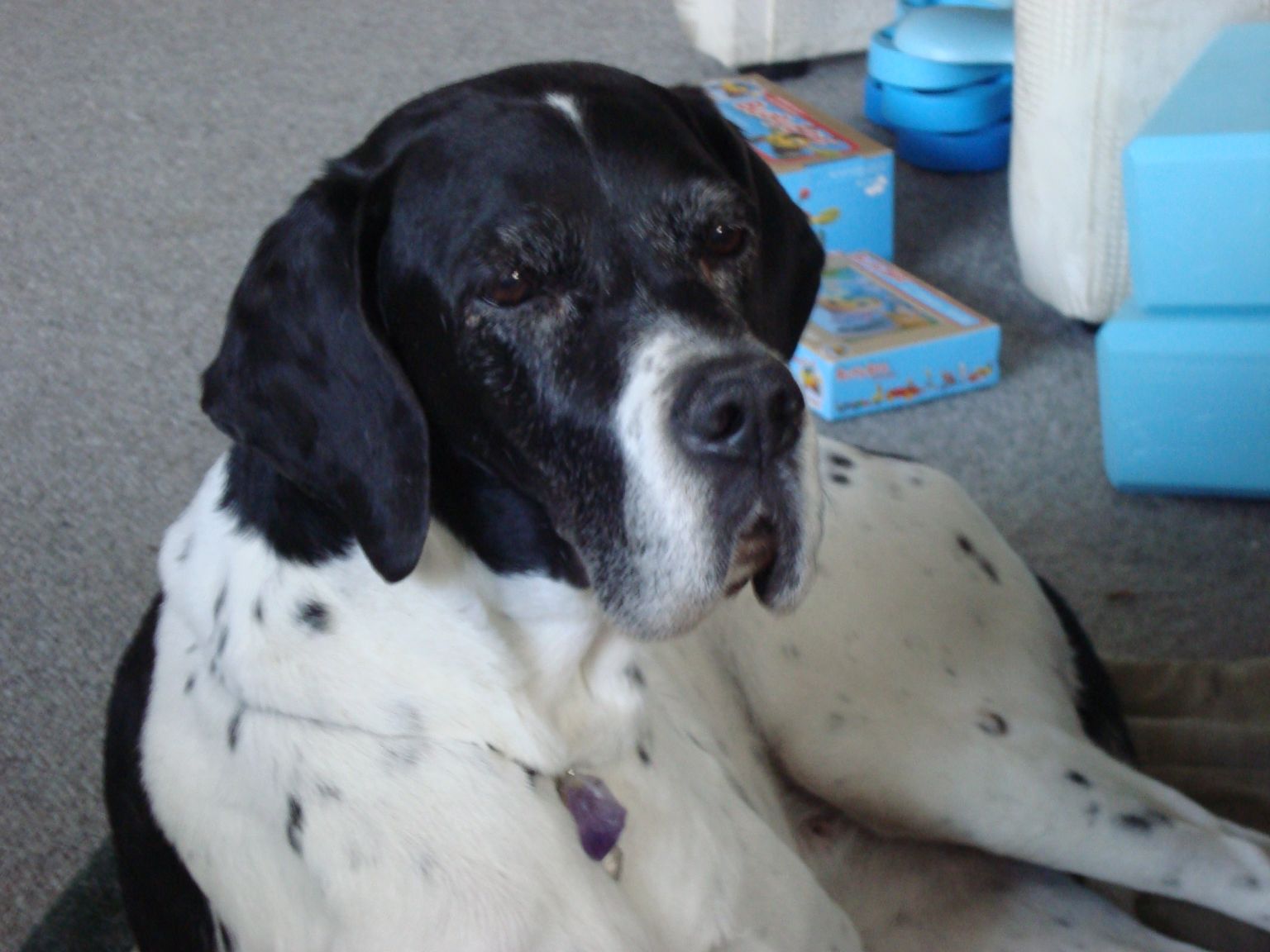
Given that time is precious and every day over age 13 is a blessing, I have also decided to try crystal healing for the first time.  My opinion is that even if it doesn’t do a thing, she looks really cute wearing her crystals around her neck!

I hope you agree.

Have you ever used crystal healing on your dog?

Daisy with crystals

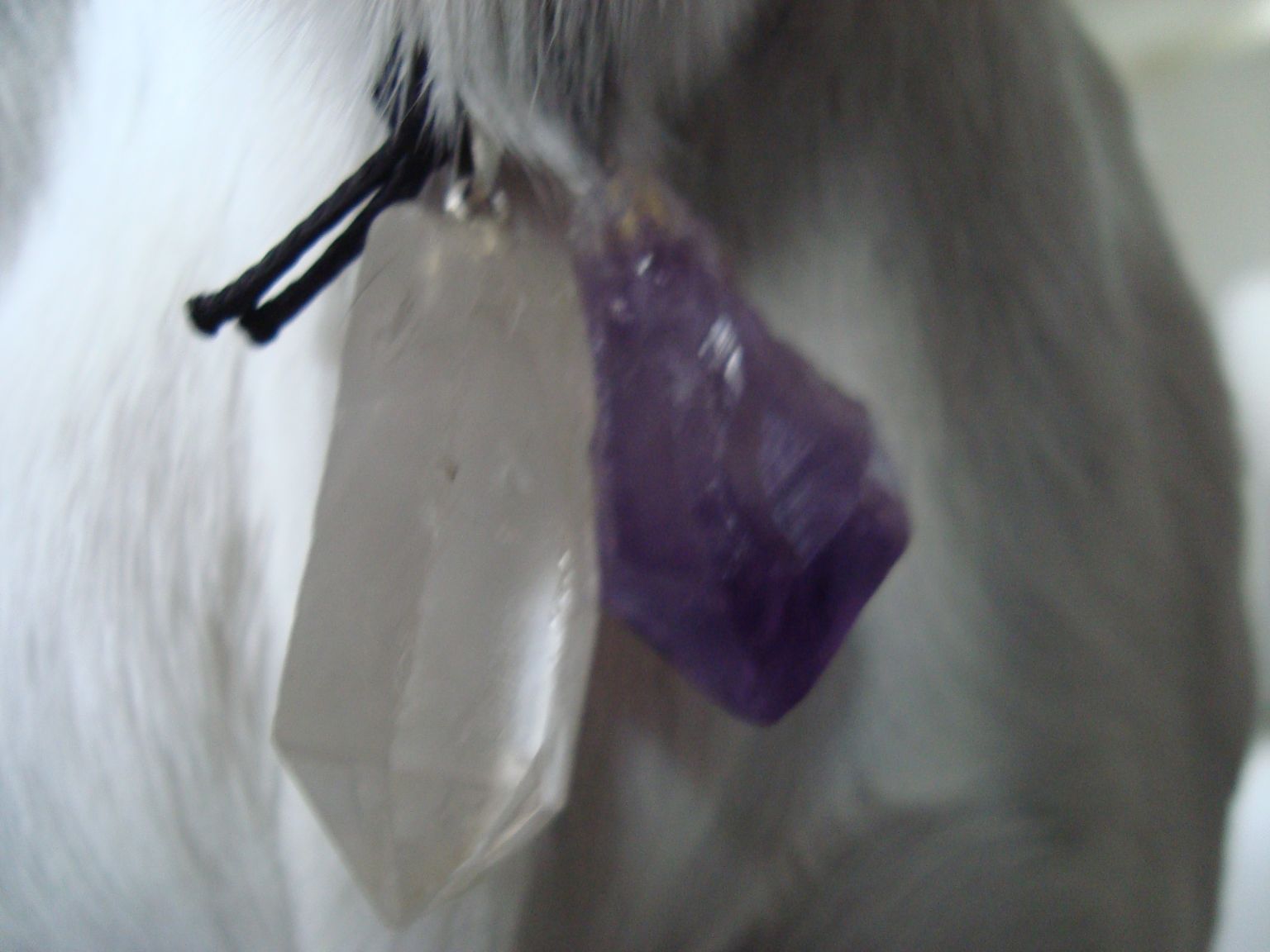
Daisy is wearing an amethyst for clearing negative energy and as an all-around healer.  Her clear quartz is a master healer for all conditions and is meant to strengthen her immune system and offer protection.

Daisy is wearing an amethyst for clearing negative energy and as an all-around healer. Her clear quartz is a master healer for all conditions and is meant to strengthen her immune system and offer protection.

Daisy is very relaxed about having her crystals around her neck.

Daisy is very relaxed about having her crystals around her neck.

Spa weekends

In my opinion, part of owning an older dog means ensuring you devote time to them for bonding, love, attention and care.

Daisy and I are just finishing a Spa Weekend.

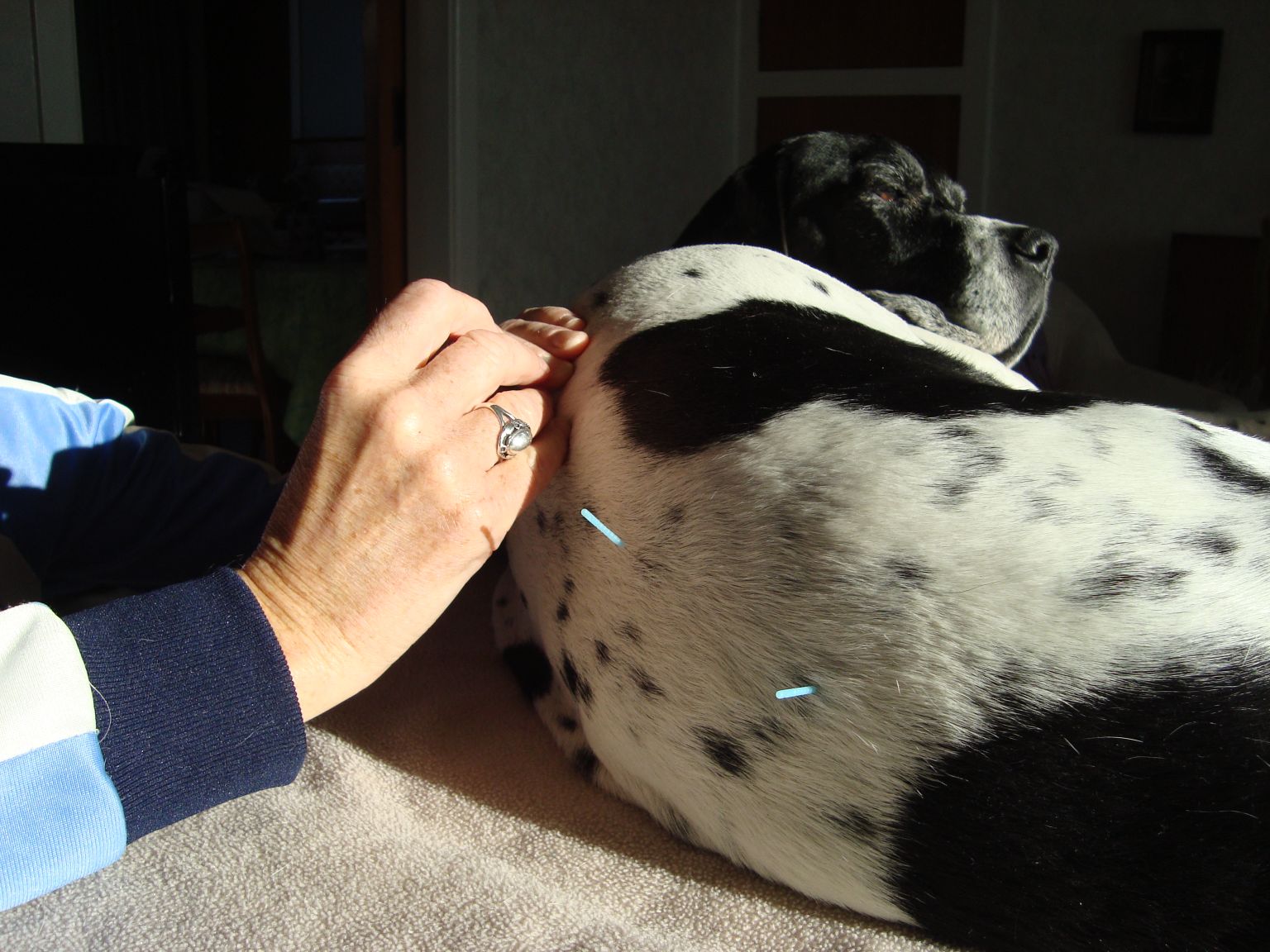
Daisy’s spa weekend started on Friday with a regular acupuncture session.  Daisy gets acupuncture every 5 weeks:

Daisy is happy to lay still while Dr Susanne Anderson places her acupuncture needles

Daisy is happy to lay still while Dr Susanne Anderson places her acupuncture needles

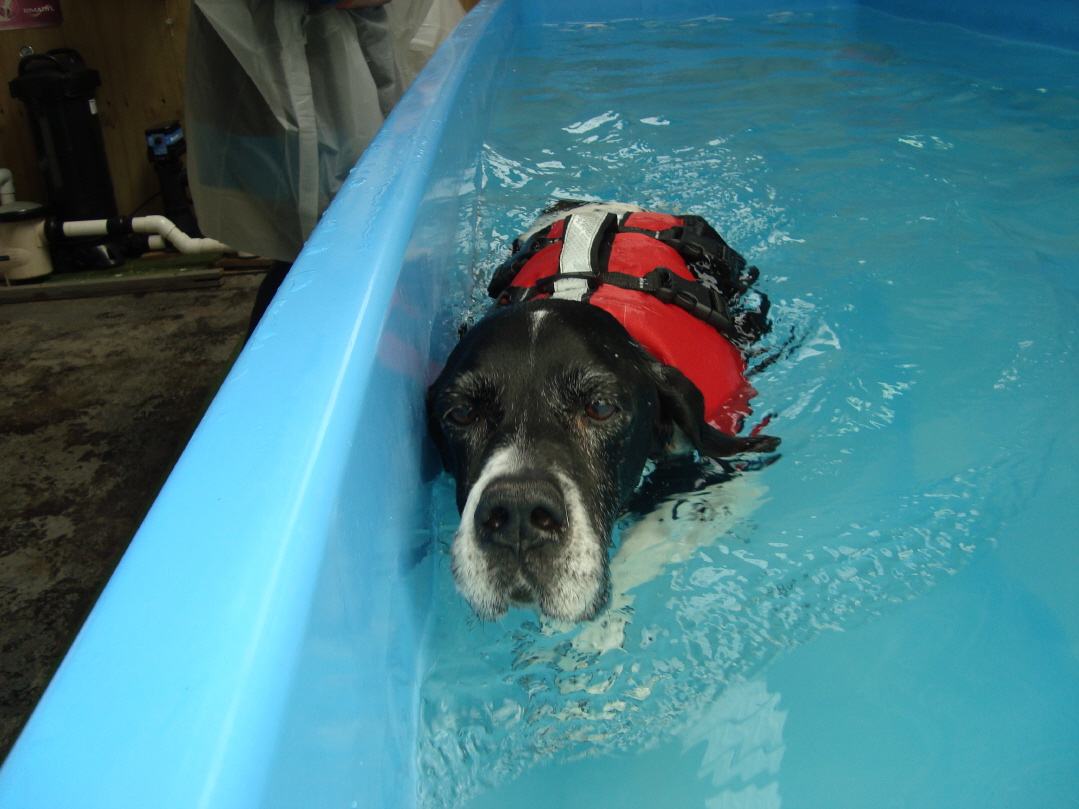
On Saturday, it was then time for Daisy’s hydrotherapy session.  Daisy swims every fortnight (2 weeks) to keep her muscles strong and to keep range of motion in her hind legs:

Swim time

And today (Sunday), it was time for Daisy to enjoy a massage and laser treatment – lovingly delivered by me – her personal massage therapist and DoggyMom:

Massage time

The only thing that was missing from Daisy’s spa weekend was a bath.  But that’s because she had a bath last weekend!

How do you spend quality time with your elderly dog?

Going postal

Postal worker with dog

A mailman meets a boy and a huge dog. ‘Does your dog bite?’ asks the mailman. ‘No,’ replies the boy. And the dog bites the mailman’s leg. ‘You said he doesn’t bite!’ yells the mailman. ‘That’s not my dog,’ replies the boy.

Letter carriers and other delivery personnel regularly face a hazard when delivering to properties with untrained or unrestrained dogs.  Although there are many cartoons and jokes about dogs and postal workers, the issue is no laughing matter.

In the United States last year, nearly 5,900 letter carriers were bitten by dogs.  Letter carriers are encouraged to report homes with dogs that appear menacing and they may choose not to deliver to a property or even a neighbourhood if dogs are running loose.

Ken Snavely, Acting Postmaster of Los Angeles, says, Working with animal behavior experts, the Postal Service has developed tips to avoid dog attacks, and for dog owners, tips for practicing responsible pet ownership.’

These tips include:

How to be a Responsible Dog Owner

  • Obedience training can teach dogs proper behavior and help owners control their dogs in any situation.
  • Dogs can be protective of their territory and may interpret the actions of a letter carrier as a threat. Please take precautions when accepting mail in the presence of your pet.
  • When a letter carrier comes to your home, keep your dog inside, away from the door, in another room or on a leash.
  • Dogs that haven’t been properly socialized, receive little attention or handling, or are left tied up for long periods of time frequently turn into biters.

The US Postal Service also keeps statistics on dog bites, with the City of Los Angeles topping the list of incidents.

Fiscal Year 2012 U.S. Postal Service Dog Attack City Ranking

Ranking City, State Attacks
1 Los Angeles, CA 69
2 San Antonio, TX and Seattle, WA 42
3 Chicago, IL 41
4 San Francisco, CA 38
5 Philadelphia, PA 34
6 Detroit, MI 33
7 St. Louis, MO 32
8 Baltimore, MD and Sacramento, CA 29
9 Houston, TX and Minneapolis, MN 27
10 Cleveland and Dayton, OH 26
11 Buffalo and Brooklyn, NY 24
12 Denver, CO 23
13 Dallas, TX and Tacoma, WA 21
14 Wichita, KS 20

Source:  US Postal Service media statement

Bag balm

bag balm

Bag Balm® is a tried and true product that has been around since 1899.  Originally designed as a salve for irritated cow udders, it is also a great product for your dog.

Bag Balm® contains lanolin and is ideal for irritated and dry noses, healing/softening of paw pads and minor scratches.  For dog walkers with chapped hands in the winter – it’s also great!

In my canine massage practice, I deal with a lot of elderly dogs and when they are not ambulatory, the skin on their paw pads can build up and become rough and cracked.  Bag Balm® works wonders.

I have no concerns in endorsing this product for your dog.   In a pet market that is flooded with products, isn’t it nice to know that something pure and effective has been around for over 100 years?

***This is not a paid endorsement.  I purchased this product for use in my canine massage practice***

Does my dog have arthritis?

Fireplace photo

Arthritis is a common condition in older dogs.  At first, though, owners may not always realise when their dog is suffering.  That’s because dogs tend to hide discomfort and pain from their pack.

Signs that your dog may be suffering from arthritis include:

  • Difficulty sitting or standing
  • Sleeping more
  • Weight gain
  • Reluctance to jump, run, walk or climb stairs
  • Decreased interest in playing or engaging in activities
  • Being less alert
  • Favouring a limb
  • Changes in attitude or behaviour

One day in 2011, Daisy let me know something was wrong.  We were out walking and she slowed down and stopped and the look in her eyes was one of pain.  She had finally let me know that she wasn’t feeling herself.

A series of x-rays confirmed arthritis in her lumbosacral spine and left hip.

Since then, she has responded to rest, conventional treatments, hydrotherapy, and other complementary therapies including my massage and laser treatments.

Quality of life for an arthritis sufferer can be attained – once the owner is aware of the problem!

Doggy pedicures?

It’s important to keep your dog’s nails trimmed to avoid injury to their paws and general irritation.  Some dog owners find that walking on urban/suburban pavements means that the only real concern is the dew claws.  Other owners, such as those on lifestyle blocks and farms, find that their dogs need regular nail clipping.

But beyond that – do our dogs want/need pedicures?

I’m talking decorative colouring of the nails.  Products like this one from Warren London – Pawdicure Pens – which decorate the nails in colours…

Pawdicure pens from Warren London come in a variety of colours

Pawdicure pens from Warren London come in a variety of colours

I love my dog and I love to include her in my daily life and activities.  But would I colour her nails?  Never!!!  I think that is over to the top and exposes her to chemicals she doesn’t need.  Looks like this one don’t excite me:

Dog nail polish photo

What do you think?  Would you polish your dog’s nails in colours and designs?   If so, why?

Image

Senior pets month

Blog paws seniors

The five freedoms

Let’s go back to basics for a moment and think about our role as caregivers for our dogs.  Every animal owner should understand the Five Freedoms which are an internationally recognised code for animal welfare.

Anyone responsible for looking after animals should aim to meet each of these freedoms.

1.  Freedom from hunger and thirst

This means giving your dog adequate food and water to keep them healthy

2.  Freedom from discomfort

All animals deserve adequate shelter and a place to rest

3.  Freedom from pain, injury and disease

Owners should focus on keeping their animals safe from harm and, when they are sick, they should be taken for appropriate care without delay

4. Freedom to behave normally

This is about ensuring there is enough space for an animal to exhibit its normal behaviour including having opportunities to interact with others of its own kind

5.  Freedom from fear and distress

Treatment should ensure that animals are not distressed or fearful, exhibiting good mental health