Category Archives: Dogs

Canine circovirus

Circoviruses are small viruses that survive well in the environment once shed from affected animals.  There’s a canine circovirus that was first detected in the USA in 2012, but there’s still a lot to learn.

Dogs infected with circovirus may show symptoms like vomiting, diarrhea and even death.

“Last year in Ohio and California, some dogs died of diarrhea and they couldn’t figure out the causing agent because those routine diagnostics could not pick up any pathogens that are potentially causing the diarrhea deaths,” researcher Jianfa Bai said.  Bai is a molecular diagnostician and assistant professor at Kansas State University’s College of Veterinary Medicine.

The Kansas State Diagnostic Laboratory has recently developed tests to identify circovirus. Researchers are still unsure how deadly this disease is. While some dogs show symptoms, 3 to 11 percent of the dogs tested at the diagnostic laboratory have been confirmed as carrying the pathogen — but are healthy and do not show symptoms.

Bai says they can’t rule out that circovirus is causing deaths. It is also possible that the deaths are caused by a combination of circovirus and another disease.

The American Veterinary Medical Association (AVMA) recommends that your dog is checked by a veterinarian if they are vomiting or have diarrhea.  Your vet can contact the laboratory at 866-512-5650 if they want to submit samples for testing.

Source:  Kansas State University media release

Attentiveness in dogs

Photo by Angela Gaigg

Photo by Angela Gaigg

Researchers at the Messerli Research Institute at the Vetmeduni in Vienna have researched dogs’ attentiveness and how it changes over their lives – and the patterns shown are similar to humans!  The results have been published in the journal Frontiers in Psychology.

Dogs are individual personalities, possess awareness, and are particularly known for their trainability. To learn successfully, they must display a sufficient quantity of attention and concentration.

The study’s lead author, Lisa Wallis, and her colleagues investigated 145 Border Collies aged 6 months to 14 years in the Clever Dog Lab at the Vetmeduni Vienna and determined, for the first time, how attentiveness changes in the entire course of a dog’s life using a cross-sectional study design.

To determine how rapidly dogs of various age groups pay attention to objects or humans, the scientists performed two tests. In the first situation the dogs were confronted with a child’s toy suspended suddenly from the ceiling. The scientists measured how rapidly each dog reacted to this occurrence and how quickly the dogs became accustomed to it. Initially all dogs reacted with similar speed to the stimulus, but older dogs lost interest in the toy more rapidly than younger ones did.

In the second test situation, a person known to the dog entered the room and pretended to paint the wall. All dogs reacted by watching the person and the paint roller in the person’s hands for a longer duration than the toy hanging from the ceiling.

The dogs generally tended to react by watching the person with the object for longer than an object on its own. The team found that older dogs – like older human beings – demonstrated a certain calmness. They were less affected by new items in the environment and thus showed less interest than younger dogs.

In a further test the scientists investigated so-called selective attention. The dogs participated in an alternating attention task, where they had to perform two tasks consecutively. First, they needed  to find a food reward thrown onto the floor by the experimenter, then after eating the food, the experimenter waited for the dog to establish eye contact with her.  These tasks were repeated for a further twenty trials. The establishment of eye contact was marked by a clicking sound produced by a  “clicker” and small pieces of hot dog were used as a reward. The time spans to find the food and look up into the face were measured. With respect to both time spans, middle-aged dogs (3 to 6 years) reacted most rapidly.

“Under these test conditions, sensorimotor abilities were highest among dogs of middle age. Younger dogs fared more poorly probably because of their general lack of experience. Motor abilities in dogs as in humans deteriorate with age. Humans between the age of 20 and 39 years experience a similar peak in sensorimotor abilities,” says Wallis.   

Dogs also go through a difficult phase during adolescence (1-2 years) which affects their ability to pay attention. This phase of hormonal change may be compared to puberty in Man. Therefore, young dogs occasionally reacted with some delay to the clicker test. However, Wallis found that adolescent dogs improved their performance more rapidly than other age groups after several repetitions of the clicker test. In other words, the learning curve was found to be steepest in puberty. “Thus, dogs in puberty have great potential for learning and therefore trainability” says Wallis.

Source: Vetmeduni media release

Image

Wordless Wednesday, part 29

Loyalty dogs

BP_Wordless_wed_Hop_Logo_2014

Powered by Linky Tools

Click here to enter your link and view this Linky Tools list…

The dog on the Hindenburg

HindenburgWhen the German airship Hindenburg exploded over Lakehurst, New Jersey on May 6,1937, there was a single dog on board.

Joseph Späh, a German acrobatic performer, was bringing the German shepherd named Ulla to the United States as a surprise for his children.  Ulla was kept in a restricted freight area of the ship and she did not survive the fire.

German Shepherd

At one stage of the investigation into the disaster, Mr Späh was considered a possible saboteur because he had made trips into the restricted area on a regular basis (to feed Ulla).  These allegations were never proven.


The 5 types of dog walker

A new study in the International Journal of Environment and Waste Management discusses the environmental, health and safety issues of dog walking and, in particular, scooping the poop.

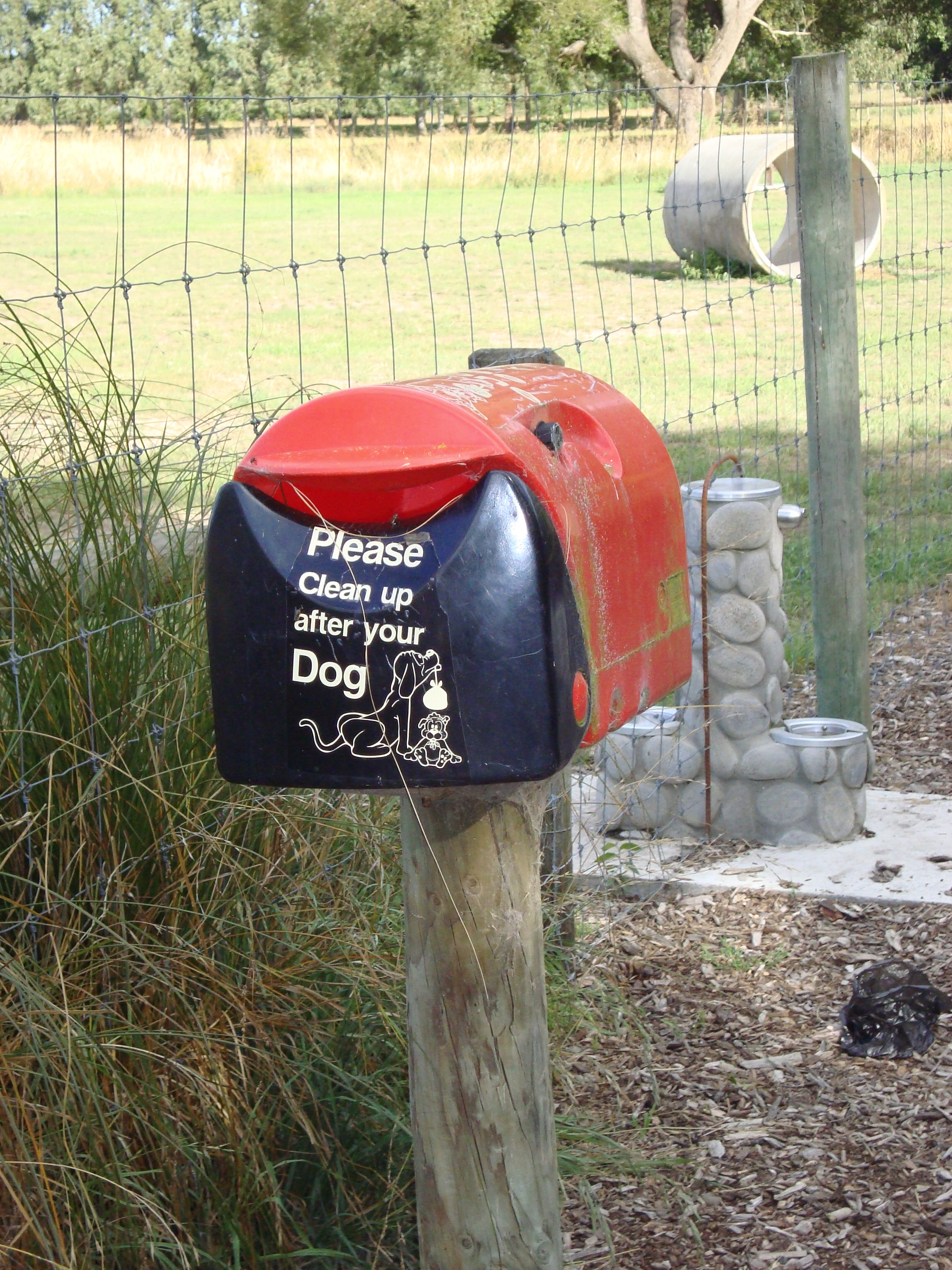
Please Clean UpChristopher Lowe of the University of Central Lancashire in Preston (UK) and colleagues hoped to determine what factors influence dog walker behaviour and how those who do not do the right thing might be persuaded to take charge of their dog mess.

The team suggests that there are five types of dog walker from the most to the least socially and environmentally responsible:

  • Proud to pick up – happy to be seen carrying dog waste, will pick up in all locations and take it home if no bins are available
  • It is the right thing to do – will pick up in public places but will seek to dispose of the waste as soon as it is practical; often embarrassed to be seen carrying bagged waste
  • I have done my job – if there is no bin available will leave the bagged waste to be dealt with by someone else
  • Only if I have to – will only pick up in the presence of other people – likely to discard when no one is looking
  • Disengaged – will not pick up in any situation even if they are aware of the environmental consequences of their actions

Dog faeces are not only as unpleasant as any animal waste, they can also carry parasitic diseases that have health impacts on people and animals that come into contact with them. For instance, they might transmit toxocariasis, via the larvae (immature worms) of the dog roundworm (Toxocara canis), which can cause blindness, asthma and neurological problems in those affected. Dog faeces from animals that eat raw meat and bones are also suspected of causing neosporosis in cattle. The researchers also point out that the presence of dog faeces in country parks, walks and other recreational areas can deter visitors and so have a local economic impact in those areas.

The team’s final thoughts:  The issue of getting dog walkers to do the right thing is both complex and emotive….more research is needed.

Source:  AlphaGalileo media statement

The Washington mudslide tests dogs and handlers

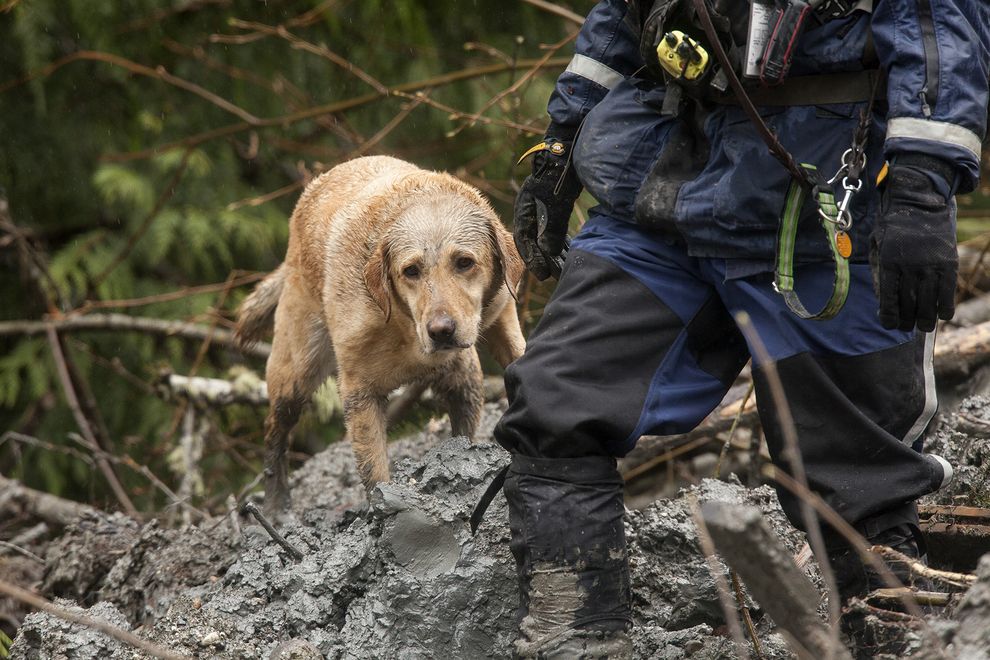
A search dog works at the Oso, Washington mudslide.  Photo by David Ryder, Getty

A search dog works at the Oso, Washington mudslide. Photo by David Ryder, Getty

Search and recovery efforts at the site of the massive mudslide in Oso, Washington are hampered regularly by tough ground conditions.

In this National Geographic article, a handler explains about how a search in these conditions is undertaken and describes the challenges posed by cold and rainy conditions, tons of mud, and lots of water.

World Stray Animals Day

Today – Friday, 4th April 2014 World Stray Animals Day.

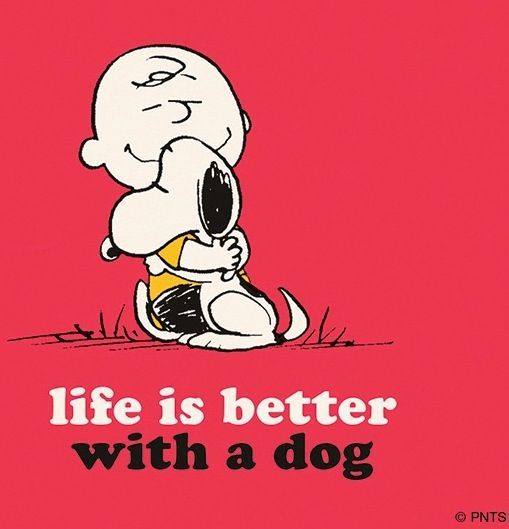
If you want your life to be better with a dog…please visit your local adoption center.  (Remember, even Snoopy was adopted!)

Life is better with a dog

Scent of my human

The functional MRI research team led by Gregory Berns have done it again.  In research published in the journal Behavioural Processes, they show that an area of the canine brain associated with reward responds more strongly to the scents of familiar humans than it does to the scents of other humans, or even to those of familiar dogs.

Kady, a lab involved in the study, shown training for the experiment in a mock-up fMRI scanner.  Photo by Helen Berns

Kady, a lab involved in the study, shown training for the experiment in a mock-up fMRI scanner. Photo by Helen Berns

“In our experiment, the scent donors were not physically present. That means the canine brain responses were being triggered by something distant in space and time. It shows that dogs’ brains have these mental representations of us that persist when we’re not there.”

When humans smell the perfume or cologne of someone they love, they may have an immediate, emotional reaction that’s not necessarily cognitive, Berns notes. “Our experiment may be showing the same process in dogs. But since dogs are so much more olfactory than humans, their responses would likely be even more powerful than the ones we might have.”

The experiment involved 12 dogs of various breeds. The animals had all undergone training to hold perfectly still while undergoing an fMRI scan. As they were being scanned, the subjects were presented with five different scents that had been collected on sterile gauze pads that morning and sealed in Mylar envelopes. The scent samples came from the subject itself, a dog the subject had never met, a dog that lived in the subject’s household, a human the dog had never met, and a human that lived in the subject’s household.

The familiar human scent samples were taken from someone else from the house other than the handlers during the experiment, so that none of the scent donors were physically present.

The dog scents were swabbed from the rear/genital area and the human scents were taken from armpits.

The results showed that all five scents elicited a similar response in parts of the dogs’ brains involved in detecting smells, the olfactory bulb and peduncle. The caudate responses, however, were significantly stronger for the scents of familiar humans, followed by that of familiar dogs.

“The stronger caudate activation suggested that not only did the dogs discriminate the familiar human scent from the others, they had a positive association with it,” Berns says. “While we might expect that dogs should be highly tuned to the smell of other dogs, it seems that the ‘reward response’ is reserved for their humans. Whether this is based on food, play, innate genetic predisposition or something else remains an area for future investigation.”

An interesting twist: The dogs in the experiment that had received training as service/therapy dogs showed greater caudate activation for the scent of a familiar human compared with the other dogs. It is unclear whether this difference was due to genetics or had simply been fostered through the service/therapy training.

“We plan to do further research to determine whether we can use brain-imaging techniques to better identify dogs that are optimal to serve as companion animals for the disabled,” Berns says.

The training of service dogs is time-consuming and expensive, he says, and only about one-third of the animals that begin the process successfully complete it. Meanwhile, the waiting list for service dogs is long, and includes many wounded veterans.

“In addition to serving as companion animals for wounded veterans, dogs play many important roles in military operations,” Berns says. “By understanding how dogs’ brains work, we hope to find better methods to select and train them for these roles.”

Source:  Emory University media release

Read my other blogs about functional MRI research:


Image

Wordless Wednesday, part 28

GSD with Buster CubeBP_Wordless_wed_Hop_Logo_2014

Doggy quote of the month for April

“There is no such thing as a stupid dog.  Each dog has his own genius and it is up to us as humans to find out what it is.”

–  Brian Hare, co-author of The Genius of Dogs

I’ve previously reviewed The Genius of Dogs.  Click here to read my review.