Category Archives: research

People in crisis do better with their pets, researchers say

Evidence shows human and pet support services should be integrated to avoid people having to relinquish their pets in a time of crisis. Keeping them often results in better health outcomes for both the owner and animal.

Sonya McDowall with her dog, Dashii. Photo credit: La Trobe University

Sonya McDowall, a Ph.D. student presenting her research at the Big Hairy People & Pets Summit and Workshops held 10–14 October on the Gold Coast, wants policy makers to understand the documented positive outcomes when human support services work with animal support services.

“It’s cost-effective for the community, and people are healthier if they can keep their animals during a time of crisis,” Sonya McDowall said.

“Social, physical and economic factors affecting human health can easily flow onto pets and companion animals.”

A 2020 survey by Domestic Violence NSW found that 42% of respondents said victim-survivors delayed leaving a perpetrator for over 12 months due to barriers to accessing support related to their animals.

A recent U.S. survey showed 91% of people had experienced some degree of financial stress in the past year related to the cost of pet care.

Statistics from relevant research:

  • In Australia, social return on investment for programs that support people experiencing a crisis to help keep their companion animal is $8.21 for each $1 invested, (Source: Emergency Animal Boarding: A Social Return on Investment)
  • Even before the cost of living and rental market crisis, a study in the United States found between 35.1% and 42.1% of participants relinquished their pet due to moving as the landlord would not allow pets. (Source: Moving as a reason for pet relinquishment: a closer look)
  • Studies have shown that between 26% and 71% of female companion animal guardians experiencing family violence reported that the offender had seriously harmed or killed the companion animal.
  • 48% of domestic violence survivors are reportedly hesitant to escape their domestic violence environment due to the fact of being concerned about what will happen to the family pet. (Source: An exploratory study of domestic violence: Perpetrators’ reports of violence against animals)
  • 18%–48% of domestic violence survivors have delayed entering a domestic violence shelter due to the presence of welfare concerns for their pet that they have had to leave behind. (Source)
  • Foodbank Australia hunger report 2022 highlighted that over half a million people in Australia are struggling with the cost of food; of this population 67% have pets. This has resulted in a challenge for pet owners of which studies have reported between 30% and 50% of participants identifying that having access to low-cost or free pet food would have prevented them from relinquishing their pet.

Source: La Trobe University

Dogs can age healthier by socializing with humans and pets, study says

Social interaction is good for human health, and a new study suggests it might be good for your dog, too.

“Where we live and who we interact with has a really strong effect on our health and well-being,” said Noah Snyder-Mackler, who is lead author of the study and an associate professor at Arizona State University’s school of life sciences and its center for evolution and medicine. “This link between our social environments and our health extends to many social animals. Animals with stronger social relationships live longer, healthier lives.”

Social companionship helps with healthy aging for dogs, a study says. (Katherine Frey/The Washington Post)

The research, published in Evolution, Medicine & Public Health, surveyed the human parents of more than 21,000 dogs and found that social companionship — with both people and other animals — had the largest influence on healthier aging among dogs. The effect was five times greater than anything else they looked at, such as family finances, household children or the pet parent’s age.

Improving dog and human health

The study is part of the Dog Aging Project, a large community-science research effort started in 2018 and funded by the National Institute on Aging and private donations. It’s led by the University of Washington and Texas A&M schools of medicine and includes more than a dozen institutions, including Arizona State University.

Its goal is to learn how genes, lifestyle and the environment influence aging and disease among dogs. Researchers also hope the insights can help human health.

“Dogs are often considered our closest animal companions and share many aspects of our daily lives,” said Brianah McCoy, an ASU doctoral student and a co-author of the paper. “By studying how the social environment affects dog health, we can gain insights that may also be relevant to human health.”

More than 45,000 dogs overall are enrolled in the aging project. A subset, about 1,000 dogs, are part of a more focused cohort from whom Snyder-Mackler and his collaborators are collecting blood and other biological samples over many years to uncover additional clues.

Having furry friends is linked to better health

The researchers used statistical tools to analyze factors in the dogs’ social environments obtained from surveys completed by dog parents. The questionnaires asked about, among other things, physical activity, environment, dog behavior, diet, medications and preventive medications, health status and owner demographics.

The scientists narrowed their analysis to five key factors — neighborhood stability, total household income, social time with children, social time with animals and owner age — that together might explain how the social environment could affect a dog’s well-being.

They found poorer health among dogs who lived in households with financial difficulties and other stressors, and better health among dogs who experienced more social companionship, such as living with other dogs.

The researchers, however, did not quantify life span, although they plan to do so in the future. “While we can’t say ‘having another dog in the house adds X years to your dog’s life,’ we were able to compare the strengths of the effect of different environmental factors on health,” Snyder-Mackler said.

The researchers cautioned that the results don’t mean that pet parents need to add more dogs to the family or rush their pets to dog parks or doggy day-care.

“We don’t know if the environmental factors we measured caused the health outcomes, so we don’t want to make any strong statements about what owners should or shouldn’t do,” Snyder-Mackler said. “The study just looked at whether you had other animal companions in the house. But it does suggest that having more furry friends is linked to better health outcomes.”

Some dogs may not benefit from social interactions

Scientists not involved in the study pointed out that not all dogs respond similarly.

“Some dogs may find social interactions stressful,” said Clara Wilson, a postdoctoral researcher in the Penn Vet Working Dog Center at the University of Pennsylvania School of Veterinary Medicine, “and it may not be in the dog’s best interests to force these interactions.”

Courtney Sexton, postdoctoral researcher at Virginia-Maryland College of Vet Med — and who contributes other research to the Dog Aging Project — said her dog would rather play with a ball than with other dogs, and it’s the pet parents’ “job to pay attention to the signals dogs give us.”

Surprising findings

Several findings were surprising, the study authors said.

  • Having children in the household had a negative impact on a dog’s health.
  • Dogs in wealthier households were diagnosed with more diseases than those in less affluent homes.
  • Dogs seemed to be healthier when they lived with older humans, and this effect was stronger in younger dogs.

Children may be detrimental to the health of dogs because of resource allocation, the researchers suggested. “It’s not that kids hurt the dogs or directly affect their health,” said Layla Brassington, a doctoral student at Vanderbilt University, who worked on the study as a master’s student at Arizona State University. “The more children or time that owners dedicate to their children likely leads to less time and effort they can dedicate to their furry children.”

The authors theorize that wealthier households have better access to medical care, and pet parents might seek veterinary services more frequently, which leads to identifying more diseases.

The ages of the dogs also affected the findings, with younger dogs seeming to be “more tuned into the age of their owner and how it impacts their well-being,” McCoy said.

Could dogs benefit from a cat companion?

The researchers did not specifically look at the effect of breeds — they did not have enough detail on individual breeds — or exercise, Snyder-Mackler said. (The Dog Aging Project recently released a study that found physical activity is associated with a better cognitive outcome in dogs.) “What we did see was that the strength of the relationship between the environment and health was similar when we looked separately at mixed-breed versus purebred dogs,” he said.

They also acknowledged one study limitation — the sample consisted of mostly high-income dog parents. A more diverse set could help “unravel the true magnitude of certain variables’ influence on canine well-being,” McCoy said. “It is possible that the effects we found in this study would be even stronger if we had a more varied and inclusive population.”

Most of the pets in the multi-animal households were dogs, and the scientists said there was insufficient data to distinguish between the effects of having additional dogs vs. other species.

“It could be that having other pets — even cats — provides health benefits through companionship,” Snyder-Mackler said.

Source: Washington Post

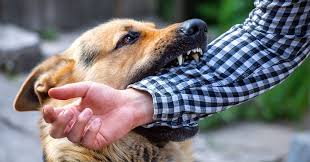
Dog bites increase as the temps rise, study finds

Science has shown that violence among monkeys, rats, and mice increases when the weather is warm. Now it seems we can add dogs to the list.

New findings from researchers at Harvard Medical School and Spaulding Rehabilitation Hospital show that the incidence of dog bites rises with the temperature. In an analysis of 69,525 cases in eight U.S. cities, the team found that dog bites increased 3 percent on days with high ozone pollution, 4 percent on days with higher temperatures, and 11 percent on days with elevated ultraviolet radiation, a marker of increased sunshine.

Clas Linnman, assistant professor of physical medicine and rehabilitation at Harvard Medical School and Spaulding Rehabilitation Hospital, was an author on the paper. We asked him about the team’s key findings in a conversation edited for clarity and length.

Q&A

Clas Linnman

GAZETTE: Does this work show that dogs are just like us in the summertime — cranky when the weather gets hot and uncomfortable?

LINNMAN: Probably, but one needs to keep in mind that the interaction between humans and dogs is crucial to reduce dog bites.

GAZETTE: Are the results limited to warm-weather months?

LINNMAN: No. In sensitivity analysis, we found that the effect is actually somewhat stronger in winter months.

GAZETTE: Doesn’t that negate the finding that bite risk rises on hot, sunny, smoggy days?

LINNMAN: No. We are looking at the relative risk on warmer versus cooler days, so, if you only look at winter months, the effect of temperature on risk is still there, and even somewhat stronger. This does not mean that the risk is higher on winter vs. summer days. It means that the effect is still present if you remove the hottest days from the analysis.

GAZETTE: You found that rising temps, ozone levels, and UV radiation are linked to a higher rate of dog bites. Is it just discomfort or are there biological reasons behind the phenomenon?

LINNMAN: We know from animal studies that the HPA axis — the brain’s hypothalamic pituitary adrenal axis, important in responding to stress — is impacted by these factors, and there is some evidence suggesting a change in striatal dopamine turnover with exposure to ozone, but there is a lot of work needed to understand how these phenomena may work in dogs and humans.

GAZETTE: Dopamine is a hormone responsible for making you feel good — how might that affect aggressive behavior?

LINNMAN: Dopamine is involved in short-term rewarding behavior, or impulsivity, and while reward is typically associated with pleasant things, aggression is often impulsive and can also be short-term rewarding, so we think there may be a link here.

GAZETTE: So together, we know that temperature, ozone, and UV affect parts of the brain responsible for stress responses and perhaps lowers inhibition to aggression?

LINNMAN: We cannot really conclude that just yet, but we are looking into both behavioral and neuroimaging data to see if there are subtle effects of these factors.

GAZETTE: The study found an effect from one common summertime pollutant — ozone — but not another, the tiny damaging particles in PM 2.5. What accounts for the divergence?

LINNMAN: Great question. Short-term PM 2.5 has been linked to aggression in humans in multiple studies, so we were expecting to see it here as well. It is possible that anatomical differences between snouts and noses play a part here.

GAZETTE: You also saw increasing precipitation reducing aggression. Why might that be?

LINNMAN: Dogs love to run in the rain! It may be as simple as fewer interactions between humans and dogs on rainy days.

GAZETTE: How well does this agree with what’s been found in humans and other species?

LINNMAN: It fits quite well into the picture. People are also more aggressive with higher temperature and air pollution. There are even studies demonstrating higher rates of violent crime downwind of major highways, and this shifts when the wind shifts.

GAZETTE: There’s also an indication in the journal article that the effects may be related to the way humans interact with dogs on these hot days. How likely is that a factor rather than biological factors within the dogs themselves?

LINNMAN: We don’t have the type of data needed to assess the behavior of the victim in these reports. But dogs typically do not bite without some type of provocation, and they usually warn us first, so the behaviors of the human may be a factor.

GAZETTE: Have you ever been bitten by a dog?

LINNMAN: Yes, actually, once in an aggressive situation.

GAZETTE: What happened?

LINNMAN: I love dogs, I grew up with several family dogs, although I am currently not a dog owner. What happened was that I was parking my bicycle as my neighbor walked by with her dog, and perhaps it was the bike that triggered it to bite me. It was nothing serious, gave me a bruise and put a hole in my T-shirt. Maybe it was a hot, smoggy day. I do not recall.

GAZETTE: As we come into the summer months, any advice for dog owners or people visiting others with dogs?

LINNMAN: Keep your dogs happy, cool, and under control. And learn to read the behavior of dogs — that is probably the most protective thing one can do. Most bites occur with dogs we know.

Source: The Harvard Gazette

Legendary sled dog Balto’s DNA

The genome of the 1920s Siberian husky Balto suggests that greater genetic diversity and less inbreeding contribute to better health.

Balto with Gunnar Kaasen, his musher in the 1925 Serum Run Source: Wikipedia

When it comes to heroic dogs, Balto is high on the list. The famous Siberian husky inspired a 1995 animated film and was immortalized as a statue in New York City’s Central Park for being part of a dogsled team that delivered lifesaving antitoxin to a remote Alaskan town that was struck by diphtheria in 1925. And now Balto’s DNA is offering new insight into how genetic diversity affects the health of dogs—past and present.

In a study published on Thursday in Science, biologists found that Balto’s genome is more diverse—and ultimately healthier—than that of most dog breeds today. His genes also suggest that he and his intrepid canine comrades in the 1920s had multiple traits that made them more fit to travel and survive in a harsh environment. The results reveal shifts over time not only in dogs’ genetics and ancestry but also in their genetic health.

“What we found is that Balto is more genetically diverse and genetically healthier than your breed dog of today but similar to those working Alaskan dogs that we have now—which is what you expect from a group that is still bred for work rather than the aesthetic phenotype that breed dogs are now held to,” says Katherine Moon, a postdoctoral researcher at the University of California, Santa Cruz, and co-lead author of the study.

Balto was part of an imported population of Siberian huskies bred for their speed, fitness and relatively small size. In January 1925 an outbreak of diphtheria (a serious bacterial infection that can be deadly if untreated, especially for children) was spreading in Nome, Alaska—a town that could only be reached by dogsled during the winter. Sled dog teams, including Balto’s, transported vials of diphtheria antitoxin in a 674-mile relay from Nenana, Alaska, braving intense winds and wind-chill temperatures of –85 degrees Fahrenheit. Using Balto as a representative of the 1920s Siberian huskies, Moon and her colleagues wanted to find out if that population had specific variations to their genes that made them such capable sled dogs.

The researchers sequenced DNA samples from Balto’s taxidermied specimen at the Cleveland Museum of Natural History. They compared the sequences with those of current living dog breeds, including three 21st-century sled dogs that ran in the Iditarod—a modern annual dogsled race that traces some of the trails of the 1925 antitoxin run. Balto’s ancestry is not very dissimilar from that of today’s Alaskan sled dogs, with dogs of Arctic origin sharing 68 percent of his ancestry. He also shares a small amount of common ancestry with Asian dog lineages. Balto’s genome additionally showed that he was around 55 centimeters tall at the shoulder and had a double coat of black fur—an insulating undercoat of short, dense hairs and a top coat of protective longer ones—and a white tuft on his chest.

The researchers also identified protein-altering, evolutionarily constrained variants—sequence changes such as mutations at a specific site of the genome that are highly conserved across many species because the alterations serve an evolutionarily advantageous function. Those unique variants relate to bone and tissue development, including skin thickness, body weight, coordination and joint formation. Balto’s variants suggest he had a phenotype, or set of physical traits, that was optimal for Arctic survival. “We were excited to see that,” Moon says. “It was striking in a good way. It was great to be able to see that phenotype that we predicted from his genotype is sort of consistent with what we knew about Balto already.”

The team further found Balto had an adaptation that helps digest starch—a trait that is not found in wolves but is relatively common in modern dog breeds. Although sled dogs’ traditional diet consists primarily of meat, Moon says Balto likely consumed foods rich in starch as well.

“Sled dogs today are using 10,000 calories a day during the Iditarod,” says Cristina Hansen, an assistant professor at the University of Alaska Fairbanks and head veterinarian of the Yukon Quest sled dog race. For a sled dog that weighs between 40 and 70 pounds, getting a high calorie intake entirely from meat would mean “you end up giving them so much fat that they can get diarrhea,” explains Hansen, who was not involved in the new study. “Starch is a pretty good fuel source. Maybe we need to find a way to get more starch into sled dogs.”

Overall, Balto’s genome was more diverse than the genomes of most dog breeds today—including both dogs bred for appearance and “working” dogs bred for functional traits. He was also less inbred than modern dog breeds tend to be. And like 21st-century working sled dogs, Balto had a lower number of rare and potentially damaging genetic variations than other dog breeds. The study team suggests that some selective breeding could have been a likely factor in the reduction of genetic diversity and introduction of harmful mutations among current dog breeds. Greater genetic diversity confers more ability to adapt to an environmental change or a stressor, Moon says, which is why researchers use it to measure genetic health.

“We’ve all heard stories of certain breeds that have a high incidence of genetic disease, heart defects or bad hips, and that’s what happens when we’re selecting by inbreeding,” says Beth Shapiro, a professor of ecology and evolutionary biology at U.C. Santa Cruz and a co-senior author of the new study. “By inbreeding, we’re losing diversity and increasing the chance of bad mutations becoming really common in that breed.”

Working sled dogs are typically outbred, or produced by pairing parent dogs that are genetically unlike, for speed and endurance. This results in mixed breeds with a more diverse genetic population—and that in turn seems to contribute to better health. Hansen says the findings on Balto’s genome fit with what she knows about sled dogs. “They’re mostly kind of mutt-looking dogs,” she says. “Generally, they’re very healthy.”

Today’s sled dogs are even “faster and more durable” than those of Balto’s era, Moon says. “When we select for those working traits rather than those aesthetic traits, we find that … even though we are still breeding them for a trait, they’re still genetically diverse and healthy.”

Balto’s genome analysis is a part of a broader research project called Zoonomia, a large-scale effort to understand the genetic diversity and evolution of mammals. The famous canine’s genome is an example of what researchers can learn from limited species population data, Moon says. She hopes her team’s approach and findings can be applied to species that might need more critical attention for conservation.

“Resources are hard to get from species that are going extinct, where there aren’t large groups you can sample from to know how that population is doing. You might be limited to one or two individuals,” Moon says. “I find this sort of study really interesting because that means we can still do a lot of really good work even with a single genome from the species.”

Source: Scientific American

Pet dogs and cats could be spreading antibiotic-resistant superbugs to their owners

Dogs and cats may be passing antibiotic-resistant “superbugs” to their owners, a new study warns. Researchers discovered one pet in the United Kingdom and six from Portugal were carrying similar antibiotic-resistant bacteria as their owners. These could include E. coli and other strains linked to pneumonia.

A man hugging his golden retriever (Photo by Eric Ward on Unsplash)

The team is calling for animal-loving households to be part of health programs which work to counter the spread of antimicrobial resistance. Currently the spread of these germs is reaching dangerously high levels across the world.

Drug-resistant infections kill around 700,000 a year globally, a number that estimates project will rise to 10 million by 2050 without a proper defense. Dogs, cats, and other pets are already known to contribute to the spread of antibiotic-resistant pathogens that can cause human disease. Until now, however, it was unclear whether infected pets were actually sharing the pathogens with their owners.

Study authors tested stool samples from dogs, cats, and their owners for common-antibiotic-resistant Enterobacterales, which include E. coli and Klebsiella pneumoniae. Experts particularly focused on bacteria resistant to antibiotics which the World Health Organization (WHO) deem “the most critically important” for human medicine. These include antibiotics which treat meningitis, pneumonia, and sepsis — known as third-generation cephalosporins. Additionally, they searched for bacteria resistant to carbapenems, used as a last line of defense when all the other drugs have failed.

“In this study, we provide evidence that bacteria resistant to a third generation cephalosporins, critically important antibiotics, are being passed from pets to their owners,” says Juliana Menezes Menezes, a University of Lisbon PhD student, in a media release.

Dogs and cats may aid the spread and persistence of such bacteria in the community and it is vitally important that they are included in assessments of antimicrobial resistance.”

“Owners can reduce the spread of multidrug-resistant bacteria by practicing good hygiene, including washing their hands after collecting their dog or cat’s waste and even after petting them.”

In total, researchers studied five cats, 38 dogs, and 78 humans from 43 households in Portugal. From the U.K., they also examined seven dogs and eight humans from seven households. Of the entire group, three cats, 21 dogs, and 28 owners tested positive for bacteria resistant to key third-generation cephalosporins.

In eight households, both pet and owner were carrying Enterobacterales. Two were homes with cats, six with dogs. In six of these homes, the bacteria DNA in pet and owner was similar, meaning the disease likely passed between animals and humans. However, it remains unclear whether bacteria passed from pet to human, or vice versa.

From the U.K. cohort, one dog was colonized by a multi-drug resistant E. coli strain, which powers the most “critically important,” last-line-of-defense antibiotics, and others. In Portugal, a dog was carrying the same bacteria resistant only to third-generation cephalosporins. Another Portuguese dog suffered an E. coli strain that encourages antibiotic resistance. All of the pets were treated for their conditions. The owners were not sick and left without treatment.

The team presented their findings at the European Congress of Clinical Microbiology & Infectious Diseases (ECCMID 2023) in Copenhagen, Denmark.

Source: Study Finds

Domestic dogs maintain positive clinical, nutritional, and hematological health outcomes when fed a commercial plant-based diet for a year

The first comprehensive study on the long-term effects of a plant-based diet for dogs has been completed by clinician-scientists at Western University of Health Sciences’ College of Veterinary Medicine. The key finding of the 12-month study is that a nutritionally complete plant-based diet, exemplified by the vegan dog food brand v-dog, can provide complete and balanced nutrition for dogs during adult maintenance life stage.

The study completed on v-dog was conducted by independent clinical researchers and was not commissioned by v-dog but instead represents an important contribution to the ongoing conversation about the health and environmental benefits of plant-based diets for companion animals. The study was presented on Monday, February 20th 2023, at the Western Vet Conference in Las Vegas.

“We’re thrilled to share the results of this groundbreaking study, which demonstrates that a nutritionally complete plant-based diet can maximize the health and quality of life for dogs and reduce carbon paw-prints,” said Darren Middlesworth, president and CEO of v-dog and v-planet, v-dog’s international brand. “The research underscores that a healthier, cruelty-free option for pet owners also has the potential to positively impact the environment and other animals. As ethical vegans first and a company second, we couldn’t be more proud to offer v-dog and v-planet as an innovative solution to these pressing issues.”

The study aims to raise awareness about the efficacy of plant-based nutrition for dogs and the impact of dogs’ dietary choices on the ecosystem. Key facts evidenced through the study include:

  • Pet food is responsible for nearly 1/3 of the environmental impacts from industrial animal production in terms of land use, water consumption, fossil fuel use, biocide production, and waste production.
  • Evolutionary adaptations enable dogs to optimize carbohydrate metabolism.
  • Commercially available canine plant-based nutrition (K9PBN) products in the US provide all the necessary nutrients for a well-balanced diet for adult companion dogs today.
  • Even canine endurance athletes were proven to maintain optimal performance on a meat-free diet.

This alternative diet demonstrates the health benefits for dogs with a significant, positive impact on the environment.

“As animal lovers ourselves, we’re thrilled to offer a complete and balanced plant-based diet for dogs that is backed by independent clinical research,” said Lindsay Rubin Carvalho, VP of v-planet. “This study reinforces what we’ve known all along – that a nutritionally complete plant-based diet can extensively provide health benefits and protection for dogs. Our mission is to offer the best nutrition for our furry family members while also promoting a more sustainable and compassionate world for all animals.”

V-dog and v-planet are in the business to save animals and preserve the planet. The brands are committed to ensuring their products meet the dietary standards and guidelines set forth by the Association of American Feed Control Officials for healthy dogs.

Source: Pet Age

Impact of stress, temperament on working dogs to be explored in new research

A commitment to animal care and welfare—specifically in working dogs—is the driving force behind the newly funded research project

The Human Animal Bond Research Institute (HABRI) has announced a research grant to Colorado State University (CSU). The pilot study aims to measure the Allostatic Load (AL) of dogs, which is understood as the ‘wear and tear’ on the body due to chronic or frequent stressors.

AL in humans is affected by genetics and personality, and high AL is a predictor of negative health outcomes including heart disease and cognitive decline. After successfully validating AL in primates, the research team seeks to validate canine AL for the first time.

“Developing a reliable method of measuring chronic stress will help ensure we are taking proper care of working dogs as well as pet dogs,” says CSU association professor, Barbara Wolfe, DVM, PhD, DACZM,, principal investigator of the project. “If successful, this tool could be utilized to predict success in working dogs and identify when working dogs are experiencing unhealthy levels of stress.”

The study will involve analysis of early life events and lifestyle factors that may influence AL in Labrador retrievers raised and trained to be as guide dogs, as well as in Labrador retrievers raised as pets. Researchers will use blood sampling to compare biomarkers associated with AL to these lifestyle and event factors to determine any association between AL and potential stressors.

While many studies to date have used a single biomarker, such as cortisol, to determine canine stress, measuring AL tests multiple biomarkers of stress which allows for a more accurate measure of the accumulation of stress over time.

“This project reflects HABRI’s deep commitment to animal care and welfare,” says the institute’s president, Steven Feldman. “Understanding how to improve the lives of our canine companions is crucial to strengthening the human-animal bond.”

Source: Veterinary Practice News

Dry pet food may be more environmentally friendly than wet food

Pet owners may have a new reason to reach for the kibble.

Dry cat and dog food tends to be better for the environment than wet food, veterinary nutritionist Vivian Pedrinelli of the University of São Paulo in Brazil and colleagues report. Their analysis of more than 900 hundred pet diets shows that nearly 90 percent of calories in wet chow comes from animal sources. That’s roughly double the share of calories from animal ingredients in dry food.

Feeding dogs and cats dry food instead of wet food may have less of an impact on the environment. Eduardo Gonzalez Diaz / EyeEm/Getty Images

The team factored in the cost of different pet food ingredients across several environmental measures. The findings, described November 17 in Scientific Reports, suggest that wet food production uses more land and water and emits more greenhouse gases than dry food.  

Scientists already knew that meat-heavy human diets drive greenhouse gas emissions (SN: 5/5/22). But when it comes to environmental sustainability, “we shouldn’t ignore pet food,” says Peter Alexander, an economist at the University of Edinburgh who was not involved in the work.

Just how much various pet foods impact the environment isn’t clear, Alexander says. Commercial cat and canine fares aren’t typically made from prime cuts of meat. Instead, the ingredient lists often include animal byproducts — the gristle and bits people aren’t likely to eat anyway.

How to calculate the carbon cost of these leftovers is an ongoing debate, says Gregory Okin, an environmental scientist at the University of California, Los Angeles who was not involved with the study.

Some argue that the byproducts in pet food are essentially free, since they come from animals already raised for human consumption. Others note that any calories require energy and therefore incur an environmental cost. Plus, animal ingredients in pet food might not be just scraps. If they contain even a small amount of human-edible meat, that could add up to a big impact.

Knowing that there’s an environmental difference between moist morsels and crunchier cuisines could be helpful for eco-conscious pet owners, Okin says. Having that info handy at the grocery store is “super important when people are making decisions,” he adds. “There are consumers who want to pay attention.”

Journal Reference: Environmental impacts of diets for dogs and cats, Scientific Reports, published 17 November 2022

Source: Science News

This Specific ‘Pet Parenting Style’ Seems to Make Dogs More Secure And Resilient

(FilippoBacci/E+/Getty Images)

How you ‘parent’ your pooch has an impact on the kind of dog it grows up to be, a new study shows. An owner who’s highly responsive to a dog’s behavior and needs tends to lead to a more social, secure, and smart canine.

Parenting styles and choices are known to influence the way that children develop and grow. Researchers are now discovering more about a somewhat similar relationship between owners and their pets.

The researchers recruited 48 dog owners and their pets, asking them to complete a pet parenting style survey before participating in three behavioral tests in the lab, assessing attachments and interactions between the dogs and their humans.

“We found that pet parenting style does predict patterns of dog behavior and cognition,” says animal behaviorist Monique Udell from Oregon State University.

“This an important finding because it suggests that dog owners who take the time to understand and meet their dog’s needs are more likely to end up with secure, resilient dogs.”

Based on the initial surveys, researchers put the dog owners into three categories, similar to categories used in human parenting research: authoritative (high expectations, high responsiveness), authoritarian (high expectations, low responsiveness), and permissive (low expectations, high responsiveness).

The three behavioral tests covered attachment (how the dog responded to its owner during close interactions), sociability (how the dog responded when a stranger and its owner traded places with one another in the testing room, and problem-solving(challenging the dog to get a treat from a puzzle with either no interaction at all or verbal encouragement and gestures from the owner).

Overall, dogs with authoritative owners had the highest rate of secure attachment and were highly social and sensitive to social context, compared to dogs with authoritarian or permissive owners. What’s more, the only dogs to solve the puzzle task came from the authoritative group.

The study matches up in some ways with previous research into parents and kids; specifically that children with authoritative parents are more likely to show secure attachment, thought to be because of the consistent, reliable support they get.

“This research shows that the pet dog-human caretaker bond may be functionally and emotionally similar to the bond between a human parent and their child,” says behavioral scientist Lauren Brubaker from Oregon State University.

The research opens up some interesting new questions – why, for example, did the dogs with permissive owners respond to the social cues of the stranger they were with but not their owner in one of the tests?

For now, though, the study is enough to show that there is some kind of relationship between the approach we take as dog owners and the way that those dogs then behave, even with numerous other factors in play.

“More research in this area is needed, especially replications with larger sample sizes and across different populations and cultures,” write the researchers in their published paper.

“However, our findings suggest that in the sampled population pre-existing dog–owner relationship quality served as a significant predictor of dog behavior across all three domains.”

The research has been published in Animal Cognition.

Source: Science Alert

Why petting a dog is good for your brain

  • A new study measured the effects of petting a dog on human brain activity.
  • Dogs have previously been shown to reduce stress, but the neurological mechanisms haven’t been studied.
  • Many current and potential therapies incorporate the use of animals, especially dogs.
Photo credit: Westend61/Getty Images

It’s long been said that dogs are “man’s best friend.”

Now, a new study conducted in Switzerland suggests that dogs can be good for our brains.

Researchers recruited 19 healthy adults (9 women and 10 men) to have their brain activity measured over several sessions, both with and without being in the presence of a dog.

The researchers said the results could improve the effectiveness of animal-assisted therapies used to treat many conditions, including:

So how was the study performed? And what were the results?

A new approach

Previous studies into the physiological effects that dogs have on humans often used imaging technology such as PET scans — no, not that type of pet but positron emission topography.

While imaging scans have a variety of medical uses, they do have some drawbacks in a study such as this one. They can be loud, and lengthy, and participants may need to remain still.

These are not characteristics that generally pair well with dogs, so previous studies frequently used pictures of dogs as stand-ins.

In this study, researchers opted to use functional near-infrared spectroscopy (fNIRS). Two electrodes were placed on participants’ foreheads to measure prefrontal cortex activity.

This area of the brain plays an important role in social cognitive processing.

Participants were measured first in a neutral state, facing a white wall. Then measurements were taken as contact with a dog was progressively introduced.

First, the participants could see the dog, then sit beside it, and finally pet it before returning to a neutral state. None of the participants had any dog allergies or phobias.

These measurements were taken across 6 sessions for each participant: 3 with a dog, and 3 with a plush animal. The plush held a hot water bottle within it to give it more weight and warmth.

Three actual dogs were used, all females ages 4 to 6. There was a Jack Russel, a goldendoodle, and a golden retriever.

The results showed that brain activity increased substantially through the progressive phases of the experiment and oxygenated hemoglobin remained elevated (indicating increased activity) even after the dog left.

The plush had similar effects but only at first. Researchers said that as participants returned for more sessions, the difference in brain activity between dog and plush sessions significantly increased.

A valid study

This study found a novel application for fNIRS, but is it a good tool for the job?

Yes, it is, according to Dr. David A. Merrill, a psychiatrist and the director of the Pacific Neuroscience Institute’s Pacific Brain Health Center at Providence Saint John’s Health Center in California.

“fNIRS is valid. There are decades’ worth of study using the technique measuring brain activity. [It] affords a view into the brain based on blood oxygenation without the need for a big, immobile scanner,” Merrill told Healthline.

Jen Summers, PsyD, a utilization review specialist at Los Angeles-based Lightfully Behavioral Health, told Healthline she agreed the fNIRS is a valid measurement tool but noted other areas she would like to see explored in more detail.

As an example, Dr. Summers pointed out that Labradors are the most common dog breed for therapeutic visitation animals, but none were included in this study.

“The study participants were ‘healthy subjects,’ however, the study did not define ‘healthy.’ It would be curious for future research to determine if participants with known medical conditions (i.e. anemia, autoimmune diseases, or anyone with noted deficits in oxygenated hemoglobin) would have increased frontal brain activation compared to their baseline,” said Summers.

Putting it into practice

Putting these study results to work is of interest across the medical community.

Dr. Joey R. Gee, a neurologist with Providence Mission Hospital in Orange County, California, told Healthline that dog-assisted therapies are “valuable for many chronic disorders and may be employed in settings where ‘calming’ is needed, such as with children and in long-term care facilities.”

Merrill agreed.

“Pets such as dogs can and should be considered as an important therapeutic option for patients of all ages going through any number of physical or mental health issues,” he said.

Experts noted that one interesting aspect of the study was the increased effect of multiple sessions with a dog.

“Exposure and experience foster familiarity. Psychology studies have consistently demonstrated how the mere exposure effect influences a familiarity preference: we prefer things we are familiar with versus those which are novel,” said Summers.

“This certainty and comfort are undoubtedly bidirectional such that not only do we respond more positively, the dog also tends to respond more positively to humans they are bonded to securely,” said Merrill.

Source: Healthline.com

Journal reference: Effects of contact with a dog on prefrontal brain activity: A controlled trial