It’s been a big week at The Balanced Dog. I have just finished my last Saturday of consults for 2025 and, earlier this week, Sox turned 8 (his birthday party was a two weeks ago, to accommodate the travel plans of friends).
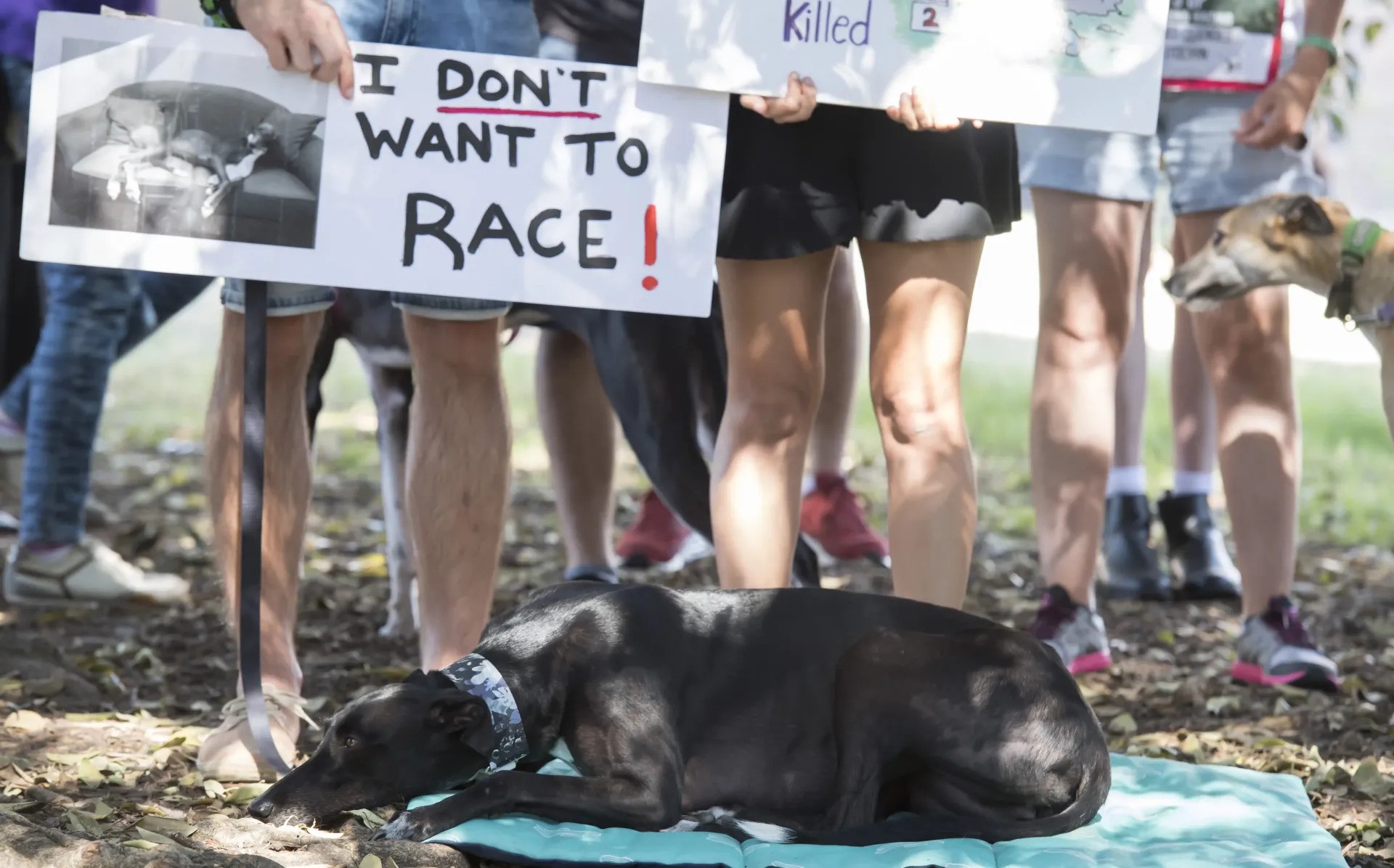
And there are only 20 days left to make a submission on the Racing Industry (Closure of Greyhound Racing Industry) Amendment Bill. A year ago, the NZ Government made an announcement of its intention to ban greyhound racing in this country; the bill has passed its first reading with wide cross-party support. It’s now time for the public to have their say…
Probably thanks to Sox’s birthday, and the number of greyhounds I work with in my practice, greyhounds, racing and animal welfare have been on my mind a lot recently. I am definitely making a submission.
Here are the points/issues I want to raise:
Animals are not statistics. Behind percentages are living, breathing and sentient creatures.
What do we mean by animal welfare? In layman’s terms, it’s quality of life for the entire life of the animal.
What is the definition of an accident? Depending upon which dictionary you use, this is defined as an unforeseen and unplanned event or circumstance or an unfortunate event resulting especially from carelessness or ignorance.
What is our lifetime responsibility as stewards and ”owners” of dogs?
What are the inherent risks of racing?
How painful is a broken hock, a fractured skull or other high impact injury?
With concerns that greyhounds will become extinct in New Zealand if racing is banned, what protections will there be for breeders who wish to continue their bloodlines and provide the NZ public with a greyhound if they choose to buy one?
I encourage anyone with an interest in the greyhound breed to submit. That’s what public submissions are for. There are many templates circulating to assist you in making a submission. I believe the most powerful submissions are those that share personal experience.
Be sure to read the legislation so you can align your comments with specific clauses and be sure to tell the Select Committee if you want to be heard (that is, appear in person or by video link).
Kathleen Crisley is Fear-Free certified dog massage therapist and canine fitness trainer. She has a particular passion for working with dogs and their families to ensure injury prevention and quality of life. She specialises in working with anxious and emotionally damaged dogs. Her mobile practice, The Balanced Dog, is based in Christchurch, New Zealand
I’ve just read this piece by Dr Mia Cobb of the University of Melbourne and had to share it. Thankfully, it was published under a Creative Commons license to enable re-publication with citation.
But something has changed globally over the last year, and it has big implications for dogs worldwide.
This rapid cascade of bans signals something much bigger. Picture: Getty Images
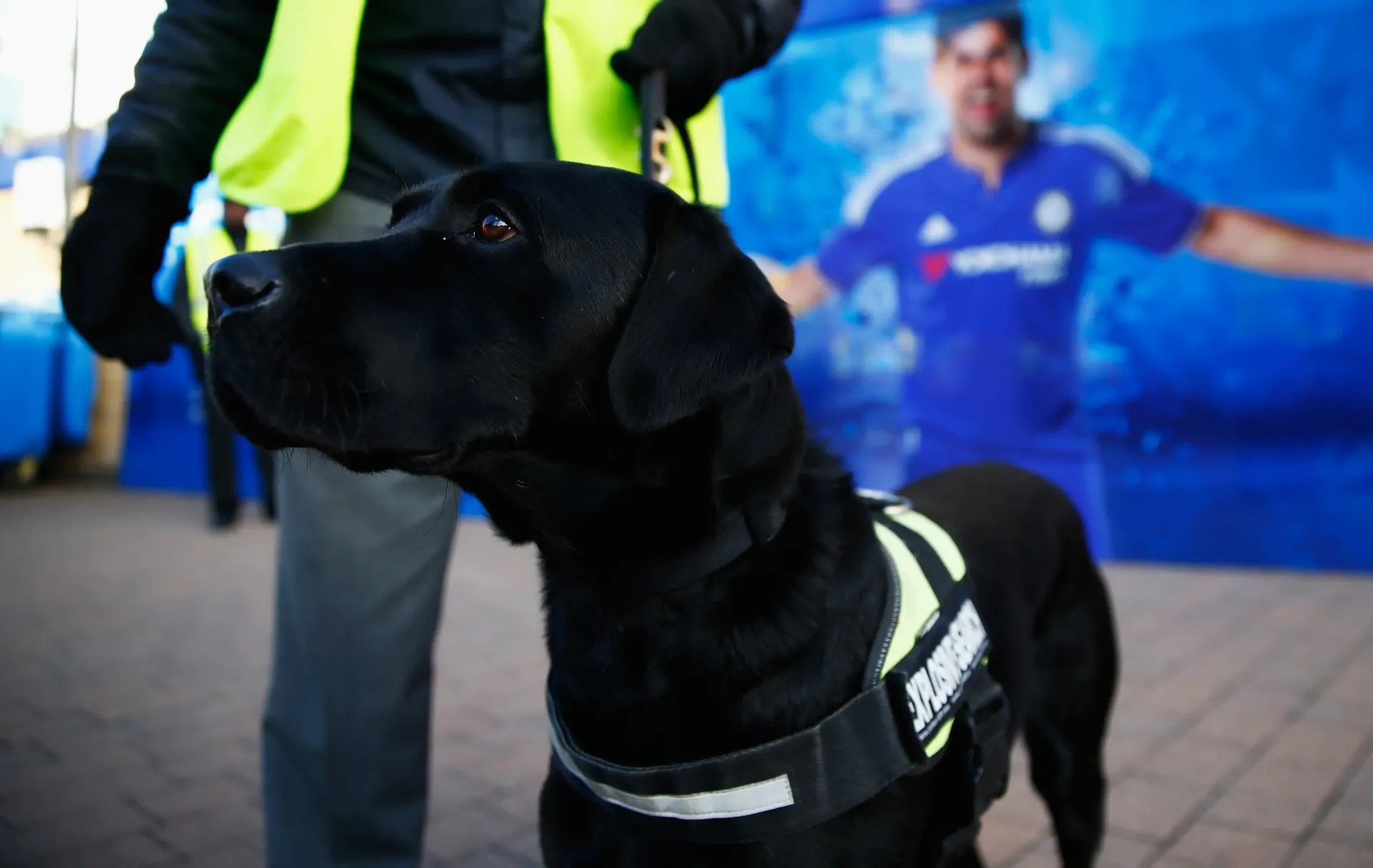
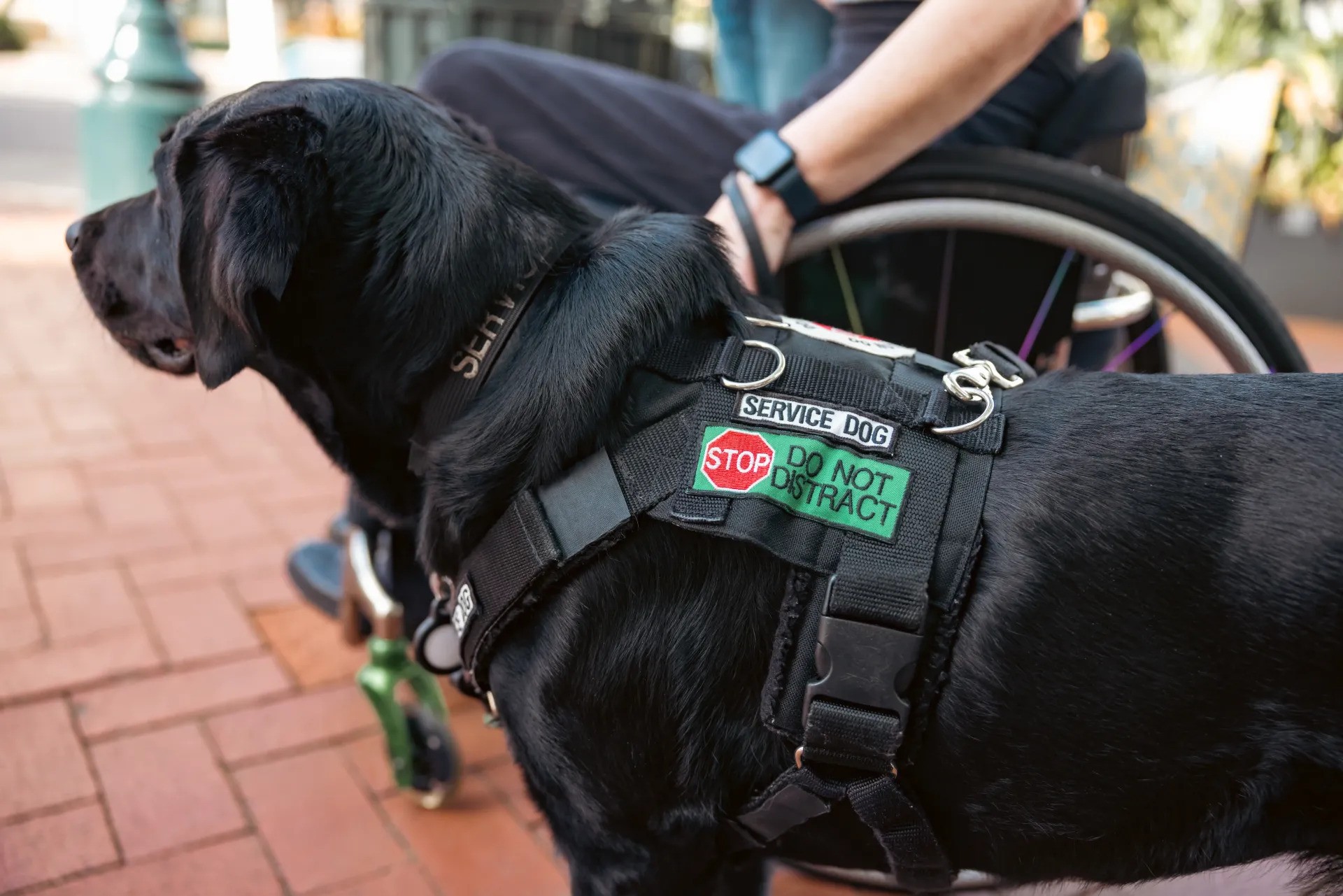
But what does this mean for the other dogs in our lives? The detection dogs in our airports, the dogs assisting people with disabilities, those supporting students in our schools or even the dog asleep on your couch?
We may donate to assistance dog charities, watch border detection programs on TV and admire search-and-rescue teams helping in disaster zones without considering what daily life looks like for these canine workers.
As people become increasingly conscious about animal treatment, from farm animals to those in entertainment, this awareness is expanding to include all the ways we ‘use’ dogs.
Our expanding awareness of animal treatment now includes all the ways we ‘use’ dogs. Picture: Getty Images
The recent greyhound racing collapse demonstrates how quickly public support can evaporate when welfare concerns aren’t adequately addressed.
Consider the contrast between those who embrace scrutiny versus those that resist it.
Some organisations or operators working with dogs proactively demonstrate their welfare standards, welcome independent oversight and engage openly with concerns. Others operate behind closed doors or respond defensively when questions arise about how their animals are bred, reared, housed, trained and rehomed.
Those thriving under increased public attention share common approaches: they treat welfare as a core priority rather than a compliance exercise, even when it means making major changes to the way in which they operate (for example, their training methods or the equipment used).
They also understand that genuine transparency builds public trust in ways that defensive responses never can.
But there’s an important distinction between real change and ‘welfare washing’ surface-level improvements designed more for public relations than to genuinely assure animal wellbeing.
The public is becoming increasingly sophisticated at spotting the difference.
The speed of recent racing bans – three jurisdictions in around 18 months – shows how rapidly momentum can build once public opinion shifts.
What earning trust looks like
The organisations embracing increased welfare scrutiny share common characteristics.
They proactively demonstrate care standards rather than waiting for pressure. They welcome independent monitoring and engage genuinely with concerns rather than dismissing them.
There’s a reframing from dogs as tools we use to co-workers we partner with. Picture: Getty Images
Most importantly, they recognise that working with dogs comes with profound responsibilities.
This reframing, from dogs as tools we use to co-workers we partner with, means ensuring dogs have agency in their daily lives – the ability to make choices about when to rest, opportunities to be dogs rather than just workers and environments that offer them positive social and physical experiences.
It means transparency about career length, retirement plans, injury rates and living conditions. It means treating welfare as a core business priority, not a public relations exercise.
The dogs supporting our lives
International Dog Day provides an annual opportunity to shine a spotlight on all the dogs we rely on in our lives, not just our pets at home.
t’s a chance to ask: are we caring for these animals as well as we can?
The greyhound racing industry’s decline shows what happens when the answer is unclear or unconvincing.
Public trust, once lost, is extraordinarily difficult to rebuild, especially when alternatives exist that don’t rely on the use of real animals.
Everyone relying on dogs should be asking themselves: if public attention suddenly focused on our operation tomorrow, would we welcome that scrutiny? Can we demonstrate genuine care for our animals’ wellbeing, not just their productivity?
The dogs supporting our lives – whether working at airports, guiding people safely across roads or living as companions in our homes – deserve nothing less than our full consideration of their wellbeing.
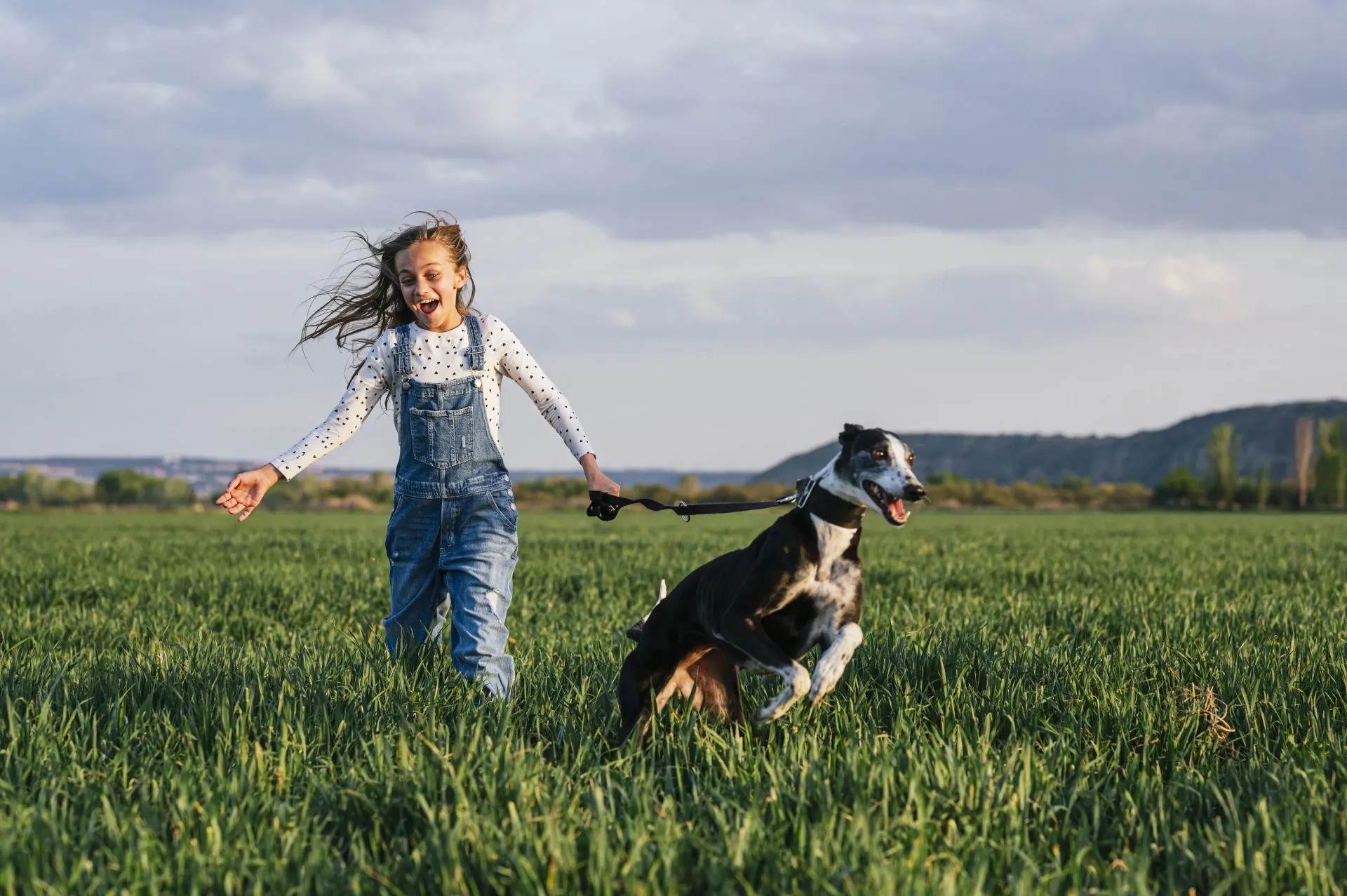
Are we caring for these animals as well as we can? Picture: Getty Images
And as the racing industry is discovering, the public increasingly expects to see proof of that care, not just promises.
They’ll be part of building a sustainable future where our partnerships with dogs are genuinely rewarding for both species. Those who can’t may find themselves wondering how something that seemed so permanent could disappear so quickly.
The choice is theirs to make – but the window for making it may be narrower than they think.
I exercise each week with the help of a nifty fitness app (Ladder—it’s great) that offers workout plans from a personal trainer and encouragement from other users. The instructors are knowledgeable and the community encouraging. But neither is my favorite thing about the app.
My favorite thing is when other users share pictures of their pets.
Photo: Getty Images
Now, seeing a border collie doing downward dog right along with their owner is, of course, super-adorable. And I am not going to lie. I am a pet lover through and through. Animal pictures make me irrationally happy.
But my giddiness at seeing someone’s golden retriever running buddy isn’t just about the universal appeal of cute animals or my over-the-top animal obsession. According to recent research, it reveals a useful truth that can help you build relationships not just at the gym, but at work too.
If you want to connect with people more deeply, the Wharton School at the University of Pennyslyvania study indicates, sharing a picture of your pet is an ideal way to do it.
Sharing personal information at work is a minefield
The study was born out of a common modern conundrum. Should you connect with colleagues on social media, and if so, what should you share?
Like the rest of us, the research team realized that social media offered both promise and peril for workers. It can help you feel closer to teammates, which just might make you happier and more successful.
“One of the things that we found in the study is that people will be much more comfortable connecting to other people who disclose personal information,” Wharton’s Nancy Rothbard, who was involved in the research, explained in one podcast interview.
But then again, seeing your boss downing a beer with his bros or joking about her colonoscopy (or your boss seeing you doing the same) blurs boundaries that make a lot of us uncomfortable.
As another Wharton professor, Adam Grant, once observed: “Authenticity without empathy is selfish. Of course we should be true to our values, but one of those values should probably be caring about others.” Your sharing shouldn’t cause others discomfort.
How are office workers navigating this charged landscape? To find out, the researchers conducted a series of in-depth interviews and also reviewed data on actual social media use.
Different people, different dangers
To no one’s surprise, the interviews confirmed that the question of social media use and how much personal information to disclose at work is fraught.
As Rothbard memorially puts it, interviewees “would equate connecting with a boss on Facebook or Instagram as equivalent to connecting with their mother. It was sort of the same horror.”
The team also found that the calculation of what kind of personal information to share was different for different types of people. Women who disclosed more personal information were generally assessed more positively, for instance. This is likely because of stereotypes that suggest women should be warm and friendly. Male bosses who shared a lot, on the other hand, were quickly seen as creepy.
To reap the benefits and avoid the potential pitfalls of social media at the office, workers employed various strategies, from being an open book to carefully curating their audience or content. (You can read more about these strategies here if you’re interested).
But whatever strategy they employed, nearly everyone was attempting to hit the same target. They wanted to come across as warm and human so they could connect on a deeper human level. But they didn’t want to embarrass themselves or anyone else by oversharing or prying.
A pet strategy for connection that works for everyone
Handily, Rothbard and her colleagues uncovered a secret weapon that anyone can use to hit that elusive sweet spot — your dog.
“Cute dog pics are a very, very hot commodity,” Rothbard correctly observes.
“If you have a cute dog and you want to post pictures of them, that’s a very good strategy, because people always love them, and they feel like they know you, and they feel connected to you. It gives them a sense of warmth that you’re displaying and a feeling that they know something about you that’s important, and that’s not fake or surface level. So, that personal disclosure really helps to create a bond between you and your fellow co-workers,” she goes on to explain.
This tallies with a large body of social science research that shows people tend to evaluate others on two basic qualities, warmth and competence. When we meet someone our first instinct is to ask: are they nice? Do they wish me harm? And, are they any good at their job? Can they do the things they say they can do?
Sharing pics of your weekend keg stand might get you tagged as warm, but it’s not going to do anything for perceptions of your competence. On the other hand, nailing every assignment but never saying a peep about your personal life is great for competence but lousy for warmth. Research suggests those that go furthest project both qualities.
You know what also allows you to project warmth without undermining your air of professional competence? Your dog doing yoga with you.
The bottom line here for everyone is a research-backed permission slip to let loose and pepper your team’s Slack channel with your cat’s wacky antics or dog’s doofy smile. You always knew your pets were super cute. Now you have data to prove they are also a secret weapon for connecting with others.
But there’s also another takeaway here for entrepreneurs and other business leaders, illustrated by my love of my fitness app’s pet picture days. If you want your team or your users to bond without crossing boundaries that make anyone uncomfortable, pets are a go-to move.
Create that dedicated chat for sharing animal pics. Show off your pooch at the beginning of the Zoom call. Organize a cutest pet pic contest among your team or your customers.
Getting people to talk about their animals is a science-backed way to help them truly connect without oversharing or awkwardness.
The opinions expressed here by Inc.com columnists are their own, not those of Inc.com.
I have been giving a lot of thought lately to the issue of fostering.
This time last year, Sox and I were fostering blind greyhound, Fred, who was adopted in mid-February and has settled well into a loving forever home. New Zealand has always had a homeless pet population – you don’t have to look far to find an adoption group (or two, three, or more) that operate in your area. And now, with a greyhound racing ban confirmed, our country has the responsibility to re-home the 2,900 hounds that the industry says it has it in its possession.
Fostering is the gift of life for dogs needing homes; it also has many benefits for the foster carer and the adoption agency.
Benefits of fostering
Fostering frees up space in shelters/kennels for another dog in need
For the fostered dog, it gives them a chance to de-compress (kennels keep dogs safe and fed, but they can also be noisy and negatively reinforcing – think of having roommates that you really wish would leave!)
For some dogs, they simply can’t cope in a shelter or kennel environment and these special dogs need to be cared for in a home before they are damaged from long-term kenneling
A fostered dog benefits from one-on-one attention and, if the foster carer/family own a dog (and/or other pets), then the fostered dog has the opportunity to learn the ‘house rules’ and how to interact with other companion animals
Fostered dogs often need to learn skills such as toilet training, walking on lead, and basic skills like wait, leave, and down (depending on the skills of the foster carer and the dog, of course) – a dog with life skills is less likely to have a failed adoption (returned to the adoption group)
Re-homing and adoption groups benefit from feedback from their foster carers; they learn about a dog’s likes and dislikes, behaviour, and areas for training – all of which enable them to give clearer information and support to adopters and to make a good and lasting match
Re-homing and adoption groups also benefit from the enthusiasm of their foster carers, who can help publicise the adoption group simply by taking the dog out for walks, promoting the dogs on their social media, and acting generally as a partner for the re-homing effort
An experienced foster carer is worth their weight in gold for the adoption groups they work with; some carers offer specialised skills that adoption groups often cannot afford to access on a commercial basis
For carers, fostering gives you the joy of companionship without necessarily the commitment of full-time ownership
There is huge satisfaction to be gained from giving a dog a second chance; the emotional reward is hard to describe
Setting expectations and standards
To be successful, fostering works best when the adoption agency and the foster carer are clear about expectations and standards. If the adoption agency isn’t clear about boundaries, it’s hard for the foster carer to know what a good job in fostering looks like.
Questions to ask if you are interested in fostering
Ask yourself why you want to foster – and be honest.
Most people I meet have the best of intentions to foster but can be emotionally unprepared for the experience. A foster dog is not your pet; some attachment to your foster dog is expected – it’s easy to bond with a dog in your care as you learn their personality. Some positive self-talk is a good idea – remind yourself that at some point you will need to farewell the dog, knowing that you gave them a head start for pet life.
What type of dog are you qualified to handle?
If you have breed-specific experience, it’s best to consider offering your skills to a breed-specific rescue group.
In more general terms, most previous dog owners will have experience with adult dogs; puppies are typically fostered only by those with puppy experience (and the availability to monitor them more closely throughout the day). If a dog has special needs such as behaviour issues or mobility or other physical impairments, then they will ideally need a special foster carer with some experience in these areas.
What support can you expect as a foster carer?
Most adoption groups will supply the basics for their foster carers: dog food, leash, collar, crate and bed.
Ask what process to follow if the dog is unwell and needs veterinary care, for example.
If you are experiencing behaviour problems and want to talk through training, what assistance is available? Some adoption groups have a dedicated person who will follow up with foster carers just to see how things are going – if this isn’t possible in your area, is there someone else you can bounce ideas off of?
All adoption agencies should be prepared to give you background on your foster dog. Some agencies will, of course, have very little information on the dogs that come into care. Others will have more information.
Foster agreements should be in writing
Agreements with a foster carer should be in writing and set out the responsibilities of each party; every adoption group should act as a business in this regard.
If foster carers are expected to be available for certain weekend adoption events, for example, then these should be clarified in the agreement.
Foster carers should be dealt with respect and, even if they are not being paid for their services, their in-kind time and efforts should be recognised as if the person was an employee. There should be no bullying, harassment or discrimination and the foster carer should have an avenue outlined in the agreement if a problem requires escalation. If the adoption agency has concerns about a foster carer’s competence or performance, then the agreement should outline how such situations will be handled.
What if you can’t manage it (for whatever reason)?
Life can throw us curve balls. Your situation may change. Perhaps the dog is higher needs than you anticipated and you are not coping; perhaps you are ill; perhaps there’s a family emergency. If you can’t manage to see your foster commitment through, then the foster agreement should outline the process to follow to return your foster dog. Depending on the circumstances, you should de-brief with your adoption agency, particularly if you’d like to foster again in the future.
Make a lifetime commitment only when it is right for you both
It’s natural to form a bond with your foster dog; affection for the dog is normal. After all, you are caring for a sentient creature who needs your help and who is living in your home…
While some dogs end up as ‘foster failures’, you must be sure that you can make the lifetime commitment to your foster dog if you are considering adopting them. Can you afford their care? Do you permanently have the time and space to give the dog its best pet life?
Note: If your intention is to add a dog to your home, ask your adoption agency about a ‘foster to adopt’ arrangement which means that you are providing foster care for the purpose of taking the dog on trial.
Fostering a dog in need can be one of the most rewarding experiences of your life.
If you are interested in fostering, please contact your local adoption groups for information on their needs – most will publish information on their website to get you started.
Kathleen Crisley, is Fear-Free certified dog massage therapist and canine fitness trainer. She has a particular passion for working with dogs and their families to ensure injury prevention and quality of life. She specialises in working with anxious and emotionally damaged dogs. Her mobile practice, The Balanced Dog, is based in Christchurch, New Zealand.
Three spaniels, an orchid in hiding, and an innovative technique that could change how Saving our Species monitors elusive species.
Trying to save a species that’s hard to find is a problem many conservationists face. Imagine the challenge when a species spends most of its time lying dormant beneath the earth’s surface.
The critically endangered Wyong sun orchid (Thelymitra adorata) is one of these hidden species. It is hard to see unless it’s flowering, which makes monitoring a difficult task.
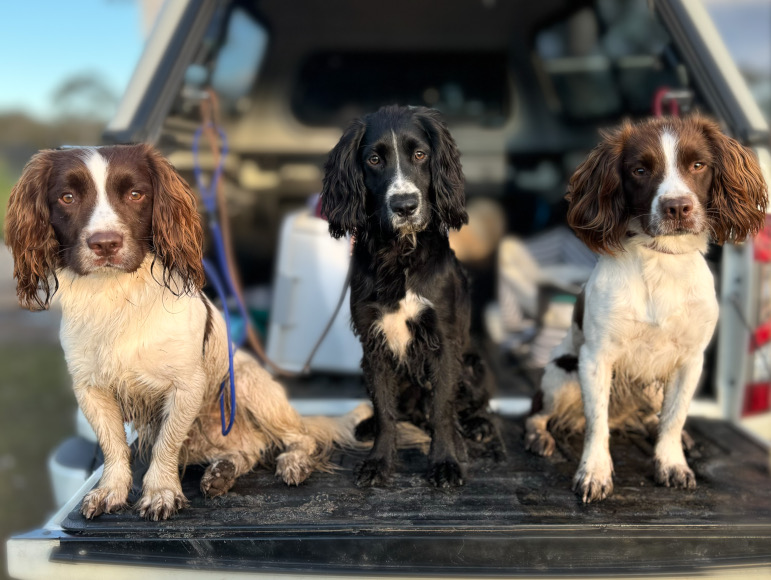
Three clever canines (Paddy, Sully and Vera) are being trained to use their strong sense of smell to help find this orchid. While the use of scent detection dogs is not new to conservation, this is the first time they have been used for Wyong sun orchid monitoring. It’s a trial that could mark the start of a game-changing method.
Hard-to-detect tubers
A tuber is a specialised plant stem that occurs underground, storing a lot of a plant’s nutrients. It exists in a type of hibernation mode. During this ‘resting’ phase, you could walk right over a tuber and never know it. When conditions above ground are favourable, a tuber will sprout and push through the soil, producing a plant that conservationists can finally see.
However, for the Wyong sun orchid’s tubers, the right conditions for emerging include the presence of fire (much like humans in winter). Imagine how much easier monitoring would be if conservationists could detect this plant without having to wait for these conditions.
A less invasive, innovative method
Thanks to a partnership between Saving our Species and dog training organisations On the Scent and The Good Dog, the team are one ‘sniff’ closer to detecting this species while it is sleeping.
‘If successful, this method may enable a year-round survey window, give greater certainty of survey results and assist in planning conservation actions, such as targeting areas for controlled burns’, said Paul Hillier, a senior regional conservation officer for Saving our Species.
‘Until now, the only way to find the Wyong sun orchid is by identifying the flower or leaf, whereas the dogs will attempt to find the plant by scenting the tubers under the ground in a minimally invasive way’, said Mel, owner and dog trainer, The Good Dog.
This unique partnership is expanding opportunities to conserve this critically endangered species, and if successful, may provide the basis for detecting other cryptic species in the future.
‘Both The Good Dog and On the Scent believe that supporting threatened species conservation is important to ensure they remain and repopulate in their habitat for years to come and don’t become just another item added to the extinction list’, said Philly, owner and dog trainer, On the Scent Canine Detection.
The project is also in collaboration with Australian Botanic Garden Mount Annan and Central Coast Council.
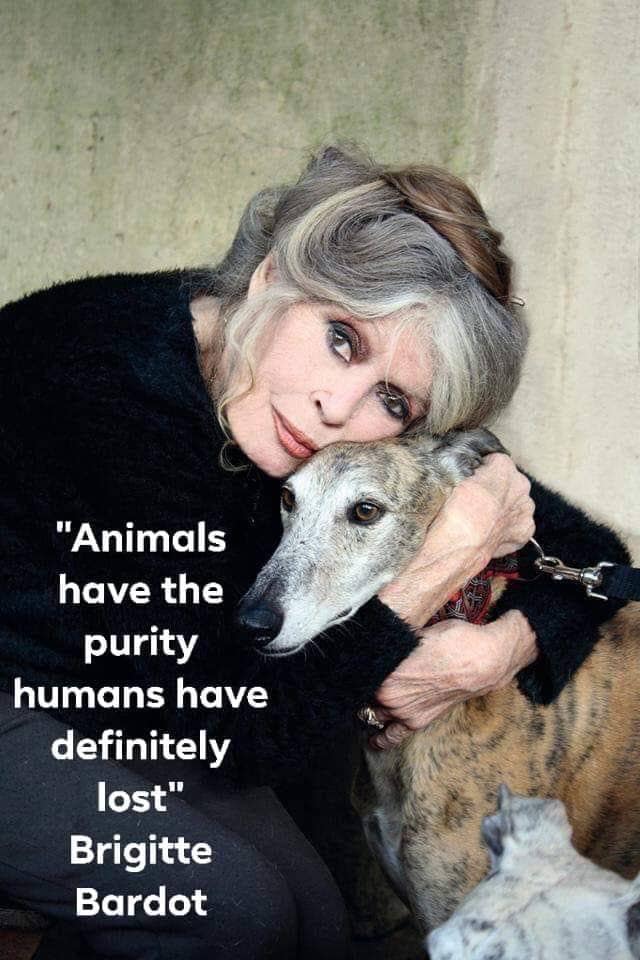
Man has much power of discourse which for the most part is vain and false; animals have but little, but it is useful and true, and a small truth is better than a great lie.
…look out for the new commercial by Coldwell Banker Real Estate. Entitled “Home’s Best Friend,” the commercial is part of a new project partnership – Homes for Dogs – with website Adopt-A-Pet.com to find 20,000 animals new homes in 2015.
Of course this commercial is designed to garner customers for Coldwell Banker. But animals will also benefit…and that’s fine by me!
In my opinion, part of owning an older dog means ensuring you devote time to them for bonding, love, attention and care.
Daisy and I are just finishing a Spa Weekend.
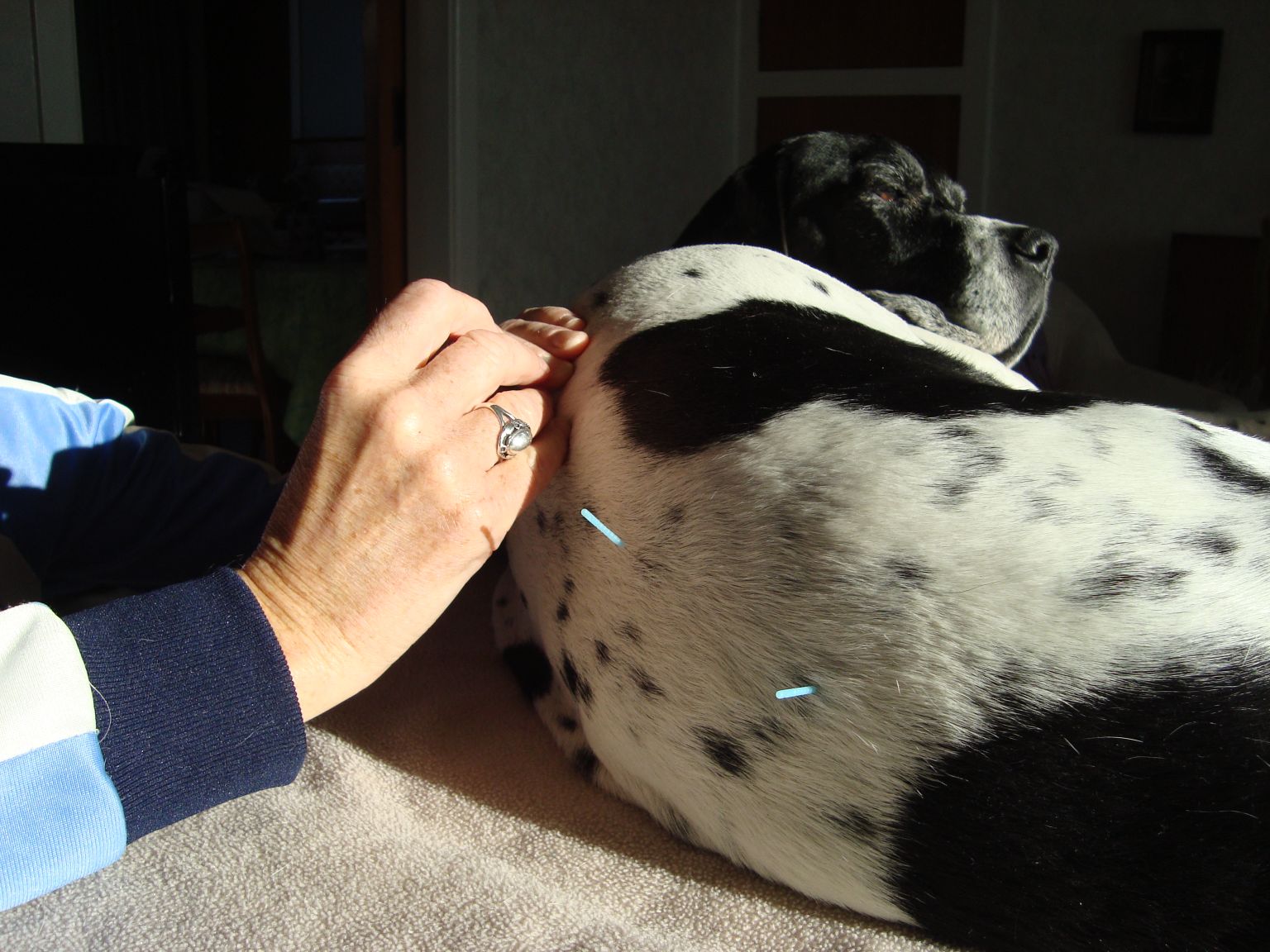
Daisy’s spa weekend started on Friday with a regular acupuncture session. Daisy gets acupuncture every 5 weeks:
Daisy is happy to lay still while Dr Susanne Anderson places her acupuncture needles
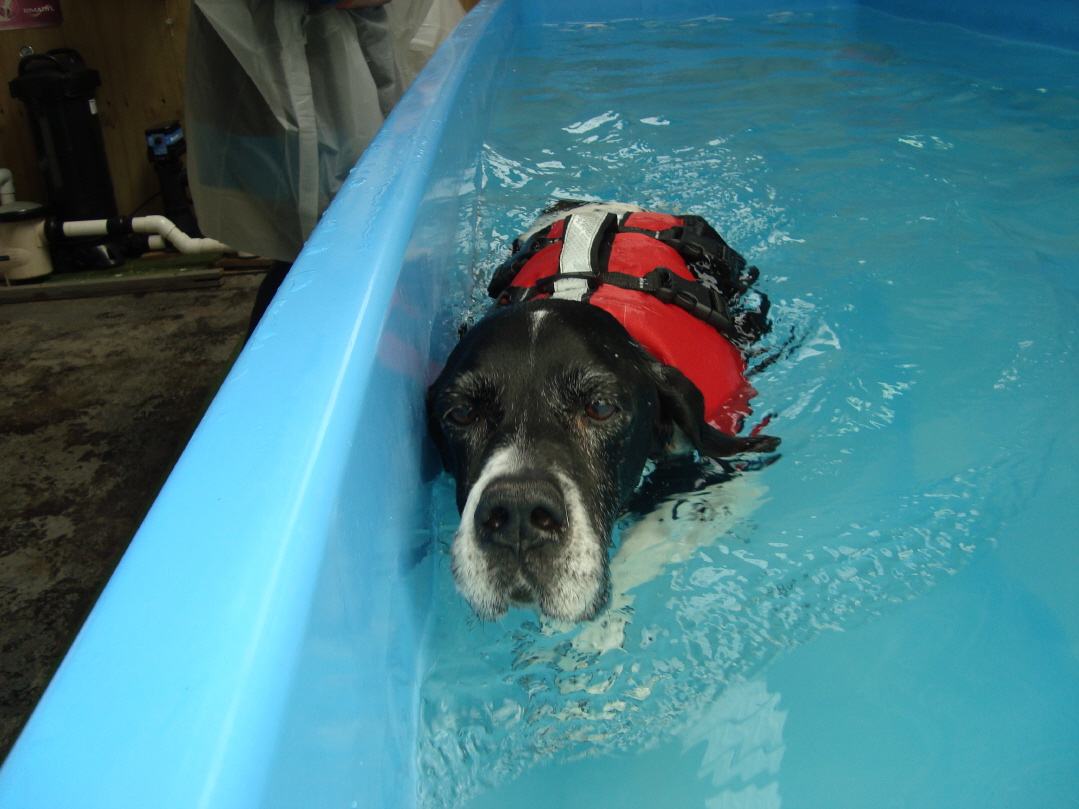
On Saturday, it was then time for Daisy’s hydrotherapy session. Daisy swims every fortnight (2 weeks) to keep her muscles strong and to keep range of motion in her hind legs:
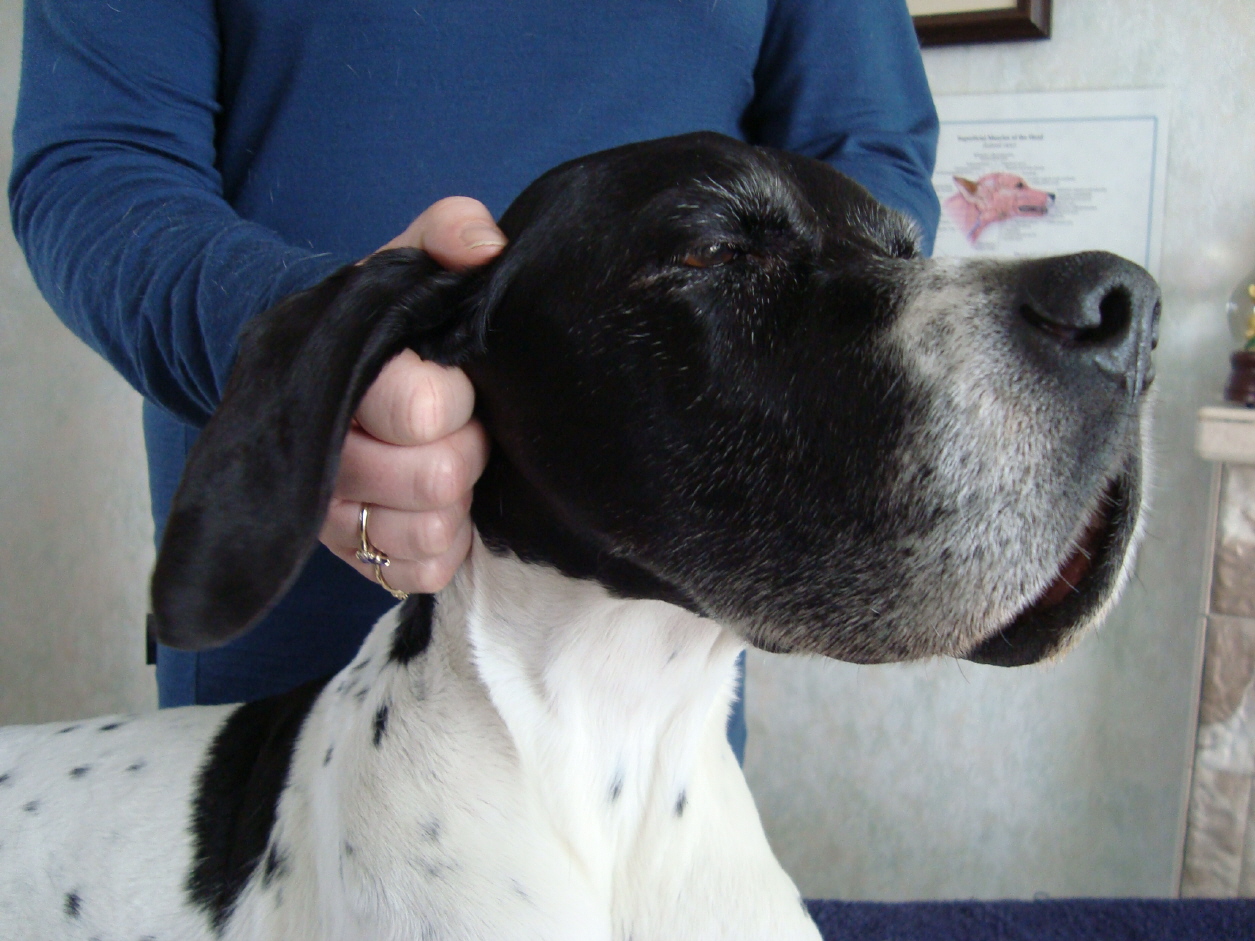
And today (Sunday), it was time for Daisy to enjoy a massage and laser treatment – lovingly delivered by me – her personal massage therapist and DoggyMom:
The only thing that was missing from Daisy’s spa weekend was a bath. But that’s because she had a bath last weekend!
How do you spend quality time with your elderly dog?







 DoggyMom.com