Earlier today, an acquaintance asked me to “Name 3 things you cannot live without.”
Not surprisingly, #1 just flowed off my tongue – My Dog.
Kathleen Crisley, Fear-Free certified professional and specialist in dog massage, rehabilitation and canine fitness, The Balanced Dog, Christchurch, New Zealand.
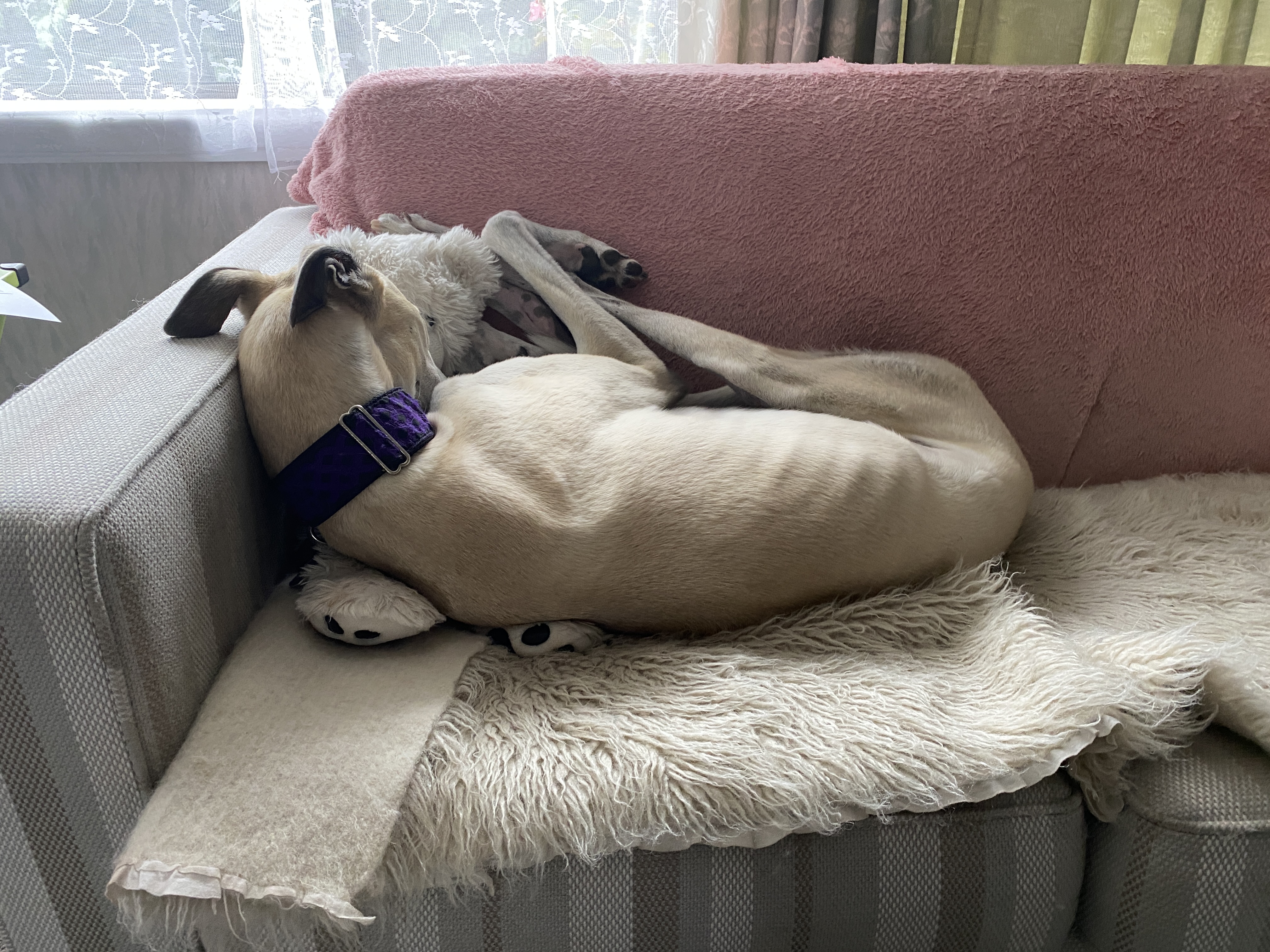
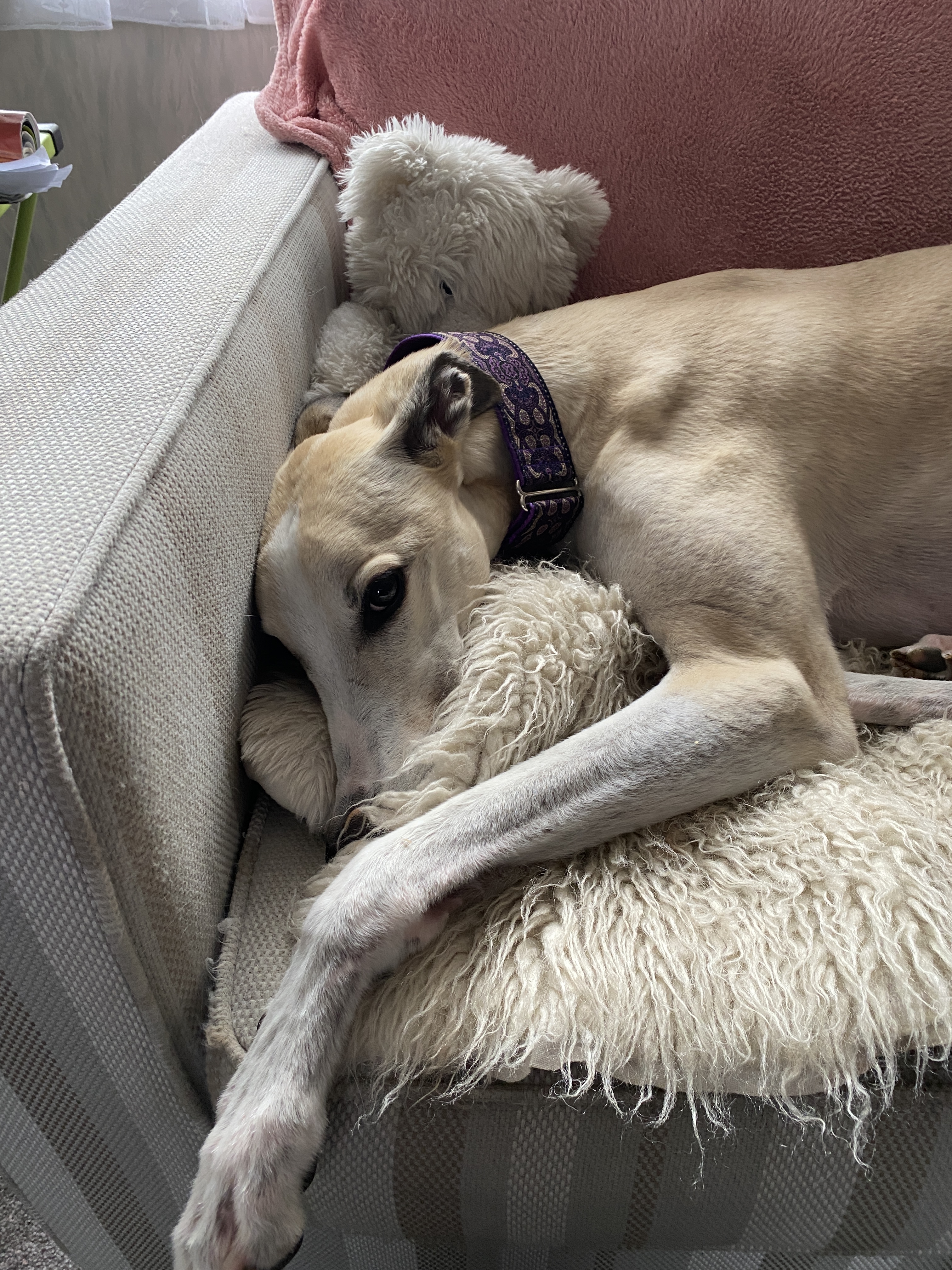
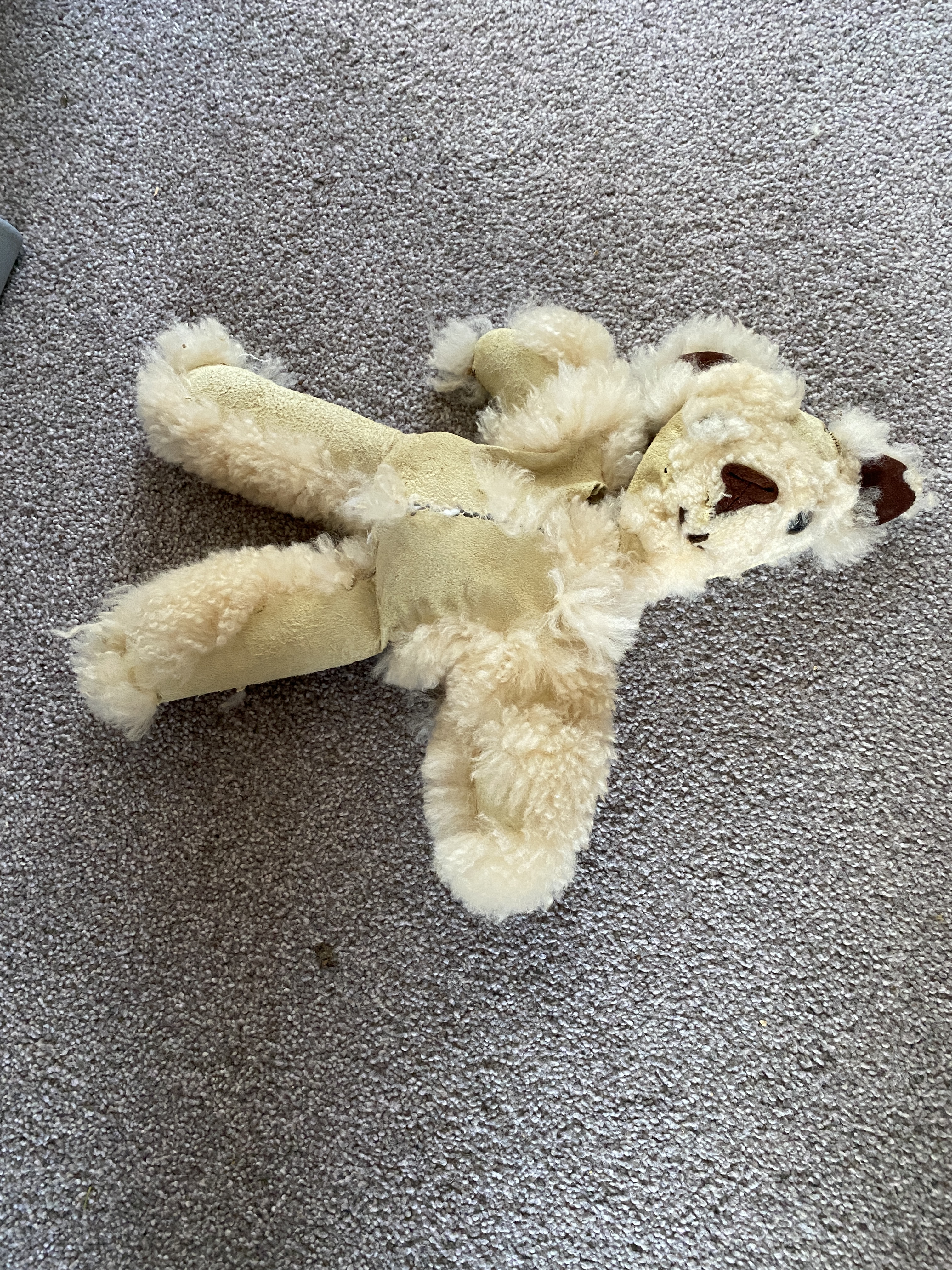
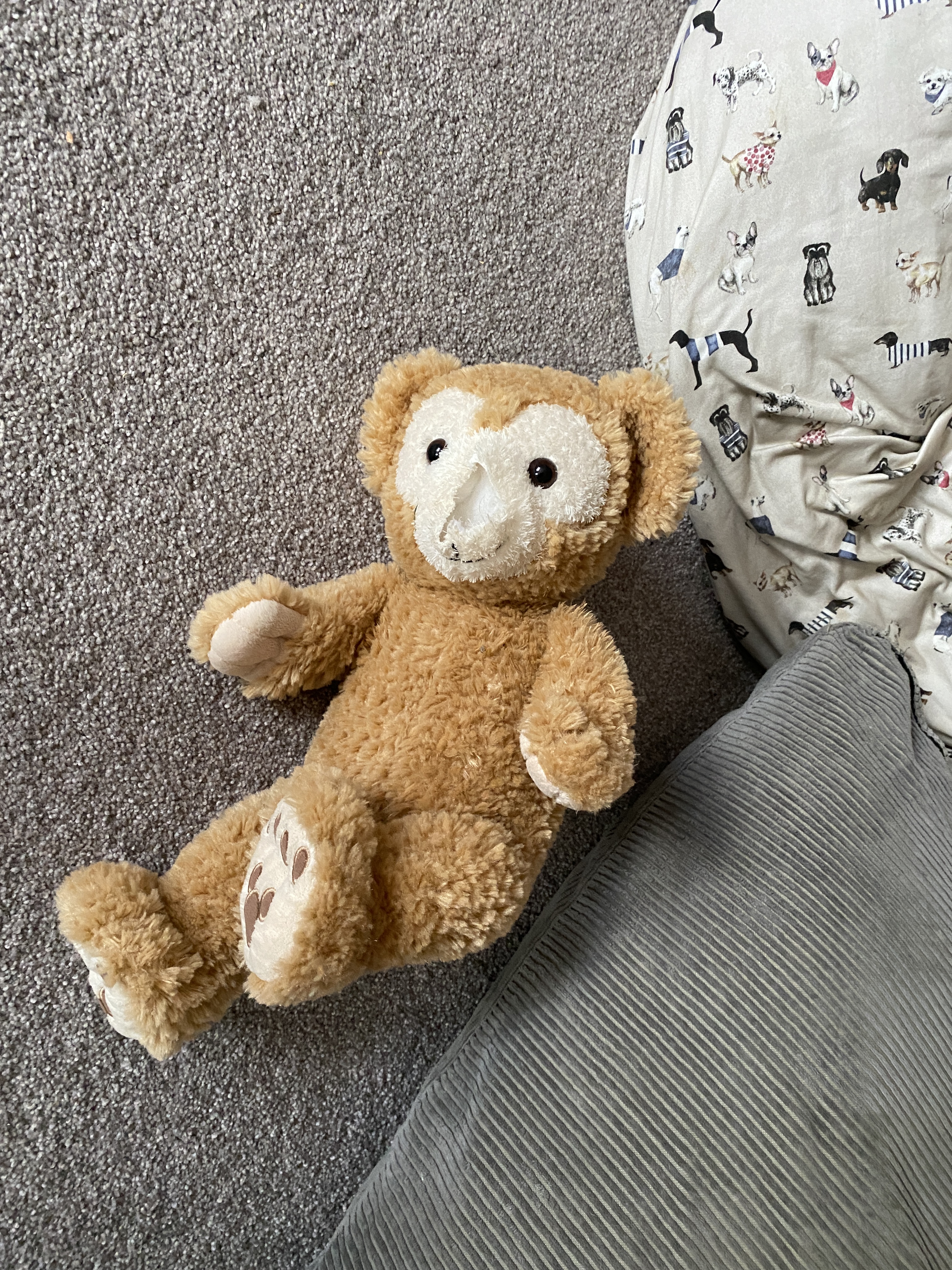
Sox has three special teddies. They are (from left to right):
Cuddle Teddy
Play Teddy
Chewing Teddy
Cuddle Teddy is special. I found him in a giveaway box at a local op shop shortly after adopting Sox. Sox had plenty of toys, but all were hand-me-downs from previous dogs. I felt he needed his own teddy. Since then, Sox will gently mouth Cuddle Teddy and sleeps with him on the couch. He has never shown any inclination to tear or rip Cuddle Teddy and, when Cuddle Teddy gets grey from all the saliva and mouthing, I will give him a wash. This upsets Sox very much and he will throw Cuddle Teddy around in the hope of getting him to smell better.
Chewing Teddy, as the name suggests, is the teddy that is the target of Sox’s hunting skills. Chewing Teddy has been re-stuffed and gutted many times. Always a favourite, although he looks worse for wear.
Which brings me to Play Teddy. As Chewing Teddy was getting very worn, I decided it might be time to head to the op shop for a new toy. Play Teddy’s nose was ripped off immediately but, unlike Chewing Teddy, Play Teddy is largely staying in one piece. He gets played with most nights after dinner.
What makes Sox choose one toy over another? Why is Cuddle Teddy so precious? I have pondered these questions for some time.
Remembering that dogs have the sentience of a two-year old child, I think Cuddle Teddy came at a particularly important time in Sox’s life as a pet. A toy that did not smell of previous dogs and which he could make his own.
I read once that ‘familiarity brings security.’ When a nervous child starts school, for example, they may take a favoured toy with them for security. My working theory is that Cuddle Teddy is Sox’s version of a security blanket. (Although I will keep washing teddy when he is ‘ripe’ as he looks much better on the sofa without his fur sticking together and with a dingy grey colour.)
What’s the future for Chewing Teddy and Play Teddy? Who knows? That is for Sox to decide. The degree of control that we give our dogs is something called agency – and sentient creatures deserve the opportunity to have choice.
Sox continues to mature as a pet since being adopted in March 2022; but judging by the last 2+ years, Cuddle Teddy seems almost certain to go the distance.
Kathleen Crisley, Fear-Free certified professional and specialist in dog massage, rehabilitation and canine fitness, The Balanced Dog, Christchurch, New Zealand.
Therapy dogs can help boost the spirits of healthcare workers in the same way they brighten the moods of hospital patients, a new study shows.
Photo: Ohio State University Wexner Medical Center
The furry, four-legged friends reduced emotional exhaustion and job stress among a small group of workers at two surgical and two intensive care units in the Midwest, researchers report.
“We brought the dogs to the units and many times we had staff in tears sitting with the dogs, telling them about their day,” said lead investigator Beth Steinberg, a senior researcher with Ohio State University’s Center for Integrative Health.
“For the most part, people have an affinity to a non-judgmental, warm, furry animal that can come and just sit with them and listen,” Steinberg said in a university news release. “Dogs don’t care what you look like, how you’re feeling that day; they just know that when you need them, they’re there.”
Steinberg is co-founder of Buckeye Paws, a therapy dog program initially aimed at improving the mental and emotional health of staff at the Ohio State University Wexner Medical Center.
Buckeye Paws launched in March 2020, shortly before the pandemic began taking its toll on overtaxed health professionals.
To see whether the program is making a difference, researchers focused therapy dog sessions with a group of 64 health care workers. The group included doctors, nurses, nurse practitioners, respiratory and rehabilitation therapists, patient care associates and unit clerks.
“The recruitment for this study was incredibly easy because as soon as you said, ‘We’re going to do a study assessing your response to therapy dog interaction,’ people were like, ‘I’m in!’” Steinberg said. “Even before COVID-19 hit hospitals so hard, the staff were already struggling with stress, burnout, lack of work engagement.”
Buckeye Paws handlers — all hospital employees who volunteered their time — brought in seven certified therapy dogs three times a week for eight weeks. The study ran from October 2021 to March 2022.
“There was free interaction with the dogs that people could spend as much or as little time as they wanted with the dogs,” Steinberg said. “Prior to their interactions, we asked them to fill out a basic 1 to 10 mood scale. And then, after the interaction, they did that again.”
Most interactions were brief, just a few minutes between a dog and a health care worker at a clinical workstation or in a team room or break room.
But results showed the brief sessions made a big impact.
Many study participants reported an immediate decrease in feelings of stress, emotional exhaustion, depersonalization and burnout.
“Our findings suggest that an animal-assisted activity, available for healthcare workers within busy inpatient settings, may offer immediate benefits through improved mood,” researchers concluded in their report, which was published recently in the International Journal of Complementary & Alternative Medicine.
Buckeye Paws expanded in March 2022, and now provides therapy dog assistance to students, faculty and staff at Ohio State University. There are now 29 dog-handler teams in the program, with another 11 teams going under training and eight more beginning the process, researchers said.
Congresswoman Claudia Tenney (NY-24) introduces the PAW Act during Pet Night on Capitol Hill
The Human Animal Bond Research Institute (HABRI), the Pet Food Institute (PFI) and the Pet Advocacy Network co-hosted Pet Night on Capitol Hill on 11 September 2024, paying special tribute to the important role of service animals for our nation’s disabled veterans, and celebrating the positive impact of pets in America. Pet Night on Capitol Hill brought together Members of Congress, congressional staff, and leaders in the pet care community to share programs and policies that protect human and animal well-being.
“Pet Night on Capitol Hill is more than just an evening spent with some incredible pets—it’s a chance to convey to Congress the vital message that policies and programs keeping people and pets together promote better health and well-being for all,” said Vic Mason, President of the World Pet Association (WPA) and presenting sponsor of Pet Night.
“HABRI is proud to co-host Pet Night on Capitol Hill, a night dedicated to honoring the human-animal bond and its positive impact on the well-being of individuals, families and communities, including our nation’s veterans who rely on the healing support of service dogs,” said Steven Feldman, President of HABRI.
At the event, attendees interacted with Pet Partners therapy animals, show cats provided by the Cat Fanciers’ Association, and adoptable puppies from Petco Love.
Veterans and their service dogs were recognized during the Ceremony for their service to our country, and the National Service Dog Memorial displayed a replica of the resin casting of “Sully”, President George H.W. Bush’s Service dog by Susan Bahary, which will be placed in the permanent collection of the George H. W. Bush Presidential Library and Museum in College Station, TX.
The Animal Health Institute (AHI) honored the winners of the Cutest Pets on Capitol Hill contest, now in its sixteenth year, recognizing the most adorable animals belonging to Members of Congress and their staff.
Cutest Dog: Palmer Owner: Joe Ballard Office of Rep. Kelly Armstrong (ND)
Cutest Cat: Moony Owner: Izzah Yousuf Office of Rep. Al Green (TX-9)
Cutest Exotic: Froth Owner: Larson Church Office of Rep. Andrew Clyde (GA-9)
“I’m happy to once again partner with AHI to be a part of this event, which brings together members from both parties to share our mutual affection for our beloved pets. This event is also a fantastic reminder that ensuring our pets’ and animals’ health and safety is crucial for both their wellbeing and ours,” said Congresswoman Schrier. “That’s why in Congress, I’ve advocated for animal health through legislation like ADUFA to get new, innovative, and safe veterinary medications to market, and I am incredibly proud that this legislation was signed into law last September.”
“I’m honored to be a congressional judge for this year’s AHI Cutest Pets Contest,” said Rep. Cammack (R-FL-03). “Folks on the Hill know my office is home to our three pups who often greet guests and visitors, so we always appreciate the opportunity to support our furry friends! This year’s Pet Night is also special as we pay homage to the heroes and animals who have served our nation. I’m grateful to the Animal Health Institute for inviting me to participate in this year’s event.”
“The Animal Health Institute’s Cutest Pets on Capitol Hill is always a highlight, but there’s so much more to it than just cuteness – it’s all about the importance of pets in people’s lives,” said Alex Mathews, President and CEO of AHI. “The animal health industry serves not only to keep pets healthy, but also to keep families healthy and happy together, and we’re proud to celebrate this each year at Pet Night on Capitol Hill.”
HABRI’s “Human Animal Bond Leadership Award” was conferred upon Representative Claudia Tenney (NY-24) and Representative Deborah Ross (NC-02) for their sponsorship of the People and Animals Well-being (PAW) Act, a newly introduced bill that would allow people to use up to $1,000 of their Health Savings Accounts (HSAs) or Flexible Spending Accounts (FSAs) for veterinary care or a pet health insurance policy for their pets. The bill would impose no limit on veterinary care for service animals, providing even more support for people with disabilities, including our nation’s veterans.
“Our pets and service animals are cherished members of our families, and it’s essential that owners have the ability to pay for quality care,” said Congresswoman Tenney. “The PAW Act offers greater flexibility to pet owners by allowing them to use HSAs and FSAs for pet care expenses. This legislation will help veterans, and all pet owners afford veterinary care for their beloved pets and service animals.”
“The Pet Advocacy Network’s “Pets’ Best Friend” award was conferred upon three Members of Congress and Senators who have demonstrated a commitment to supporting pets and pet owners. Congressman Jake LaTurner of Kansas was jointly recognized by PAN and PFI, and Senator Chuck Grassley of Iowa and Congressman Glenn “GT” Thompson of Pennsylvania were recognized for their tireless service on behalf of companion animals and those who serve and support them.
“We were thrilled to recognize these Members of Congress with the Pets’ Best Friend award and to once again co-host this important celebration of pets and pet ownership in America,” said Pet Advocacy Network President and CEO Mike Bober.
“Just as complete and balanced nutrition is critical for pets, policies and programs that ensure healthy lives for people and pets are also important. Pet Night on Capitol Hill is a wonderful opportunity for the pet care community to showcase its longstanding commitment to the importance of service dogs for veterans, pets in classrooms for children, and the dire need for more pet-friendly housing, especially for domestic violence shelters,” said Dana Brooks, President & CEO of PFI.
Pet Night is part of Pet Week on Capitol Hill, a week-long series of virtual programming and in-person visits. Virtual sessions share key data about how pets are important for human health and quality of life and highlight the most pressing issues relating to pet ownership in America. All recorded sessions from Pet Week on Capitol Hill are now available to view on-demand at http://www.petnight.com
FidoCure, the flagship brand of the One Health Company, has been granted a patent for a novel targeted therapy and biomarker for canine cancer by the US Patent and Trademark Office (USPTO). The patent covers a new approach to treatment, using mutation profiling to better manage bladder cancer in dogs.1
The now-patented approach, driven by artificial intelligence (AI), considers real-world evidence from veterinary clinical data and uses it to determine the ideal methodology for therapeutic treatment. Early data reports suggest the new approach may be more efficacious compared to conventional treatment methods.1
“This patent acknowledges the uniqueness of our approach, which has consistently demonstrated that it can transform outcomes for pet dogs with cancer while improving the quality of life for the patients,” Christina Lopes, cofounder and CEO of the One Health Company and FidoCure, said in a news release.1 “Receiving a patent is an important milestone in our mission to increase access to lifesaving treatments for pet dogs with cancer.”
Each year, 6 million dogs in the US are affected by cancer, and many of them by bladder cancer.1 Transitional cell carcinoma (TCC) is the tumor that affects the bladder, and Atlantic Veterinary Internal Medicine and Oncology (AVIMO) approximates that TCC is diagnosed in 80,000 dogs each year.2 Biologically speaking, canine cancer is relatively similar to human cancer, but, according to FidoCure, treatment and care for canine cancer is about 20 years behind humans.1
“Bladder cancer [treatment] in dogs is an unmet need,” Gerald Post, DVM, MEM, CACVIM, chief medical officer of One Health, said in a news release.1 “Traditional chemotherapy and radiation therapy are often ineffective, cause toxic side effects, and are expensive.”
The patent, No. 12036281-B2, protects FidoCure’s technology for 20 years following its priority date.1 Lopes, alongside her FidoCure cofounder Benjamin Lewis and other key team members, are named as inventors on the patent. The company currently has an additional 8 pending patents, covering novel therapeutics and biomarkers, and will be seeking approval from the FDA for their products in the near future, according to the release.1
FidoCure came together with the goal to improve outcomes for canine cancer patients. More specifically, the founders wanted to put an end to blanket chemotherapy and radiation treatments, regardless of cancer type, citing the use of target therapies in human oncology. They’ve since partnered with a board of medical and veterinary advisors with multidisciplinary knowledge, spanning the fields of human and canine oncology.3
Among the company’s achievements is the FidoCure Next Generation Sequencing Test, through which the results allow care providers to better customize treatment options using targeted therapies. In early 2022, FidoCure partnered with IDEXX, a company focused on global pet healthcare innovation, to provide access to the test to its’ veterinary clients throughout the US and Canada.4
What if reducing your dementia risk could be as simple as owning a dog? Several observational studies published last year suggest pet ownership could meaningfully reduce your risk among proving other emotional and physical benefits. Sixty-six percent of households in the United States own a pet, with dogs being the most popular companion. Pets can bring us joy, help alleviate stress, offer companionship, and even help us lead a more active lifestyle.
Researchers have now found an added benefit of being a pet owner — pets could stave off brain aging in humans. People who own pets are less lonely — a major risk factor for dementia. Now, scientists are interested in seeing whether people who owned cats or dogs had a lower risk of cognitive decline or dementia.
Owning a dog or cat could meaningfully reduce your risk of developing dementia, several observational studies published last year found, especially if you’re over the age of 50.
What does the science say about dementia, dogs and cats?
In 2023, Japanese researchers published a study that looked at 11,194 older adults to see whether owning dogs or cats provided a protective effect against dementia.
Compared to those without pets, dog owners were 40 percent less likely to develop dementia over a four year period. Additionally, dog owners who were social or exercised regularly experienced an extra 20 percent decrease in dementia risk. The study didn’t find evidence that owning cats had a similar effect.
Chinese researchers published a similar study last year, also looking at the link between pet ownership and cognitive decline. The study’s participants received psychological tests to assess their memory, verbal fluency, and thinking eight years apart. The cohort was composed of 7,495 adults over the age of 50 living in the UK.
Among individuals who were living alone, owning a cat or dog was associated with a slower rate of cognitive decline. However, older adults living with other people saw no significant benefit, which suggests that companionship from dogs or cats could offset some of the negative effects of living alone.
This field of research is still very new, and for people who have already developed Alzheimer’s or dementia, there isn’t a lot of research yet on how interactions with pets or trained therapy animals affect further cognitive decline.
Despite the lack of concrete research on cognitive decline, many long-term care facilities have also started implementing animal-assisted therapy for their residents facilitated by certified handlers and trained dogs. Dogs can still improve their quality of life and have been shown to offer stress-reducing benefits. Spending time with a furry friend could ease agitation, aggression, depression, and even help residents cope with sundowning, emotional and behavioral issues that worsen as daytime fades.
While more research is needed to determine whether adopting pets can have a protective effect on the brains of isolated older adults, pet ownership can offer many benefits to your emotional and physical health.
How many of us would love to write a book about our dogs, but lack the skill, time, resources or dedication to do so? Douglas Green has not only written about his dog, Shirelle, but has introduced a second edition of his book that was originally published in 2015.
The Teachings of Shirelle (Life Lessons from a Divine Knucklehead) is a memoir of a special dog.
The book is a series of chapters, all constituted of short passages, some only a paragraph in length and others 1-2 pages. It is written in the style of thoughts and, if you’re anything like me, you don’t think in lengthy chapters and so the pace is consistent with how I live my life.
It’s as if thoughts have popped into Douglas’ head as he remembers his life with Shirelle and he had to write quickly to capture the moment – the wisdom she shared in that moment.
As a bonus, the writing style makes this book uncomplicated – you can easily bookmark your place on your commute to work, or whenever you are too tired to keep reading.
“She wasn’t the smartest dog who ever lived, says Green in his Introduction. “She was fast and strong but not an award winner. She was beautiful but not a model for calendars. She was bright, except when she was an uncontrollable idiot.”
How many of us can relate?
As their lives together extend into years, Green develops a deep appreciation for Shirelle’s approach to life; a mirror through which he channels deeper wisdom. Shirelle is there through various relationships with women, and through career highlights such as directing a stage play called Sylvia which stars a dog as a central character that brings a husband and wife together and saves their marriage (you’ll have to read the book for more info on the play).
The worst part of the book is, understandably, the ending when Shirelle loses her battle with hemangiosarcoma and Green succumbs to that intense grief we feel when we lose a loved pet. But, then again, dog people know that our dogs lives are short. The ending isn’t a surprise, but inevitable when the main character is a dog.
Add to your reading list now and perhaps the Christmas shopping list for the dog lover in your life. And I will close with a passage from Green’s last Christmas card which featured Shirelle:
Love Thoughtlessly.
Relish the day.
If you’re not in awe,
You’re just not paying attention.
The publicist for the book, MindBuck Media, kindly sent me an advance review copy to enable me to read the book which went on sale on 9 July 2024. The views expressed in this review are entirely my own.
Kathleen Crisley, Fear-Free certified professional and specialist in dog massage, rehabilitation and canine fitness, The Balanced Dog, Christchurch, New Zealand.











 DoggyMom.com