It’s been a big week at The Balanced Dog. I have just finished my last Saturday of consults for 2025 and, earlier this week, Sox turned 8 (his birthday party was a two weeks ago, to accommodate the travel plans of friends).
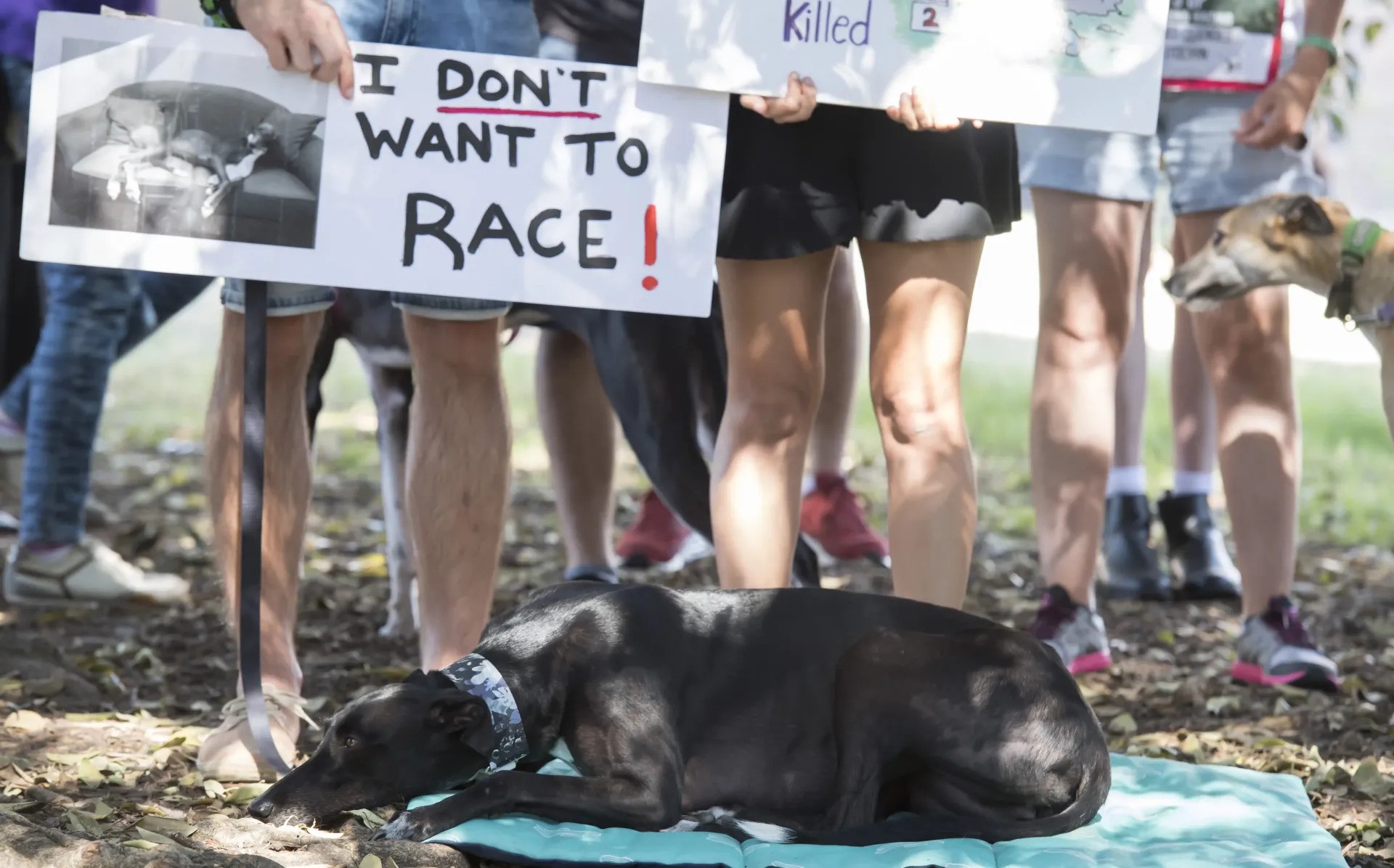
And there are only 20 days left to make a submission on the Racing Industry (Closure of Greyhound Racing Industry) Amendment Bill. A year ago, the NZ Government made an announcement of its intention to ban greyhound racing in this country; the bill has passed its first reading with wide cross-party support. It’s now time for the public to have their say…
Probably thanks to Sox’s birthday, and the number of greyhounds I work with in my practice, greyhounds, racing and animal welfare have been on my mind a lot recently. I am definitely making a submission.
Here are the points/issues I want to raise:
Animals are not statistics. Behind percentages are living, breathing and sentient creatures.
What do we mean by animal welfare? In layman’s terms, it’s quality of life for the entire life of the animal.
What is the definition of an accident? Depending upon which dictionary you use, this is defined as an unforeseen and unplanned event or circumstance or an unfortunate event resulting especially from carelessness or ignorance.
What is our lifetime responsibility as stewards and ”owners” of dogs?
What are the inherent risks of racing?
How painful is a broken hock, a fractured skull or other high impact injury?
With concerns that greyhounds will become extinct in New Zealand if racing is banned, what protections will there be for breeders who wish to continue their bloodlines and provide the NZ public with a greyhound if they choose to buy one?
I encourage anyone with an interest in the greyhound breed to submit. That’s what public submissions are for. There are many templates circulating to assist you in making a submission. I believe the most powerful submissions are those that share personal experience.
Be sure to read the legislation so you can align your comments with specific clauses and be sure to tell the Select Committee if you want to be heard (that is, appear in person or by video link).
Kathleen Crisley is Fear-Free certified dog massage therapist and canine fitness trainer. She has a particular passion for working with dogs and their families to ensure injury prevention and quality of life. She specialises in working with anxious and emotionally damaged dogs. Her mobile practice, The Balanced Dog, is based in Christchurch, New Zealand
I’ve just read this piece by Dr Mia Cobb of the University of Melbourne and had to share it. Thankfully, it was published under a Creative Commons license to enable re-publication with citation.
But something has changed globally over the last year, and it has big implications for dogs worldwide.
This rapid cascade of bans signals something much bigger. Picture: Getty Images
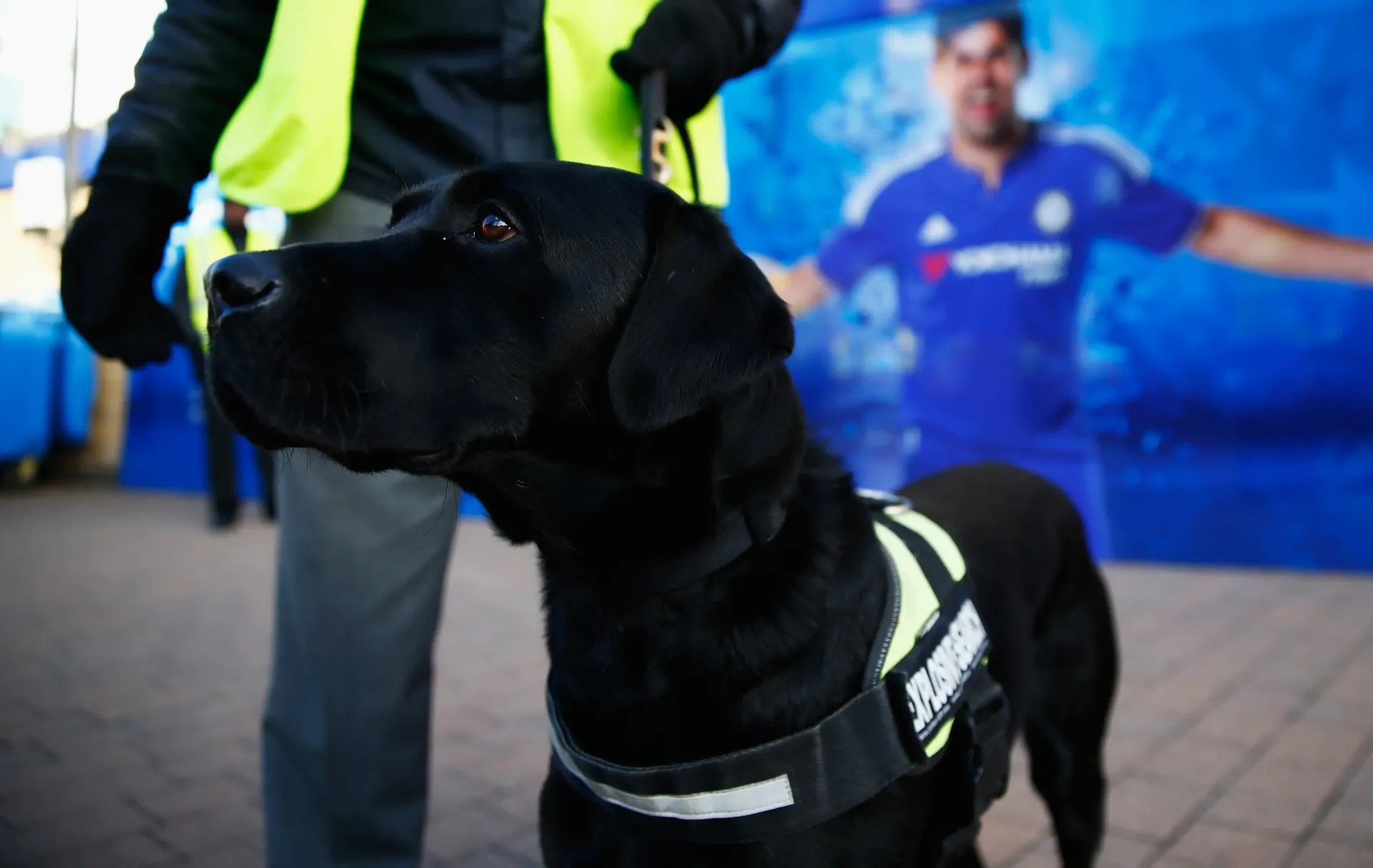
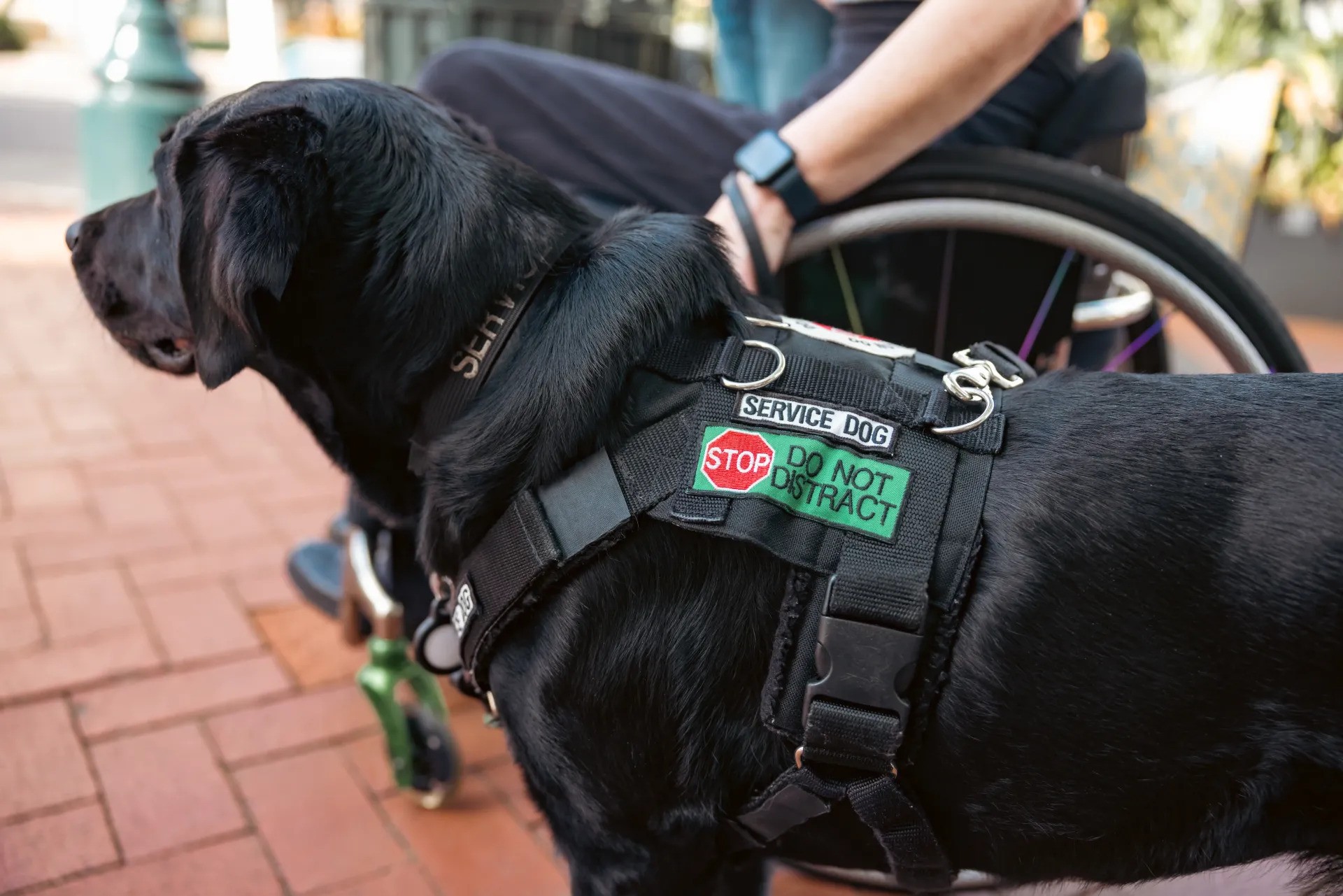
But what does this mean for the other dogs in our lives? The detection dogs in our airports, the dogs assisting people with disabilities, those supporting students in our schools or even the dog asleep on your couch?
We may donate to assistance dog charities, watch border detection programs on TV and admire search-and-rescue teams helping in disaster zones without considering what daily life looks like for these canine workers.
As people become increasingly conscious about animal treatment, from farm animals to those in entertainment, this awareness is expanding to include all the ways we ‘use’ dogs.
Our expanding awareness of animal treatment now includes all the ways we ‘use’ dogs. Picture: Getty Images
The recent greyhound racing collapse demonstrates how quickly public support can evaporate when welfare concerns aren’t adequately addressed.
Consider the contrast between those who embrace scrutiny versus those that resist it.
Some organisations or operators working with dogs proactively demonstrate their welfare standards, welcome independent oversight and engage openly with concerns. Others operate behind closed doors or respond defensively when questions arise about how their animals are bred, reared, housed, trained and rehomed.
Those thriving under increased public attention share common approaches: they treat welfare as a core priority rather than a compliance exercise, even when it means making major changes to the way in which they operate (for example, their training methods or the equipment used).
They also understand that genuine transparency builds public trust in ways that defensive responses never can.
But there’s an important distinction between real change and ‘welfare washing’ surface-level improvements designed more for public relations than to genuinely assure animal wellbeing.
The public is becoming increasingly sophisticated at spotting the difference.
The speed of recent racing bans – three jurisdictions in around 18 months – shows how rapidly momentum can build once public opinion shifts.
What earning trust looks like
The organisations embracing increased welfare scrutiny share common characteristics.
They proactively demonstrate care standards rather than waiting for pressure. They welcome independent monitoring and engage genuinely with concerns rather than dismissing them.
There’s a reframing from dogs as tools we use to co-workers we partner with. Picture: Getty Images
Most importantly, they recognise that working with dogs comes with profound responsibilities.
This reframing, from dogs as tools we use to co-workers we partner with, means ensuring dogs have agency in their daily lives – the ability to make choices about when to rest, opportunities to be dogs rather than just workers and environments that offer them positive social and physical experiences.
It means transparency about career length, retirement plans, injury rates and living conditions. It means treating welfare as a core business priority, not a public relations exercise.
The dogs supporting our lives
International Dog Day provides an annual opportunity to shine a spotlight on all the dogs we rely on in our lives, not just our pets at home.
t’s a chance to ask: are we caring for these animals as well as we can?
The greyhound racing industry’s decline shows what happens when the answer is unclear or unconvincing.
Public trust, once lost, is extraordinarily difficult to rebuild, especially when alternatives exist that don’t rely on the use of real animals.
Everyone relying on dogs should be asking themselves: if public attention suddenly focused on our operation tomorrow, would we welcome that scrutiny? Can we demonstrate genuine care for our animals’ wellbeing, not just their productivity?
The dogs supporting our lives – whether working at airports, guiding people safely across roads or living as companions in our homes – deserve nothing less than our full consideration of their wellbeing.
Are we caring for these animals as well as we can? Picture: Getty Images
And as the racing industry is discovering, the public increasingly expects to see proof of that care, not just promises.
They’ll be part of building a sustainable future where our partnerships with dogs are genuinely rewarding for both species. Those who can’t may find themselves wondering how something that seemed so permanent could disappear so quickly.
The choice is theirs to make – but the window for making it may be narrower than they think.
I have been giving a lot of thought lately to the issue of fostering.
This time last year, Sox and I were fostering blind greyhound, Fred, who was adopted in mid-February and has settled well into a loving forever home. New Zealand has always had a homeless pet population – you don’t have to look far to find an adoption group (or two, three, or more) that operate in your area. And now, with a greyhound racing ban confirmed, our country has the responsibility to re-home the 2,900 hounds that the industry says it has it in its possession.
Fostering is the gift of life for dogs needing homes; it also has many benefits for the foster carer and the adoption agency.
Benefits of fostering
Fostering frees up space in shelters/kennels for another dog in need
For the fostered dog, it gives them a chance to de-compress (kennels keep dogs safe and fed, but they can also be noisy and negatively reinforcing – think of having roommates that you really wish would leave!)
For some dogs, they simply can’t cope in a shelter or kennel environment and these special dogs need to be cared for in a home before they are damaged from long-term kenneling
A fostered dog benefits from one-on-one attention and, if the foster carer/family own a dog (and/or other pets), then the fostered dog has the opportunity to learn the ‘house rules’ and how to interact with other companion animals
Fostered dogs often need to learn skills such as toilet training, walking on lead, and basic skills like wait, leave, and down (depending on the skills of the foster carer and the dog, of course) – a dog with life skills is less likely to have a failed adoption (returned to the adoption group)
Re-homing and adoption groups benefit from feedback from their foster carers; they learn about a dog’s likes and dislikes, behaviour, and areas for training – all of which enable them to give clearer information and support to adopters and to make a good and lasting match
Re-homing and adoption groups also benefit from the enthusiasm of their foster carers, who can help publicise the adoption group simply by taking the dog out for walks, promoting the dogs on their social media, and acting generally as a partner for the re-homing effort
An experienced foster carer is worth their weight in gold for the adoption groups they work with; some carers offer specialised skills that adoption groups often cannot afford to access on a commercial basis
For carers, fostering gives you the joy of companionship without necessarily the commitment of full-time ownership
There is huge satisfaction to be gained from giving a dog a second chance; the emotional reward is hard to describe
Setting expectations and standards
To be successful, fostering works best when the adoption agency and the foster carer are clear about expectations and standards. If the adoption agency isn’t clear about boundaries, it’s hard for the foster carer to know what a good job in fostering looks like.
Questions to ask if you are interested in fostering
Ask yourself why you want to foster – and be honest.
Most people I meet have the best of intentions to foster but can be emotionally unprepared for the experience. A foster dog is not your pet; some attachment to your foster dog is expected – it’s easy to bond with a dog in your care as you learn their personality. Some positive self-talk is a good idea – remind yourself that at some point you will need to farewell the dog, knowing that you gave them a head start for pet life.
What type of dog are you qualified to handle?
If you have breed-specific experience, it’s best to consider offering your skills to a breed-specific rescue group.
In more general terms, most previous dog owners will have experience with adult dogs; puppies are typically fostered only by those with puppy experience (and the availability to monitor them more closely throughout the day). If a dog has special needs such as behaviour issues or mobility or other physical impairments, then they will ideally need a special foster carer with some experience in these areas.
What support can you expect as a foster carer?
Most adoption groups will supply the basics for their foster carers: dog food, leash, collar, crate and bed.
Ask what process to follow if the dog is unwell and needs veterinary care, for example.
If you are experiencing behaviour problems and want to talk through training, what assistance is available? Some adoption groups have a dedicated person who will follow up with foster carers just to see how things are going – if this isn’t possible in your area, is there someone else you can bounce ideas off of?
All adoption agencies should be prepared to give you background on your foster dog. Some agencies will, of course, have very little information on the dogs that come into care. Others will have more information.
Foster agreements should be in writing
Agreements with a foster carer should be in writing and set out the responsibilities of each party; every adoption group should act as a business in this regard.
If foster carers are expected to be available for certain weekend adoption events, for example, then these should be clarified in the agreement.
Foster carers should be dealt with respect and, even if they are not being paid for their services, their in-kind time and efforts should be recognised as if the person was an employee. There should be no bullying, harassment or discrimination and the foster carer should have an avenue outlined in the agreement if a problem requires escalation. If the adoption agency has concerns about a foster carer’s competence or performance, then the agreement should outline how such situations will be handled.
What if you can’t manage it (for whatever reason)?
Life can throw us curve balls. Your situation may change. Perhaps the dog is higher needs than you anticipated and you are not coping; perhaps you are ill; perhaps there’s a family emergency. If you can’t manage to see your foster commitment through, then the foster agreement should outline the process to follow to return your foster dog. Depending on the circumstances, you should de-brief with your adoption agency, particularly if you’d like to foster again in the future.
Make a lifetime commitment only when it is right for you both
It’s natural to form a bond with your foster dog; affection for the dog is normal. After all, you are caring for a sentient creature who needs your help and who is living in your home…
While some dogs end up as ‘foster failures’, you must be sure that you can make the lifetime commitment to your foster dog if you are considering adopting them. Can you afford their care? Do you permanently have the time and space to give the dog its best pet life?
Note: If your intention is to add a dog to your home, ask your adoption agency about a ‘foster to adopt’ arrangement which means that you are providing foster care for the purpose of taking the dog on trial.
Fostering a dog in need can be one of the most rewarding experiences of your life.
If you are interested in fostering, please contact your local adoption groups for information on their needs – most will publish information on their website to get you started.
Kathleen Crisley, is Fear-Free certified dog massage therapist and canine fitness trainer. She has a particular passion for working with dogs and their families to ensure injury prevention and quality of life. She specialises in working with anxious and emotionally damaged dogs. Her mobile practice, The Balanced Dog, is based in Christchurch, New Zealand.
“Well, then they can race around the park, and they can race around the beach, but they won’t be racing on a track and getting themselves injured to the degree that they are getting themselves injured now.”
– Rt Hon Winston Peters, Minister of Racing, in the press conference of 10 December 2024 where it was announced that New Zealand will ban commercial greyhound racing effective 1 August 2026 on animal welfare grounds
It has taken me a couple of days to gather my thoughts about the Government’s announcement to ban greyhound racing. A 20-month notice period has been given to enable the industry to wind down and to find homes for the estimated 2,900 greyhounds in its care.
The ban is a decision that has been long in coming. There has been an abundance of evidence to show the negative animal welfare implications of an industry that relies on the use of these dogs solely for the purpose of providing entertainment.
I support the decision to ban the industry out of concerns for animal welfare. Here’s why.
Over the last two days I have seen comments from people who take a very strategic definition of animal welfare. For example, the claims that the industry has been brought down by a few bad players. These would be the trainers that abuse their dogs, use aversive training methods, and perhaps even drug them with meth or other substances.
In other words, these claims would have you believe that the only animal welfare concerns about the industry are largely off-track. They are not.
The primary animal welfare concern is on the track for all to see.
The act of commercial greyhound racing requires that the dogs be trained to get very excited and use their sighthound instincts to chase the moving lure and run like hell to get to it. Because they are dogs, they don’t have a sense of self-preservation. They run, and run hard.[1]
Photo sourced from Greyhound Racing NZ
In the process of running, a greyhound will often have all four paws off the ground.
Now imagine when another greyhound involved in the chase runs into that other greyhound because they are running in a tight pack. It’s a high-speed crash. And one, may I add, with no safety equipment. No air bags, no steel body of a car to protect them. Nothing.
These crashes lead to horrific injuries and are the ones that most commonly reach the news outlets when the dog is so severely injured that racetrack euthanasia is required.
There are others.
Bruising, hock (tarsus) fractures, concussions and muscle tears are common injuries that I have encountered as I have read through the health histories of ex-racers, which often have to be pieced together using the racing steward notes. Note: I don’t work at the race track – the greyhounds I work with are all ex-racers whose adoptive families seek out my help.
A dog can be injured many times in their career before they are retired from racing. They may be rested for as little as three days as evidenced in the racing records. They are back racing as soon as possible.
The industry responded to criticism of injuries by creating a Rehab to Rehome (R to R) programme. On the face of it, it sounds kind. A dog breaks a hock, or has a leg amputated, and they are put through rehabilitation so they can find a home where the adopter can assume responsibility for their ongoing care and the inevitable conditions like arthritis that they will present with.
The fact that the industry needs a rehabilitation programme shows that it accepts injuries as a normal part of operations. Yes, the R to R dogs can go on to have a good pet life – but is it really acceptable to hurt them so badly in the first place?
(It is said that the trainers love their dogs. I just don’t understand the kind of love that enables you to kiss the dog on the head as you load it into the start boxes knowing that within seconds it may be severely maimed or killed.)
And now for the bad players
In the 15 years I have been in practice, I have seen the evidence of the bad players in the industry.
These include:
A greyhound surrendered by his trainer with injuries from a mauling; no vet treatment was sought. His foreleg was frozen with scar tissue so he was unable to use it properly
A small female greyhound who tested positive for steroids which likely caused her malformed genitalia that pre-disposed her to urinary tract infections
A greyhound who was deaf from neglect; her ear passages were so severely scarred from untreated ear infections that she lost her hearing
A greyhound who came from a large breeder well-known for the poor living conditions of his dogs. She had to be wormed numerous times because her worm burden was so high.
In short, I have seen too much.
I accept that there are good players in the industry; I’m pretty sure every industry will have good players and bad ones. Back in the Dickensian times when child labour was an accepted practice, I’m sure that there were factory owners who were nicer than others. In time, however, society realised it wasn’t right to place children in harm’s way for profit and introduced child labour laws.
Are you seeing a theme yet?
I might add here that when greyhounds were raced at Addington last summer in 30+ degree heat, was it only the dogs of the bad players who were raced? I doubt it.
The human cost of closure
At this point, I would like to acknowledge that Greyhound Racing NZ says that 1,054 people are employed by the industry. Having lost my job several times during my career, I know how stressful redundancy can be.
If you love your job, being forced to give up what you love is a tough pill to swallow.
However, these job losses must also be put into context. Radio New Zealand has updated the total loss of jobs this year in the public sector alone to be 7,000 and companies across New Zealand have also laid off staff due to tough economic conditions. None of these people were given a 20-month notice period when they could continue to earn income and look for work. Today, most staff made redundant get about a month’s notice – maybe three if they are lucky.
Numerous reviews and promises – why a surprise?
The industry has been the subject of numerous reviews with a litany of animal welfare problems. I’m not going to go through all three reports in this post but quote only from the most recent one, released in May 2023:
There remains much to do
The industry has a way to go to convince stakeholders that animal welfare is the overriding imperative
Race day injuries have been a long-standing concern. The injury reduction strategy has not yet delivered improved outcomes.
Progress on track standards has been slow. Track assessments were completed but did not always result in timely remediation. This leads to the inevitable conclusion that greyhounds could have been injured unnecessarily.
Adoption of the Greyhound Australasia rules was a significant undertaking, underestimated by GRNZ (Greyhound Racing NZ).
The Racing Integrity Board (RIB) is confident progress would not have been achieved to the extent it has without the work programme in combination with close monitoring.
A broader range of greyhound registration process issues remain unresolved and are affecting traceability.
Implement education programmes that ensure all licensed persons understand their obligations under the standards, rules and policies. This is a long-standing issue, for which progress remains slow.
Should the industry continue, a high degree of monitoring will be essential.
If the RIB is asked to continue its role in the implementation and monitoring of a future work programme, there will be cost implications not currently budgeted
Inevitably there will be cost implications for the industry if greyhound racing is to continue based on a revised work programme.
I think we are all guilty of misleading ourselves at one time or another. In terms of the greyhound racing industry, it seems to be the workplace culture.
Scroll through the news feed about the industry and there have been consistent claims of making progress. The industry has survived and been allowed to continue after so many damning reviews. With a change in government late last year, and a Minister of Racing who was widely regarded as a racing supporter, they must have thought they were home free.
Politics can be a bitch.
Our current Government, one year into its term, has had its share of bad publicity. We’ve made worldwide headlines with the introduction of the Treaty Principles Bill, for example, while teenagers from boot camps have absconded. Heading into the Christmas break, this Government needed a win – something that most of the public would feel good about. (Surveys have shown that up to 75% of the NZ public would vote to ban the sport.)
In my opinion, that’s why Winston Peters decided it was time to pull the plug. I never expected him to do it and I’m sure that was the opinion of the industry, too. Winston, however, is a shrewd politician.
It’s rare for animals to come out the winners of any political maneuver. I’ll take the win.
RIP Diamond Roman
It should not be lost on anyone that hours after the ban was announced, on a Southland racing track, a greyhound named Diamond Roman was severely injured. The race report states that the greyhound was, “checked and fell into bend. Referred to the veterinarian and reported to have a compound fracture of right tibia/fibula which was severely comminuted[2] and displaced. Due to the catastrophic nature of this injury the greyhound was euthanised on humane grounds.”
Anyone still think there isn’t an animal welfare problem with greyhound racing?
[1] A racing greyhound, according to Greyhound Racing NZ, runs at a pace of 17 m per second, reaching speeds of up to 60 kilometres per hour. https://www.grnz.co.nz/greyhounds.aspx
[2] A comminuted fracture is caused by severe trauma resulting in a bone broken in at least 2 places.
Kathleen Crisley, is Fear-Free certified dog massage therapist and canine fitness trainer. She has a particular passion for working with dogs and their families to ensure injury prevention and quality of life. She specialises in working with anxious and emotionally damaged dogs. Her mobile practice, The Balanced Dog, is based in Christchurch, New Zealand. She has never worked for the greyhound racing industry.
They can suffer from wheezing and struggling to breathe – and the new Companion Animal Protection Ordinance in Ojai, means the breeding of breathing impaired cats and dogs, like French bulldogs and Persian cats is banned.
“For so many of these animals, breathing through their nose is like trying to suck in air through a tiny straw,” explained Jakob Shaw, the manager of strategic initiatives at PETA.
The animal welfare organization welcomed the new law.
“Breeders are deliberately selecting for unhealthy and harmful traits in order to breed dogs with these unnatural features like the flat, smushed faces and corkscrew tails that French bulldogs have. This ordinance prevents breeders from purposefully breeding dogs to have bodies that don’t work,” said Shaw.
“I’m thrilled that Ojai is setting a new national standard for protecting dogs and cats from being bred to suffer. Our companion animals are cherished members of our families and our communities, so I hope that this inspires other cities around the country to adopt Companion Animal Protection Ordinances of their own,” said Ojai Mayor Betsy Stix.
A recent study revealed that some of the most common Breathing Impaired canines have the shortest life expectancies of companion dog breeds. Shaw said that French bulldogs – who have been the most popular dog in the U.S. for the past two years – have an especially low life expectancy of only 4.5 years due in large part to their deformed, smushed-in faces. A number of countries—including Austria, Germany, the Netherlands, and Norway—have banned or restricted the breeding of some or all BIBs.
Ojai City Council has previously passed ordinances recognizing the bodily rights of elephants and banning the use and sale of glue traps for rodents.
The Pet Advocacy Network has released this media statement opposing the ban:
On Tuesday night, Ojai Mayor Betsy Stix and the Ojai City Council in California voted to adopt a misguided new law—the Companion Animal Protection Ordinance—making it the first city to ban the breeding of a wide range of cherished dog and cat breeds.
Concerningly, the Council ignored input from citizens who spoke out against the bill at a public hearing earlier this month and didn’t appear to consult any experts with real-life experience breeding pets. Instead, the Council took months of input from People for the Ethical Treatment of Animals (PETA), which has argued against breeding and pet ownership entirely, saying, “it would have been in the animals’ best interests if the institution of ‘pet keeping’—i.e., breeding animals to be kept and regarded as ‘pets’—never existed.”
The sweeping legislation outlines 19 different categories of “congenital anatomical features”—ranging from “excessive skin folds” to certain snout lengths—as grounds for a ban. Impacted breeds include beloved French Bulldogs, Pugs, Dachshunds, Corgis, Shar-Peis, Mastiffs, Persian cats, and more.
The Pet Advocacy Network (PAN), which advocates for the responsible pet care community at all levels of government, is speaking out against the law, characterizing it as an attempt to ban purebred dogs in general.
“This law is an outrageous overreach that insults responsible pet owners and breeders and takes away their freedom to choose their ideal cat or dog,” said Mike Bober, president and CEO of PAN. “The legislation flies in the face of veterinary science showing that these breeds lead happy, healthy lives with loving families when bred responsibly.
“Historical records show some of these species, including Shar-Peis and Tibetan Mastiffs, are ancient breeds that have existed in their current form for thousands of years,” he added. “We should celebrate these incredible animals, not outlaw them.”
About the Pet Advocacy Network
The Pet Advocacy Network connects the experience and expertise of the responsible pet care community to lawmakers and governing bodies, advocating for legislative and regulatory priorities at the local, state, federal and international levels. Since 1971, the organization has worked to promote animal well-being and responsible pet ownership, foster environmental stewardship, and ensure access to healthy pets, including small animals, cats, dogs, fish, reptiles, and birds. Pet Advocacy Network members include retailers, companion animal suppliers, manufacturers, wholesale distributors, manufacturers’ representatives, pet hobbyists, and other trade organizations. To learn more, visit www.PetAdvocacy.org.
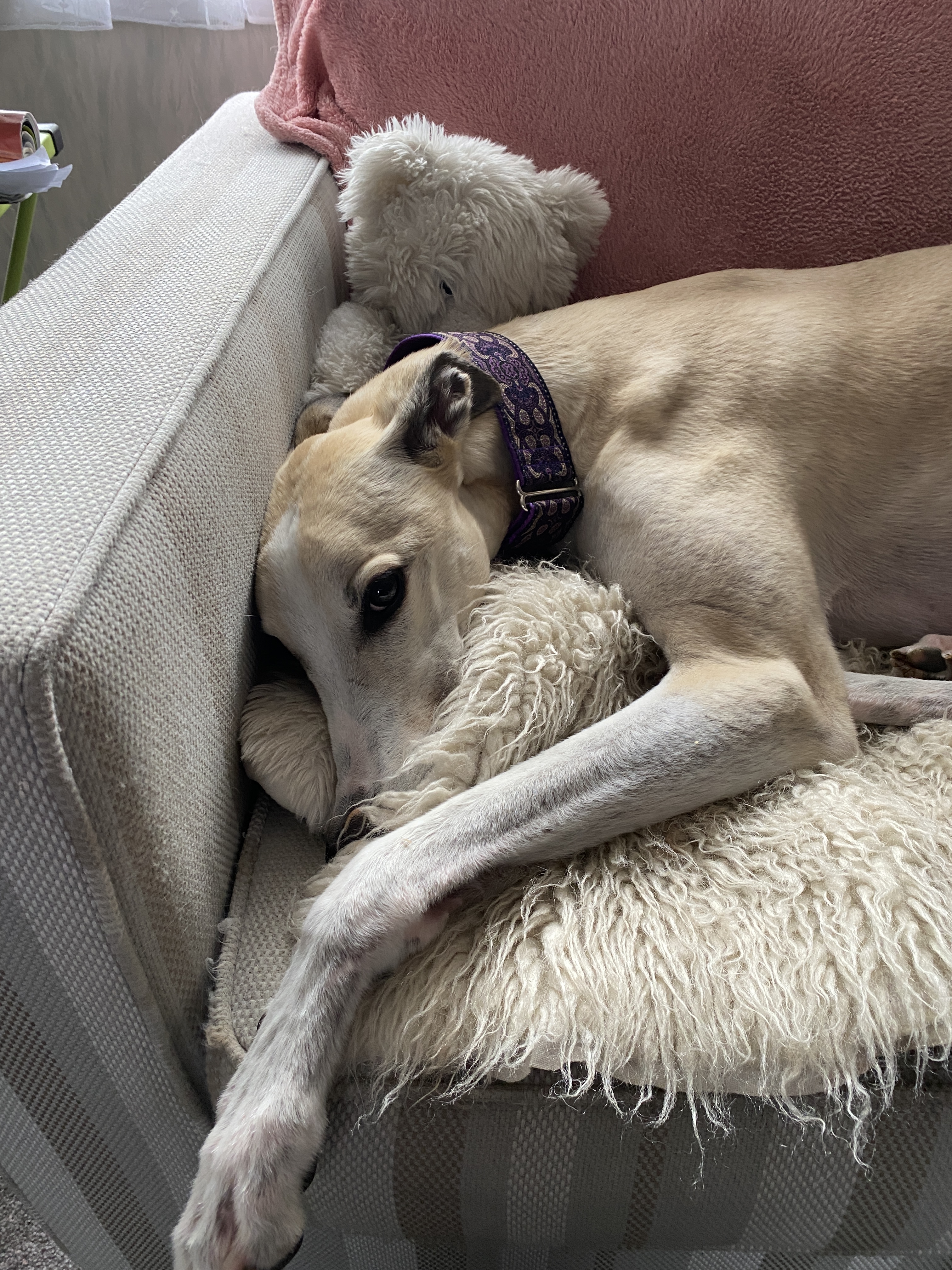
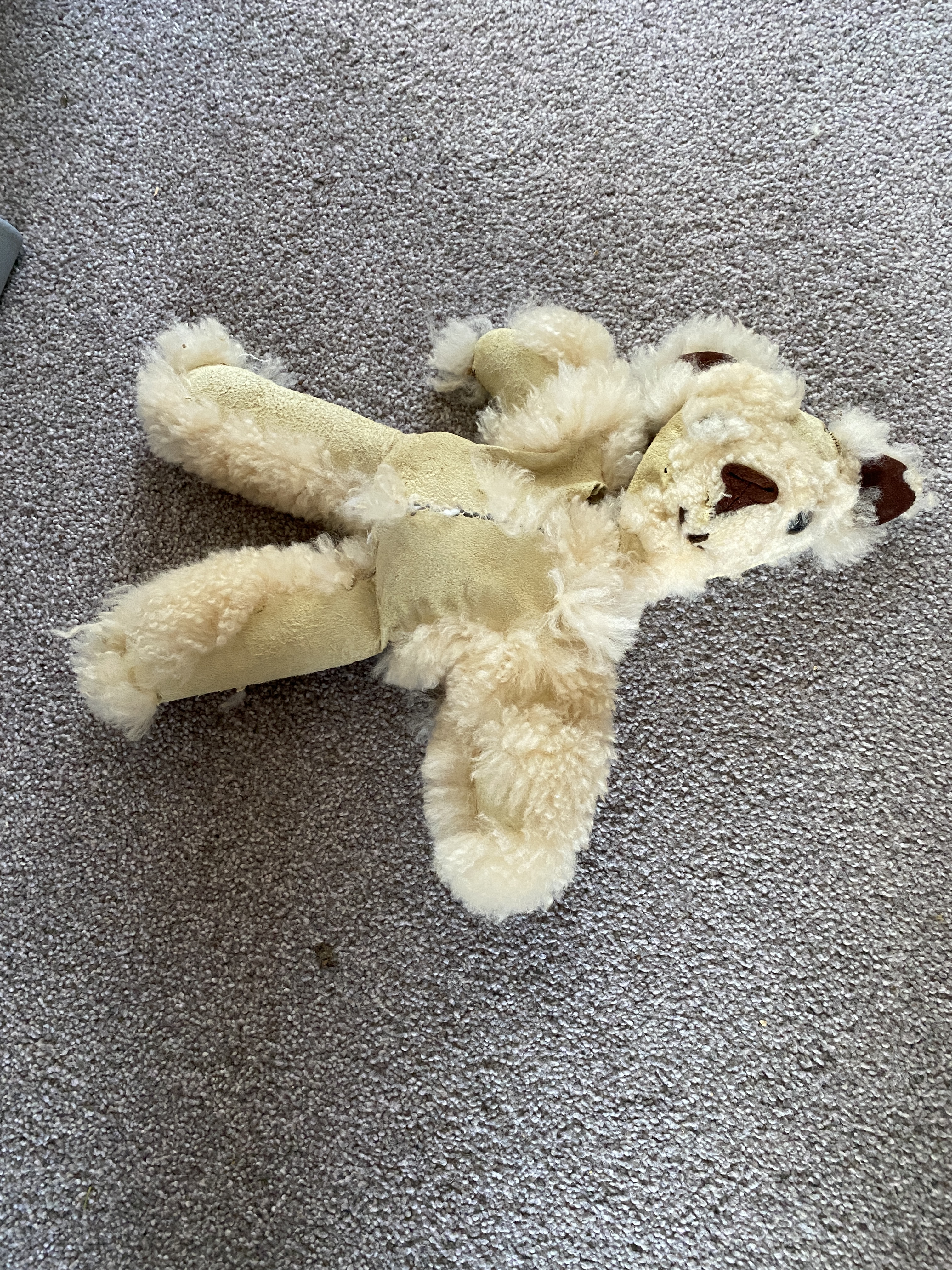
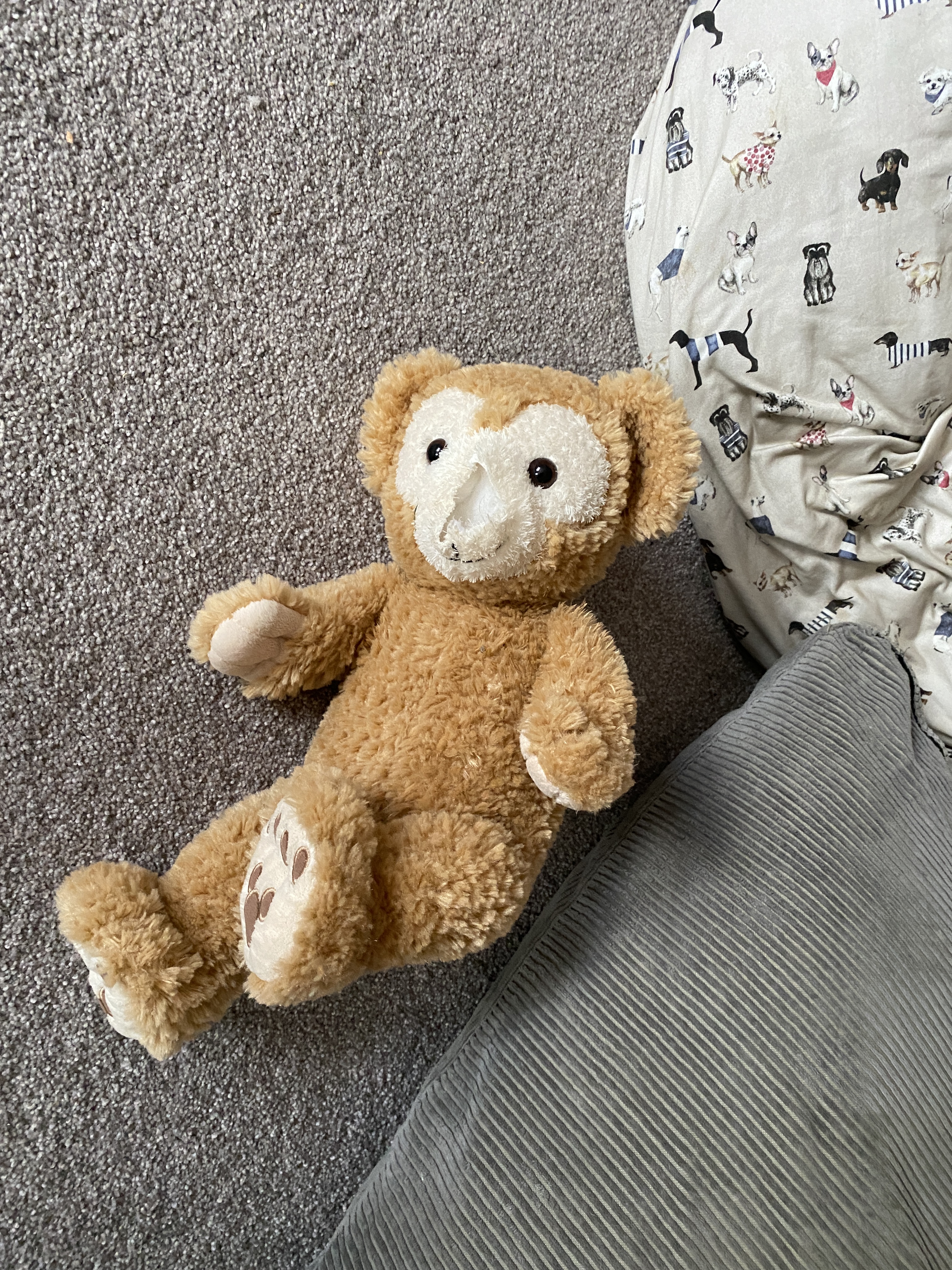
Sox has three special teddies. They are (from left to right):
Cuddle Teddy
Play Teddy
Chewing Teddy
Cuddle Teddy is special. I found him in a giveaway box at a local op shop shortly after adopting Sox. Sox had plenty of toys, but all were hand-me-downs from previous dogs. I felt he needed his own teddy. Since then, Sox will gently mouth Cuddle Teddy and sleeps with him on the couch. He has never shown any inclination to tear or rip Cuddle Teddy and, when Cuddle Teddy gets grey from all the saliva and mouthing, I will give him a wash. This upsets Sox very much and he will throw Cuddle Teddy around in the hope of getting him to smell better.
Chewing Teddy, as the name suggests, is the teddy that is the target of Sox’s hunting skills. Chewing Teddy has been re-stuffed and gutted many times. Always a favourite, although he looks worse for wear.
Which brings me to Play Teddy. As Chewing Teddy was getting very worn, I decided it might be time to head to the op shop for a new toy. Play Teddy’s nose was ripped off immediately but, unlike Chewing Teddy, Play Teddy is largely staying in one piece. He gets played with most nights after dinner.
What makes Sox choose one toy over another? Why is Cuddle Teddy so precious? I have pondered these questions for some time.
Remembering that dogs have the sentience of a two-year old child, I think Cuddle Teddy came at a particularly important time in Sox’s life as a pet. A toy that did not smell of previous dogs and which he could make his own.
I read once that ‘familiarity brings security.’ When a nervous child starts school, for example, they may take a favoured toy with them for security. My working theory is that Cuddle Teddy is Sox’s version of a security blanket. (Although I will keep washing teddy when he is ‘ripe’ as he looks much better on the sofa without his fur sticking together and with a dingy grey colour.)
What’s the future for Chewing Teddy and Play Teddy? Who knows? That is for Sox to decide. The degree of control that we give our dogs is something called agency – and sentient creatures deserve the opportunity to have choice.
Sox continues to mature as a pet since being adopted in March 2022; but judging by the last 2+ years, Cuddle Teddy seems almost certain to go the distance.
Kathleen Crisley, Fear-Free certified professional and specialist in dog massage, rehabilitation and canine fitness, The Balanced Dog, Christchurch, New Zealand.
Congresswoman Claudia Tenney (NY-24) introduces the PAW Act during Pet Night on Capitol Hill
The Human Animal Bond Research Institute (HABRI), the Pet Food Institute (PFI) and the Pet Advocacy Network co-hosted Pet Night on Capitol Hill on 11 September 2024, paying special tribute to the important role of service animals for our nation’s disabled veterans, and celebrating the positive impact of pets in America. Pet Night on Capitol Hill brought together Members of Congress, congressional staff, and leaders in the pet care community to share programs and policies that protect human and animal well-being.
“Pet Night on Capitol Hill is more than just an evening spent with some incredible pets—it’s a chance to convey to Congress the vital message that policies and programs keeping people and pets together promote better health and well-being for all,” said Vic Mason, President of the World Pet Association (WPA) and presenting sponsor of Pet Night.
“HABRI is proud to co-host Pet Night on Capitol Hill, a night dedicated to honoring the human-animal bond and its positive impact on the well-being of individuals, families and communities, including our nation’s veterans who rely on the healing support of service dogs,” said Steven Feldman, President of HABRI.
At the event, attendees interacted with Pet Partners therapy animals, show cats provided by the Cat Fanciers’ Association, and adoptable puppies from Petco Love.
Veterans and their service dogs were recognized during the Ceremony for their service to our country, and the National Service Dog Memorial displayed a replica of the resin casting of “Sully”, President George H.W. Bush’s Service dog by Susan Bahary, which will be placed in the permanent collection of the George H. W. Bush Presidential Library and Museum in College Station, TX.
The Animal Health Institute (AHI) honored the winners of the Cutest Pets on Capitol Hill contest, now in its sixteenth year, recognizing the most adorable animals belonging to Members of Congress and their staff.
Cutest Dog: Palmer Owner: Joe Ballard Office of Rep. Kelly Armstrong (ND)
Cutest Cat: Moony Owner: Izzah Yousuf Office of Rep. Al Green (TX-9)
Cutest Exotic: Froth Owner: Larson Church Office of Rep. Andrew Clyde (GA-9)
“I’m happy to once again partner with AHI to be a part of this event, which brings together members from both parties to share our mutual affection for our beloved pets. This event is also a fantastic reminder that ensuring our pets’ and animals’ health and safety is crucial for both their wellbeing and ours,” said Congresswoman Schrier. “That’s why in Congress, I’ve advocated for animal health through legislation like ADUFA to get new, innovative, and safe veterinary medications to market, and I am incredibly proud that this legislation was signed into law last September.”
“I’m honored to be a congressional judge for this year’s AHI Cutest Pets Contest,” said Rep. Cammack (R-FL-03). “Folks on the Hill know my office is home to our three pups who often greet guests and visitors, so we always appreciate the opportunity to support our furry friends! This year’s Pet Night is also special as we pay homage to the heroes and animals who have served our nation. I’m grateful to the Animal Health Institute for inviting me to participate in this year’s event.”
“The Animal Health Institute’s Cutest Pets on Capitol Hill is always a highlight, but there’s so much more to it than just cuteness – it’s all about the importance of pets in people’s lives,” said Alex Mathews, President and CEO of AHI. “The animal health industry serves not only to keep pets healthy, but also to keep families healthy and happy together, and we’re proud to celebrate this each year at Pet Night on Capitol Hill.”
HABRI’s “Human Animal Bond Leadership Award” was conferred upon Representative Claudia Tenney (NY-24) and Representative Deborah Ross (NC-02) for their sponsorship of the People and Animals Well-being (PAW) Act, a newly introduced bill that would allow people to use up to $1,000 of their Health Savings Accounts (HSAs) or Flexible Spending Accounts (FSAs) for veterinary care or a pet health insurance policy for their pets. The bill would impose no limit on veterinary care for service animals, providing even more support for people with disabilities, including our nation’s veterans.
“Our pets and service animals are cherished members of our families, and it’s essential that owners have the ability to pay for quality care,” said Congresswoman Tenney. “The PAW Act offers greater flexibility to pet owners by allowing them to use HSAs and FSAs for pet care expenses. This legislation will help veterans, and all pet owners afford veterinary care for their beloved pets and service animals.”
“The Pet Advocacy Network’s “Pets’ Best Friend” award was conferred upon three Members of Congress and Senators who have demonstrated a commitment to supporting pets and pet owners. Congressman Jake LaTurner of Kansas was jointly recognized by PAN and PFI, and Senator Chuck Grassley of Iowa and Congressman Glenn “GT” Thompson of Pennsylvania were recognized for their tireless service on behalf of companion animals and those who serve and support them.
“We were thrilled to recognize these Members of Congress with the Pets’ Best Friend award and to once again co-host this important celebration of pets and pet ownership in America,” said Pet Advocacy Network President and CEO Mike Bober.
“Just as complete and balanced nutrition is critical for pets, policies and programs that ensure healthy lives for people and pets are also important. Pet Night on Capitol Hill is a wonderful opportunity for the pet care community to showcase its longstanding commitment to the importance of service dogs for veterans, pets in classrooms for children, and the dire need for more pet-friendly housing, especially for domestic violence shelters,” said Dana Brooks, President & CEO of PFI.
Pet Night is part of Pet Week on Capitol Hill, a week-long series of virtual programming and in-person visits. Virtual sessions share key data about how pets are important for human health and quality of life and highlight the most pressing issues relating to pet ownership in America. All recorded sessions from Pet Week on Capitol Hill are now available to view on-demand at http://www.petnight.com
The U.S. Department of Justice just announced that Inotiv will pay more than $35 million, including an $11 million fine for violating the Animal Welfare Act, the largest in the Act’s history, because of violations that occurred at a facility that bred dogs for use in animal testing in Cumberland, Virginia. Inotiv is the parent company of Envigo RMS, which owned the breeding facility. As a result of these violations and a federal investigation, during 2022, our team removed more than 4,000 beagles in a monumental effort.
The resolution stems from the investigation the DOJ carried out at the Envigo facility, which included executing a criminal search warrant in May 2022. At that time, our team assisted federal authorities with removing nearly 450 dogs and puppies in “acute distress” from the facility, which had been cited for numerous violations of the Animal Welfare Act. Our shelter and rescue partners stepped up to find loving homes for these dogs in addition to the thousands of beagles who we helped to remove from the facility later that year.
Government inspectors also found that beagles there were being killed instead of receiving veterinary care for easily treated conditions; nursing mother beagles were being denied food; and the food that they did receive contained maggots, mold and feces. Over an eight-week period, 25 beagle puppies died from cold exposure. Several dogs suffered injuries when they were attacked by other dogs in overcrowded conditions. Records examined by the DOJ revealed persistent negligence in providing appropriate veterinary care to animals in need.
Here’s how the $35 million breaks down: In addition to paying the fine for violations of the Animal Welfare Act, Inotiv/Envigo agreed to pay an additional $11 million in fines for violating the Clean Water Act, and $13.5 million in support for animal welfare and environmental projects, law enforcement expenses and facilities improvements; the latter figures includes approximately $1.9 million that Inotiv has agreed to pay to the Humane Society of the United States for our team’s role during the investigation.
We are relieved that another result of the plea agreement is that no Inotiv entities, including Envigo, will breed or sell dogs.
While ensuring the safety and ultimate adoption of the animals in distress at this site was our priority, we also never lost sight of the underlying problems that led to the investigation at Inotiv/Envigo. For dogs born into facilities like Envigo’s, the day they leave is often the beginning of even more suffering in laboratories, as we saw in an undercover investigation that took place over seven months in 2021. An HSUS investigator at one of Inotiv’s contract animal testing laboratories in Indiana documented dogs continuing to be given doses of toxic substances even when they were vomiting, shaking, unable to stand and had high fevers and labored breathing. The 250 dogs at the facility spent their days confined, were subjected to painful injections and multiple blood draws, and were force-fed substances through stomach tubes. Most of them were killed at the end of the experiments, a typical practice for drug testing.
An estimated 45,000 dogs are used in experiments each year in the U.S., and tens of thousands more are held in laboratory breeding facilities. We’ve said it before, and we’ll say it again: The only way to ensure a more humane future for dogs and other animals used in testing labs is to replace animal testing with advanced technological alternatives. We continue to urge Inotiv and the others in the testing industry to implement humane replacements.
The case also shows how, when federal agencies work together, animals can benefit. Historically, the U.S. Department of Agriculture has been designated to enforce the Animal Welfare Act; however, the DOJ also has authority to issue injunctions. Recently, responding to increasing public demand for accountability and oversight, the DOJ has intervened in several significant cases, including complaints it brought against big cat exhibitors Jeffrey and Lauren Lowe and a licensed dog breeder in Iowa with at least 100 violations in just six months.
We have been working to secure passage of the Better Collaboration, Accountability, and Regulatory Enforcement (CARE) for Animals Act, which would strengthen the DOJ’s enforcement powers under the Animal Welfare Act, giving the agency more enforcement tools, such as the ability to pursue license revocations, civil penalties and, where appropriate, the use of seizure/forfeiture in cases in which animals are suffering because of evident animal welfare violations. (It would have been natural for the House Agriculture Committee to incorporate the Better CARE for Animals Act into its Farm Bill package, which traditionally has included such measures, but it didn’t, so we’ll keep advocating for its passage in the Congress where it already enjoys substantial support.)
The transfer of those thousands of beagles from Envigo was already a historic moment in our collective fight against animal cruelty. This settlement is historic in its own distinctive way as it underscores that there is a tremendous cost for animal cruelty and our society is increasingly becoming one that will not tolerate the mistreatment of animals. That is certainly something to celebrate.
When his girlfriend Misty came to stay, I took Sox and Misty to Christchurch’s red zone for off-lead time.
In this video, the dogs run and play. Greyhounds love to run. In this video, both dogs are free to stop, change direction, dodge and weave as they see fit, and stop when they are ready. This greatly reduces the risk of injury and supports enrichment. It allows them to make choices, something that behaviourists call ‘agency.’
The definition of “to run” is “to move along, faster than walking.” The dogs choose to do this and for how often.
The definition of “to race” is “a competition between runners, horses, vehicles, etc. to see which is the fastest in covering a set course.”
Most dogs love to have a run and play, such as I explain in my post There’s a technical term for almost anything – the zoomie. To truly love to race, a sentient being, be it human or animal, must be able to opt into competition of their own free will, accept the risks associated with the race, and take pleasure in it.
Kathleen Crisley, Fear-Free certified professional and specialist in dog massage, rehabilitation and canine fitness, The Balanced Dog, Christchurch, New Zealand.