When an industry publishes its own welfare data, how can anyone check it? We built AI agents to go through the public records on fatalities in greyhound racing and found a rising death rate
By Dr Mia Cobb and Dr Simon Coghlan, University of Melbourne
When we saw data published by a greyhound racing regulator in the UK, something about the dogs didn’t add up.
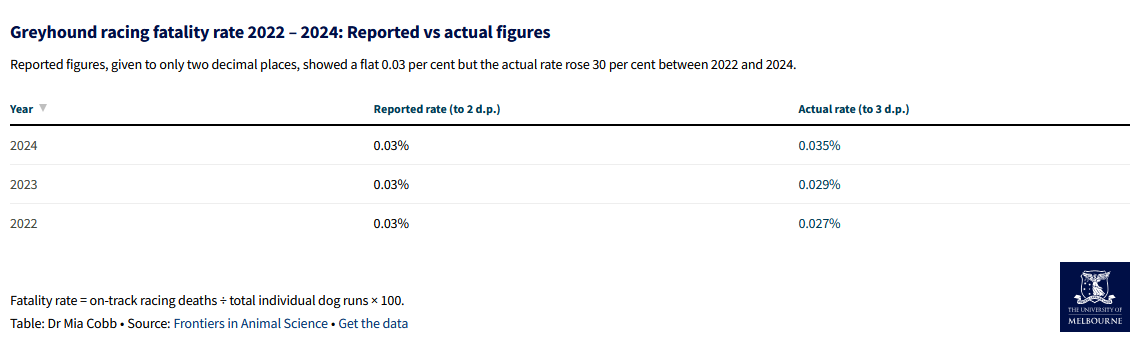
According to their report, the rate of dog deaths in races from 2022 to 2024 was stable. However, that number had actually risen from 99 to 123, while the number of races had fallen over the same period.
The maths was not mathing.
The fatality rate (which is calculated as the number of dogs that died on the track while racing, divided by the total number of individual dog runs, multiplied by 100 to express it as a percentage) was presented as 0.03 per cent across three consecutive years.
But when we ran the sums and reported them to an extra decimal place, we saw the fatality rate had risen by 30 per cent.
By reporting this information to only two decimal places, the increase in dogs dying in races was masked.
So, when an industry that relies on animals publishes welfare data, how can the public – or the policymakers making decisions about that industry’s future – know if the headline figures portray the real situation?
In the UK, there is a regulated industry with public-facing records, a governing body that publishes welfare data and a long-running debate about whether that data tells the full story.
For researchers interested in animal welfare, the UK greyhound industry also presents a genuine test case for a new method.
In fact, the question we wanted to answer was not specific to greyhound racing, it was broader.
When welfare-relevant information exists across multiple public sources but has never been systematically assembled, can AI agents do that work reliably, ethically, transparently and at scale? If so, what can we learn that the industry’s reporting doesn’t tell us?
Building our greyhound data set
The Greyhound Board of Great Britain (GBGB) is the governing body that licenses and regulates commercial greyhound racing in the UK.
It holds detailed records on every dog registered there, including country of origin, racing history, injuries, destination when racing ends and reason for leaving racing.
While some of this information is publicly visible, a good deal of it is not.
We made six requests for access to GBGB data, but none gave us access to the data we needed. We were told that most of what we wanted was already on their website. It wasn’t – at least not in any form that allowed independent analysis.
So, we built the dataset ourselves.
Using AI agents – software that performs repetitive tasks under continuous human supervision – we pulled together information from several public websites to uncover animal welfare insights for 31,028 greyhounds that raced in licensed UK competitions.
That’s around 1.27 million race starts across 22 licensed tracks between January 2022 and March 2026.
We gathered data from five public registries, and by cross-referencing these sources, we were able to get a relatively complete view of the whole population, not just a sample.
Thanks to the AI agents, what would have taken months of manual research was completed in days.
What the data tells us about greyhound racing
As we went through the data, we began to see things that the industry’s transparency has not previously revealed.
The typical greyhound’s racing career is 30 starts over 11.9 months. Most dogs race for less than a year.
More than 85 per cent of greyhounds racing in the UK were bred in Ireland.
This matters because dog breeding and rearing in Ireland falls outside the jurisdiction of the British system which is later responsible for their welfare.
One in four racing dogs – around 24 per cent – experienced at least one adverse event (including injuries or fatalities) during our observation period, with falls affecting one in six dogs.
These ‘adverse events’ are recorded by track officials at the race but have not been made available to the public at a track level, even when the Scottish and Welsh parliamentary committees asked for it.
The GBGB publishes one annual list of aggregated injury figures that covers all licensed tracks.
This has meant that the public, researchers, regulators and even greyhound trainers have not been able to independently check whether conditions at one track carry greater risk.
Our data finds that some tracks are five times more likely to result in adverse events for dogs than other venues.
Where our trail goes cold
Of the 31,028 dogs in our dataset, 73 per cent had left GBGB-regulated racing by the end of March 2026.
The GBGB publishes an aggregate of annual figures on retirement destinations. It reported that 94 per cent of dogs leaving the industry in 2024 were rehomed or ‘retained by trainers’.
But, importantly, the wellbeing of these dogs cannot be independently verified because it falls outside the registered racing regulations.
Why this matters beyond greyhounds
An industry’s social license to operate depends on public trust. In an era of growing concern for animal welfare, that trust will increasingly require verifiable evidence.
The GBGB is not unusual in its approach to information disclosure.
Across animal-reliant industries, data tends to flow inward to self-governing bodies, and is only released outward in tightly controlled formats.
Independent researchers like us face fragmented public registries, opaque systems and, when we ask directly, deflection or refusal.
What our study shows is that technology can sometimes help overcome this information imbalance. AI agents, applied carefully and with human oversight, can compile population-level welfare datasets from publicly accessible sources, at a scale and speed that makes independent scrutiny genuinely and ethically feasible.
It does not give us the data the GBGB holds privately. Nothing can do that, short of the governing body releasing it.
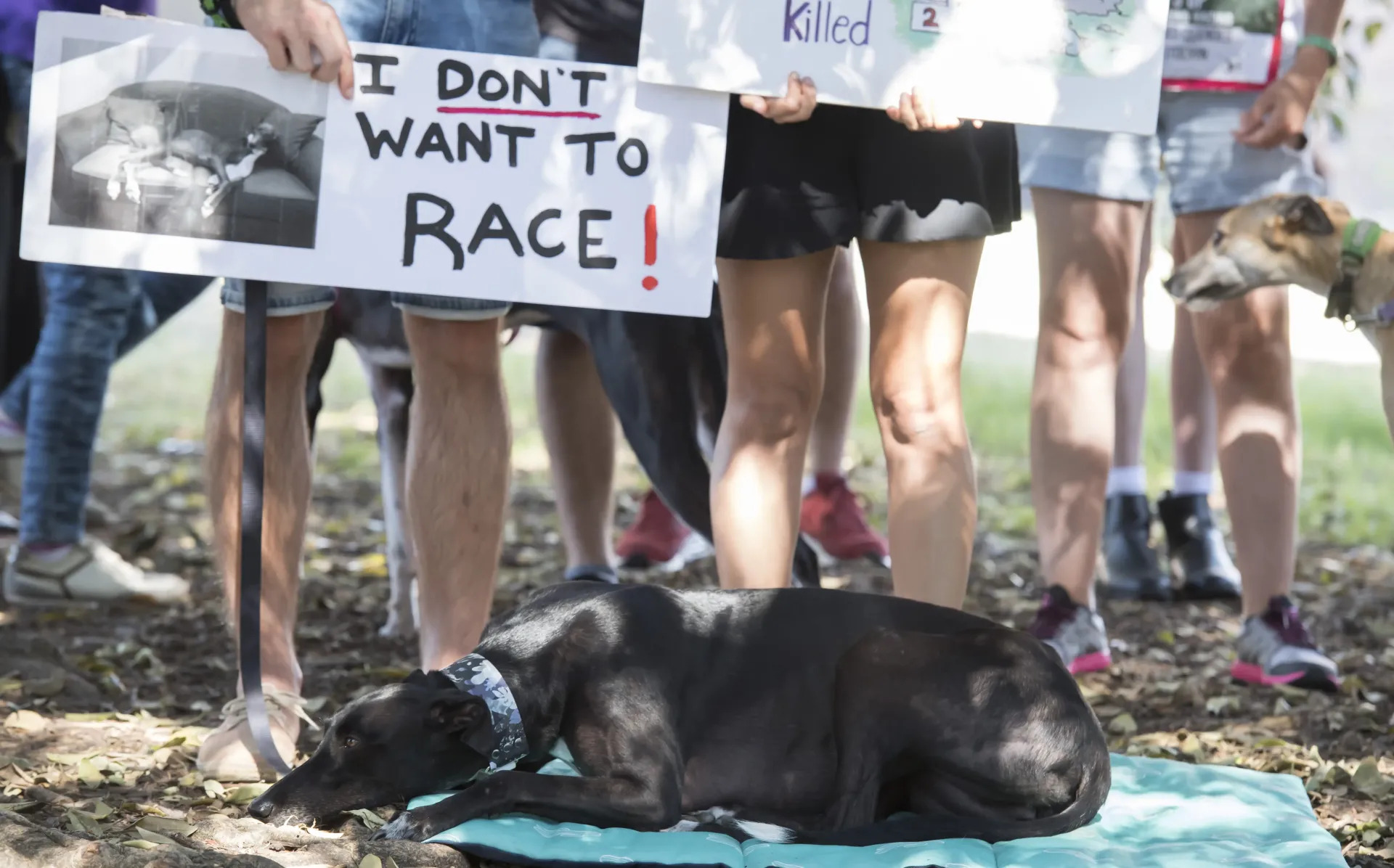
Over the last year, parliaments in New Zealand, Wales and Scotland have all decided to ban greyhound racing.
Here in Australia, Tasmania may follow. Western Australia is mid-way through a formal inquiry. South Australia’s greyhound racing industry faces a government-imposed reform deadline in July 2026.
In each of these places, the same question is being asked: how do we know the welfare assurance offered by the industry is real?
For the first time, we can describe the dogs racing in the UK in detail. It’s making these animals visible.
We know things we didn’t know before.
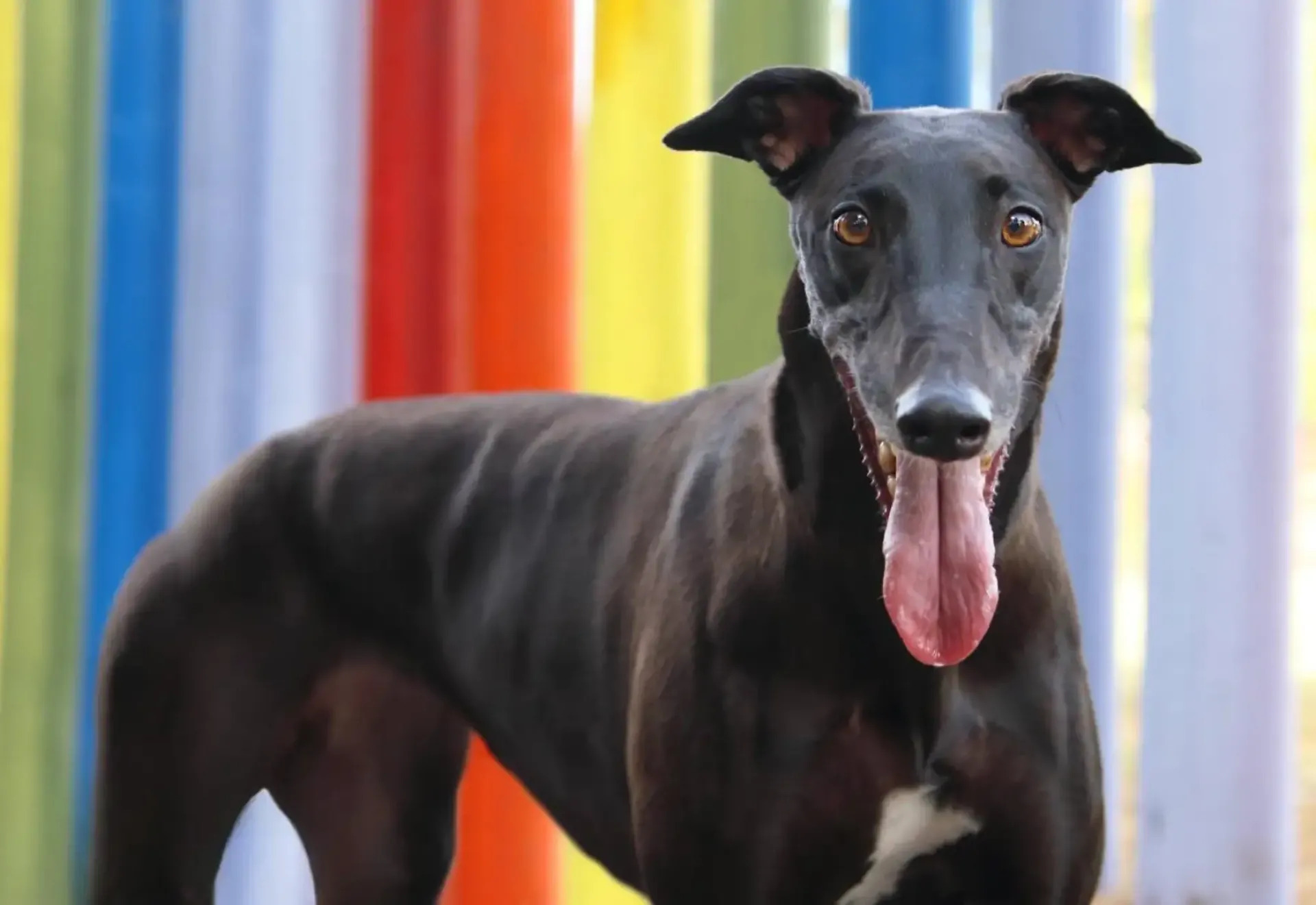
More than half of the greyhounds are black. There are as many females as males. Most of them are bred in Ireland. They start racing at around 21 months. And within a year of their first race, most have disappeared from public view.
Whether this visibility is used to hold the industry to account is a separate question.
Source: This article was first published on Pursuit. Read the original article.
The article has been republished on this blog thanks to a Creative Commons Attribution No Derivatives 4.0 International license