Category Archives: research

Female dogs are better navigators

New data from Dognition shows that female dogs tend to be more flexible navigators than males. This is the opposite of trends in humans, and gives us important insight into how dogs see the world.

Map reading dog

In the navigation game, part of the monthly Dognition subscription, owners hid food inside two bowls, and taught their dog that the treat was always on one side, for example always on the left. Then the owner brought their dog around to the opposite side and recorded which bowl their dog chose.

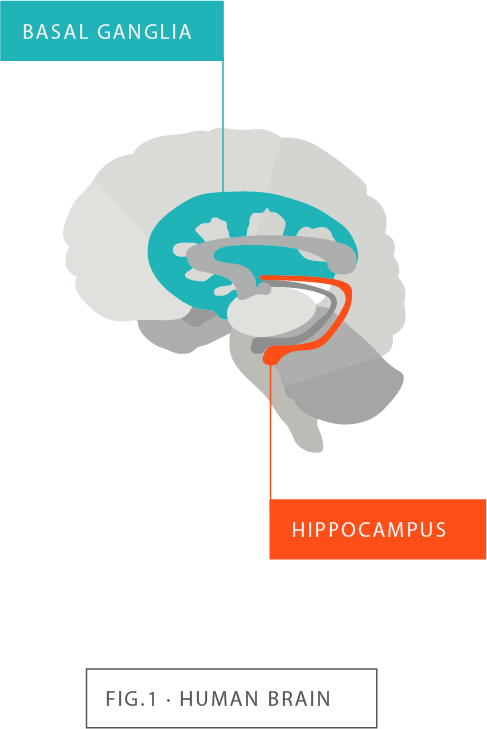
Brain

Female dogs were more likely to use an allocentric, or a landmark based strategy. They used objects in the room to figure out which bowl to choose. For instance, in the beginning, perhaps the bowl with the treats was near a door, or a lamp. When the females were brought around to the opposite side, they still looked for those landmarks, which means no matter which way they were oriented, they would always go back to the bowl they learned was ‘correct’ in the beginning.

In people, this is called forming a mental map, or using a ‘bird’s eye’ view. Using allocentric navigation means the dogs were mostly relying on their hippocampus, a part of the brain that mediates spatial awareness and memory. This strategy is particularly effective in large and unfamiliar environments, and is the more flexible of the two strategies. Not surprisingly, humans who rely on environmental navigation are good at reading maps.

Male dogs were more likely to be egocentric navigators. They learned the association by thinking ‘the treat is on my right’. When owners brought the dogs around to the opposite side, these dogs chose the bowl on their right, which was the opposite bowl that they had chosen before. By using this strategy, the dogs were mostly relying on their basal ganglia, a part of the brain that mediates motor skills.

Before there were maps or navigational instruments, Pacific islanders used egocentric navigation for long sea voyages. They used the position of the stars in relation to themselves, (e.g. to get to this island, the Milky Way should be on my right). People who rely on egocentric navigation tend to make good cinematographers – they have a special talent for allowing others to see the world as they do.

The results are exactly the opposite as in humans, where men are usually allocentric navigators and women are egocentric navigators. Perhaps male dogs just need to get better at asking for directions.

Source:  Dognition news

Chemical communication (bottom smelling)

This is a new video produced by the American Chemical Society.  It explains why dogs sniff bottoms and what information they can detect from the smells.


Domestication Syndrome

More than 140 years ago, Charles Darwin noticed something peculiar about domesticated mammals. Compared to their wild ancestors, domestic species are more tame, and they also tend to display a suite of other characteristic features, including floppier ears, patches of white fur, and more juvenile faces with smaller jaws. Since Darwin’s observations, the explanation for this pattern has proved elusive, but now, in a Perspectives article published in the journal GENETICS, a new hypothesis has been proposed that could explain why breeding for tameness causes changes in such diverse traits.

Photo courtesy of Lucky Dog Animal Rescue

Helios, an approximately 3-year-old cattle dog/greyhound mix with Lucky Dog Animal Rescue. Photo courtesy Lucky Dog Animal Rescue

The underlying link between these features could be the group of embryonic stem cells called the neural crest, suggests the research team.

“Because Darwin made his observations just as the science of genetics was beginning, the domestication syndrome is one of the oldest problems in the field. So it was tremendously exciting when we realized that the neural crest hypothesis neatly ties together this hodge-podge of traits,” says Adam Wilkins, from the Humboldt University of Berlin – one of the study’s authors.

Neural crest cells are formed near the developing spinal cord of early vertebrate embryos. As the embryo matures, the cells migrate to different parts of the body and give rise to many tissue types. These tissues include pigment cells and parts of the skull, jaws, teeth, and ears—as well as the adrenal glands, which are the center of the “fight-or-flight” response. Neural crest cells also indirectly affect brain development.

In the hypothesis proposed by Wilkins and co-authors Richard Wrangham of Harvard University and Tecumseh Fitch of the University of Vienna, domesticated mammals may show impaired development or migration of neural crest cells compared to their wild ancestors.

“When humans bred these animals for tameness, they may have inadvertently selected those with mild neural crest deficits, resulting in smaller or slow-maturing adrenal glands,” Wilkins says. “So, these animals were less fearful.”

The authors also suggest that the reduced forebrain size of most domestic mammals could be an indirect effect of neural crest changes, because a chemical signal sent by these cells is critical for proper brain development.

The hypothesis will require testing, which will be able to be done once genetic mapping of domesticated species like the dog, fox and rat are completed.

Full journal article details:  The “Domestication Syndrome” in Mammals: A Unified Explanation Based on Neural Crest Cell Behavior and Genetics
Adam S. Wilkins, Richard W. Wrangham, and W. Tecumseh Fitch. GENETICS July 2014, 197:795-808, doi: 10.1534/genetics.114.165423
http://www.genetics.org/content/197/3/795.full

Source:  Genetics Society of America media release


Immunotherapy hope

There is a form of cancer treatment called immunotherapy, where antibodies inhibit tumor growth.  Until now, such therapy wasn’t available for dogs.  A research team at Messerli Research Institute of the Vetmeduni Vienna, the Medical University of Vienna and the University of Vienna have now developed antibodies to treat cancer in dogs.

The newly developed antibody brings hope for dogs. (Photo by:  Michael Bernkopf / Vetmeduni Vienna)

The newly developed antibody brings hope for dogs. (Photo by: Michael Bernkopf / Vetmeduni Vienna)

Since cancer cells bear very specific antigens on the surface, the corresponding antibodies bind to these molecules and inhibit tumor growth.  A destructive signal sent by the antibody to the inside of the cancer cell initiates its death. In a second mechanism, the immune system of the patient also destroys the “marked” tumor in a more efficient way.

Josef Singer and Judith Fazekas, both lead authors of the study, discovered that a receptor frequently found on human tumor cells (epidermal growth factor receptor or EGFR) is nearly 100 percent identical with the EGF receptor in dogs. In human medicine EGFR is frequently used as the target of cancer immunotherapy because many cancer cells bear this receptor on their surface. The so-called anti-EGFR antibody binds to cancer cells and thus triggers the destruction of the cells. “Due to the high similarity of the receptor in humans and dogs, this type of therapy should work well in dogs too,” the scientists say. The binding site of the antibody to EGFR in man and dogs differs only in respect of four amino acids.

The head of the study, Professor Erika Jensen-Jarolim, explains as follows: “We expect dogs to tolerate these anti-cancer antibodies well. This will be investigated in clinical studies in the future and is expected to greatly improve the treatment as well as the diagnosis of cancer in dogs.”

The newly developed antibody provides an additional benefit for dogs. As in human medicine, antibodies can be coupled with signal molecules. When the antibody binds to a cancer cell in the organism, the coupled antibody – in this case a radioactive isotope – can be rendered visible and is thus able to show where tumors and even metastases are located. When the selected isotope also contributes to the decay of cancer cells, the approach is known as “theranostics” (therapy and diagnostics).

In veterinary medicine, immunotherapy will be employed for the treatment of mammary ridge cancer (milk line cancer) in dogs. It may also be used as part of a combination therapy.

The team have published their study results in the journal Molecular Cancer Therapeutics.

Source: Vetmeduni Vienna media release

Kennels may not be something to dread

New research suggests that dogs who spend a short time in boarding kennels may not find it unduly stressful and – quite the opposite – could find the change of scenery exciting.

Photo courtesy of Jerry Green Dog Rescue

Photo courtesy of Jerry Green Dog Rescue

The research team, which included academics from the University of Lincoln, UK, University of Birmingham, Queen’s University Belfast and The Royal Veterinary College, measured a range of stress parameters in 29 privately-owned dogs – both at home and in one of three private boarding kennel establishments in Northern Ireland.

This study aimed to test the validity of a range of physiological, physical and behavioural welfare indicators and to establish baseline values reflecting good dog welfare.

Physical measurements included skin dryness, nose temperature, core body temperature and amount of food eaten. Behavioural measurements included spontaneous behaviours such as lip licking, paw lifting, yawning, shaking and restlessness. Physiological measures included stress hormones (corticosteroids) and epinephrine (adrenaline).

The study revealed that dogs have higher levels of arousal, colder noses and were generally more active in kennels than when they were at home.

Based on existing research it was assumed that dogs would show higher levels of stress in the kennel compared to the home environment.

The most widely used physiological indicator of canine welfare is urinary cortisol (hormone secreted following activation of one of the major stress response systems) and creatinine (chemical waste product created by the liver) ratios (C/Cr), which is considered a valid measure of acute and chronic stress in dogs. However, the reliability of this has been questioned.

The study revealed that C/Cr was significantly higher in the kennel compared to the home environment but cortisol levels have also been found to increase after exercise and excitement, and appear to provide an indication of arousal without specifying the emotional reason of that arousal.

Dr Lisa Collins, from the School of Life Sciences, University of Lincoln, UK, said: “Many owners find leaving their dog at a boarding kennels a stressful experience.  However, this study suggests that although dogs appeared to have a higher level of overall arousal or excitement in kennels compared with their state at home, this arousal is not necessarily due to dogs experiencing kennels as negatively stressful. The emotional reasons for the behavioural and physiological responses of the dogs were ambiguous and no definitive evidence was found to suggest that dogs were negatively stressed by kennelling.”

“Our findings did strongly suggest that C/Cr, epinephrine and nose temperature are robust measures of psychological arousal in dogs. Nonetheless, these measures can be easily misinterpreted and do not provide unequivocal indicators of psychological stress. Findings appear to suggest that the dogs in this study did not perceive admission to boarding kennels as an aversive stressor and perhaps, instead, perceived kennelling as an exciting change of scene, at least in the short-term.”

The team recommends further investigation to determine the validity of measurements tested as indicators of acute and chronic stress in domestic dogs.

Their study has been published in the journal Physiology & Behavior.

Source:  University of Lincoln media release

Treating enlarged prostate (BPH) in dogs

Benign prostatic hyperplasia, or BPH, is the medical term for an enlarged prostate.   The condition affects older, entire dogs and humans.

The most common clinical sign of BPH in dogs is bloody fluid dripping from the penis not associated with urination. In severe cases it can obstruct the colon and result in constipation.

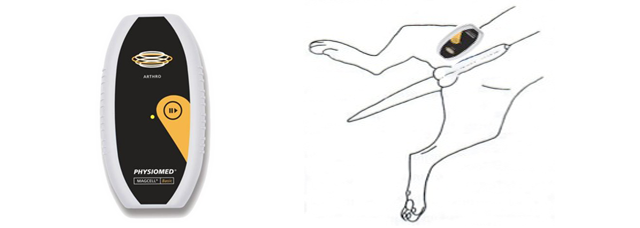
A new method to treat dogs with BPH is pulsed electromagnetic field therapy (PEMF).  PEMF is a noninvasive method that generates both an electrical and magnetic field and is used in orthopedics, neurology, and urology.  Because PEMF has been reported to have an anti-inflammatory effect with increased healing and blood circulation, a research team decided to apply the technology to improve blood flow to the prostate and reduce the size of the gland.

The study used a Magcell® Vetri device from Physiomed Elektromedizin AG, Germany.

The study used a Magcell® Vetri device from Physiomed Elektromedizin AG, Germany

The research study involved 20 dogs with BPH. They received treatment with PEMF for 5 minutes, twice a day for three weeks. The device was simply held over the skin where the prostate is located.

The results were pretty amazing.   After 3 weeks, the average reduction of the prostate was 57%.   There was no interference with semen quality, testosterone levels or libido.   There was also a progressive reduction in resistance of blood flow in the dorsal branch of the prostatic artery, as seen with Doppler scanning.

Source:  Raffaella Leoci, Giulio Aiudi, Fabio Silvestre, Elaine Lissner, Giovanni Michele Lacalandra (2014). “Effect of pulsed electromagnetic field therapy on prostate volume and vascularity in the treatment of benign prostatic hyperplasia: A pilot study in a canine model.” The Prostate. June 9, 2014. (Available online)


Domestication of dogs and the culling of mammoths

Adjunct Professor at Penn State, Pat Shipman, believes that the abrupt appearance of large numbers of dead mammoths may have been caused by early humans hunting with the first domesticated dogs.

Spectacular archaeological sites yielding stone tools and extraordinary numbers of dead mammoths — some containing the remains of hundreds of individuals — suddenly became common in central and eastern Eurasia between about 45,000 and 15,000 years ago, although mammoths previously had been hunted by humans and their extinct relatives and ancestors for at least a million years.

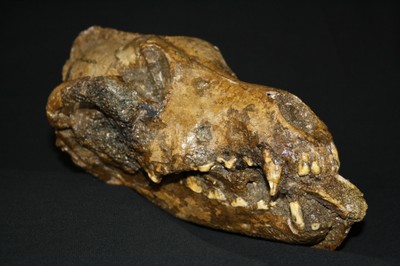
A fragment of a large bone, probably from a mammoth, Pat Shipman reports, was placed in this dog's mouth shortly after death. This finding suggests the animal was according special mortuary treatment, perhaps acknowledging its role in mammoth hunting. The fossil comes from the site of Predmosti, in the Czech republic, and is about 27,000 years B.P. old. This object is one of three canid skulls from Predmosti that were identified as dogs based on analysis of their morphology. Photo credit: Anthropos Museum, Brno, the Czech Republic, courtesy of Mietje Germonpre.

A fragment of a large bone, probably from a mammoth, Pat Shipman reports, was placed in this dog’s mouth shortly after death. This finding suggests the animal was according special mortuary treatment, perhaps acknowledging its role in mammoth hunting. The fossil comes from the site of Predmosti, in the Czech republic, and is about 27,000 years B.P. old. This object is one of three canid skulls from Predmosti that were identified as dogs based on analysis of their morphology. Photo credit: Anthropos Museum, Brno, the Czech Republic, courtesy of Mietje Germonpre.

“One of the greatest puzzles about these sites is how such large numbers of mammoths could have been killed with the weapons available during that time,” Shipman said.

Surprisingly, Shipman said, she found that “few of the mortality patterns from these mammoth deaths matched either those from natural deaths among modern elephants killed by droughts or by culling operations with modern weapons that kill entire family herds of modern elephants at once.” This discovery suggested to Shipman that a successful new technique for killing such large animals had been developed and its repeated use over time could explain the mysterious, massive collections of mammoth bones in Europe.

The key to Shipman’s new hypothesis is recent work by a team led by Mietje Germonpré of the Royal Belgian Institute of Natural Sciences, which has uncovered evidence that some of the large carnivores at these sites were early domesticated dogs, not wolves as generally had been assumed. Then, with this evidence as a clue, Shipman used information about how humans hunt with dogs to formulate a series of testable predictions about these mammoth sites.

Shipman’s research has been published in the journal Quaternary International and is entitled “How do you kill 86 mammoths?”

For more information about this research and related studies, read the full Penn State media statement.

Your dog’s behaviour – what does it say about your relationship?

Research by Christy L Hoffman of Canisius College in New York indicates that the bond between you and your dog may be the key to their behaviour.

Photo courtesy of Canisius College

Photo courtesy of Canisius College

Methodology

The study looked at human-animal attachment among 60 dog-owning families, including parents and children.  Participants completed questionnaires that asked about their attachment to their pet dogs, their levels of responsibility for the animals, such as feeding and walking them, and their general attitudes toward pets. Participants were also asked to rate their dogs on behavioral characteristics, including excitability, trainability, stranger fear and aggression, separation problems and attention-seeking behavior.

Findings

  • Those individuals who had more positive feelings about pets, in general, and who took more responsibility for the care of their dogs, compared to others in their families, had higher attachments to their dogs. (Probably not a huge surprise to most of us).
  • Owners, regardless of gender, age or race, had a greater attachment to their dogs when the animals scored high on trainability and separation-related problems. In other words, if the dog is well-behaved and likes to socialize with humans, then the bond between the dog and its owner is greater.
  • The more dogs demonstrate attention-seeking behavior with their adult owners, the more attached these owners are likely to be with their dogs. Interestingly, however, this made no difference to the children in the study.

Hoffman thinks that the last finding is indicative of adults having busy lives with parental and work responsibilities – so they are most likely to bond with dogs that seek out their attention.

This research was a collaboration with researchers from the University of Chicago and the University of Pennsylvania and has been published in the  the journal  Human-Animal Interaction Bulletin.

Source:  Canisius College media release

Urine may be the saviour of wild dog populations

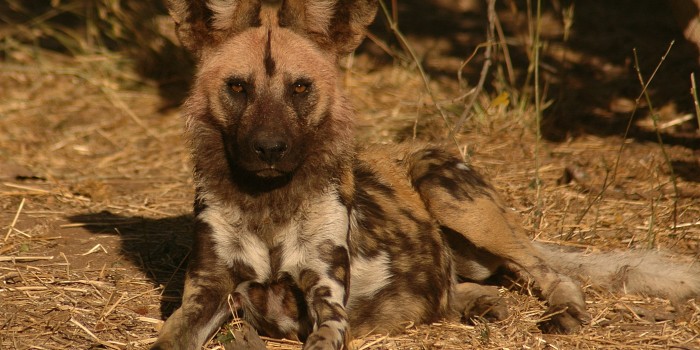
Africa’s endangered wild dogs are very clever:  no traditional fence can keep them out.  A doctoral researcher at the Norwegian University of Science and Technology (NTNU), Craig R. Jackson, has explored ways to save the species.

Photo by Craig R. Jackson

Photo by Craig R. Jackson

African wild dogs are a distinct species that cannot inter-breed with other dogs.   The populations of these dogs were in good shape until a few decades ago. In the middle of the last century, there were 500,000 of them in 39 countries. But the species is in decline across nearly its entire range south of the Sahara. Today there are somewhere between 3000 and 5500 left, in fewer than 25 countries. That’s roughly one per cent remaining – and that’s the best case scenario.

Wild dog packs are loath to intrude into the territories of other packs. These territories are defined by urine scent trails. So the researchers and their colleagues collected sand that had been sprayed with urine by wild dogs and moved it near to other packs to keep them inside a certain area – with success.

The use of the scent markings helps to keep wild dogs out of areas where they think there are other dog packs.  But, collection of the urine needed for the scent trails is a problem.  So the next step is re-creating the urine artificially.

The conclusion of the thesis:  urine may be the best bet for saving the African wild dog population; that urine may have to be artificially produced.

Source:  NTNU media release


Diagnosis and treatment of bladder cancer in dogs

Veterinary researchers at Oregon State University have identified a unique group of proteins that indicate the presence of transitional cell carcinoma – the most common cause of bladder cancer – and may lead to a new assay which could better diagnose this disease in both dogs and humans.

Photo by Shay Bracha, Oregon State University

Photo by Shay Bracha, Oregon State University

Sheepdogs, collies, and terriers seem particularly susceptible to this type of cancer.  By the time the cancer is diagnosed, it is usually too late to save the dog’s life.

An improved assay to detect this serious disease much earlier in both animals and humans should be possible, scientists said, and may even become affordable enough that it could be used as an over-the-counter product to test urine, much like a human pregnancy test. Some of the work may also contribute to new therapies, they said.

“Research of this type should first help us develop a reliable assay for this cancer in dogs, and improve the chance the disease can be caught early enough that treatments are effective,” said Shay Bracha, an assistant professor in the OSU College of Veterinary Medicine.

Source:  Oregon State University media statement