Author Archives: DoggyMom.com

A dog’s secret life and how it can help elderly owners

Experts at Newcastle University are using movement sensors to track normal dog behaviour while the animals are active outside the home and when they are home alone.

Dog photo for research blog

The sensors show not only when the dog is on the move, but also how much he is barking, sitting, digging and other key canine behaviours.

By mapping the normal behaviour of a healthy, happy dog, Dr Cas Ladha and students Nils Hammerla and Emma Hughes were able to set a benchmark against which the animals could be remotely monitored.  This allowed for any changes in behaviour which might be an indication of illness or boredom to be quickly spotted.

Presenting their findings at the 2013 UbiComp conference in Zurich, project lead Ladha, says the next step is to use the dog’s health and behaviour as an early warning system that an elderly owner may be struggling to cope.

“A dog’s physical and emotional dependence on their owner means that their wellbeing is likely reflect that of their owner and any changes such as the dog being walked less often, perhaps not being fed regularly, or simply demonstrating ‘unhappy’ behaviour could be an early indicator for families that an older relative needs help.” says Hammerla.

The team created a hi-tech, waterproof dog collar complete with accelerometer and collected data for a wide range of dog breeds.

Hammerla adds: “This is the first system of its kind which allows us to remotely monitor a dog’s behaviour in its natural setting” –  ultimately classifying 17 activities such as barking and chewing.

“But beyond this it also presents us with a real opportunity to use man’s best friend as a discreet health barometer.  It’s already well known that pets are good for our health and this new technology means dogs are supporting their older owners to live independently in even more ways than they already do.”
Source:  Newcastle University media statement

Image

Wordless Wednesday, part 6

Testing the beds_Kruize

The SmartPill: helping to understand canine bloat

Gastric dilatation-volvulus (GDV), or bloat, is one of the leading causes of death in dogs.  Second only to cancer in some breeds, it’s the number one killer of Great Danes. Despite its prevalence, the cause of bloat is unknown.

The American Kennel Club Canine Health Foundation has given a research grant to Laura Nelson, assistant professor at Michigan State University College of Veterinary Medicine to change that.

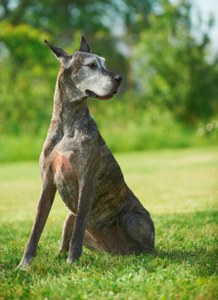
Great Dane photoWhen a dog gets bloat, gas fills the dog’s stomach, the stomach twists completely around, the gas has no way to escape, and blood and air supply to the stomach are cut off. As the stomach swells, it presses against the abdominal wall and pushes against large blood vessels. Shock is usually the cause of death. The whole progression can happen in a matter of minutes or hours, and surgery is required to save the dog’s life.

It’s generally believed that genetics as well as environmental factors play a role in which dog develops bloat.  “We want to know why some dogs get bloat while others don’t,” says Nelson.

Nelson’s team is investigating the relationship of contractions responsible for the digestion of food (motility) with increased GDV risk, and hopes to define the biochemical and genetic alterations that may be associated with hypomotility—abnormally weak contractions. A new diagnostic tool, SmartPill®, makes possible noninvasive assessment of motility. The SmartPill® is an ingestible capsule with an instrument inside that measures acidity and pressure. The team will measure the time it takes the capsule to pass through the dog’s system and the pressure spikes along the way.

In the short term, the research findings may provide clinicians with data that would allow them to make informed decisions about when to use preventative medications or conduct targeted prophylactic surgery—gastropexy—in at-risk dogs. This procedure surgically attaches the stomach to the abdominal wall in order to prevent twisting. It is an effective procedure that is well tolerated, but, Nelson notes, it is an invasive procedure that may not be necessary in some dogs. There currently is not a good way to determine who to recommend it for.

“With bloat, it happens and you treat it. But it would be so much more satisfying if we really understood why some dogs get bloat, and then be able to make more informed treatment decisions and possibly prevent the disease altogether,” says Nelson.

Source:  Michigan State University media statement

Using the internet to share information about dogs

The internet is now the preferred resource for dog owners looking for information.  But did you realize the creative ways people are using the medium?

Here are two of my favorites:

a)  Hope for Paws, a charitable organization involved in animal rescue, has compiled beautiful photos of their rescue dogs into a book.   With every download of the book, Hope for Paws earns 10 cents.  It all adds up.  Why not click today?

b)  Author Colleen MacDougall is publishing the first ten chapters of her book,  The Patron Saint of Dogs, online – one chapter at a time.  I’m really enjoying reading the book and can’t wait for the email that lets me know another chapter is ready for reading.  You can visit Colleen’s website here to join her mailing list.

Daisy’s boo-boo

This week, a cyst on Daisy’s leg became irritated and broke open.  Poor Daisy!  There was blood everywhere and, not surprisingly, Daisy was licking and uncomfortable.

A visit to the vet confirmed that she needs to keep away from the wound and be on antibiotics for at least a week.  We were initially given a traditional Elizabethan collar (also known as the bucket or cone of shame).  However, this stressed Daisy out and she wouldn’t settle.  She couldn’t drink from her raised feeder, either, because the collar got in the way.

And when you think about it, who would feel comfortable with their peripheral vision closed off and feeling like you were trapped?

Enter the BooBooLoon Air Cushioned Pet Recovery Collar! This inflatable ring comes with sturdy Velcro fasteners and allows Daisy to see out and drink from her bowl, without the constriction of the Elizabethan collar.

I recommend this alternative for dogs as it is more humane and less likely to cause stress.  I doubt the Velcro will hold up to a dog that really wants it off because running into furniture or pawing it strongly is likely to break through the fastening.

But for dogs who are well-behaved like Daisy, it’s ideal.  Ask for it specifically at your vet or buy one directly from their website.

Full body shot

Daisy rests on her bed wearing her BooBooLoon despite hating having her photo taken

Daisy rests on her bed wearing her BooBooLoon despite hating having her photo taken

Fast asleep on the bed with the BooBooLoon supporting her neck comfortably

Fast asleep on the bed with the BooBooLoon supporting her neck comfortably

This product endorsement is non-paid.  I bought Daisy’s BooBooLoon from my local veterinarian, who ordered it especially for us.

When something isn’t right with your senior dog

Old dog_dementiaWe love them to bits.  And gradually we notice changes that signal they are getting older.  They may no longer hear the doorbell and, thanks to this new deafness, they may sleep very deeply.

But  changes in an old dog need to be considered carefully.  Behavioral changes can often be the signs of other problems, like diabetes, hypothyroidism or hyperthyroidism, dental disease, and cancers.

One thing that I’m learning more about is canine cognitive dysfunction syndrome (CDS).  Veterinarians describe this as a ‘diagnosis of exclusion’ which means they look to diagnose another disease or disorder first before deciding that the dog is suffering from CDS.

When assessing for symptoms and severity of CDS, veterinarians follow the acronym DISHA.  DISHA stands for:

D= Disorientation

I = Interaction changes

S = Sleep/wake cycle changes

H = House soiling

A = Activity level changes

Disorientation can present as changes in spatial awareness, loss of ability to navigate around familiar obstacles, and/or wandering behavior.

Interaction changes can include a decreased interest in social interaction, petting, greetings, or dependent behaviors.

Restlessness or frequent waking during the night, panic or panting (particularly at night), and increased sleep during the daytime are indications of changes to sleep/wake cycles.

House soiling can increase when there is a loss of signal from the brain so your dog doesn’t realise it needs to eliminate; signs of incontinence or fouling indoors when this has never been a problem are symptoms.

Changes in activity can include decreased exploration and response to stimuli, decreased grooming, change in appetite, increased anxiety with signs of restlessness or agitation and/or separation anxiety.

Most vets offer senior wellness checks  for older dogs.  It’s well worth observing your older pet and discussing all changes with your vet before dismissing the changes as simply old age.

Source:  Ohio State University College of Veterinary Medicine

Image

Wordless Wednesday, part 5

Dog with teddy bear

Meet Jonny Justice

Jonny justiceJonny (left) is a Staffordshire Bull Terrier who was rescued from Michael Vick’s dog fighting operations.  In 2012, he received the most votes to win the prize of Most Beautiful Dog in the Top Dog Photo contest sponsored by soft toy manufacturer, Gund.

Through love, care and attention, Jonny was rehabilitated and now helps children who are learning to read.  The children read aloud to Jonny, who is attentive and always non-judgmental.

Jonny Justice reading

Jonny has been immortalized in a soft toy by Gund.  Measuring eight inches, you can buy Jonny for US$25.

Daisy’s crystals

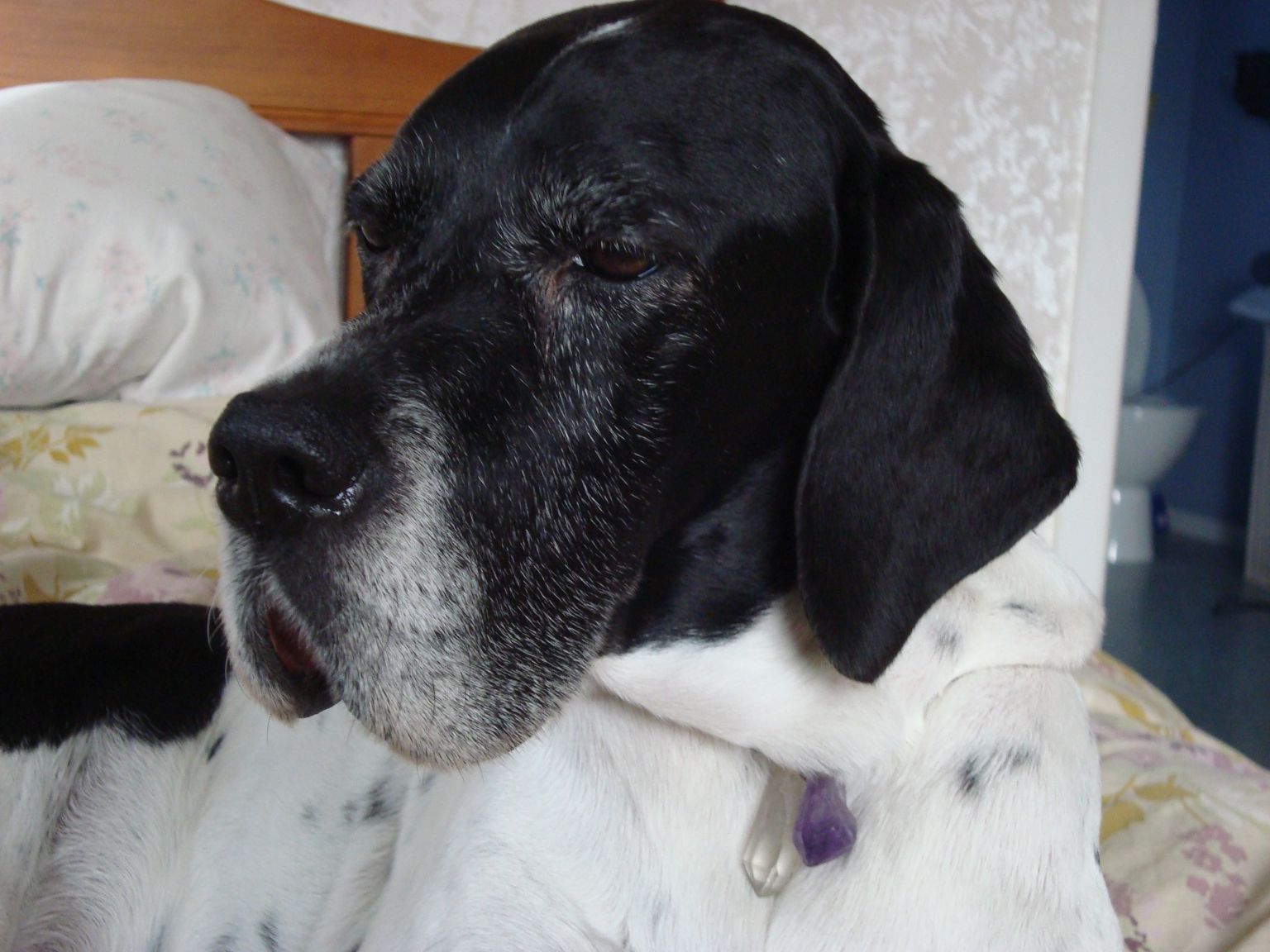
Daisy hasn’t been her usual self for the last 8 weeks or so and, in consultation with her acupuncture vet and her regular vet, we’ve decided that she is showing signs of dementia.  Things like wandering around at night unable to settle and waking me (Mum) about every two hours….and having trouble negotiating doorways.

I’ve made changes in our healthcare regime which include introducing a new supplement and changing her diet.  The good news is that I have seen some improvement over the last week and I hope it continues.

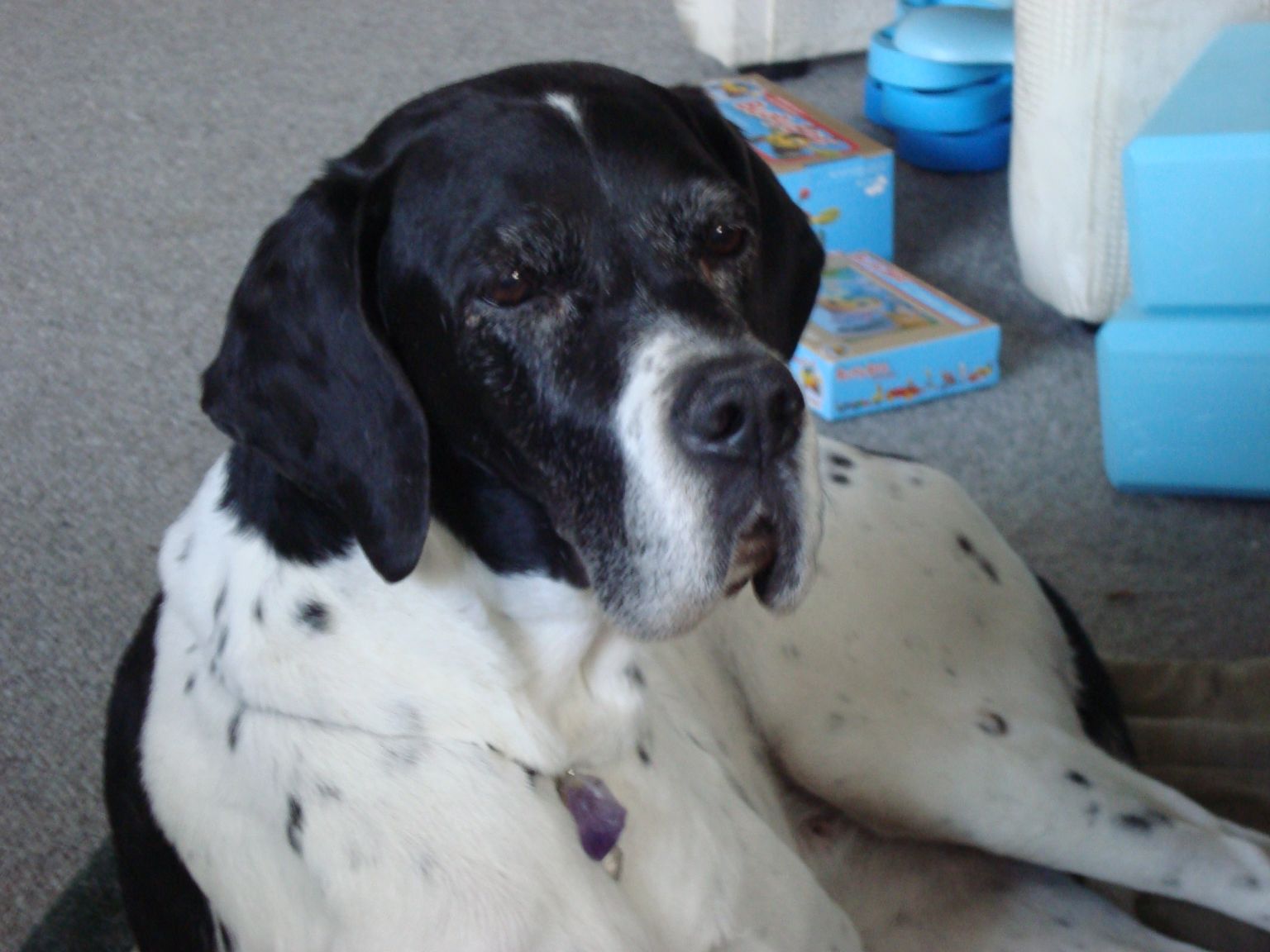
Given that time is precious and every day over age 13 is a blessing, I have also decided to try crystal healing for the first time.  My opinion is that even if it doesn’t do a thing, she looks really cute wearing her crystals around her neck!

I hope you agree.

Have you ever used crystal healing on your dog?

Daisy with crystals

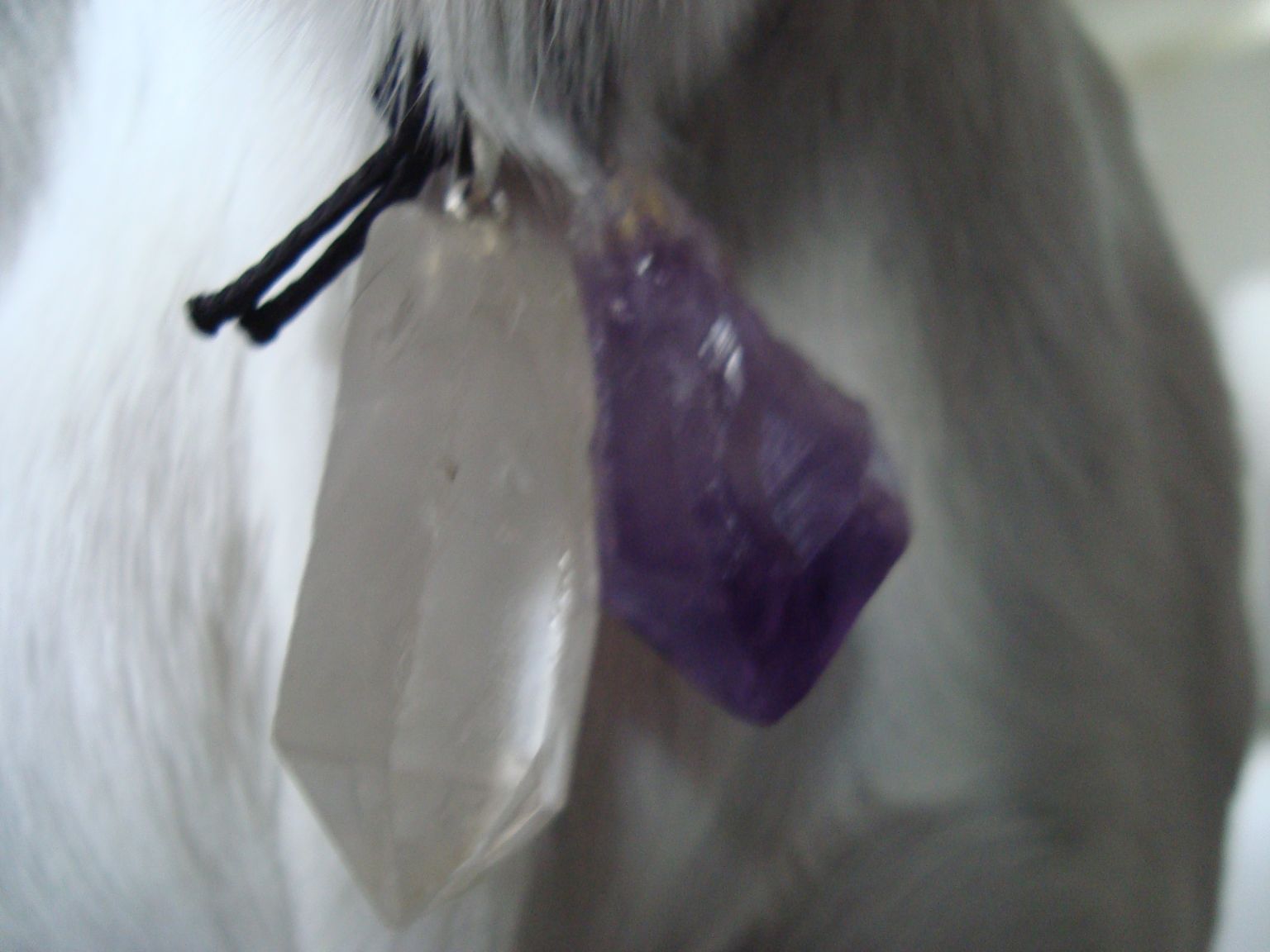
Daisy is wearing an amethyst for clearing negative energy and as an all-around healer.  Her clear quartz is a master healer for all conditions and is meant to strengthen her immune system and offer protection.

Daisy is wearing an amethyst for clearing negative energy and as an all-around healer. Her clear quartz is a master healer for all conditions and is meant to strengthen her immune system and offer protection.

Daisy is very relaxed about having her crystals around her neck.

Daisy is very relaxed about having her crystals around her neck.

Sister Gracie

It’s been a bit busy this week, so I haven’t had time to post until now. One reason for the busy week has been that I have appeared in The Press, the Christchurch region’s newspaper.  The reporter wanted to know more about dog massage (which of course is a favorite subject of mine).  Both Daisy and I are very grateful for the free publicity, which came out of the blue in the form of a phone interview.

The article generated a very special enquiry in the form of an email:

May I ask if Daisy is a Pinerock pointer?  I lost my beautiful old lady Gracie in May and this morning I almost fell off my chair to see that face.  Even friends have asked how I found the massage worked with Grace.  That’s how alike they are – my girl had just turned 13 so they could conceivably be a similar age.  Happy to send you a picture if you like.

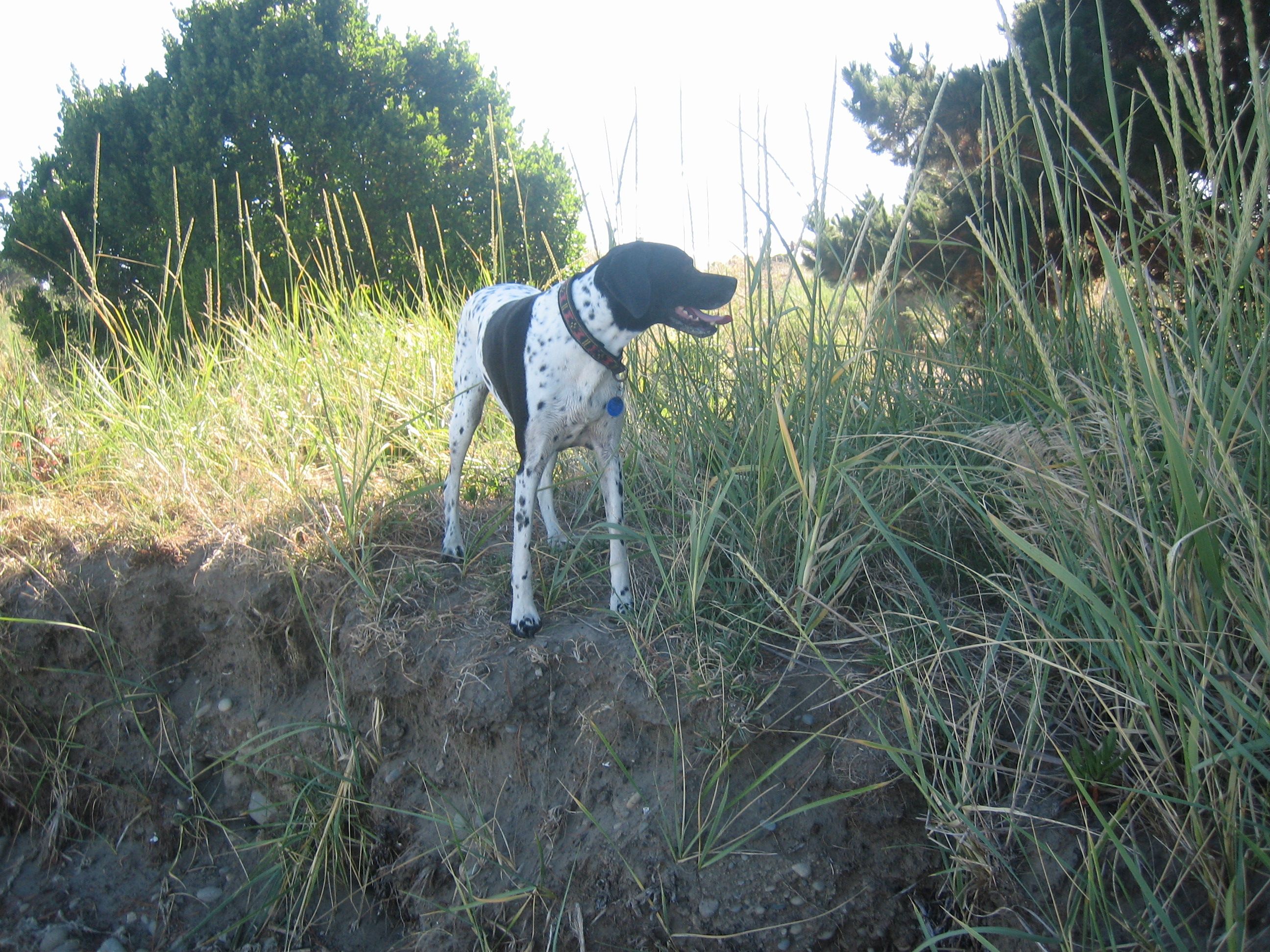
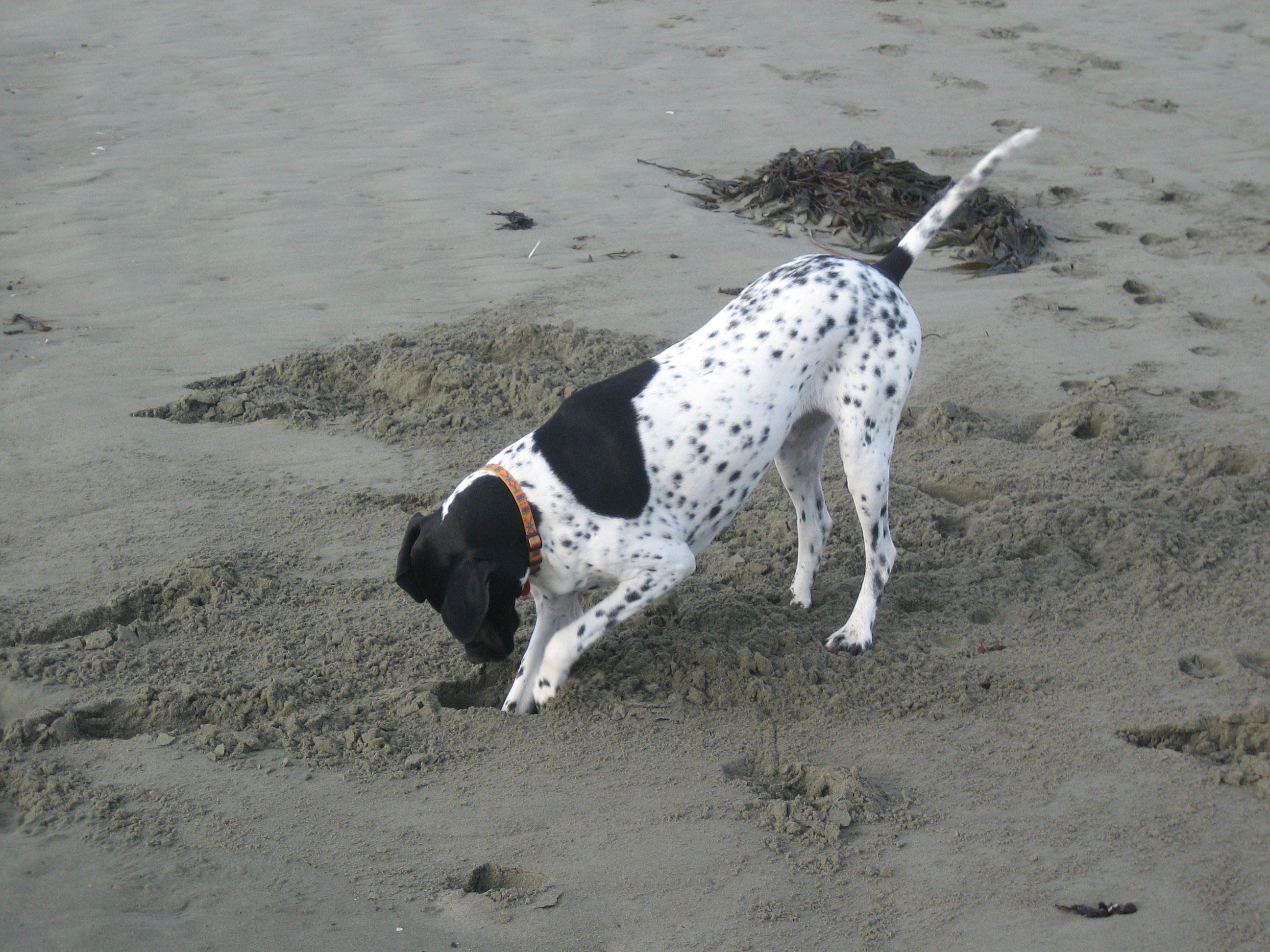
And so it transpired that I learned more about Daisy’s sister, who lived with another dog named Shamus, who still grieves for her.  Indeed, it is eerie to see how much Daisy and Gracie resembled one another.  The bloodlines are clearly apparent…

Gracie

Gracie on sofa

Gracie Digging

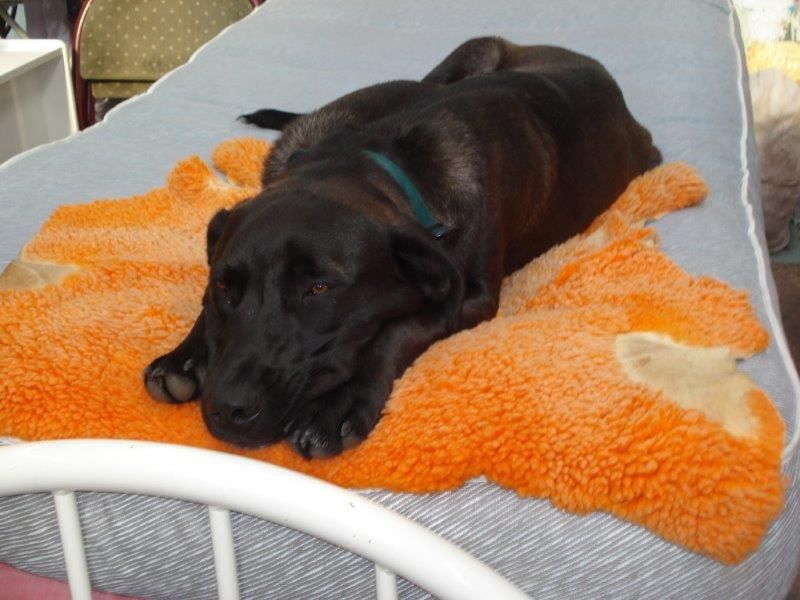
shamus and gracie couching

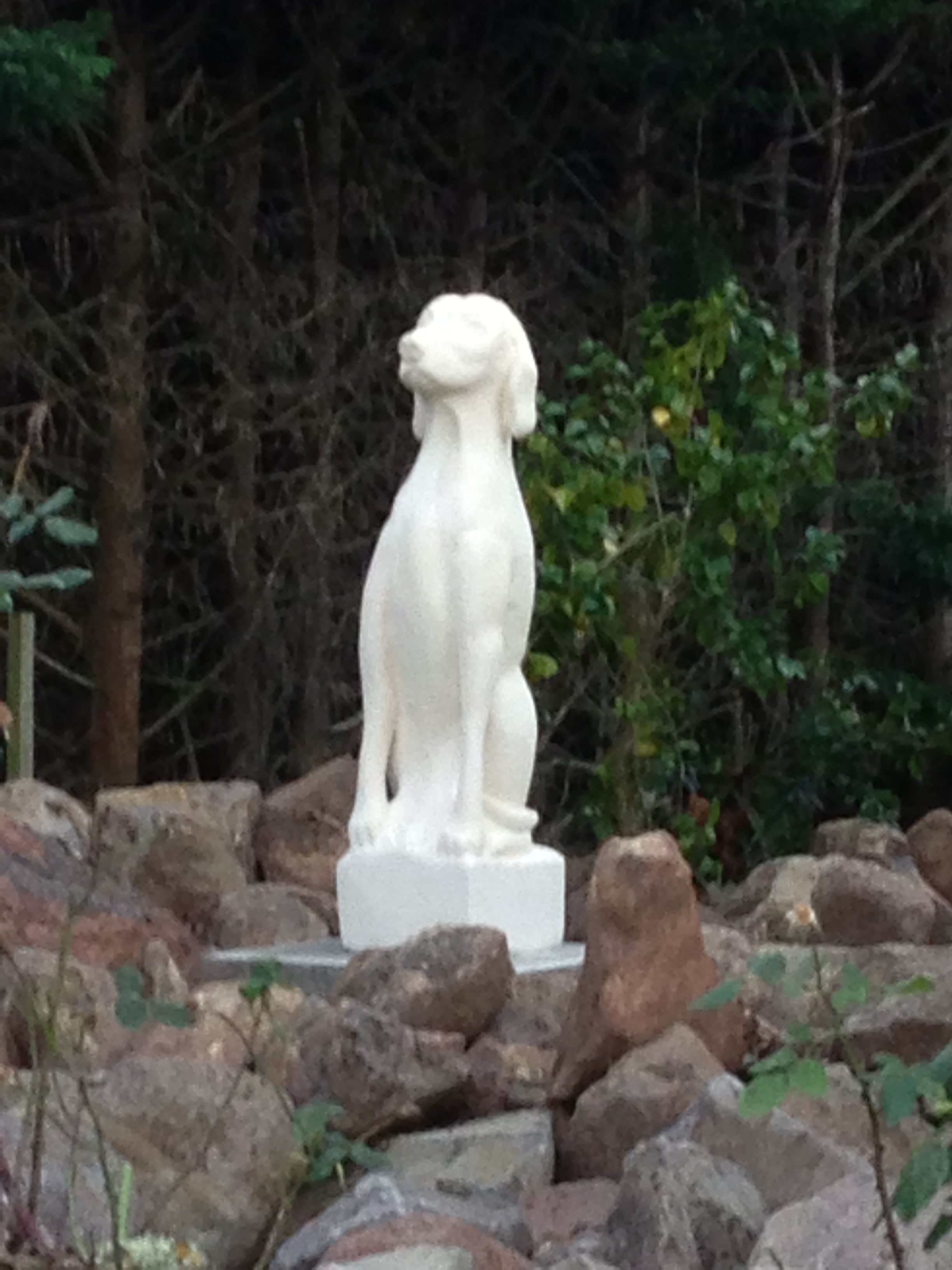
"I will take her ashes to the Pointer Memorial Garden at Pinerock where Pluto the Pointer watches over their souls."

“I will take her ashes to the Pointer Memorial Garden at Pinerock where Pluto the Pointer watches over their souls.”

Gracie’s mum may come for a visit to meet Daisy one day.  I’m sure Daisy would be as welcoming as always and we will share more stories of Gracie.